Wireless Freedom: Understanding the Tech Behind Xmenha Earbuds


Xmenha True Wireless Earbuds
From a Viking king's legacy in your pocket to the engineering of a miniature submarine for your ears, the hidden science behind your wireless world is more extraordinary than you think.
Take a moment and listen. Not to the traffic or the hum of your computer, but to the silence. It’s a lie. Right now, you are swimming in an invisible, roaring ocean of information. Wi-Fi signals from every router nearby, radio broadcasts, cell phone calls, the microwave reheating your lunch—all of it is a chaotic storm of electromagnetic waves crashing through you at the speed of light.
So, how is it possible that two tiny, plastic nodules nestled in your ears can create a perfect, private sanctuary of sound in the middle of this maelstrom? How can they whisper a podcast to you, and you alone, without the entire universe screaming over them?
The answer isn’t magic. It’s a symphony of clever physics, historical accidents, and brilliant engineering, a story that begins, improbably, with a 10th-century Viking king.
The Ghost of a Unifying King
In the mid-1990s, a consortium of tech giants—Intel, Ericsson, Nokia—faced a digital version of ancient Scandinavia: a fractured landscape of competing standards for short-range radio. They needed a single, universal protocol to unite their devices, just as King Harald “Bluetooth” Gormsson had once united the warring tribes of Denmark and Norway. In a moment of historical poetry, the codename “Bluetooth” stuck.
This tribute is more than a cute piece of trivia; it’s the philosophical core of the technology. Bluetooth’s mission was to bring order to chaos. But the environment it was born into was—and still is—anything but orderly.
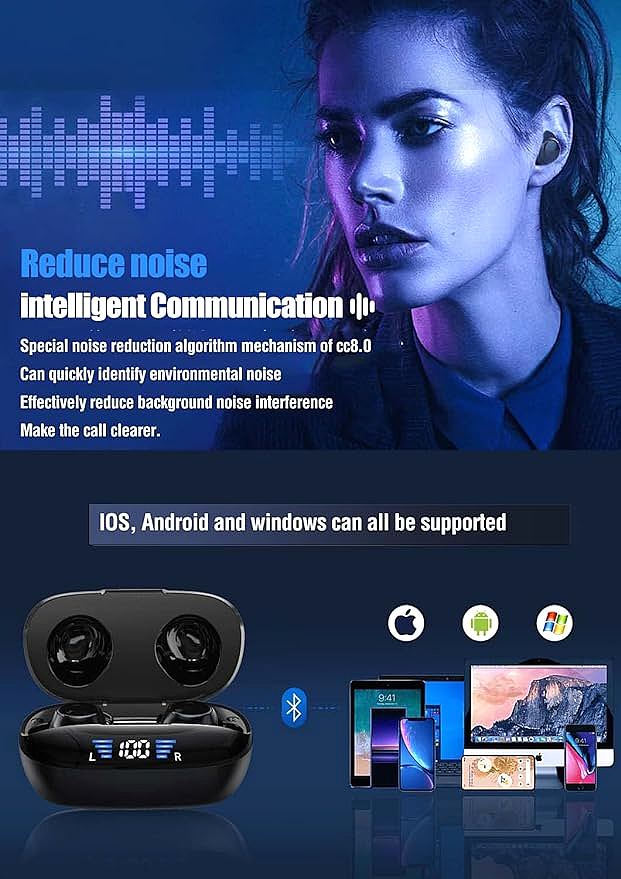
It lives in the 2.4 GHz ISM band, the Wild West of the radio spectrum. Think of it as a public park for radio waves, a slice of the airwaves that anyone can use for free, from your Wi-Fi router to your garage door opener. It’s a screaming, chaotic digital crowd. For a tiny pair of earbuds to have a clear, private conversation with your phone in this environment is like trying to whisper a secret to a friend across a packed, roaring stadium.
So, how does it pull it off? It doesn't try to shout over the noise. It cheats.
It performs a breathtakingly fast maneuver known as Frequency-Hopping Spread Spectrum (FHSS). Instead of staying on one channel, Bluetooth acts like a nimble spy, hopping between 79 different channels 1,600 times every second in a pseudo-random, pre-arranged sequence known only to your phone and earbuds. It’s a form of wireless guerrilla warfare. By the time any interference on one channel realizes it's there, it has already vanished and reappeared somewhere else.
Modern iterations like Bluetooth 5.3 have made this spy even smarter. With features like Channel Classification, the earbuds can identify and blacklist "noisy" channels, making their hops more intelligent and efficient. This is the invisible ballet happening every millisecond to keep your music from stuttering. And this complex military-grade technique is now humming away quietly inside astonishingly affordable devices, like the $25 Xmenha earbuds, which serve as perfect evidence of this technology's complete and total democratization.
Engineering a Miniature Submarine
Taming the invisible world is one thing, but your earbuds must also survive the physical one. We sweat on them, run with them in the rain, and occasionally drop them in places they shouldn’t be. The promise that they can survive this onslaught is codified in a simple, elegant language: the IP rating.
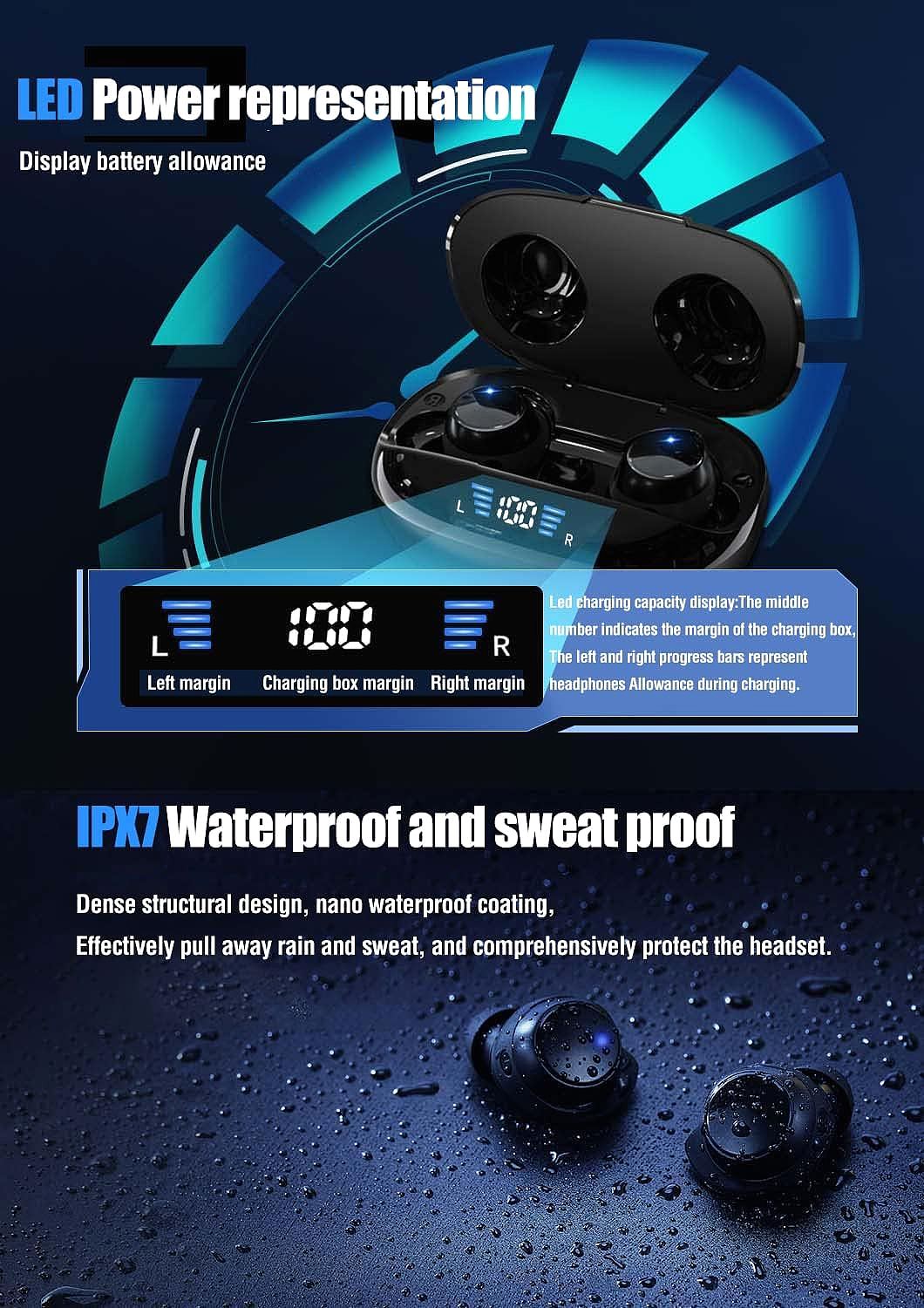
IP stands for Ingress Protection, and it’s a standard defined by the International Electrotechnical Commission (IEC). It’s a brutally honest system for rating a device's resistance to solids (the first number) and liquids (the second). When you see a rating like IPX7, as found on many modern earbuds, it’s a condensed engineering saga.
The ‘X’ simply means it hasn’t been rated for dust protection. The ‘7’, however, is where the real drama lies. It’s not a vague promise of being “water-resistant.” It is a certification, earned through a grueling test: the device must remain fully functional after being submerged in 1 meter of fresh water for 30 minutes.
Think about the engineering required to achieve this. It’s the science of building a miniature submarine. The two halves of the earbud’s shell can't just be snapped together; they must be sealed with microscopic precision, often using custom-cut rubber or silicone gaskets—tiny O-rings that compress to form a perfect, waterproof barrier. Every opening, from the microphone port to the charging contacts, must be protected. This isn’t a simple spray-on coating; it’s a marvel of material science and structural engineering designed to withstand the relentless pressure of a column of water.
And here’s a crucial detail often lost in the marketing: the standard specifies fresh water. The chlorine in a swimming pool or the salt in the ocean can corrode seals and short-circuit electronics. So while your IPX7 earbuds can survive a torrential downpour, a trip into the sea is a death sentence. It’s a fine point, but one that highlights the beautiful specificity of science.

The Physics of a Private Concert
Having conquered the airwaves and defied the elements, the earbud finally faces its ultimate purpose: to make sound. Inside each earpiece is a tiny, powerful dynamic driver. It’s a perfect microcosm of a massive concert speaker, using a magnet, a voice coil, and a diaphragm to turn electrical pulses back into the physical vibrations we perceive as music.
The description of "deep bass" on a product box is not just marketing fluff; it's a claim about physics. Low-frequency sound waves are long and powerful. To reproduce them effectively in a tiny, open space is incredibly difficult. This is where the in-ear design and that all-important physical seal become critical once more.
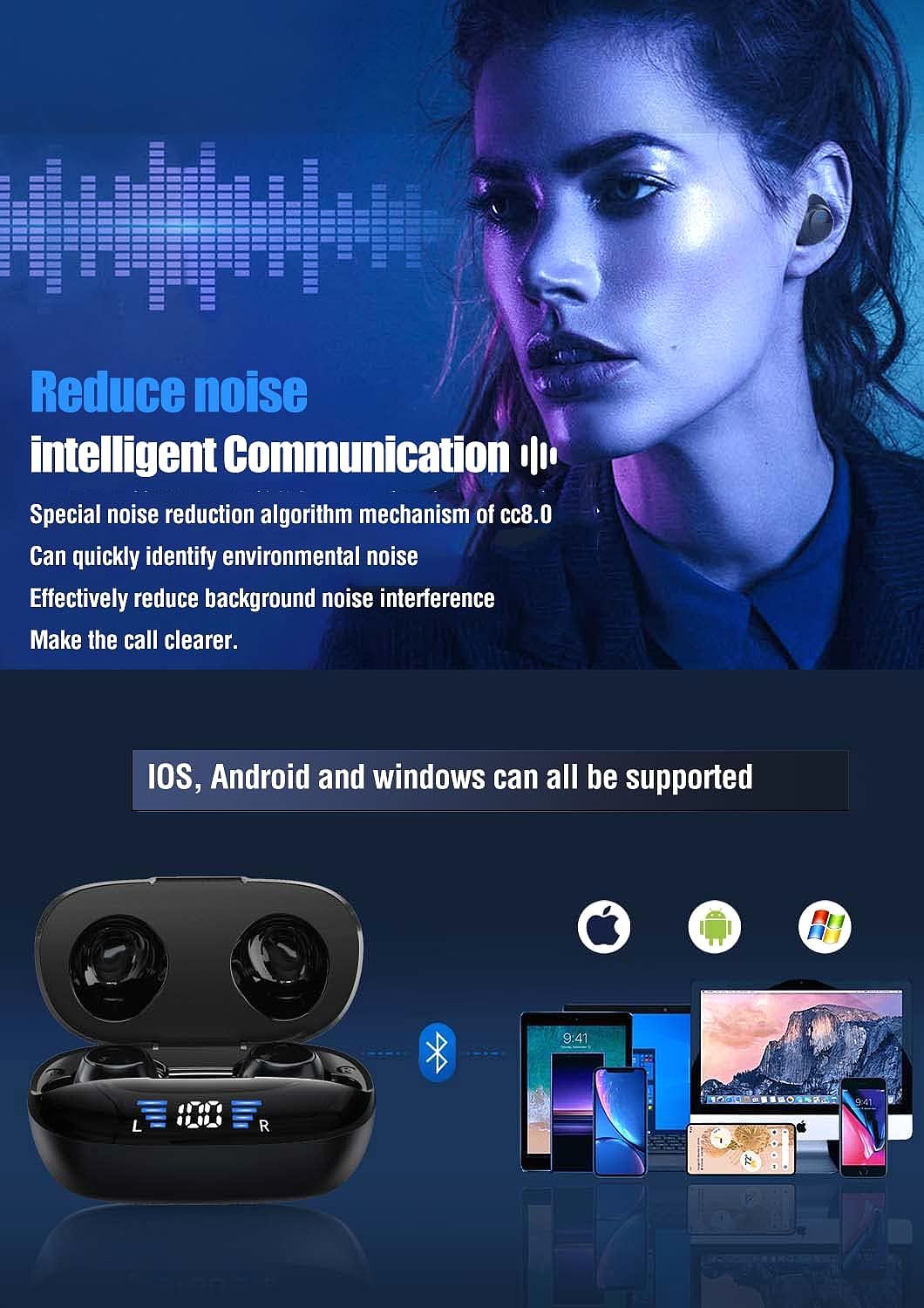
By fitting snugly in your ear canal, the earbud does two things. First, it creates Passive Noise Isolation. It becomes a physical barrier—a high-tech earplug—that blocks a significant amount of high-frequency external noise. This creates a quieter canvas for your music.
Second, that seal creates a tiny, closed acoustic chamber. This prevents those precious bass frequencies from escaping, channeling their energy directly toward your eardrum. Without a good seal, the bass would sound thin and weak. With it, you can feel the thump. It’s a brilliant fusion of acoustics and ergonomics.
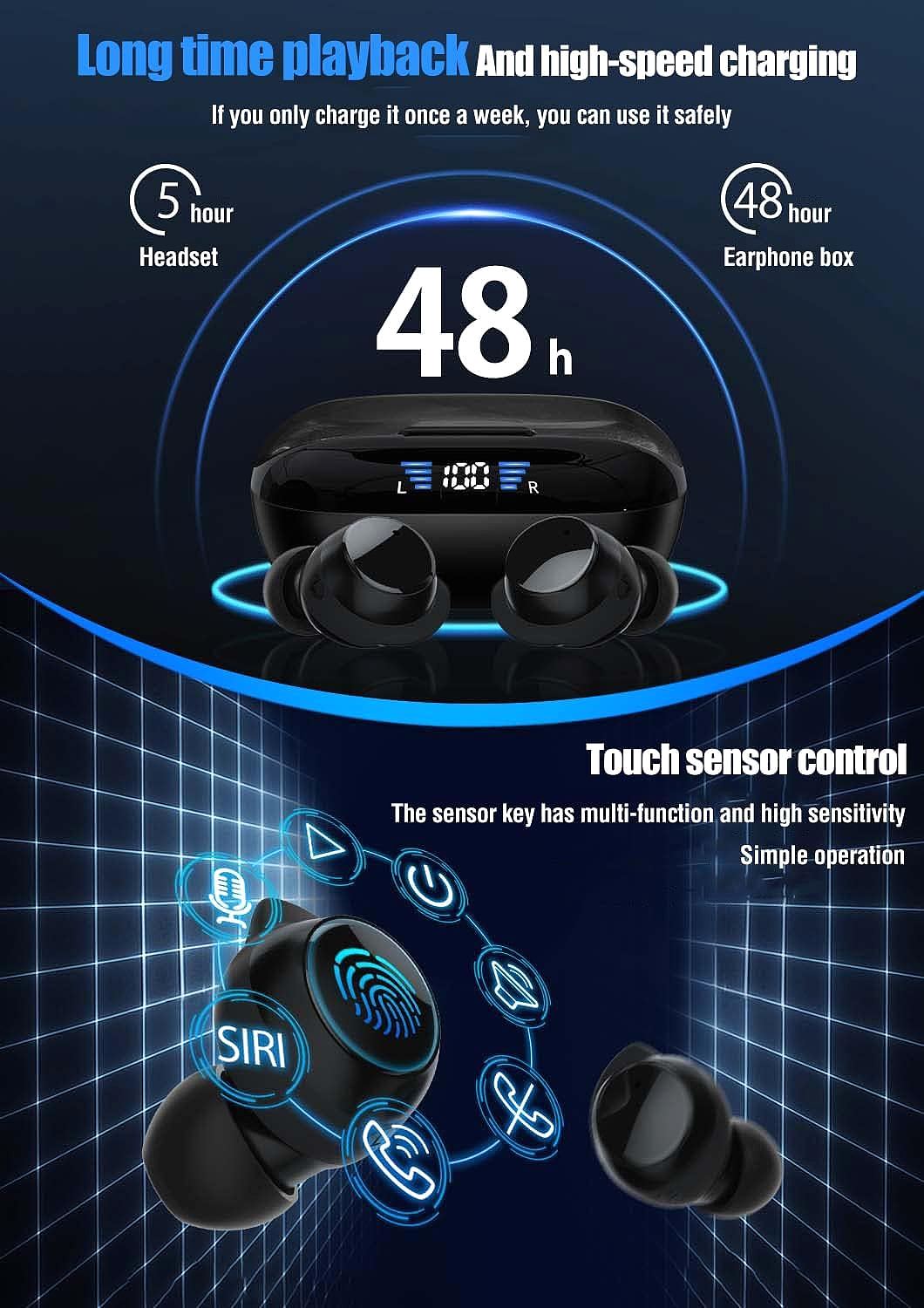
So, the next time you put in your wireless earbuds, take a moment. Appreciate the silent, frantic dance of frequency hopping, a legacy of a Viking king. Marvel at the microscopic, submarine-grade engineering that keeps the water out. Understand the delicate physics of the sealed chamber creating your private concert.
You’re not just wearing a piece of plastic. You're wearing a miracle of accessibility—a testament to the relentless march of science that has taken technologies once reserved for military communications and deep-sea exploration and placed them, almost casually, into the ears of anyone who wants to listen. And that, in itself, is a symphony worth hearing.
Xmenha True Wireless Earbuds
Related Essays

Xmenha Invisible Earbuds: Unveiling the Science of Discreet Sound

CXK E16 Wireless Earbuds: Your Gateway to Superior Sound and Seamless Connectivity

Xmenha RLRBS9CSNJ Wireless Earbuds: A Deep Dive into Bluetooth 5.3 and Noise Canceling

Kinetic Audio: The Physics of Sound in Motion

OMFG BB13 Wireless Earbuds - Advanced Features and Comfortable Design

Keklle2 Wireless Earbuds – Crystal Clear Sound and Waterproof Design

HITY A4 Wireless Earbuds Bluetooth 5.3 Headphones Touch Control – Top Choice for Music Enthusiasts

PloutoRich Wireless Earbuds with LED Display Charging Case – A Stylish and Versatile Choice

Zonyee Wireless Bluetooth Earbuds - Immersive Sound Experience

