Why Your Wireless Earbuds Stop Charging: The Five Hidden Killers

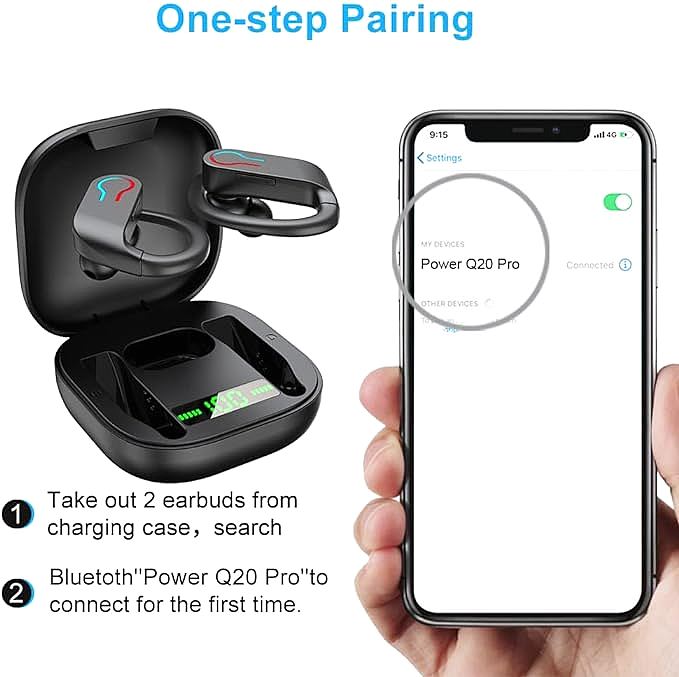
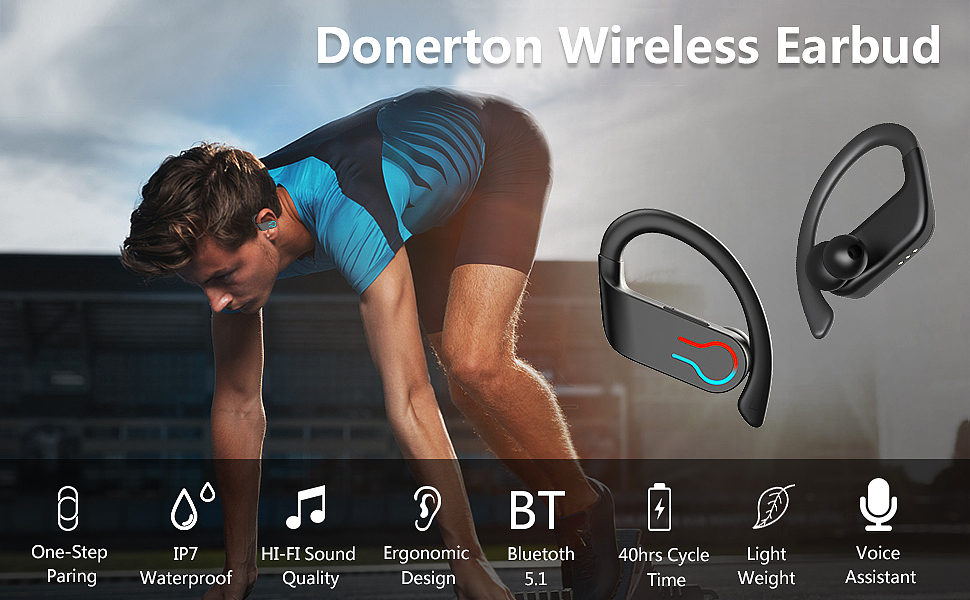
Donerton Q20 Pro Wireless Earbuds
Your right earbud won't charge. You place it in the case, the LED blinks once, then nothing. You try repositioning it, cleaning the contacts, even leaving it overnight. Still dead. This scenario plays out across thousands of Amazon reviews for wireless earbuds, with charging failures accounting for roughly 35% of all user complaints.
The Donerton Q20 Pro, like most IPX7-rated wireless earbuds, faces a specific set of degradation mechanisms that manufacturers rarely explain. Understanding these mechanisms shifts earbud maintenance from guesswork into science.
The Chemistry of Charging Contact Corrosion
The most common failure mode begins at the charging interface. Wireless earbuds use spring-loaded metal contacts that press against corresponding pads on the earbud body. These contacts are typically gold-plated over a nickel or copper substrate, designed to resist oxidation while maintaining electrical conductivity.
But sweat changes the equation. Human perspiration contains sodium chloride at concentrations of 0.9-2.3 grams per liter, along with lactic acid and urea. When sweat residue accumulates on charging contacts, it creates an electrolyte solution that enables galvanic corrosion. Two dissimilar metals in the presence of an electrolyte form a tiny battery, and the less noble metal begins to dissolve.
The corrosion process follows predictable patterns. Pitting corrosion creates microscopic holes in the metal surface. Crevice corrosion develops in the gaps between the contact and the earbud housing. Fretting corrosion occurs when repeated insertion and removal creates small movements that wear away the protective gold plating.
Each mechanism produces the same result: increased electrical resistance at the charging interface. The earbud may still charge, but the connection becomes intermittent. Eventually, the resistance exceeds what the charging circuit can overcome, and the earbud appears dead.
Prevention requires interrupting the corrosion cycle. After workouts, wipe charging contacts with a dry cloth before placing earbuds in their case. The goal is removing the electrolyte before it can drive the corrosion reaction. For contacts already showing corrosion, a cotton swab lightly moistened with isopropyl alcohol can remove oxidation products, though this should be used sparingly on metal contacts only, never on the earbud housing.
Bacterial Growth in Silicone Ear Tips
Silicone ear tips create a warm, moist environment that bacteria find ideal. The human ear canal maintains a temperature around 35 degrees Celsius. Add sweat, earwax, and skin oils, and you have a complete growth medium. Bacterial populations can double every 20-30 minutes under these conditions, reaching significant levels within 24-48 hours.
The silicone material itself contributes to the problem. Silicone rubber has a molecular structure based on silicon-oxygen bonds, which provide excellent thermal stability and flexibility. However, the material's surface exhibits low surface tension, creating a slightly porous texture at the microscopic level. Bacteria can adhere to this surface and form biofilms that resist simple cleaning.
Visible symptoms develop gradually. Ear tips may develop an odor, particularly noticeable when removed from the ear. The silicone can become discolored, typically yellowing as organic compounds oxidize. In advanced cases, the material may feel tacky or lose its elasticity, indicating polymer degradation.
Health implications extend beyond aesthetics. Prolonged use of contaminated ear tips can contribute to external ear canal infections, particularly in users who wear earbuds for extended periods. The mechanical irritation from degraded silicone compounds the problem by creating micro-abrasions in the ear canal skin.
Effective cleaning requires both mechanical action and chemical treatment. Ultrasonic cleaners provide the most thorough cleaning by creating cavitation bubbles that penetrate surface irregularities. For manual cleaning, a solution of equal parts white vinegar and warm water, applied with gentle agitation for 15 minutes, can break down organic deposits without damaging the silicone.
Replacement timing depends on usage patterns. Heavy users who wear earbuds during daily workouts should consider replacing tips every 3-4 months. Casual users may extend this to 6 months. Signs that replacement is overdue include visible discoloration, loss of elasticity, surface tackiness, or any persistent odor after cleaning.
Thermal Stress and Battery Degradation
Lithium polymer batteries in wireless earbuds operate within a specific temperature envelope. The ideal charging temperature ranges from 15-25 degrees Celsius. Storage temperatures above 40 degrees Celsius accelerate chemical degradation within the battery cells, permanently reducing capacity.
The mathematics of thermal degradation are unforgiving. A battery stored at 45 degrees Celsius loses approximately 5-8% of its capacity per month. At 60 degrees Celsius, this accelerates to 20-25% monthly. A car interior on a summer day can reach 60-80 degrees Celsius, meaning a pair of earbuds left in a hot car for a few hours could experience degradation equivalent to months of normal use.
Battery degradation manifests as reduced playtime initially, but can progress to charging failures. As internal resistance increases, the charging circuit may struggle to deliver current to degraded cells. The earbud may show a full charge indicator but discharge rapidly, or fail to accept a charge at all.
The charging process itself generates heat. Fast charging protocols push higher currents through the battery, creating more thermal energy. Charging while the earbuds are warm from use compounds the thermal stress. The safest approach is allowing earbuds to reach room temperature before charging, and avoiding charging in already warm environments.
Storage conditions matter during periods of non-use. Batteries at 100% charge experience more stress than those at partial charge. For long-term storage, maintaining approximately 50% charge minimizes degradation. This balance avoids the stress of full charge while retaining enough capacity to prevent deep discharge, which can also damage lithium cells.
The Nanometer-Thin Barrier Against Water
IPX7 certification indicates that a device survived immersion in one meter of fresh water for 30 minutes under static conditions. This test validates the device at manufacture, but the protection mechanisms have finite lifespans.
Modern earbuds achieve water resistance through two complementary approaches. Mechanical seals, typically silicone gaskets and precisely fitted enclosures, provide the primary barrier. These seals work by creating physical barriers that water molecules cannot penetrate under the test conditions.
Secondary protection comes from hydrophobic nano-coatings applied to internal electronics. These coatings, typically Parylene-C or fluoropolymers, are applied through chemical vapor deposition. The resulting layer measures 100-500 nanometers thick, roughly 1/200 the width of a human hair. This coating causes water to bead and roll off rather than spreading across the surface.
Both protection mechanisms degrade over time. Mechanical seals experience compression set, where the elastic material gradually loses its ability to spring back after being compressed. Repeated insertion into charging cases, button presses, and thermal cycling all contribute to seal fatigue.
Nano-coatings face different threats. Organic solvents, including alcohol, can dissolve or damage these coatings. This creates a paradox: the alcohol that effectively cleans charging contacts can simultaneously degrade the water protection on internal components. The solution is precision in cleaning, applying solvents only to metal contacts while avoiding the earbud housing.
The IPX7 test itself reveals limitations. The standard specifies fresh water at room temperature, static conditions, and a specific depth and duration. Real-world exposure often involves variables the test doesn't address: soapy water with reduced surface tension, salt water that promotes corrosion, chlorinated pool water that attacks organic materials, and varying water pressure from swimming or showering.
A shower delivers water at 20-80 PSI, compared to the 0.14 PSI pressure at one meter depth. This 140-570x pressure difference means that shower exposure, while common in practice, exceeds what IPX7 certification validates. The combination of high pressure, elevated temperature, and surfactant exposure makes shower use particularly aggressive toward water protection systems.
Mechanical Trauma and Cumulative Damage
Wireless earbuds experience mechanical stress throughout their lifecycle. Each insertion into the ear canal creates pressure on the housing. Removal from the charging case applies force to the contact area. Drops onto hard surfaces transmit shock through the entire assembly.
The IPX7 standard includes a drop test: the device is dropped from one meter onto a hard surface, then subjected to the immersion test. This validates that the device can survive a single drop event while maintaining water protection. However, it doesn't address cumulative damage from repeated minor impacts.
Micro-cracks can develop in plastic housings without visible damage. These cracks may not penetrate the exterior surface but can propagate through internal structures. A seal that appears intact externally may have microscopic separations at the bonding interface.
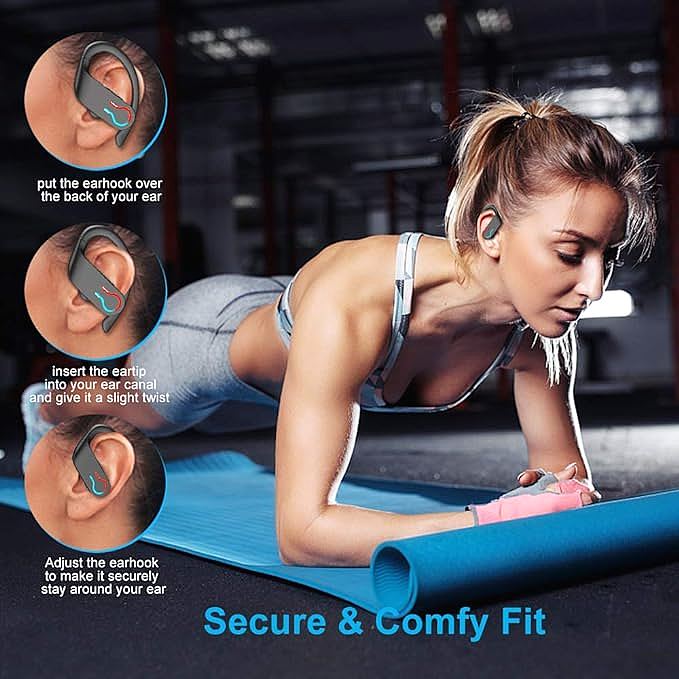
The ear-hook design of sport-oriented earbuds adds another stress point. The hook must flex to fit different ear shapes, and this flexing concentrates stress at the attachment point. Over time, repeated flexing can cause fatigue at this junction, potentially compromising the seal between the hook and the main housing.
Signs of mechanical damage include rattling sounds when shaking the earbud, indicating loose internal components. Intermittent audio, particularly when moving the cable or adjusting the fit, suggests internal connection damage. Visible cracks or deformation of the housing exterior indicate impacts that may have compromised internal seals.
Prevention focuses on minimizing impact energy. Using a protective case when earbuds aren't in use prevents the accumulation of minor drops and bumps. Ensuring a secure fit during activity prevents the earbuds from falling during exercise. When earbuds do fall, inspecting them for visible damage before returning them to the charging case can identify problems before they cause secondary damage.
The Maintenance Protocol That Extends Lifespan
Understanding failure mechanisms enables a systematic maintenance approach. The goal is interrupting each degradation pathway before it progresses to failure.
Daily maintenance should include wiping earbuds with a dry cloth after use, particularly after workouts. This removes sweat before it can drive corrosion or bacterial growth. Earbuds should be dry before placing them in the charging case, as the enclosed environment can trap moisture and accelerate degradation.
Weekly maintenance involves more thorough cleaning. Silicone tips should be removed and cleaned with warm water and mild soap, then dried completely before reattachment. Charging contacts can be gently cleaned with a dry cotton swab, with alcohol reserved for visible corrosion.
Monthly maintenance includes inspection. Check charging contacts for discoloration or pitting. Examine silicone tips for signs of degradation. Test the fit of any removable components to ensure seals remain intact. Replace tips showing any signs of wear.
Environmental management matters as much as direct maintenance. Store earbuds at room temperature, avoiding both hot cars and cold outdoor locations in winter. Keep the charging case in a dry location, not in a bathroom where humidity fluctuates dramatically. Avoid charging immediately after use, allowing internal temperatures to stabilize first.
The economics of maintenance favor prevention. A systematic maintenance routine requires minutes per week but can extend earbud lifespan by months or years. Given that most failures occur within the first year of use, and that water damage typically voids warranties, the return on maintenance investment is substantial.
Engineering Philosophy: Designing for Reality
The gap between IPX7 certification and real-world durability reflects a fundamental tension in product design. Standards must be reproducible, testable, and economically viable. Understanding these mechanisms shifts earbud maintenance from the realm of guesswork into a systematic discipline grounded in electrochemical principles, materials science, and thermal dynamics. A standard that attempted to validate every possible use scenario would be prohibitively expensive to implement.
The IPX7 test represents a reasonable compromise. It validates that a device meets a specific water resistance threshold at manufacture. It doesn't guarantee indefinite protection, doesn't address all environmental factors, and doesn't account for user behavior. This isn't a flaw in the standard, it's a necessary limitation.
Consumers who understand these limitations can make informed decisions. IPX7 earbuds are well-suited for workouts, rain exposure, and accidental drops into water. They're not designed for swimming, showering, or exposure to soapy or salty water. The rating provides meaningful protection for the majority of use cases, but it's not a universal guarantee.
The five hidden killers, charging contact corrosion, bacterial degradation of silicone, thermal stress, nano-coating breakdown, and mechanical trauma, share a common characteristic. They all develop gradually, through repeated exposure to conditions that seem harmless in isolation. A single workout without wiping down the earbuds causes no measurable harm. Repeated hundreds of times, it creates the conditions for failure.
This gradual nature is both the problem and the opportunity. It means that consistent, appropriate maintenance can interrupt each degradation pathway. The earbuds that fail after six months and the ones that last two years may have experienced identical manufacturing quality. The difference lies in how they were treated between uses.
Understanding the science of degradation shifts earbud ownership from passive consumption to active stewardship. The technology that enables wireless audio is sophisticated, but its vulnerabilities are predictable. Addressing those vulnerabilities systematically extends the useful life of devices that many users currently treat as disposable.
Donerton Q20 Pro Wireless Earbuds
Related Essays

The Missing Manual for Wireless Earbuds: A Power-User's Guide

Wireless Freedom: Understanding the Tech Behind Xmenha Earbuds

CXK E16 Wireless Earbuds: Your Gateway to Superior Sound and Seamless Connectivity

Back Bay Audio Tempo 30: The Science of Sound & Secure Fit in Compact Wireless Earbuds

Wilbur N09 Wireless Earbuds: Immersive Sound & Clear Calls, Explained
Why Your Earbuds Fall Out During a Run, and What Engineering Does About It

Monster Clarity 101 Plus AirLinks Review: Sound, Fit and CVC 8.0 Tested in 2026

Xiaomi Redmi Buds 4 Pro: Immersive Sound with Cutting-Edge Noise Cancellation

Where the Energy Goes: A Thermodynamic Look at Wireless Audio Battery Life
