Spec Sheet Ghosts: When Perfect Numbers Meet Broken Hardware
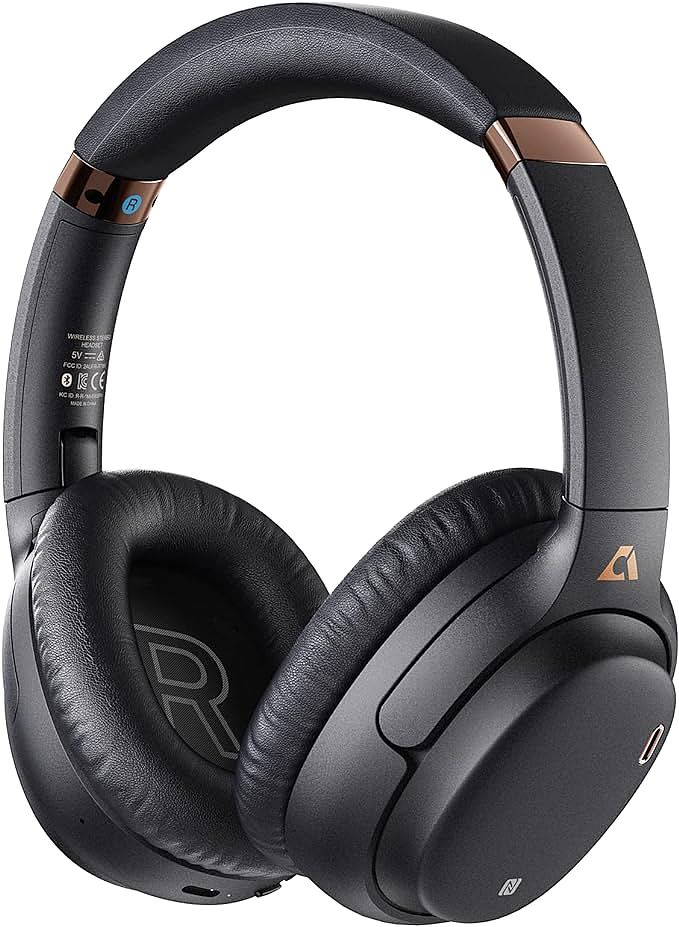
Lavales E600Pro Active Noise Cancelling Headphones
The headphones arrived with a spec sheet that read like an audiophile's wish list. aptX-HD for high-resolution wireless audio
.Hybrid active noise cancellation with dual microphones
.Eighty hours of battery life
.Bluetooth 5.2 with multipoint connection
.All for under $150.\n\nSix weeks later, the left ear cup stopped working
.The company's website had vanished
.Customer service emails bounced back
.The warranty card led nowhere.\n\nThis scenario plays out thousands of times across online marketplaces
.Products with specification sheets that rival flagship models from established brands, sold at prices that seem too good to be true
.Because they are
.The gap between headphone specifications and actual performance reveals a fundamental problem in consumer electronics: numbers on a page tell you what a product claims to do, not whether the company behind it can deliver.\n\n## The Codec Confusion\n\naptX-HD appears on specification sheets as a premium feature, promising 24-bit audio quality over Bluetooth
.The technical reality is more complicated
.Qualcomm's aptX-HD codec requires support from both the transmitting device and the receiving headphones
.Without a compatible source, the headphones fall back to standard SBC encoding, delivering the same audio quality as any basic Bluetooth device.\n\nMost smartphones do not support aptX-HD
.Apple devices use AAC exclusively
.Many Android phones support standard aptX but not the HD variant
.Research on consumer electronics shows that the specification creates an illusion of capability that remains dormant for most users
.You buy a codec you cannot use.\n\nThe codec also demands specific hardware implementation. A headphone manufacturer can license the aptX-HD name and include the required Qualcomm chip, but audio quality depends on the digital-to-analog converter, amplifier design, and driver quality working together. A five-dollar driver paired with aptX-HD certification produces five-dollar sound with a premium label attached.\n\nLow-latency variants like aptX-LL face similar constraints
.The technology reduces audio delay for gaming and video applications, but only when paired with a compatible transmitter
.Most phones and computers lack this support
.The feature exists on paper, not in practice.\n\nStudies of budget headphone performance confirm this pattern repeats across the specification sheet
.Each premium codec listing describes a potential capability, not a guaranteed experience
.The checkbox is checked
.The benefit is missing.\n\n## The Battery Life Equation\n\nEighty hours of playback sounds impressive
.The testing methodology behind that number reveals a different story.\n\nBattery life testing methodology typically measures performance under idealized conditions: 50% volume, noise cancellation disabled, standard SBC codec, continuous playback without interruptions
.Real-world usage involves higher volumes, active noise cancellation, codec switching, and the power drain of connecting and reconnecting to multiple devices.\n\nA headphone rated for 80 hours might deliver 25 to 30 hours under typical conditions
.The specification is not technically false, just practically misleading
.It represents a theoretical maximum that assumes users will accept mediocre sound quality and no noise reduction to achieve it.\n\nThe degradation pattern also matters
.Lithium-ion batteries lose capacity over time and charge cycles. A budget headphone may use lower-quality cells that degrade faster than those in premium brands
.After six months of daily use, that 80-hour specification might drop to 15 hours of actual playback
.The number on the box was accurate on the day it was printed
.It will not stay accurate for long.\n\nBattery testing conditions also vary between manufacturers
.Some test at 40% volume
.Others use 60%
.Some disable all smart features
.Others leave them running
.Without standardized testing protocols, comparing battery numbers across brands is comparing results from different experiments.\n\n## Hybrid ANC: Architecture Without Execution\n\nHybrid active noise cancellation combines feedforward and feedback microphone systems
.Feedforward microphones capture external sound before it reaches the ear, allowing the system to generate anti-noise proactively
.Feedback microphones monitor what reaches the ear canal, correcting for any remaining noise that slipped through.\n\nThe architecture sounds better than single-microphone systems
.Implementation determines effectiveness
.Hybrid ANC requires precise microphone placement, accurate acoustic chamber design, and sophisticated digital signal processing that adapts to changing sound environments
.Budget manufacturers can include the required microphones without investing in the engineering needed to make them work together.\n\nThe result is noise cancellation that reduces some frequencies while amplifying others
.Users report a pressure sensation inside the ear cups, wind noise during movement, or a persistent static hiss in quiet environments
.The specification says hybrid ANC
.The experience says barely functional noise reduction.\n\nCavity design plays a critical role that specification sheets ignore
.The acoustic chamber around each driver affects how sound waves propagate and how effectively anti-noise can cancel them. A poorly designed housing can render even sophisticated ANC algorithms ineffective
.The shape of the ear cup, the density of the padding, the seal against the head, all contribute to noise cancellation performance
.None of these factors appear on specification sheets.\n\nThe distinction between feedforward and feedback architectures also matters more than the hybrid label suggests
.Feedforward systems excel at canceling consistent, predictable noise like airplane engines
.Feedback systems handle sudden changes better. A poorly tuned hybrid can combine the weaknesses of both approaches rather than their strengths, creating artifacts that neither architecture produces alone.\n\n## The Multipoint Myth\n\nBluetooth 5.2 with multipoint connection suggests smooth switching between devices
.The reality involves connection drops, audio desynchronization, and manual reconnection rituals.\n\nMultipoint Bluetooth allows a headphone to maintain simultaneous connections to two devices
.It does not guarantee smooth transitions between them
.When a call comes in on your phone while you are watching video on a laptop, the switch can take several seconds, during which audio plays from both devices or neither.\n\nBudget implementations often lack the sophisticated handoff protocols found in premium brands
.The connection may drop entirely when switching, requiring manual reconnection through Bluetooth settings
.Some users report that multipoint functionality works initially but degrades after firmware updates or with certain device combinations.\n\nThe Bluetooth version number also creates confusion
.Bluetooth 5.2 offers improved power efficiency and connection stability compared to earlier versions, but only when both devices support the standard
.Connecting to an older phone or laptop means falling back to the capabilities of the older device
.The specification describes the headphone's maximum capability, not what users will experience with their existing equipment.\n\nMultipoint also introduces a security consideration rarely mentioned in specifications
.Maintaining two simultaneous connections means two potential attack surfaces
.Budget headphones with minimal firmware investment may lack the security patches that protect against Bluetooth vulnerabilities.\n\n## The Brand Disappearance Problem\n\nSpecification sheets cannot quantify warranty support, firmware updates, or spare parts availability
.These factors determine whether a product remains usable after the initial purchase period.\n\nBudget brands often operate on thin margins with minimal infrastructure
.When sales decline or the company pivots to a new product category, support disappears
.Websites go offline
.Customer service contacts become invalid
.Warranty claims have nowhere to go.\n\nLavales E600Pro exemplifies this pattern
.Products remain available through third-party sellers while the original company has effectively dissolved
.Users experiencing hardware failures find no recourse
.The specification sheet promised premium features
.The market reality delivered orphaned hardware.\n\nEstablished brands maintain support infrastructure even for discontinued products
.Sony, Bose, and Sennheiser continue providing firmware updates and repair services for years after a model's retail availability ends
.This ongoing support has no specification number, but it determines the product's usable lifespan.\n\nFirmware updates matter more than most consumers realize
.Bluetooth compatibility issues, noise cancellation tuning, and connection stability all improve through software. A headphone that receives regular firmware updates can perform better over time
.One that never gets updated performs only as well as it did on launch day, bugs and all.\n\n## Reading Between the Specifications\n\nConsumers can apply several checks to evaluate whether specification numbers reflect likely performance.\n\nCodec support requires verification of source device compatibility
.Before purchasing aptX-HD headphones, check whether your phone or music player supports the codec
.Without matching support on both ends, the premium feature provides no benefit.\n\nBattery life specifications need adjustment for real-world conditions
.Divide the claimed number by three to estimate actual performance with noise cancellation active and moderate volume
.This rough calculation provides a more realistic expectation.\n\nHybrid ANC claims warrant skepticism for budget products
.Look for reviews that specifically test noise cancellation across different frequencies, not just overall impressions
.The presence of dual microphones does not guarantee effective implementation.\n\nMultipoint functionality benefits from user feedback research
.Search for reports of connection stability and switching behavior from actual owners rather than relying on the specification alone
.Specification sheets never mention the frustration of constant reconnection.\n\nBrand longevity assessment requires checking the company's history
.How long has the brand existed? Do they have a track record of firmware updates? Are replacement parts available? A brand that appeared six months ago and offers no support channels beyond an email address presents higher risk than one with established service infrastructure.\n\nUser reviews require careful interpretation
.Five-star ratings often arrive immediately after purchase, before long-term issues emerge
.One-star reviews tend to cluster around specific failure modes
.Look for patterns in negative feedback: repeated mentions of hardware failure, connection problems, or support unresponsiveness indicate systematic issues rather than individual defects.\n\n## The Seven-Day Stress Test\n\nThe return window provides an opportunity to verify specifications against reality
.Use the first week intensively
.Test every claimed feature under realistic conditions.\n\nConnect to all your devices
.Switch between them repeatedly
.Enable noise cancellation in different environments: a busy street, an airplane cabin, a quiet office
.Listen at your normal volume, not the 50% used in battery tests
.Note the actual battery performance
.Try the codecs your devices support, and verify which ones activate
.If the product fails to meet expectations, return it before the window closes.\n\nThis approach shifts evaluation from specification comparison to empirical testing
.The numbers on the page matter less than the experience in your hands during those first seven days.\n\n## Numbers Without Context\n\nThe fundamental problem with specification-driven purchasing is that numbers provide no context
.Eighty hours of battery life tells you nothing about the testing conditions. aptX-HD support tells you nothing about driver quality
.Hybrid ANC tells you nothing about acoustic engineering
.Multipoint Bluetooth tells you nothing about connection stability.\n\nPremium brands invest in the engineering that makes specifications meaningful
.Budget brands can print the same numbers without the underlying implementation
.The specification sheet becomes a marketing document rather than a technical guarantee.\n\nThe solution is not to ignore specifications but to understand their limitations
.Every number represents a best-case scenario under controlled conditions
.Real-world performance depends on factors that specification sheets cannot capture: build quality, component selection, engineering competence, and support infrastructure.\n\nA specification sheet is a promise
.The brand support infrastructure determines whether that promise is kept.
Lavales E600Pro Active Noise Cancelling Headphones
Related Essays

Hypertech X EP1 Bluetooth Headphones: The Must-Have Active Noise Cancelling Neckband for Fitness Freaks

Wired Over-Ear Headphone Acoustics: Driver, Enclosure, and Cable Explained

Sayrelances B10: The Science of Bone Conduction Audio

How Budget Earbuds Deliver Sound and Survive the Elements

Xmenha Purple Kids Bluetooth Headphones Wired with Microphone for School

TBIIEXFL Headphones – Recommended for Sports and Workouts

Erjigo KZ AS16 Pro - Recommended HiFi Music Earbuds

Erjigo KZ Zax in-Ear Monitors – Recommended for HiFi Stereo Sound

Omnitech Sport MP3 Headset 2GB – Wireless Freedom for Sports and Exercise
