Why Cheap Earbuds Cost More: The Durability Math Nobody Does

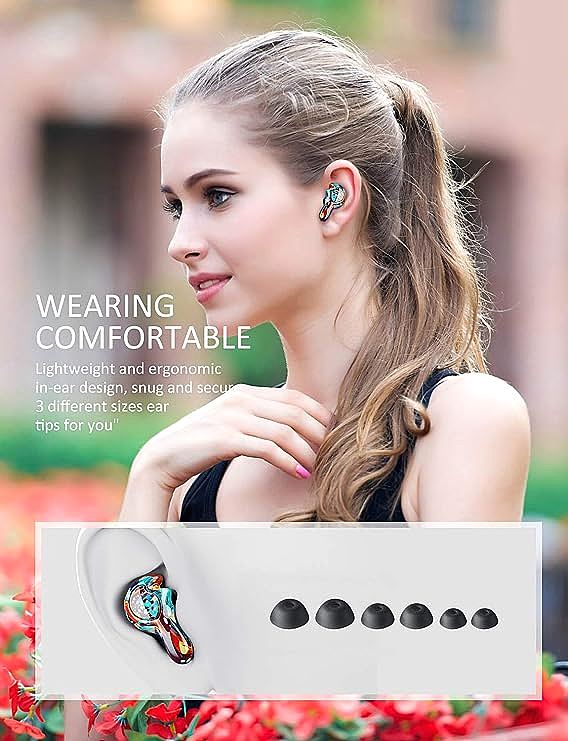
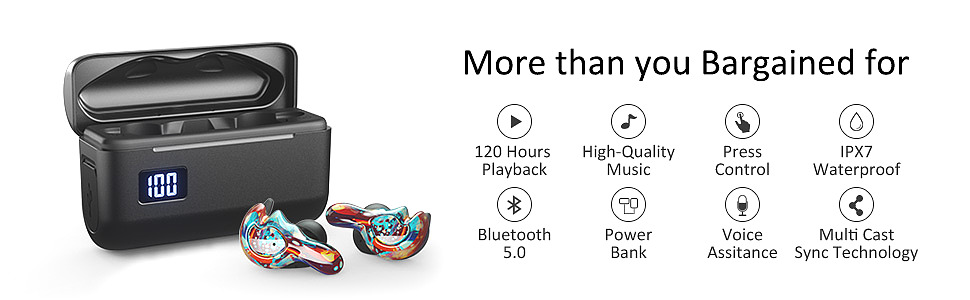
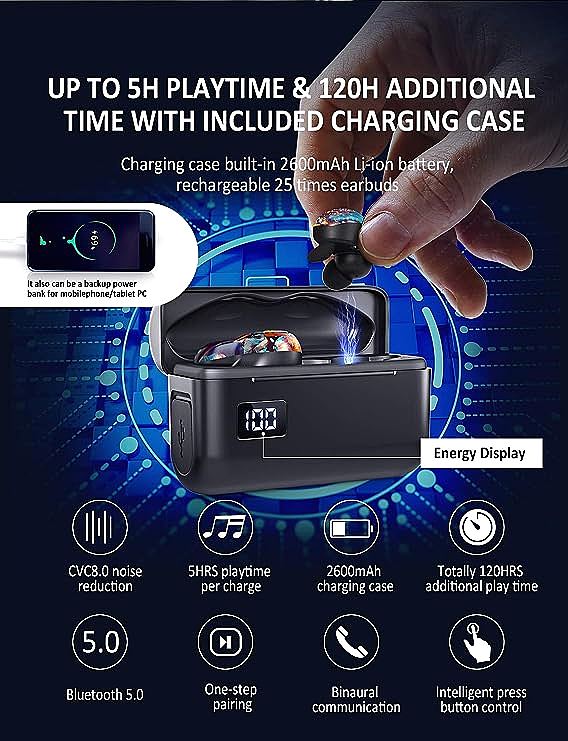
AMINY U-King True Wireless Earbuds
You know the problem. Your earbuds crackle, the battery dies after 45 minutes, or one side just stops working. So you click "buy again" on another $20 pair. Six months later, same story. The frustration is real. Over five years, that habit costs more than buying a durable pair once - but almost nobody runs the math.
This article does that math, explains why earbuds fail in the first place, and shows what a real durability test looks like when a user accidentally drops one in a toilet and it survives for another year and a half.
The 5-Year Cost Nobody Calculates
Most earbud comparisons stop at the sticker price. A $35 pair versus a $20 pair looks like a $15 difference. But that framing ignores the most expensive variable: how often you replace them.
Here is a 5-year total cost of ownership model based on industry-average replacement rates for each price tier:
| Earbud Type | Initial Cost | Replacement Frequency | 5-Year Total | Annual Cost |
|---|---|---|---|---|
| Budget ($20) | $20 | Every 6 months | $120+ | $24+ |
| Mid-range ($80) | $80 | Every 2 years | $120-160 | $24-32 |
| Premium ($220) | $220 | Every 4 years | $275+ | $55+ |
| Durable budget ($35) | $35 | Every 2-3 years | $70-105 | $14-35 |
The budget pair at $20 looks cheapest until you account for replacing it ten times. A $20 pair replaced every six months over five years means ten purchases, ten shipping waits, ten rounds of troubleshooting connection issues, and ten accumulating dead batteries in your drawer - a hidden cost that makes the "cheap" price tag significantly more expensive than it initially appears. The durable budget option at $35 - when it actually lasts two to three years - delivers the lowest annual cost of any tier, including the premium one.
There are hidden costs beyond the price tag, too. Time spent researching replacements, waiting for deliveries, and dealing with returns. The frustration of dead earbuds mid-workout. The growing pile of broken electronics you do not quite know how to recycle.
Why Earbuds Fail: Three Technical Factors
Understanding why earbuds break helps explain why some last years and others last months. Three mechanisms drive most failures.
Battery Cycle Life
Lithium-ion batteries in wireless earbuds degrade with every charge cycle. A cycle means draining from 100% to 0% and recharging back to full. Most lithium-ion cells retain 80% of their original capacity after roughly 500 full cycles.
That sounds like a lot, but daily charging adds up fast.If you are the type who forgets to charge your earbuds until the low-battery warning chirps at you during your morning commute, you might be cycling through a full charge every single day without realizing it - which means you could hit that 500-cycle threshold in under two years, even if the earbuds feel like they are working fine on the surface. If you drain and recharge your earbuds once per day, you hit 500 cycles in about 18 months. After that, battery life drops noticeably - from 5 hours per charge down to 3 or 4. Shallow charging, keeping the battery between 20% and 80%, can extend this lifespan significantly. So can avoiding heat, which accelerates chemical degradation inside the cell.
Waterproofing Degradation
An IPX7 rating means a device can survive submersion in one meter of still water for 30 minutes. That rating comes from lab conditions. Real life is messier.
Sweat contains salt, which corrodes seals over time. Hot water from a shower can soften the adhesives holding waterproof membranes in place. Drops and impacts can deform the physical seals that keep water out. And the nano-coatings applied to internal circuitry - hydrophobic layers that cause water to bead and roll off - are not permanent. They wear thin with repeated exposure.
This is why an earbud that survives a rainstorm in month one might fail from the same exposure in month eighteen. The waterproofing has degraded, even though nothing visibly changed on the outside.
Material Fatigue
The physical components wear down, too. Silicone ear hooks lose flexibility after thousands of bends. Charging contacts with gold plating wear thin from repeated insertion and removal. The Gore-Tex membranes that let air pass through while blocking water can clog with earwax, skin oils, and debris.
None of these failures are dramatic. They happen gradually, which is why users often cannot pinpoint when their earbuds "went bad." They just notice shorter battery life, spottier connections, or a loose fit that was not there before.
A Two-Year Test: One User, One Toilet Drop
Technical explanations are useful, but nothing beats real-world evidence. A verified Amazon purchaser named Sully documented nearly two years of daily use with the AMINY U-King earbuds, starting in July 2021.
His usage pattern was demanding. He listened to podcasts starting at 7am, used the earbuds on standby during teaching hours from 8am to 3pm, then listened for another one to four hours after work. Weekends meant continuous listening for six or more hours. He primarily used a single earbud at a time, switching when the battery ran low.
Then came the incident. In the fall of 2021, he dropped an earbud in the toilet. He fished it out immediately, dried it off, and set it on a heating register for a day. He expected it to die. It did not. That earbud continued working until he eventually lost it - not from failure, but from misplacement - sometime in 2023.
In his own words: "I was in the habit of replacing Bluetooth earbuds every 3-6 months because they wear out or go bad for one reason or another." The AMINY U-King pair broke that replacement cycle entirely.
He also compared them to more expensive options: "I've never been impressed with AirPods and I've handled a student's Raycons. The Raycons were surprisingly light, but he and I couldn't find a difference in basic performance."
This is one user, not a statistical sample. But it is a data point that aligns with what the technical analysis predicts: when you combine IPX7 waterproofing, physical buttons instead of touch controls, and a charging case that doubles as a power bank (reducing the need to carry a separate device), you get a product positioned for longevity rather than novelty.
The E-Waste Angle No One Talks About
Wireless earbuds are among the hardest consumer electronics to recycle. The batteries are sealed inside. The plastics are mixed with metals and adhesives. There is no standardized disassembly process. Most recycling facilities cannot process them at all.
When budget earbuds last six months and cost $20, the economic incentive to recycle them is zero. They end up in household trash. Over five years, a consumer cycling through cheap pairs generates five to ten units of e-waste. A durable pair that lasts two to three years generates one or two.
The environmental math is straightforward even if the exact numbers vary. Fewer replacements means less manufacturing, less shipping, less packaging, and less waste headed to landfills. Durability is not just a personal finance decision. It is an environmental one.
How to Spot Earbuds That Will Actually Last
Not all earbuds marketed as "durable" actually are. Here are concrete indicators that separate products built for longevity from those that just claim it.
What to Look For
- IPX7 or higher waterproof rating - not just "sweat-resistant" language with no certification behind it. IPX7 means independent lab testing confirmed submersion survival.
- Over-ear hooks - these keep the earbud secured during movement, reducing the chance of drops and impacts that damage internal components.
- Physical buttons - touch controls can malfunction when moisture or sweat interferes with the capacitive sensor. Physical buttons still work wet.
- Charging case with percentage indicator - knowing the exact charge level prevents both over-discharge (which kills batteries) and unnecessary charging (which wastes cycles). Four-LED indicators showing 25% increments are less helpful.
- USB-A output on the case - when the case doubles as a power bank, it extends the product's useful life beyond just earbud charging. Even if the earbuds eventually fail, the case remains useful.
Red Flags
- No IP rating specified, only vague "water-resistant" language
- Touch controls with no mention of moisture protection
- Proprietary charging cables instead of USB-C
- No battery indicator on the case
- Reviews mentioning connection drops after a few months
The Value Calculation
Before buying, run this simple formula: Price divided by expected lifespan in years equals annual cost. Compare annual costs, not sticker prices. A $35 pair lasting 2.5 years costs $14 per year. A $20 pair lasting 8 months costs $30 per year. The cheaper product costs more than twice as much annually.
The Real Price Tag
The earbud market is flooded with cheap options designed to be replaced, not to last. The sticker price is a trap if you do not factor in replacement frequency. Running the 5-year cost calculation, understanding the technical reasons earbuds fail, and looking for specific durability indicators - not marketing language - will save you money and reduce e-waste at the same time.
Durability is not a premium feature. It is the most cost-effective feature. The math proves it.
AMINY U-King True Wireless Earbuds
Related Essays

Where the Energy Goes: A Thermodynamic Look at Wireless Audio Battery Life

HITY A4 Wireless Earbuds Bluetooth 5.3 Headphones Touch Control – Top Choice for Music Enthusiasts

Running Farther with Less Charging: A Deep Dive into Budget Sports Earbuds

Battery Anxiety and Wireless Earbuds: How mAh Capacity and Bluetooth 5.3 Extend Playtime

Why Your Wireless Earbuds Keep Dying at 4PM: The Battery Physics TWS Cannot Solve

Wireless Earbuds Battery Life: What Those Big Numbers Actually Deliver

How Do Earbuds Get 91 Hours of Battery? Deconstructing the Tech Behind All-Day Power

OGNILLE CS121 Wireless Earbuds: Powerful Audio Experience with Marathon Battery Life

SOFYNEEA X10 Wireless Earbuds: The Wireless Earbuds That Keep the Party Going
