The Physics of Endurance: Unpacking Hybrid Acoustics and 120-Hour Energy in Audio
Update on Nov. 23, 2025, 8:02 p.m.
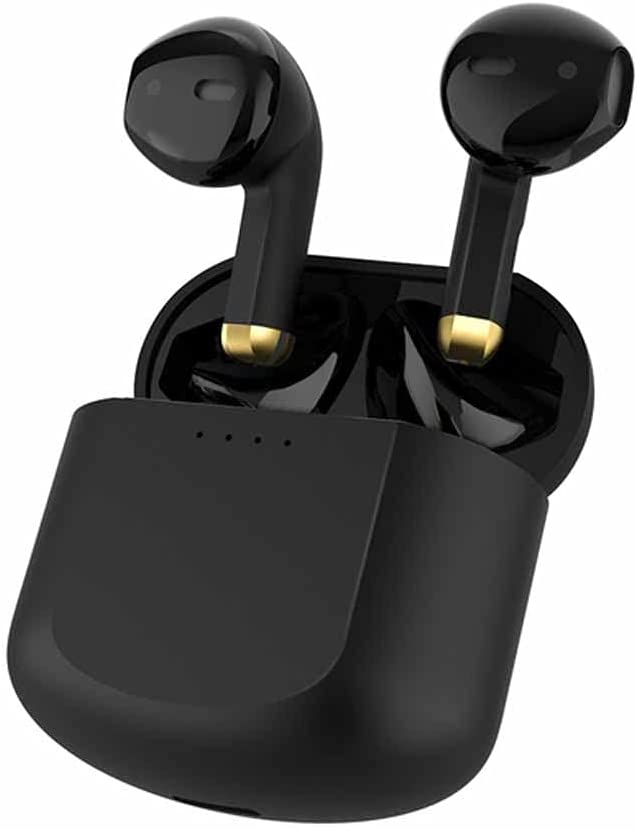
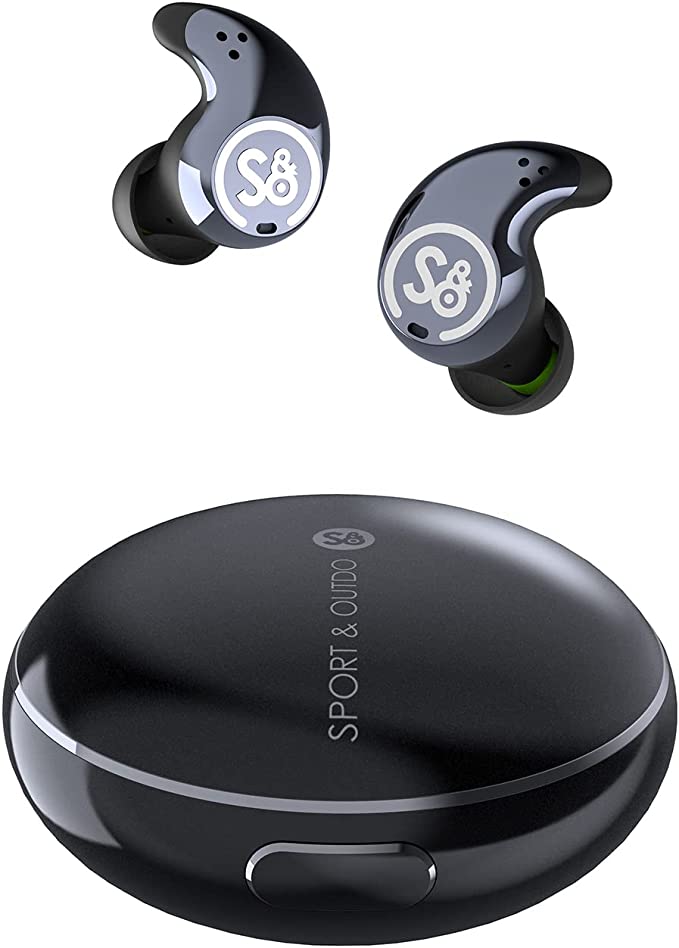
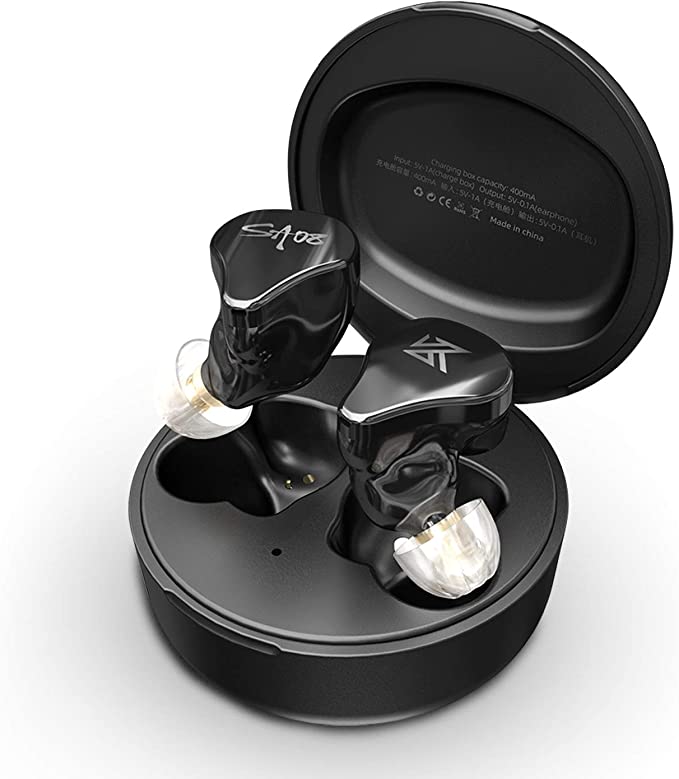
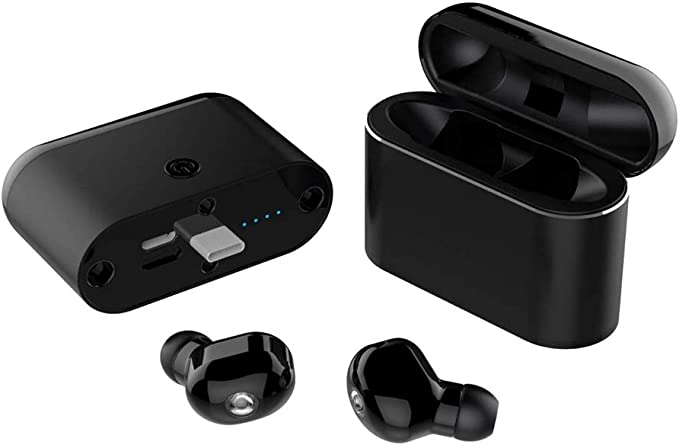
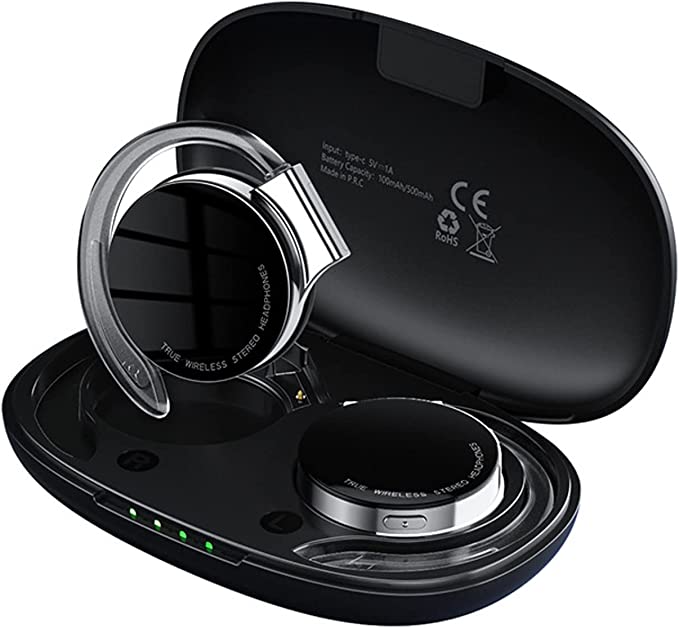
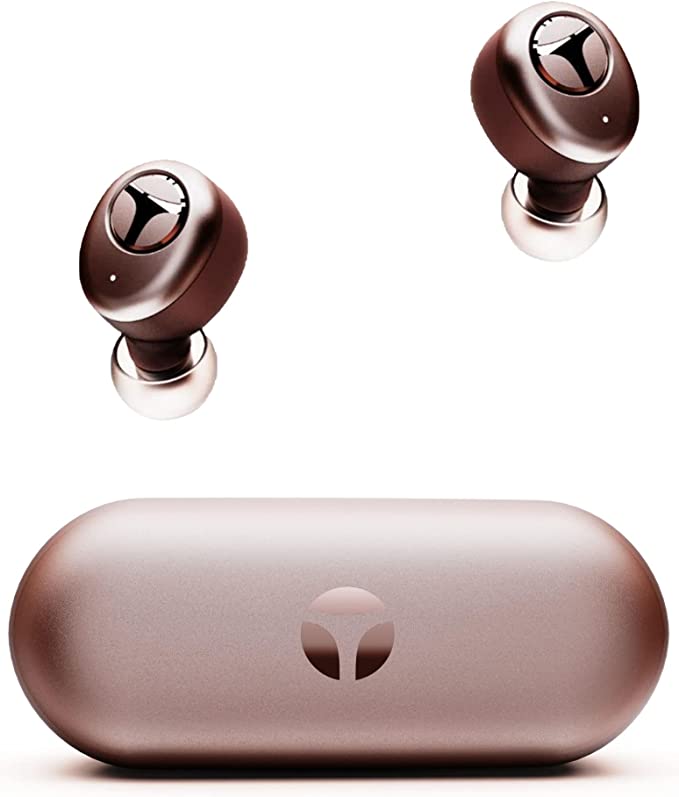
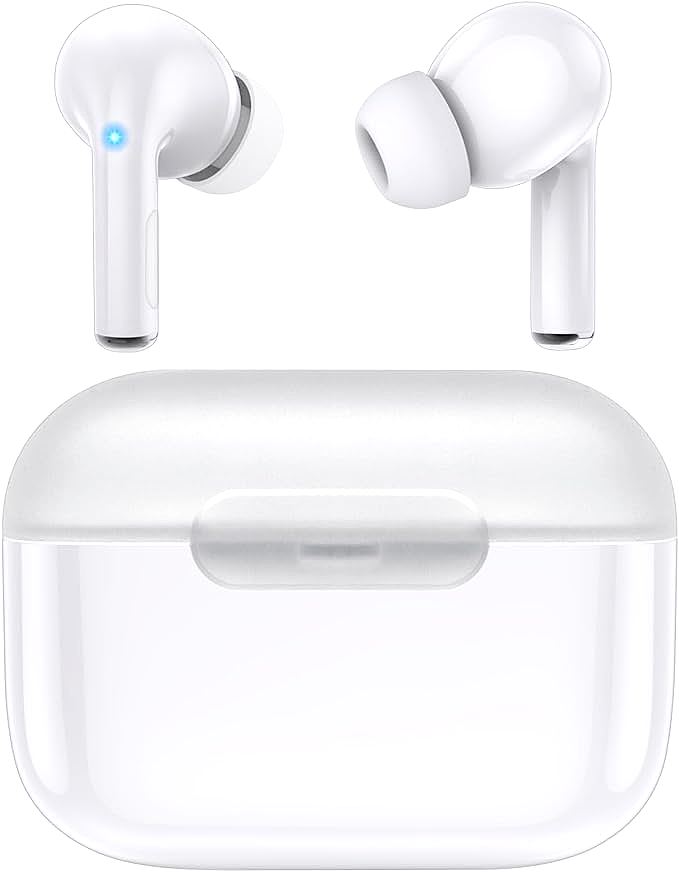
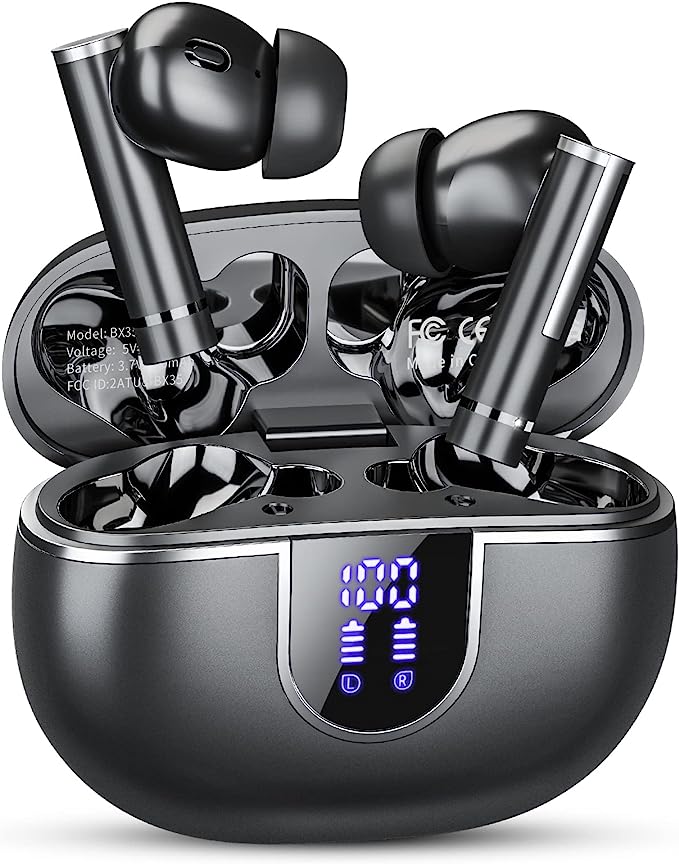
In the race for minimalism, the audio industry has largely converged on the “True Wireless” (TWS) form factor. While convenient, this design philosophy hits a hard wall of physics: tiny batteries die quickly, and single drivers often struggle to reproduce the full frequency spectrum. For the pragmatist—the long-haul traveler, the deep-work professional, or the audiobook marathoner—the solution usually isn’t smaller; it’s smarter engineering.
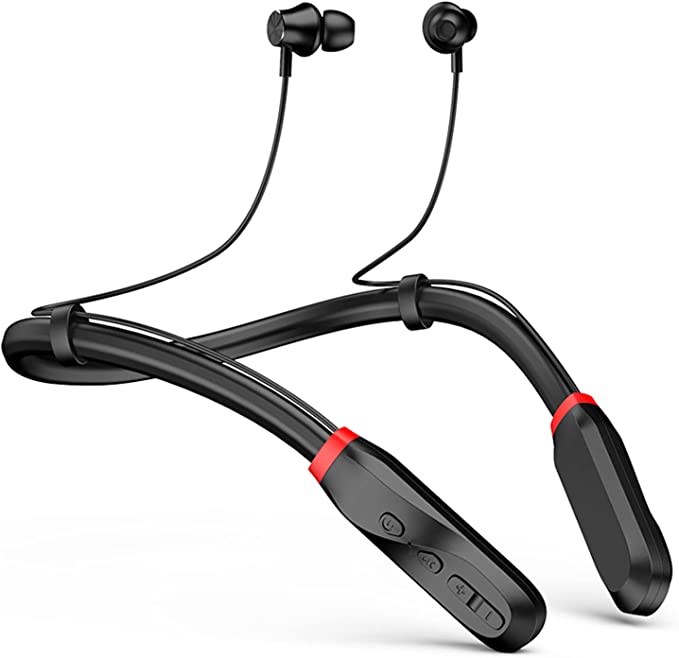
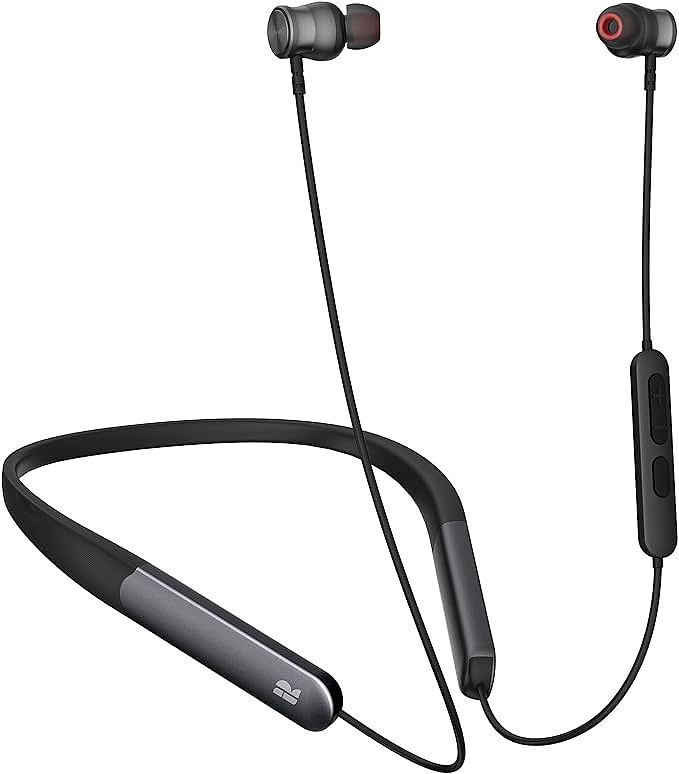
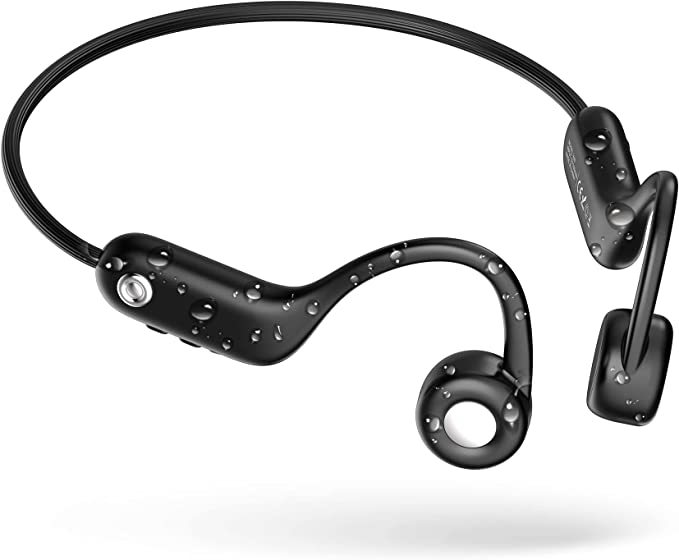
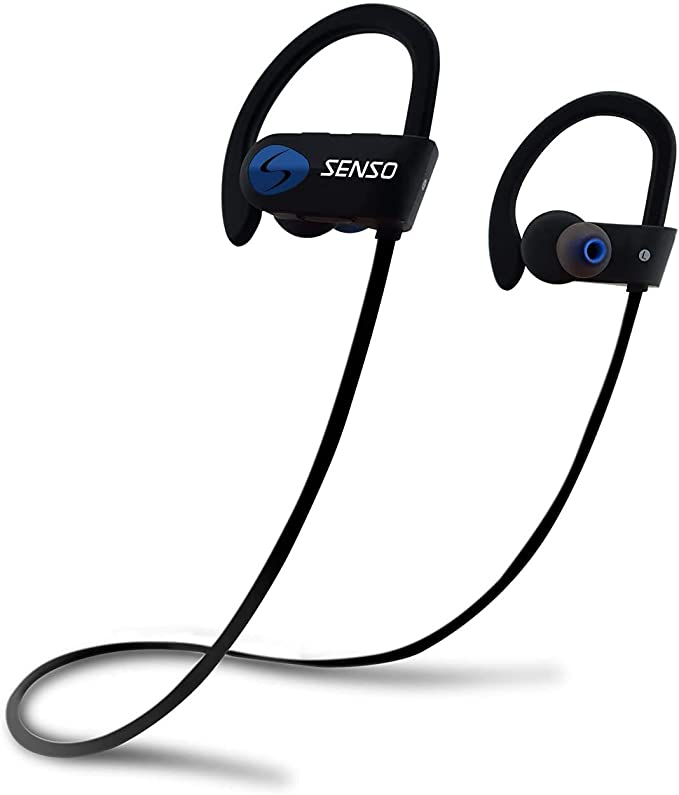
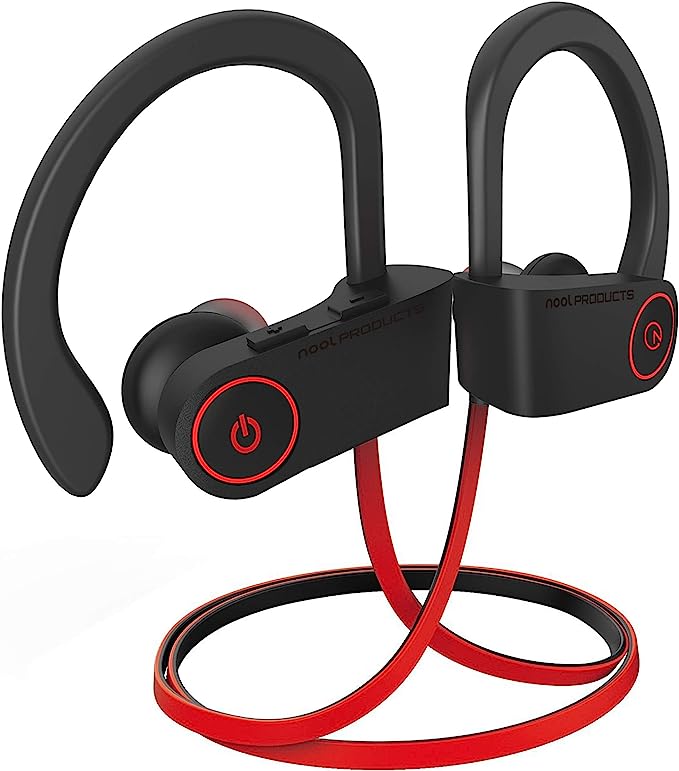
The Muitune i35-JPO represents a divergent evolutionary path. By embracing the neckband architecture, it prioritizes energy density and acoustic complexity over invisibility. It serves as a fascinating case study in how two specific technologies—Hybrid Drivers and High-Capacity Lithium Polymer cells—can deliver a performance profile that TWS simply cannot physically match.
The Energy Density Advantage: The Physics of 120 Hours
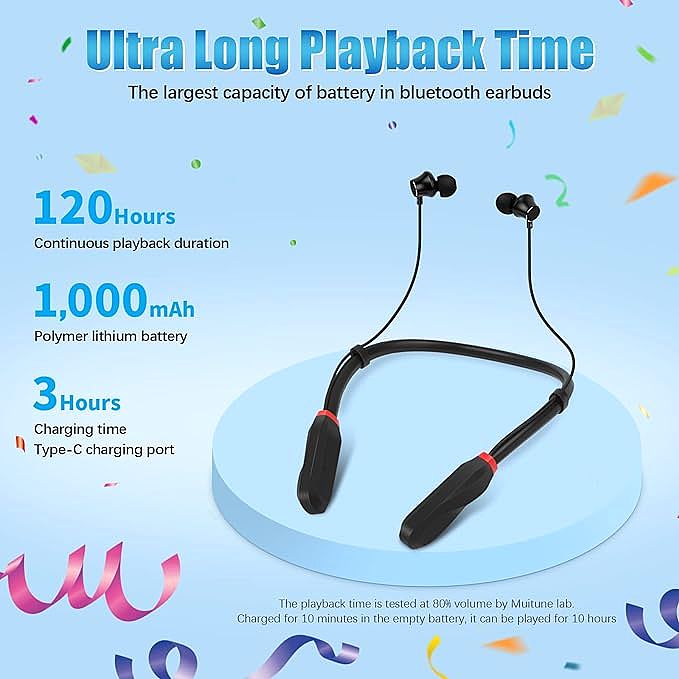
Battery life is a function of available volume. A typical TWS earbud houses a battery between 35mAh and 50mAh, capping realistic playtime at 5-8 hours. To go beyond this, you must change the vessel.
The neckband design of the i35-JPO unlocks “dead space” around the collar, allowing for the integration of a massive 1,000mAh Lithium Polymer battery. To put this in perspective, that is roughly 20 times the capacity of a standard AirPod.
This is not just about “listening longer”; it is about fundamental lifestyle shifts. * The “Always-On” Utility: With 120 hours of playtime (at 80% volume), the device transitions from a gadget you charge daily to a utility you charge monthly. * Cognitive Load Reduction: For users relying on white noise for focus or managing conditions like misophonia (as noted by users finding relief with this device), the anxiety of a dying battery can break the flow state. A 1000mAh reservoir effectively removes this variable.
Furthermore, the integration of USB-C Fast Charging (10 hours of play from a 10-minute charge) ensures that this massive tank can be topped off rapidly, aligning with modern “quick-turnaround” workflows.
Acoustic Architecture: Decoding the “Hybrid Driver”
Most budget headphones rely on a single Dynamic Driver (DD) to handle everything from deep bass to high treble. This is like asking a sprinter to run a marathon; they can do it, but they won’t do it efficiently.
The i35-JPO utilizes a Hybrid Driver System, a configuration typically reserved for high-end In-Ear Monitors (IEMs). This system splits the audio workload between two specialized components:
-
The Dynamic Driver (10mm Neodymium):
- Role: The “Woofer”.
- Physics: Large surface area moves significant air volumes.
- Result: Handles the low frequencies (Bass) and sub-bass rumble, providing the visceral impact in music or the depth in cinematic scores.
-
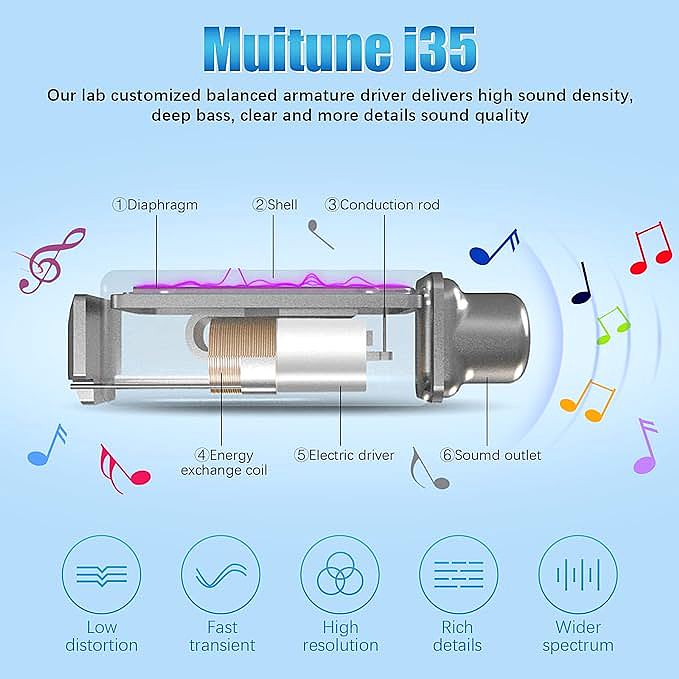
The Balanced Armature (BA) Driver:
- Role: The “Tweeter”.
- Physics: A tiny reed suspended in a magnetic field vibrates with incredible speed and minimal mass.
- Result: Handles high frequencies (Treble) and upper-mids. This is where the “detail” lives—the breath of a vocalist, the shimmer of a cymbal, or the crispness of speech in a podcast.
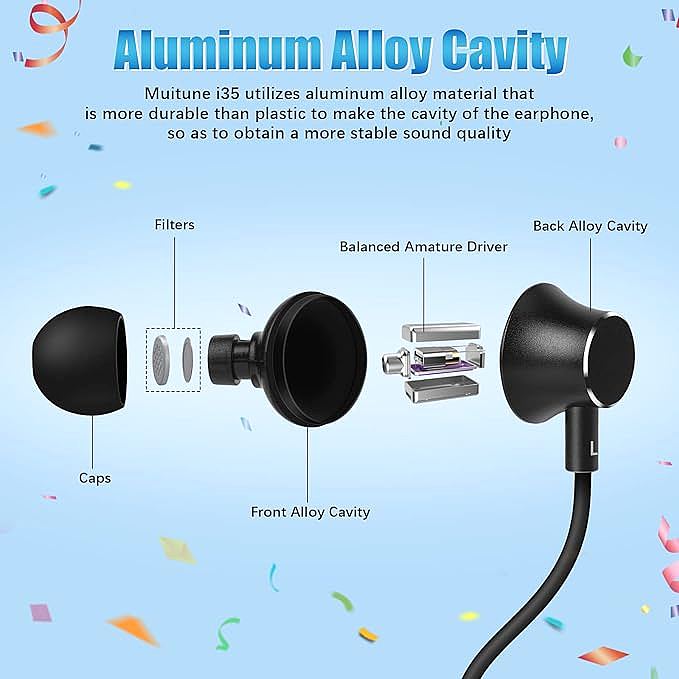
By housing these in an Aluminum Alloy Cavity, the system minimizes internal resonance (plastic vibration), ensuring that the separation between the deep lows of the Dynamic Driver and the crisp highs of the Balanced Armature remains distinct. This “separation” is what audiophiles refer to as clarity.
The Digital Nervous System: Bluetooth 5.3 & Multipoint
Raw power and good sound need a reliable pipeline. The adoption of Bluetooth 5.3 chipset is critical here, not just for connection stability, but for power efficiency. Bluetooth 5.3 optimizes the “handshake” intervals between devices, reducing the energy tax of staying connected.
Moreover, the inclusion of Multipoint Connection transforms the i35-JPO from a simple accessory into a productivity tool. The ability to maintain active links with both a laptop and a smartphone simultaneously allows for seamless task switching—listening to a webinar on a PC while instantly taking a call on mobile—without the friction of unpairing and repairing.
Ergonomics and Passive Isolation: The Physical Interface
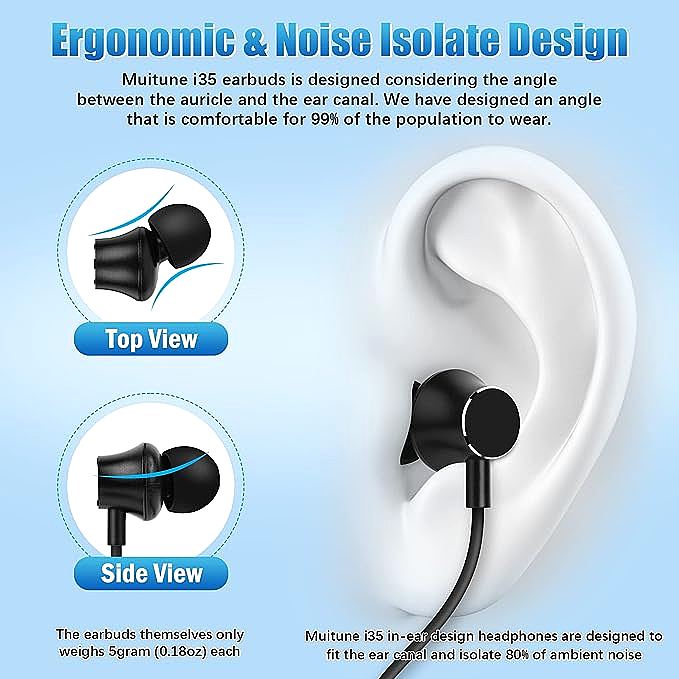
Comfort is the limiting factor for any endurance device. A 120-hour battery is useless if the headset hurts after 2 hours.
The i35-JPO addresses this via: * Weight Distribution: By shifting the battery and electronics to the neckband, the actual earbuds weigh less than 2 grams. This reduces ear canal fatigue significantly compared to heavy TWS buds that hold their own batteries. * Passive Noise Isolation: The IPX5-rated seal does not rely on power-hungry Active Noise Cancellation (ANC). Instead, it uses the physics of a proper silicone seal to physically block ambient noise. For travelers or office workers, this provides a “quiet room” effect without the digital hiss or battery drain of ANC.

Conclusion: The Case for Specialist Engineering
In a market obsessed with generic versatility, the Muitune i35-JPO stands out as a specialist tool. It is engineered for duration and fidelity.
It is likely not the right choice for the casual user who needs pocketsize minimalism. However, for the user who prioritizes the utility of weeks-long battery life and the nuance of Hybrid Driver acoustics, it offers a compelling argument: sometimes, the best way to move forward is to look at the physics, ignore the trends, and build what actually works.