Neckband Earbuds: How Noise Cancellation Actually Works
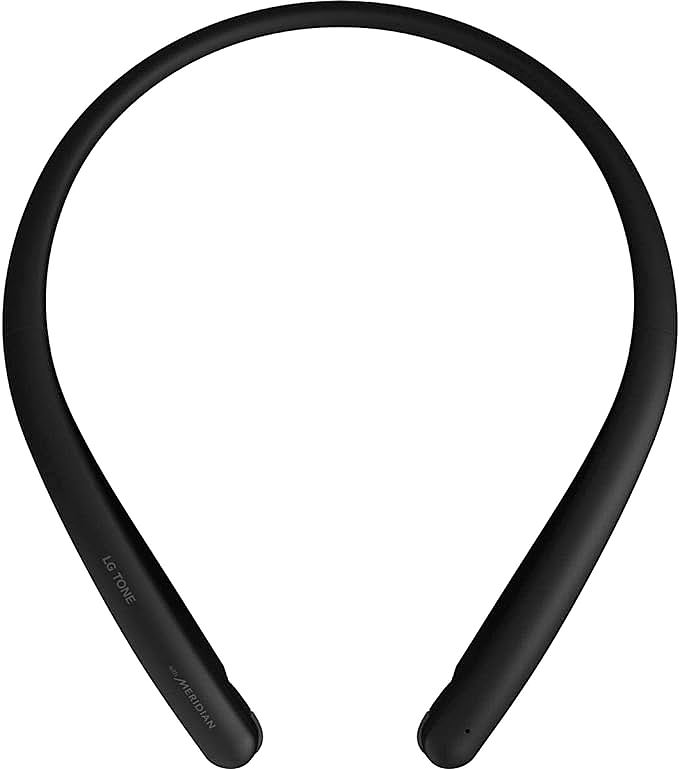
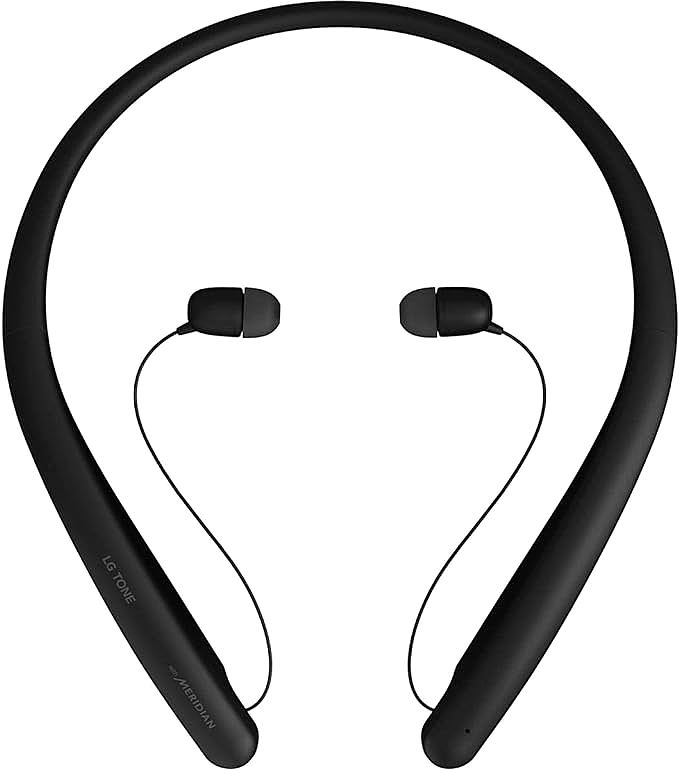
LG Tone Style HBS-SL5 Wireless Neckband Earbuds
A journey into the "cocktail party effect," the physics of anti-noise, and the digital algorithms that help us find clarity in the cacophony-all seen through the lens of a humble pair of headphones.
Picture the scene. You're at a party, a wedding, or a bustling cafe. The air is a thick soup of sound: clinking glasses, a dozen overlapping conversations, music pulsing from a speaker in the corner. It's auditory chaos. Yet, somehow, you can lean in and focus on a single voice across the table, plucking your friend's quiet story out of the surrounding pandemonium as if it were the only sound in the room.
This isn't magic. It's a superpower you didn't know you had, a neurological marvel known as the "cocktail party effect." First described by cognitive scientist Colin Cherry in the 1950s, this phenomenon reveals a profound truth about hearing: we don't just passively receive sound; our brain actively filters reality. It's an organic, real-time signal processor of almost unbelievable sophistication, constantly analyzing, prioritizing, and discarding auditory information to create a coherent world for us.
For decades, this ability was the exclusive domain of biology. But now, the technology in our pockets and around our necks is learning to imitate it. The quest to build a machine that can truly listen-not just hear-has led engineers down a fascinating path, combining fundamental physics, complex algorithms, and material science. The journey to find clarity in the noise is no longer just happening inside our heads. It's happening inside our headphones.
The Organic Algorithm: Your Brain's Native Noise Filter
Before any piece of technology can attempt to solve a problem, its engineers must first understand the original, biological solution. In this case, it's the brain's auditory cortex.
Your ear is a microphone, but your brain is the mixing desk, the editing suite, and the live broadcast director all rolled into one. When sound waves enter your ears, they are just raw data-a jumble of frequencies and amplitudes. It's your brain that performs what scientists call "auditory scene analysis." It rapidly sorts the incoming data based on cues like pitch, timbre, timing, and the location a sound is coming from. It identifies one stream of sound as "background music," another as "clattering cutlery," and a third, crucial stream as "the voice of the person I was talking to."
This isn't simple volume control. It's an act of cognitive creation. Your brain builds a 3D map of the soundscape and grants a VIP pass to the sound stream you choose to focus on. Everything else is relegated to the background. This selective attention is the core of the cocktail party effect, and for a long time, it made our biological hardware far superior to any man-made recording device. A simple microphone, after all, records everything indiscriminately. It can't decide that one voice is more important than another. To replicate this, engineers had to stop thinking about just capturing sound and start thinking about how to dismantle it.
The Physicist's Gambit: Fighting Noise with Its Opposite
If the brain's approach is a sophisticated software solution, the first technological attempts were brute-force hardware hacks. The most elegant of these is based on a beautifully simple principle of physics: destructive interference.
Sound travels in waves, with peaks and troughs. The principle of destructive interference states that if you can create a second sound wave that is the mirror image of the first-with a peak wherever the original has a trough, and a trough wherever it has a peak-the two waves will meet and cancel each other out. The result is silence. You are essentially fighting fire with fire, using sound to erase sound.
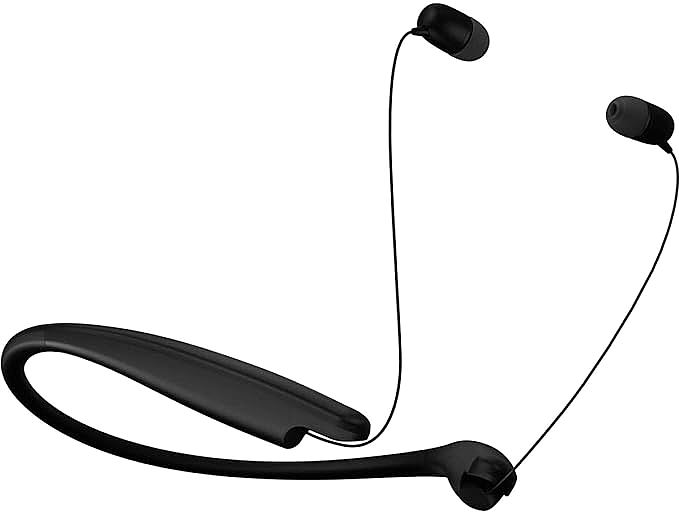
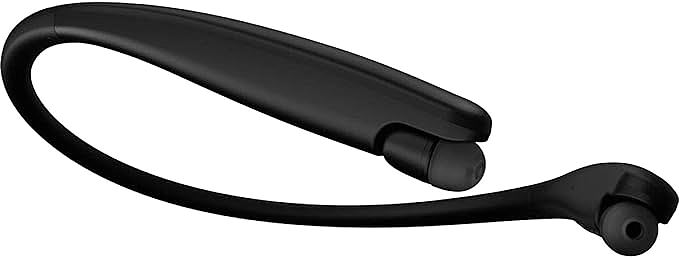
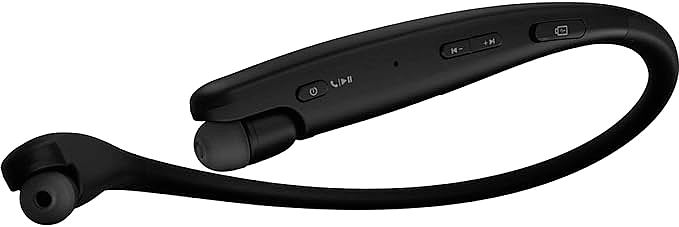
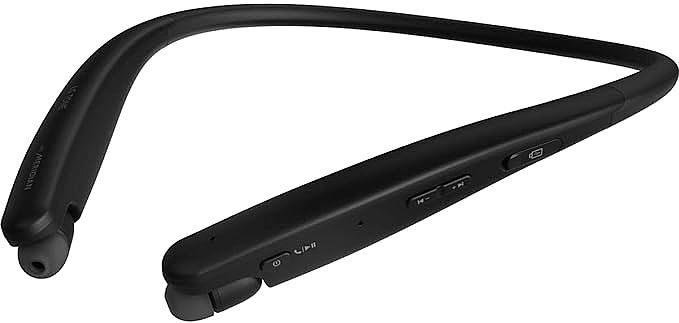
This is the foundational idea behind the noise cancellation we experience in modern life, especially in our phone calls. Consider a device like the Tone Style neckband earbuds. It employs a dual-microphone system, which is a miniaturized, real-world application of this very principle.
One microphone (the primary) is positioned to capture your voice, but it inevitably also captures the ambient noise around you-the wind, the traffic, the cafe chatter. A second microphone (the secondary) is placed a short distance away, where it primarily picks up that same ambient noise, but less of your voice.
Here's where the cleverness lies. The device's internal processor instantly compares the signals from both mics. It analyzes the differences in phase and amplitude to create a precise digital profile of the unwanted background noise. It then generates an "anti-noise" signal-that perfect, inverted mirror image of the noise-and subtracts it from the primary microphone's feed. This entire process happens in milliseconds. The result is that the person on the other end of the line hears your voice with startling clarity, while the chaos around you is reduced to a faint murmur. It's a trick of physics, a gambit that pits waves against themselves to create an island of quiet.
The Digital Sculptor: Shaping Sound with Code
Canceling unwanted noise is one thing, but what about the sound you do want to hear? This is where the challenge moves from pure physics to the art of digital computation, specifically Digital Signal Processing (DSP).
If destructive interference is a sledgehammer for eliminating noise, DSP is a sculptor's chisel for refining sound. It's a powerful algorithm, a set of mathematical instructions running on a tiny chip, that manipulates the audio signal before it is converted back into the analog waves that your ears can hear.
This is where partnerships like the one between LG and a high-end audio company like Meridian Audio become crucial. Meridian's expertise isn't in building the physical speaker; it's in writing the code that tells the speaker how to behave. Their DSP algorithms perform a kind of "acoustic cosmetic surgery."
First, they equalize the sound, boosting certain frequencies and cutting others to compensate for the physical limitations of a tiny earbud driver. They can make the bass feel richer and the treble sound crisper than the hardware would naturally allow. Second, they manage distortion, cleaning up imperfections in the signal.
Most importantly, this digital sculpting is based on psychoacoustics-the science of how we perceive sound. The goal of a DSP engineer isn't necessarily to reproduce a sound with perfect fidelity to the original recording. Instead, the goal is to produce a sound that is maximally pleasing to the human brain. The resulting audio isn't a perfect photograph; it's a beautifully rendered painting, optimized for our biological preferences. It's a curated reality, sculpted in code.
The Final Word: The Stubborn Reality of Materials
After all the clever physics and intricate algorithms, the journey of sound comes down to one final, physical step: a tiny membrane vibrating to push air against your eardrum. This component, the transducer or diaphragm, is where the digital world must reckon with the stubborn realities of material science.
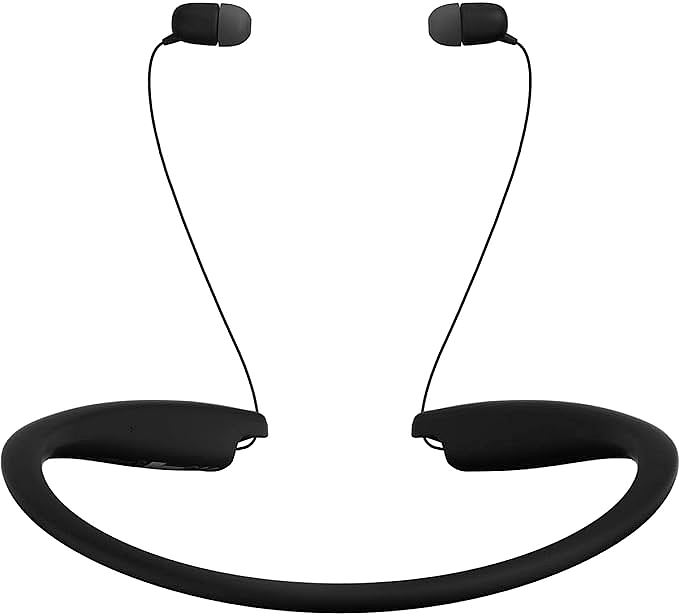
No single material is perfect for reproducing all frequencies. This is why you see things like the multi-layer metal diaphragm in this neckband pair. It's an engineering compromise. The stiff metal layer is rigid, allowing it to vibrate quickly and precisely, which is excellent for reproducing clear, detailed high-frequency sounds (treble). The more flexible plastic layer behind it provides damping, controlling unwanted vibrations and resonances to produce a smoother, warmer low-frequency sound (bass).
This final component is a potent reminder that no matter how sophisticated our digital manipulations become, the sound we hear is ultimately a physical event. The quality of that event is still bound by the materials we use to create it.
The Augmented Listener
We began with the miracle inside our own heads-the brain's innate ability to find order in chaos. What we see in our technology today is a profound, ongoing effort to replicate that miracle in silicon.
Devices like the one we've used as an example aren't just gadgets; they are artifacts of this ambition. They embody a chain of scientific understanding, from the cognitive science that identified the problem, to the 19th-century physics that offered a solution, to the 21st-century code that refines it.
They are not here to replace our brain's superpower. They are extensions of it. They are technological appendages designed to assist us when our organic algorithm is overwhelmed by the sheer volume of modern noise. In our unending quest for a clearer signal, we are not just building better headphones; we are building a deeper understanding of the complex, intricate act of listening itself.
What Makes Dual-Microphone Noise Cancellation Better Than Single Mic Setups
One mic captures your voice; a second, offset mic captures mostly the surroundings. Comparing the two feeds in real time lets the processor build a live noise profile and subtract it - the same destructive-interference trick, aimed at your calls instead of what you hear.
Does Noise Cancellation Actually Help in Busy Cafes and Offices?
In a steady, mid-level environment it does: the anti-noise signal stays in sync with the background hum. The limits show up with sharp, unpredictable sounds like doors slamming; for those, the cocktail party effect in your own brain does the rest.
How Far Can Hardware Take You Without Getting in the Way of Sound?
Dual-mic DSP removes most of the predictable noise floor, but the ceiling is set by physics and materials. A rigid metal layer keeps treble crisp, while a compliant backing damps unwanted resonance - in the end, the materials beneath the code determine how well noise cancellation performs.
LG Tone Style HBS-SL5 Wireless Neckband Earbuds
Related Essays

KENKUO K68 Wireless Gaming Earbuds: Immerse Yourself with ANC & Low Latency

Kinetic Audio: The Physics of Sound in Motion

Beamforming, Tiny Drivers and the Science of Clear Calls

Why Your Earbuds Fall Out During a Run, and What Engineering Does About It

Monster Clarity 101 Plus AirLinks Review: Sound, Fit and CVC 8.0 Tested in 2026

Xiaomi Redmi Buds 4 Pro: Immersive Sound with Cutting-Edge Noise Cancellation

Where the Energy Goes: A Thermodynamic Look at Wireless Audio Battery Life

How Tiny Drivers Produce Big Sound: The Physics Behind Wireless Earbuds
How Tiny Drivers Produce Big Sound: The Physics Behind Wireless Earbuds