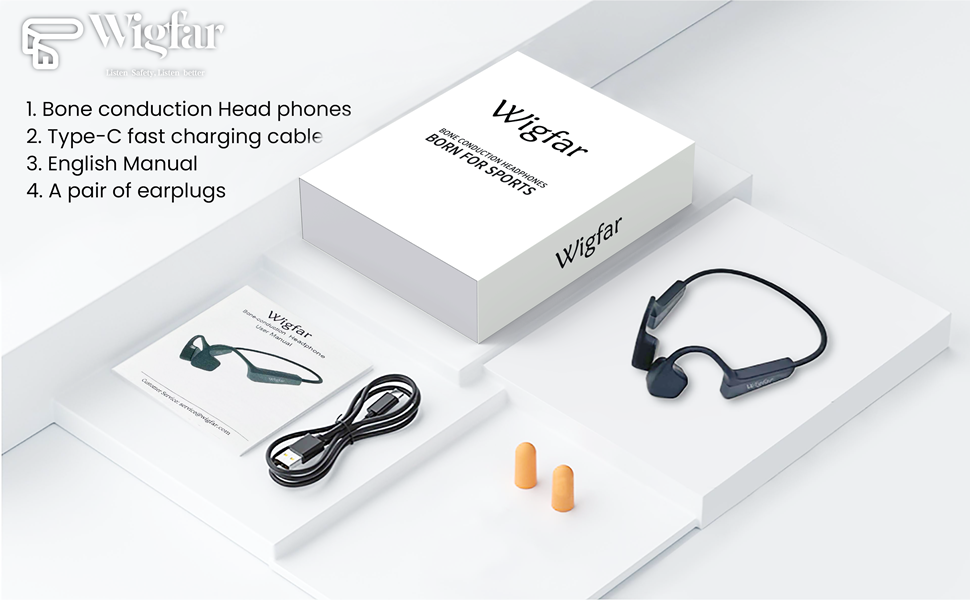
The Open-Ear Paradox: Deconstructing the TEDATATA Z18 and the Evolution of Air Conduction


TEDATATA Z18 Wireless Headset
The market for sports headphones is currently witnessing a semantic shift. The term "Bone Conduction" has become a catch-all marketing phrase for any headphone that sits outside the ear canal. However, from an engineering perspective, many of these devices, including the TEDATATA Z18, operate on a different, yet equally valid principle: Air Conduction.
Understanding this distinction is not just semantics; it defines the user experience. By analyzing the Z18's architecture—specifically its 16mm copper ring speakers and 360° closed sound cavity—we can decode how it achieves the open-ear experience without vibrating your skull, and why this might actually be preferable for certain users.
The Physics of Delivery: Vibration vs. Projection
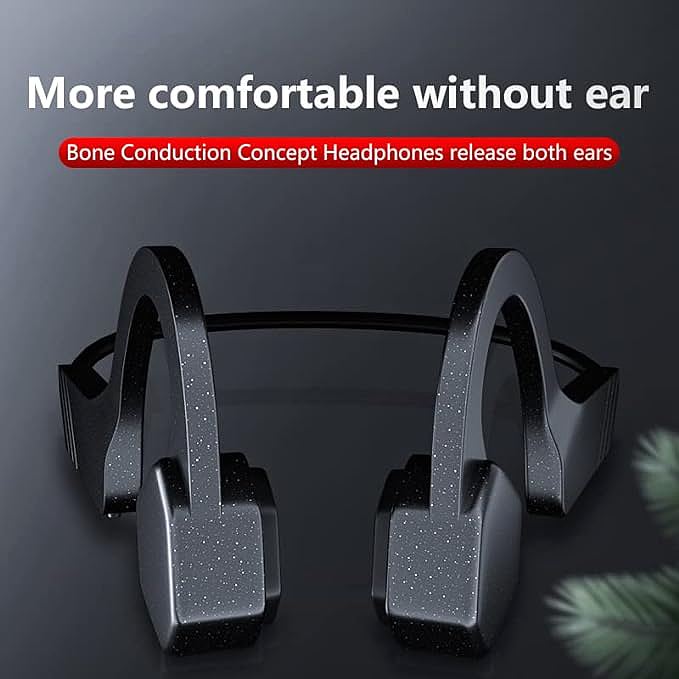
True Bone Conduction relies on transducers that vibrate the zygomatic arch (cheekbone) to send sound directly to the cochlea. While innovative, this method often struggles with bass reproduction (which requires heavy vibration) and can cause an uncomfortable "tickling" sensation.
The TEDATATA Z18, despite the marketing language, utilizes a 16mm Dynamic Driver (described as a "copper ring speaker"). * The Mechanism: Instead of vibrating bone, the Z18 functions as a precision-directed speaker. It rests on the temporal bone but projects sound waves through the air towards the ear canal. * The Advantage: This approach avoids the "tickle" of bone conduction and generally offers a fuller frequency response, especially in the lower mids, because it moves air—the medium our eardrums are evolved to interpret. It provides the safety of open ears without the tactile discomfort of vibration.
Acoustic Containment: The "Closed Sound Cavity"
The Achilles' heel of open-ear air conduction is Sound Leakage. If you project sound through the air, people around you might hear it.
The Z18 addresses this with what is described as a "360° closed sound cavity" and a "silicone fit design." * Directional Audio: This suggests an engineering focus on beamforming or physical baffling. By shaping the speaker housing to direct sound waves narrowly into the ear canal while canceling out waves moving in other directions (phase cancellation), the device minimizes the "spill" of audio into the environment. * The Seal: The silicone fit creates a soft interface with the skin, reducing the air gap where sound typically escapes, optimizing the efficiency of the 16mm driver.
Material Science: Memory Alloy and Biomechanics
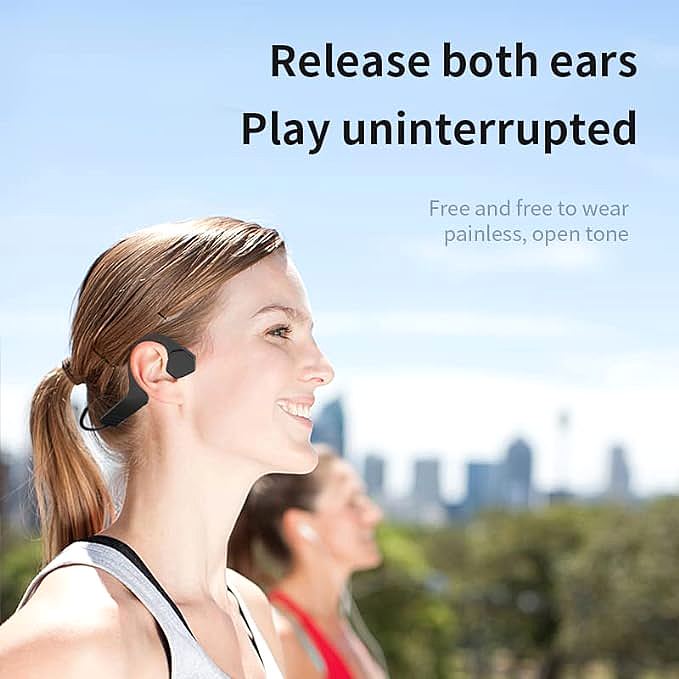
Sports headphones face a brutal mechanical life: twisting, stretching, and sweat. The Z18 is built around a Memory Alloy Skeleton.
- Superelasticity: Likely composed of Nitinol (Nickel Titanium), this alloy exhibits superelastic properties. It can be deformed significantly (twisted 360 degrees) and instantly return to its original shape upon release.
- Clamping Force: The alloy is tuned to provide specific clamping force. It must be tight enough to keep the drivers positioned correctly during a run, but loose enough to prevent tension headaches. This structural integrity is crucial for maintaining the "Non-in-ear" positioning, ensuring the device hovers precisely where it needs to be without entering the canal.
Connectivity and Endurance: Bluetooth 5.2
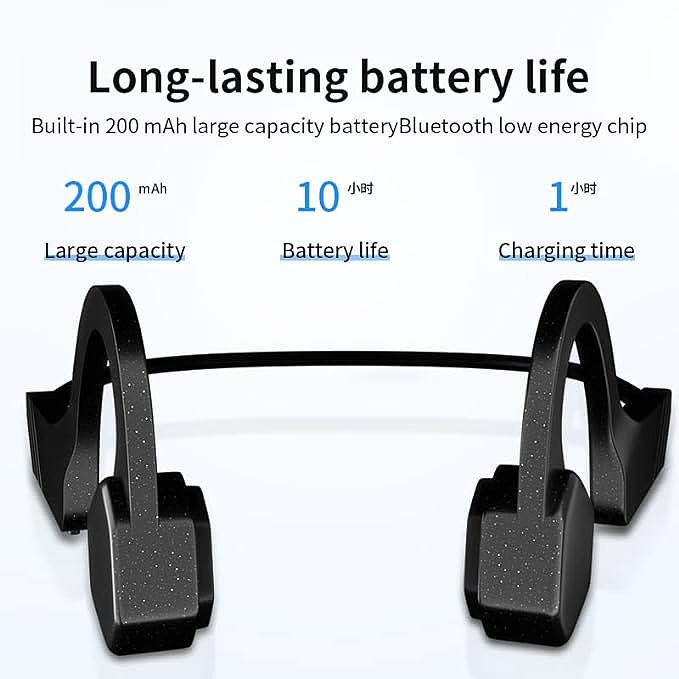
The Z18 adopts Bluetooth 5.2, a standard that offers significant benefits for active users over older protocols. * Interference Resistance: In a gym environment saturated with 2.4GHz signals (Wi-Fi, other headphones), Bluetooth 5.2's improved channel selection algorithms help maintain a stable connection. * Power Efficiency: The protocol's efficiency contributes to the device's 10-12 hour battery life from a relatively small 200mAh cell. This balance of power and size is what allows the headset to remain lightweight (25g) while lasting through ultra-endurance events.
Durability: IPX5 Explained
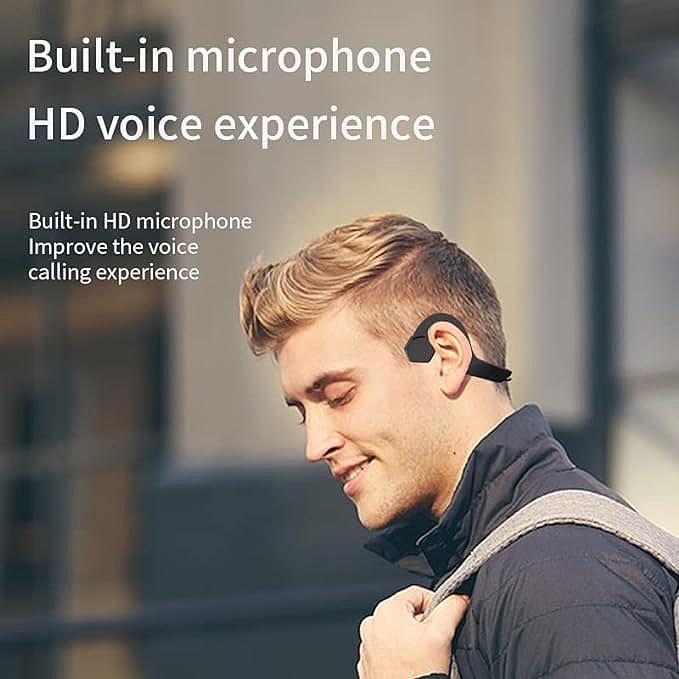
The IPX5 rating is specific. The '5' indicates protection against low-pressure water jets (6.3mm nozzle) from any direction. * Practical Application: This means the headset is impervious to sweat and rain. The "closed body design" mentioned in the specs likely refers to the ultrasonic sealing of the casing seams and the use of waterproof membranes over the microphone and speaker ports, preventing moisture ingress that causes electrolytic corrosion on the internal PCB.
Conclusion: The Pragmatic Open-Ear Choice
The TEDATATA Z18 represents a pragmatic evolution in sports audio. By utilizing Air Conduction principles housed in a Memory Alloy form factor, it offers the situational awareness of bone conduction without the vibrational artifacts. It is a device engineered for the runner who wants to hear the traffic, feel the bass, and forget they are wearing headphones.
TEDATATA Z18 Wireless Headset
Related Essays

Air Conduction vs. Bone Conduction: The Science Behind Open-Ear Audio

OFUSHO S6 Bone Conduction Headphones – A Unique Listening Experience

HCMOBI AS1 Open Ear Bluetooth Wireless Conduction Headset - Quality Sound Outdoor Exercise Earphones for Skateboarding, Marathon, Jogging, Running, Hiking, Cycling

Open-Ear Audio Physics: Why Bass Limitations Are Physics, Not Design Flaws

Navigating the Intersection of Biomechanics and RF Propagation

Open-Ear Headphones for Running and Cycling: How Situational Audio Keeps You

The Physics of Bone Conduction: Why Bass Is Hard and How...

Beyond the Eardrum: The Hidden Physics of Bone Conduction

Why Your Earbuds Keep Falling Out: The Biomechanics of...