Decoding "Noise Cancelling" in Earbuds: ANC vs. ENC vs. Passive Isolation


WHYKJTEK A10Pro Wireless Earbuds
The term "noise cancelling" has become one of the most powerful—and most confusing—phrases in audio marketing. It’s placed on everything from $300 premium headphones to $25 budget earbuds. But not all "noise cancelling" is created equal. In reality, the term is a catch-all for three very different technologies, each solving a unique problem.
Understanding these differences is the key to avoiding disappointment and finding a pair of earbuds that actually meets your needs. Let's decode what "noise cancelling" really means.
1. Passive Noise Isolation (PNI): The Physical Seal
This is the most basic and intuitive form of noise reduction. Passive Noise Isolation (PNI), sometimes called "noise isolation," has nothing to do with chips or microphones. It is simply the physical act of sealing your ear canal with the earbud.
- How it Works: By creating an airtight seal, the silicone or foam ear tip physically blocks sound waves from entering your ear. It's the same principle as putting your fingers in your ears to muffle a loud sound.
- What it's Good For: PNI is most effective at blocking mid-to-high-frequency sounds, like colleagues' voices, a baby crying, or the "shh" of an espresso machine.
- The Key Factor: The effectiveness of PNI depends entirely on fit. This is why manufacturers provide multiple ear cap sizes. A lightweight, ergonomic design is also critical. An earbud that is heavy or poorly shaped will constantly break its seal, letting noise in.
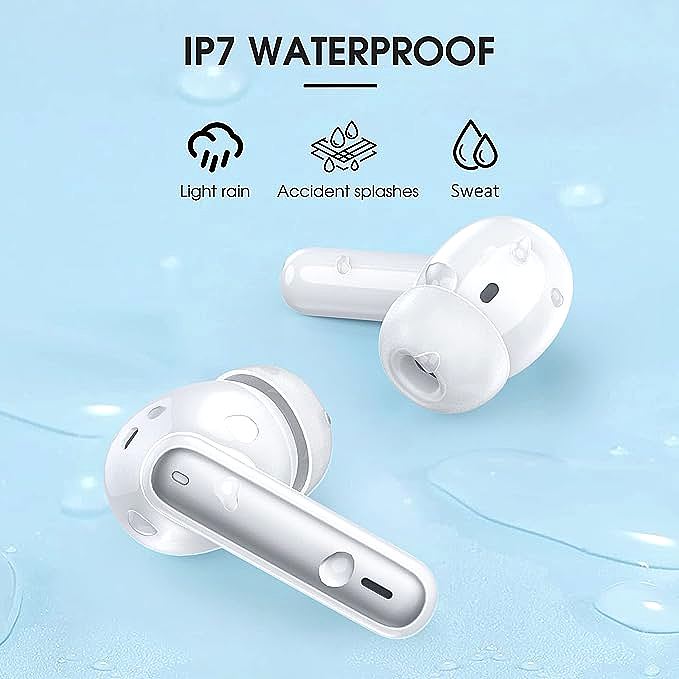
For example, a modern, lightweight earbud weighing only 3.6 grams, like the WHYKJTEK A10Pro, is designed to sit comfortably and securely, maximizing passive isolation without causing ear fatigue.
2. Environmental Noise Cancellation (ENC): For Clearer Calls
This is the most common point of confusion. Environmental Noise Cancellation (ENC), often used interchangeably with Clear Voice Capture (CVC), is a feature for your phone calls, not your music.
- How it Works: ENC uses one or more outward-facing microphones to listen to your surroundings while you speak. A processor then identifies your voice and digitally subtracts the background noise (like wind, traffic, or café chatter) from the signal.
- Who it's For: This technology is for the person on the other end of your call. It ensures your voice is heard clearly, even if you are in a noisy environment. It does not make the world quieter for you, the listener.
- The Key Factor: When you see a budget-friendly earbud advertise "noise cancelling," it is very often referring to ENC for calls. It's a valuable feature, but it's not the "cone of silence" many users expect.
3. Active Noise Cancellation (ANC): Silencing the World
This is the "magic" that most people associate with the term "noise cancelling." Active Noise Cancellation (ANC) is a sophisticated technology that actively erases ambient sound before it reaches your ear.
- How it Works:
- Listen: A microphone (or several) on the outside of the earbud listens to the constant, low-frequency noises around you (like a plane engine, a train's rumble, or an office HVAC system).
- Invert: A dedicated "noise reduction chip" instantly analyzes this soundwave and generates its exact opposite, or "anti-noise."
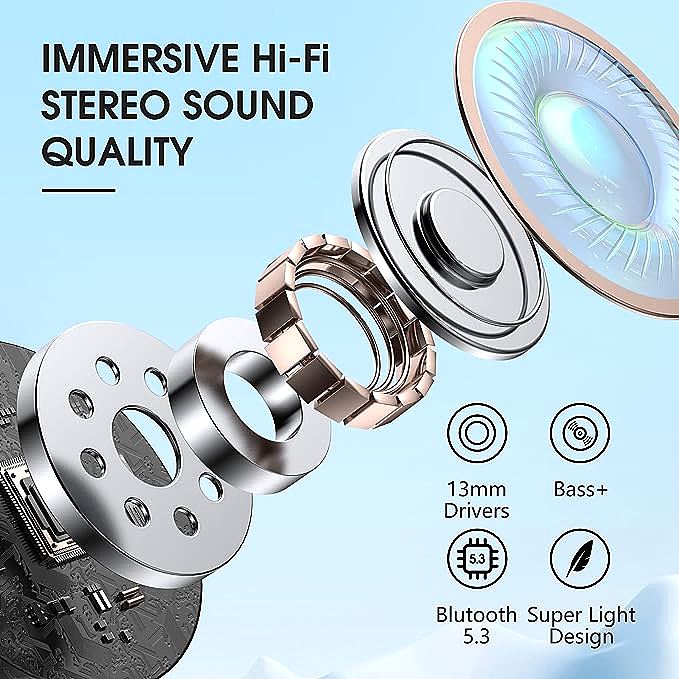
- Cancel: This "anti-noise" wave is then played through the earbud's main speaker (e.g., a 13mm driver) along with your music. When the original noise and the new "anti-noise" meet, they cancel each other out, leaving you with relative silence.
- What it's Good For: ANC is exceptional at removing constant, low-frequency drones. It is less effective at blocking sudden, sharp sounds (like a door slam) or high-frequency sounds (like speech), which is where Passive Noise Isolation (PNI) helps.
The best experience combines powerful ANC with a good PNI seal.
How It All Comes Together
These three technologies are not mutually exclusive; they are designed to work together. A high-quality pair of earbuds uses a systems-based approach.
- A secure fit (PNI) blocks high-pitched chatter.
- An ANC chip actively erases low-frequency rumble.
- ENC microphones keep your calls clear for others.
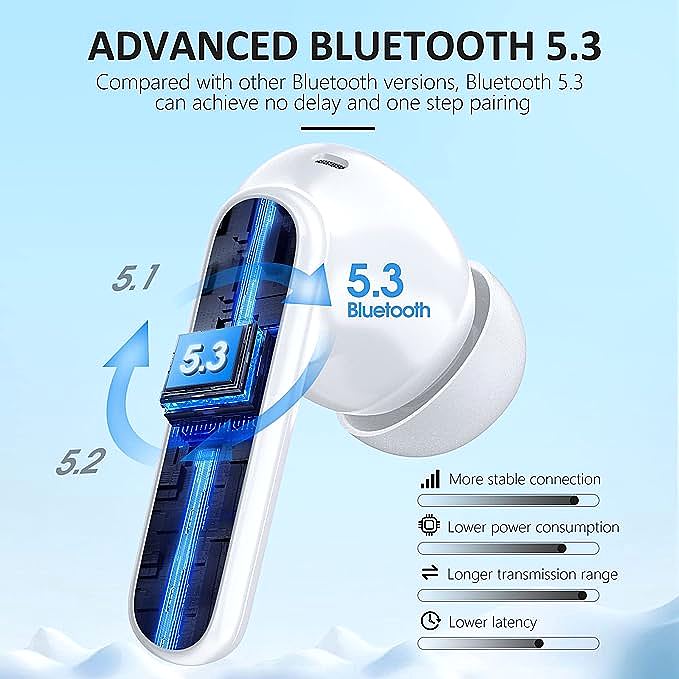
This entire system requires supporting technology. A stable Bluetooth 5.3 connection is vital to ensure the "anti-noise" signal is delivered with zero perceptible delay. Furthermore, ANC processing consumes additional battery, making a solid single-charge playtime (e.g., 8 hours) essential for real-world use.
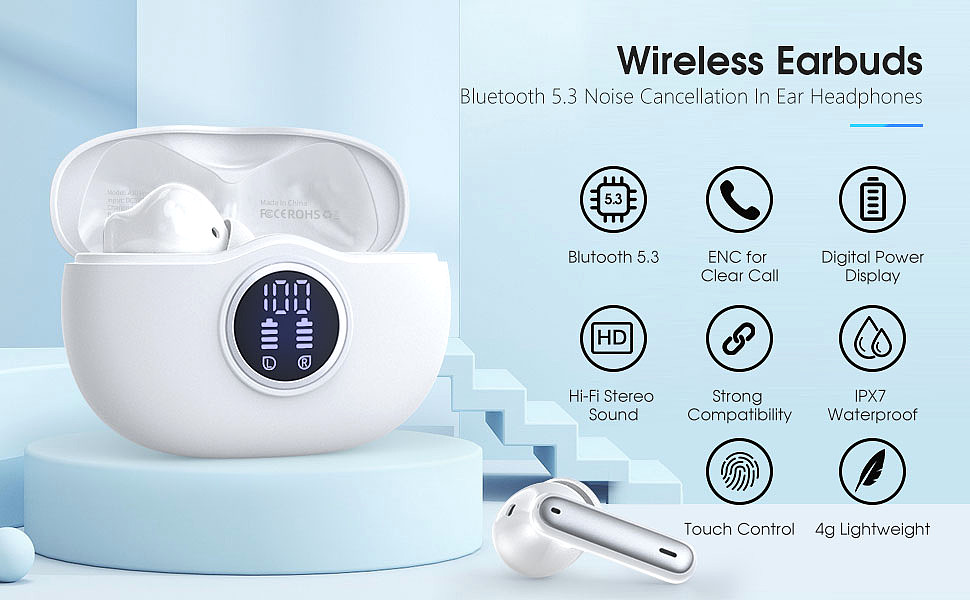
What was once a feature reserved for expensive, over-ear headphones is now becoming accessible in compact, in-ear models. Products like the A10Pro, which integrate a dedicated noise reduction chip and large drivers, represent this trend of democratizing high-end audio features.
Of course, all this delicate microphone technology needs to be protected. An IPX7 waterproof rating is critical, as it seals the earbuds' internal components—including the ANC/ENC mics—from damaging sweat and rain, ensuring their longevity.
Conclusion: Buy for Your Needs
The next time you see "noise cancelling" on a box, you can ask the right questions. Do you need it to silence your commute (ANC), or just to make your calls clearer (ENC)?
Understanding the difference is the key to finding the right tool for the job. A good physical seal (PNI) is the foundation for all noise reduction. For call-heavy users, ENC is a priority. For commuters and frequent flyers, a pair with a dedicated ANC chip is a necessity. By decoding the marketing, you can confidently choose the earbuds that will deliver the "silent" experience you're actually looking for.
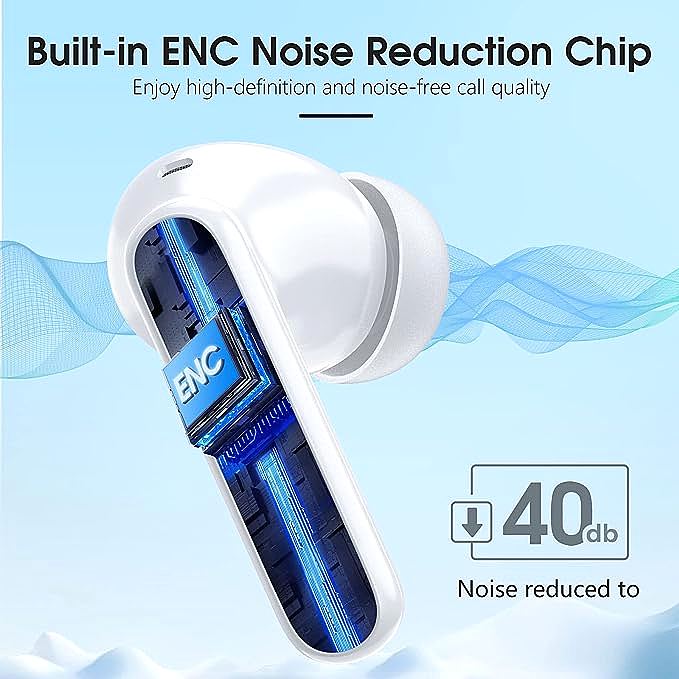
WHYKJTEK A10Pro Wireless Earbuds
Related Essays

Why Your New Earbuds Didn't Cancel the Noise — and What Actually Did

Passive Noise Isolation: How a Silicone Seal Outsmarts...

The Analog Advantage: Why the LORELEI X6's Wired Tech Beats Wireless on a Budget

Why Wireless Earbuds Sound Flat: DSP Trade-Offs Explained

The Physics of Your Wired Earbuds, Explained
The Physics of Foam: Why the Koss 'The Plug' Wireless...
MindBeast T98 Bluetooth Earbuds - Great Sound and Noise Cancellation at an Affordable Price

Masterplug Pods-12 Wireless Earbuds

The Physics of Silence: Decoding 30dB Reduction and...

