Ergonomics of Isolation: Comfort, Utility, and the 100-Hour Workflow
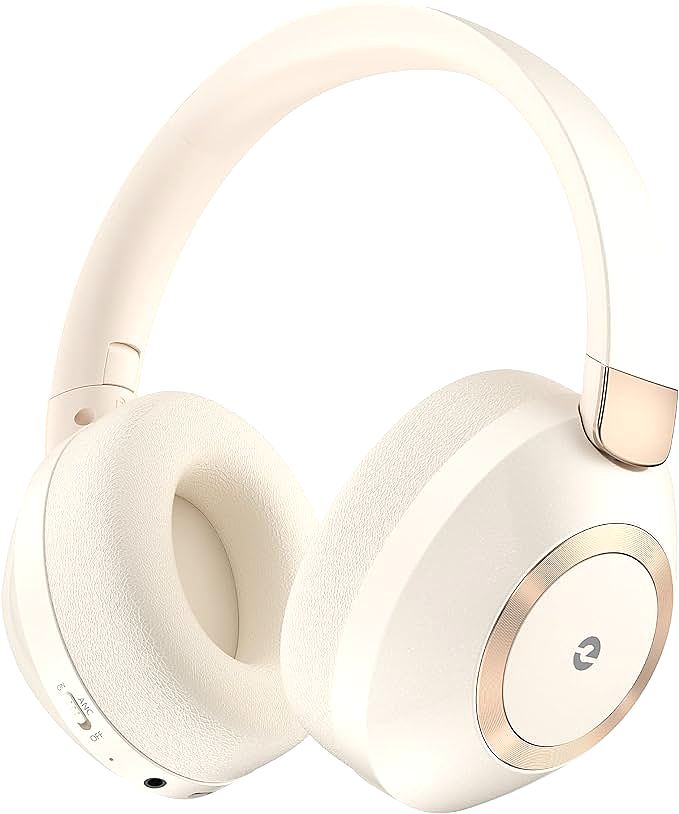
EAORUL Bluetooth Wireless Headphones
In the evaluation of wearable technology, the metric of "usability" often outweighs raw performance specifications. A headphone might sound pristine, but if it induces cranial pressure after an hour or dies mid-flight, its utility collapses. The design philosophy behind endurance-focused audio gear, such as the EAORUL Bluetooth Wireless Headphones, prioritizes the physical interface between the machine and the user—ergonomics—and the seamless integration into daily workflows.
By analyzing the material science of ear cushions and the practical implications of extended battery autonomy, we can understand how engineering decisions directly translate into user comfort and operational reliability.

The Material Science of Comfort: Protein Leather and Memory Foam
The clamping force required to keep headphones secure and maintain an acoustic seal can create pressure points on the temporal bone and the pinna (outer ear). To mitigate this, engineers employ specific materials in the contact zones.
The EAORUL headphones utilize Protein Leather (often called pleather) combined with Memory Foam. * Protein Leather: This is a synthetic fabric made by combining protein powder with a resin. It mimics the texture and breathability of real leather but is more consistent and durable against sweat and skin oils. Its micro-porous structure allows for limited air exchange, reducing the heat buildup that is common in closed-back designs. * Memory Foam: Viscoelastic foam responds to body heat, softening and molding to the unique contours of the user's head. This redistribution of pressure increases the contact surface area, lowering the pressure (force per unit area) at any single point. This is critical for "long-haul" comfort during 4+ hour listening sessions.
Passive Noise Isolation: The First Line of Defense
Before Active Noise Cancellation (ANC) even turns on, the physical design of the headphone provides Passive Noise Isolation. This is the acoustic equivalent of closing a heavy door.
The over-ear (circumaural) form factor of the EAORUL creates a sealed chamber around the ear. The efficacy of this seal depends on the density of the ear pads and the clamping force of the headband. * High-Frequency Attenuation: Passive isolation is particularly effective at blocking high-frequency sounds (voices, sirens) which ANC struggles to cancel. * Acoustic Seal: A consistent seal is vital not just for blocking noise out, but for keeping bass frequencies in. If the seal is broken (e.g., by glasses or hair), low-frequency energy escapes, resulting in thin, weak audio.
The Utility of 100-Hour Autonomy
The headline feature of 100-hour battery life changes the user's relationship with the device. It shifts the charging cycle from a daily or weekly chore to a monthly maintenance task. * Energy Independence: For travelers, this means a single charge covers an entire round-trip international flight, plus layovers and transit, without ever needing to hunt for an outlet. * Battery Health: Less frequent charging cycles mean the lithium-ion battery experiences less thermal stress and degradation over time, potentially extending the total lifespan of the product.

Connectivity and Redundancy
Modern workflows often involve multiple screens. The Dual Device Connectivity (Multipoint) feature allows the headphones to maintain active links to both a laptop and a smartphone simultaneously. The protocol intelligently routes audio, allowing the user to seamlessly switch from a Zoom call on a PC to an incoming phone call without manual repairing.
Furthermore, the inclusion of a 3.5mm Wired Mode provides ultimate redundancy. In the rare event the battery is depleted, the device transforms into a passive, analog headset. This backward compatibility ensures that the hardware remains functional even when the power grid does not.
Conclusion: Engineering for the Human Variable
The success of the EAORUL headphones lies in their recognition that technology must accommodate the human body and schedule. By combining advanced materials for comfort with a power system designed for endurance, they offer a tool that disappears into the background, allowing the user to focus on the content, not the equipment.
EAORUL Bluetooth Wireless Headphones
Related Essays
The Physics of Foam: Why the Koss 'The Plug' Wireless...

The Physics of Silence: Decoding 30dB Reduction and...

Passive Noise Isolation: How a Silicone Seal Outsmarts Digital Noise Cancellation

The Anatomy of Audio: Physics of Dynamic Drivers and Passive Isolation

Wood Acoustics and Analog Signal Paths: The Physics Behind Natural Sound

Passive Noise Isolation and 38-Hour Battery Life: How Physical Sealing Outperforms Active Circuitry

Why Your Earbuds Don't Need Active Noise Cancellation: The Physics of Silence

Titanium Diaphragms, aptX Codecs, and the Case Against ANC in Sub-$100 Earbuds

Why Your 30 Earbuds Block Noise Better Than You Think
