The Power Play: How Modern Earbuds Are Conquering Battery Anxiety
Update on Nov. 14, 2025, 7:57 p.m.
We live in an era of a profound paradox. We have embraced the untethered freedom of wireless technology, yet we are shackled by a new digital leash: the ever-present fear of a dead battery. This “power anxiety” dictates our movements, our choices, and the reliability of the tools we depend on. Nowhere is this battle more personal than with wireless earbuds, where a dead battery can abruptly end a workout, silence a commute, or drop a critical call.
To combat this, a new class of audio devices is emerging, engineered not just for sound, but for sheer endurance. They are portable fortresses of power. By deconstructing a prime example of this philosophy, the PocBuds N35 Wireless Earbuds—a device praised by users for its marathon-like stamina—we can uncover the three pillars of energy engineering that are finally allowing us to win the war against the red battery icon: massive capacity, high efficiency, and intelligent management.
Pillar 1: The Energy Fortress – The Science of Massive Capacity
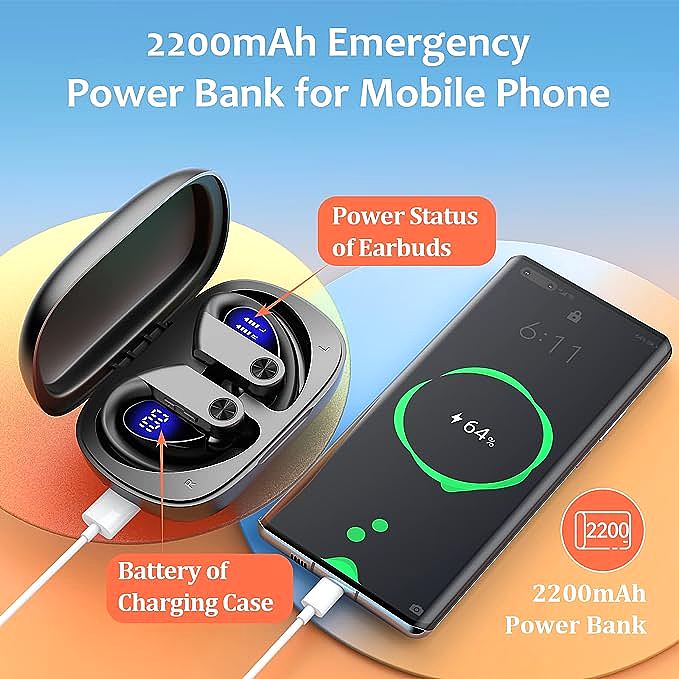
The first and most direct assault on power anxiety is to build a deeper energy reserve. The standout feature of an endurance-focused product like the PocBuds N35 is its 2200mAh charging case. To understand the significance of this number, we need to quickly decode it.
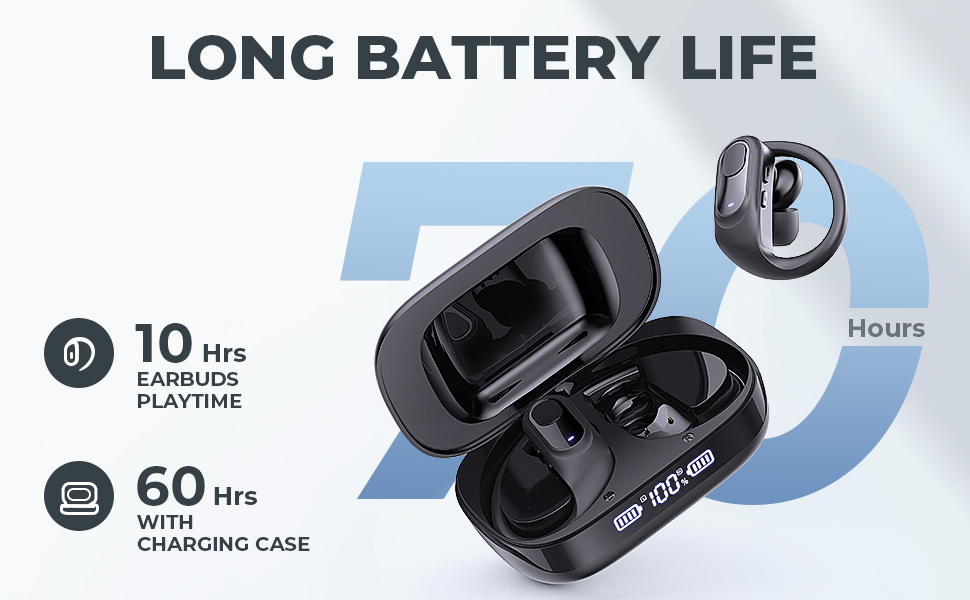
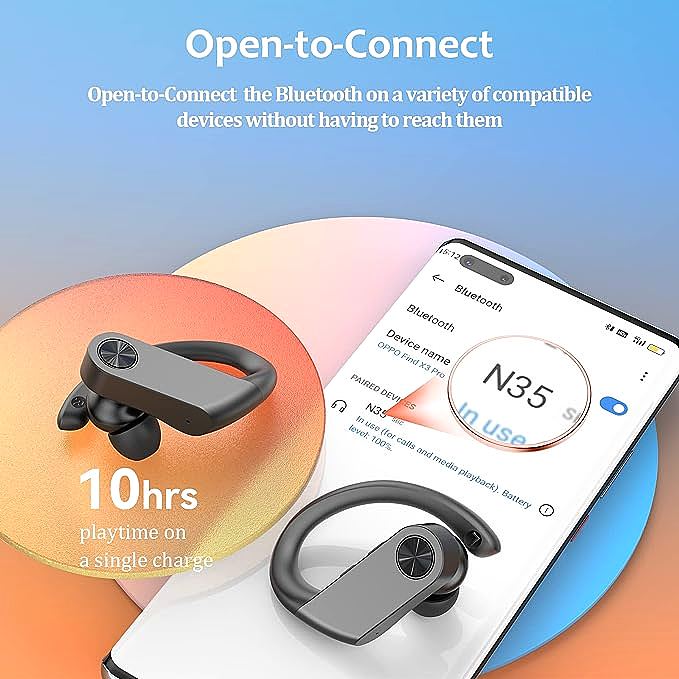
A milliampere-hour (mAh) is a unit of electric charge. It tells you how much current a battery can provide for one hour. While the earbuds themselves have small batteries (around 75mAh each) for a respectable 10-12 hours of playtime, the 2200mAh case acts as a deep strategic reservoir. This immense capacity, made possible by the remarkable energy density of modern Lithium-ion battery chemistry, transforms the case from a simple container into a mobile logistics base. It holds enough power to completely refuel the earbuds 8-9 times over, pushing the total combined playtime to an astonishing 90 hours.
This isn’t just about listening for days on end; it’s about fundamentally altering your relationship with the power outlet. Charging becomes a weekly, or even bi-weekly, event rather than a daily chore. More ingeniously, this massive battery is leveraged for a secondary function: the case includes a USB-A output, allowing it to serve as an emergency power bank for your smartphone. This is the ultimate checkmate against power anxiety—the device that powers your audio can also resurrect your primary communication tool.
Pillar 2: The Efficiency Engine – Conserving Power with Smart Tech
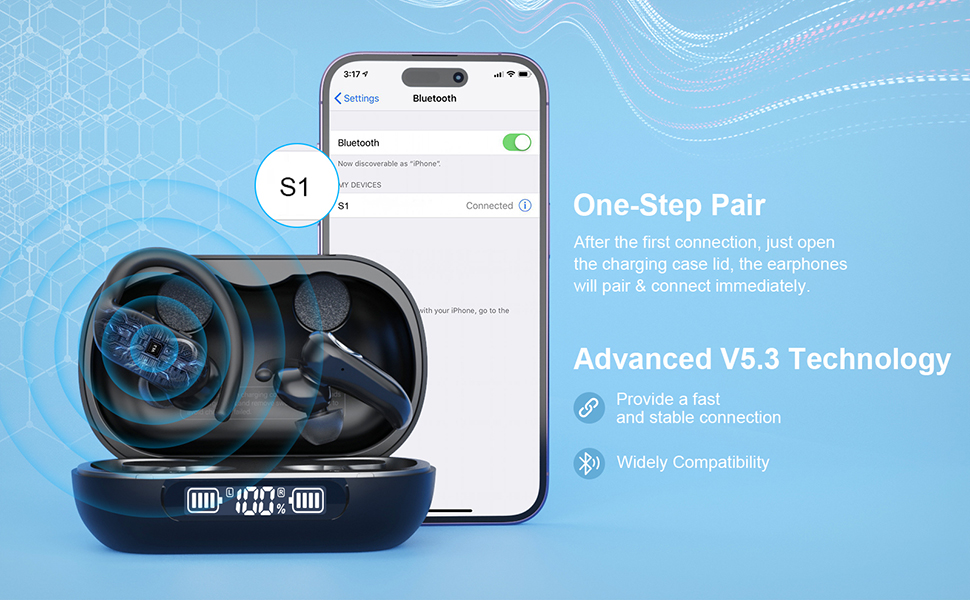
A large fuel tank is only effective if the engine is efficient. The second pillar of energy engineering is minimizing power consumption, and the key player here is the Bluetooth chipset. The N35 utilizes Bluetooth 5.3, a standard designed for ruthless efficiency.
Its core strategy is the refinement of Bluetooth Low Energy (LE) protocols. Think of it like a modern car engine that can shut down cylinders when cruising to save fuel. Features within Bluetooth 5.3 allow the earbuds to maintain a rock-solid connection while using the absolute minimum amount of power necessary. This “sipping” of energy is what enables the earbuds themselves to achieve a long 10-12 hour single-charge lifespan.
This synergy between a high-capacity power reserve and a highly efficient wireless protocol is a masterclass in engineering harmony. The efficient earbuds ensure you get the most out of every charge, while the massive case ensures you have plenty of recharges to spare.

Pillar 3: The Command Dashboard – The Psychology of Power Management
The final piece of the puzzle is eliminating the guesswork. Vague blinking lights on a charging case only add to anxiety—is one blink 25% or 10%? To truly conquer this, you need precise information.
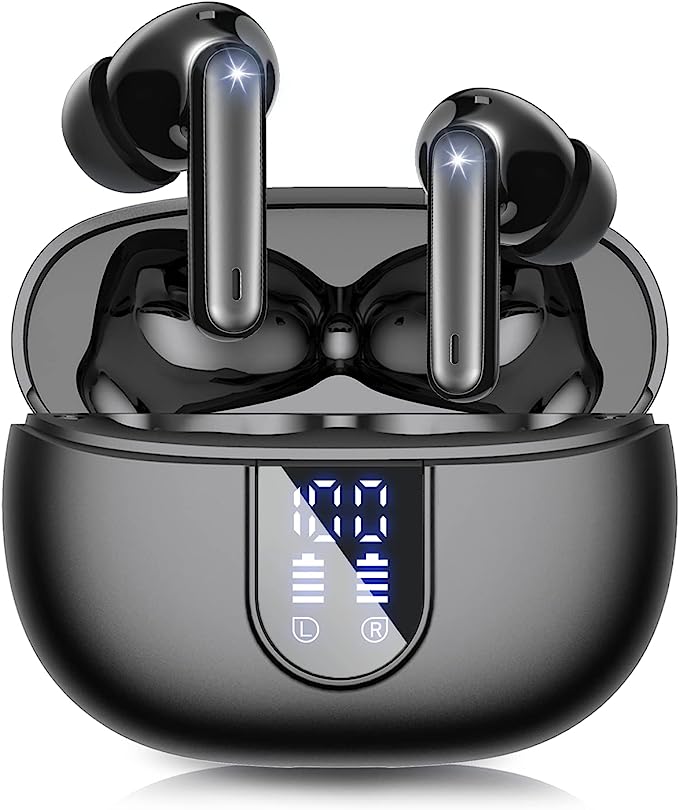
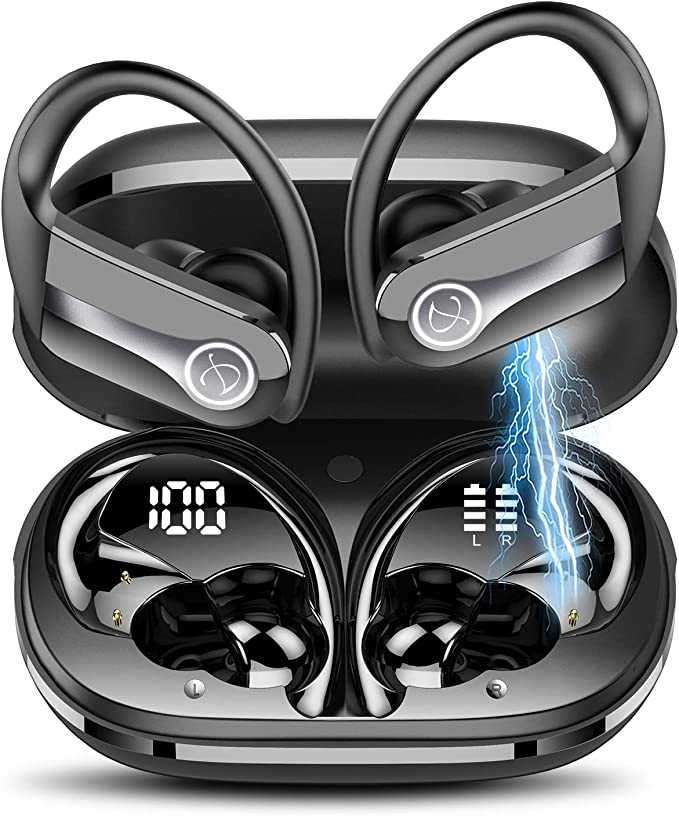
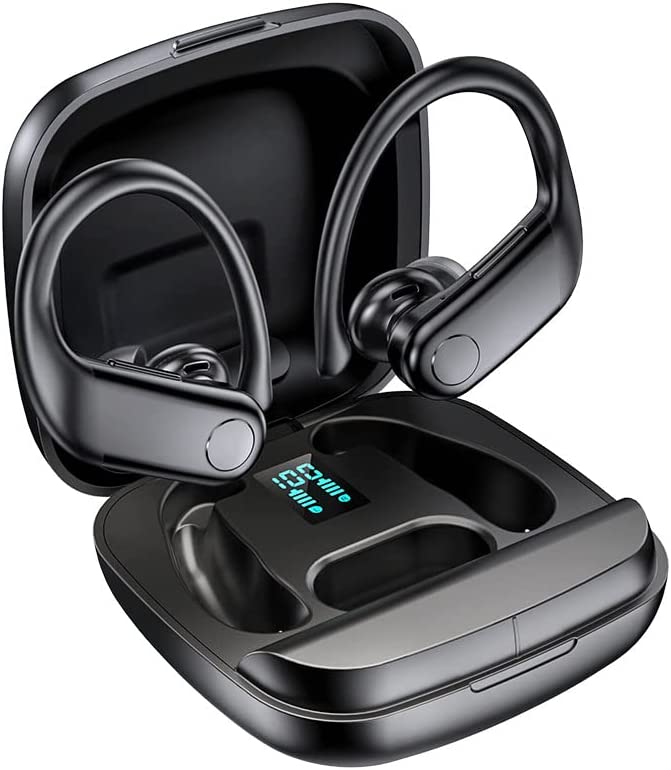
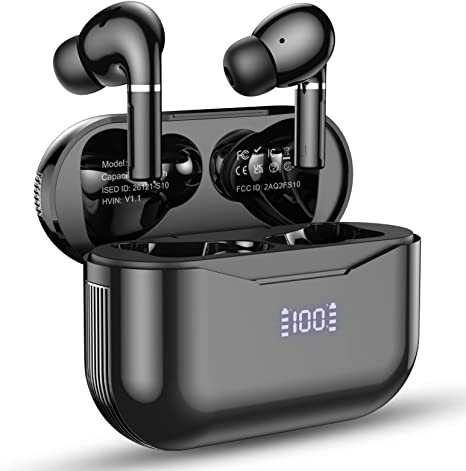
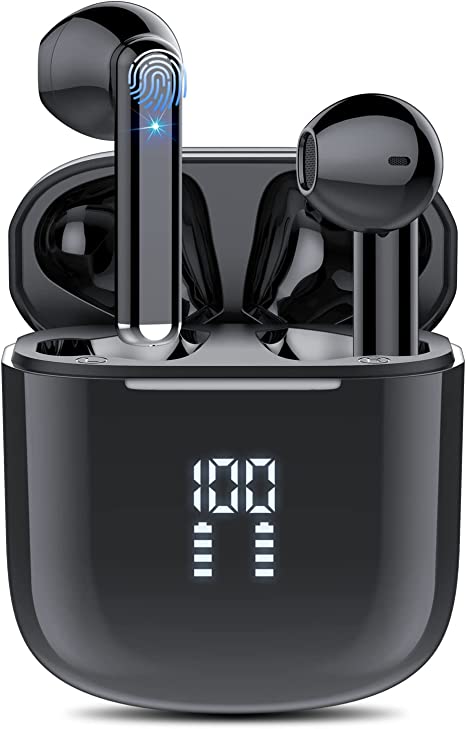
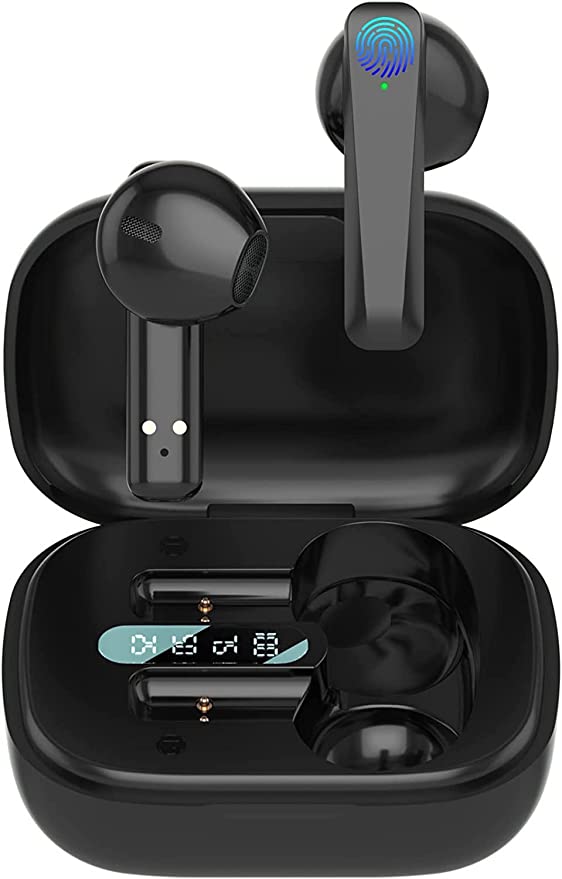
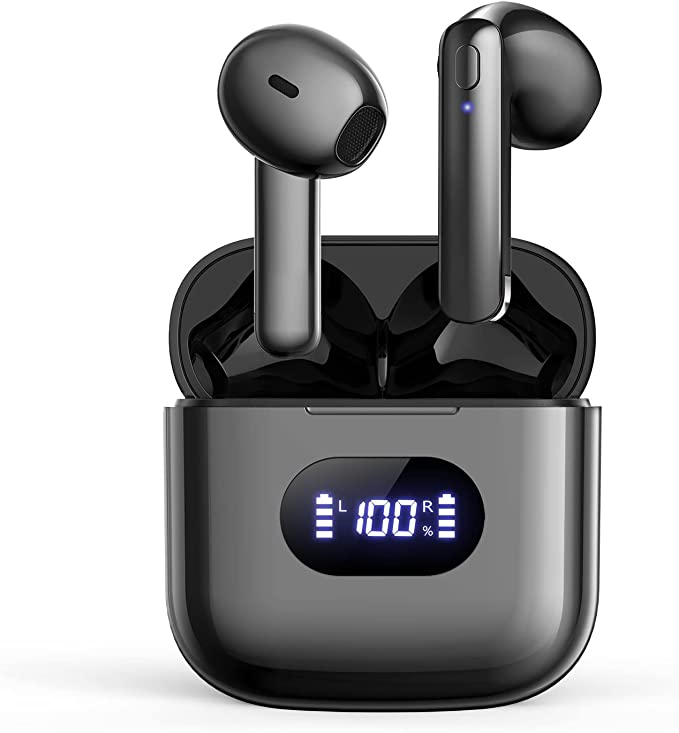
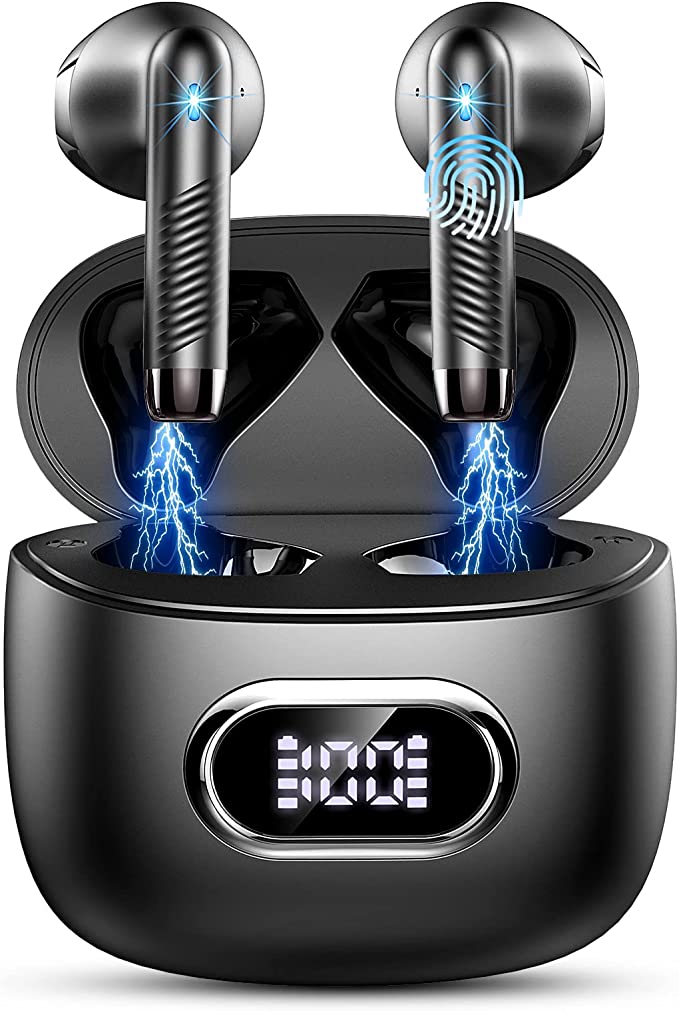
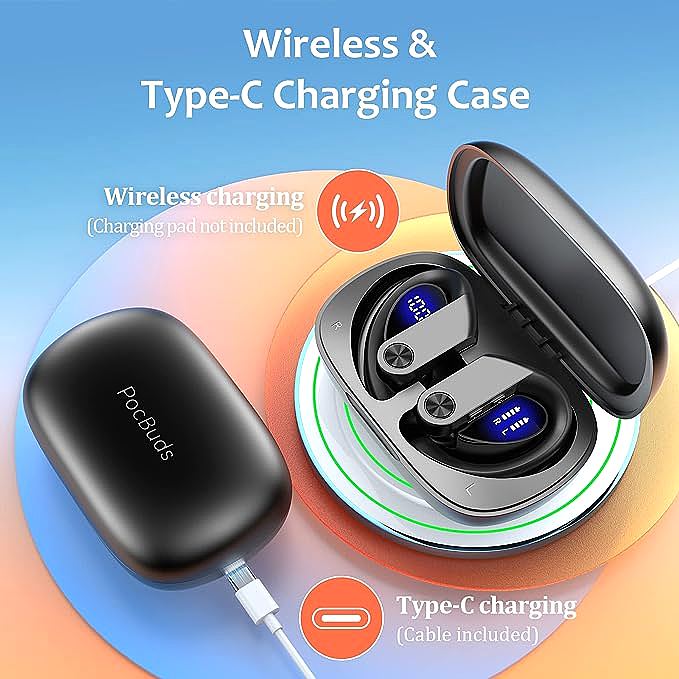
This is solved by a dual LED digital display, a feature that acts as an intelligent command dashboard. On a device like the N35, the case typically shows two distinct pieces of information:
1. A numerical percentage (1-100) for the case’s own battery level.
2. A separate visual indicator (like a segmented bar) for the charging status of each individual earbud.
This clarity is psychologically powerful. It removes all ambiguity, allowing you to know at a glance exactly where your power reserves stand. You know precisely when the case needs charging and can see that your earbuds are properly seated and receiving power. It transforms the user from a passive worrier into an informed commander of their personal energy resources.
Conclusion: A Blueprint for a Battery-Anxious World
While sound quality and comfort are essential, the freedom from power anxiety is a powerful, tangible benefit that modern engineering can deliver. The design philosophy behind extreme-endurance earbuds provides a clear blueprint for what to look for: a high-capacity energy reserve (a large mAh case), an efficient power-sipping engine (like Bluetooth 5.2 or 5.3), and an intelligent management dashboard (a clear digital display).
Products that integrate these three pillars, like the PocBuds N35, aren’t just selling long playtime; they’re selling peace of mind. They are a testament to a design philosophy that understands the modern user’s deepest technological fear and provides a robust, multi-faceted engineering solution. By learning to recognize this blueprint, you can choose a device that doesn’t just play music, but liberates you from the tyranny of the battery bar.