The Physics of Wireless Audio: Engineering Bluetooth 5.3 and Graphene Drivers


KT1 Q25 Wireless Earbuds
The transition from wired to wireless audio is not just a change in convenience; it is a fundamental shift in how data is transmitted and converted into sound. It replaces the simple electron flow of a copper wire with the complex modulation of radio waves and the precise electromechanics of battery-powered drivers.
The KT1 Q25 Wireless Earbuds serve as a case study for this technological convergence. By analyzing its components—from the Bluetooth 5.3 chipset to the graphene-enhanced drivers—we can understand the scientific principles that allow high-fidelity audio to exist without a physical tether.
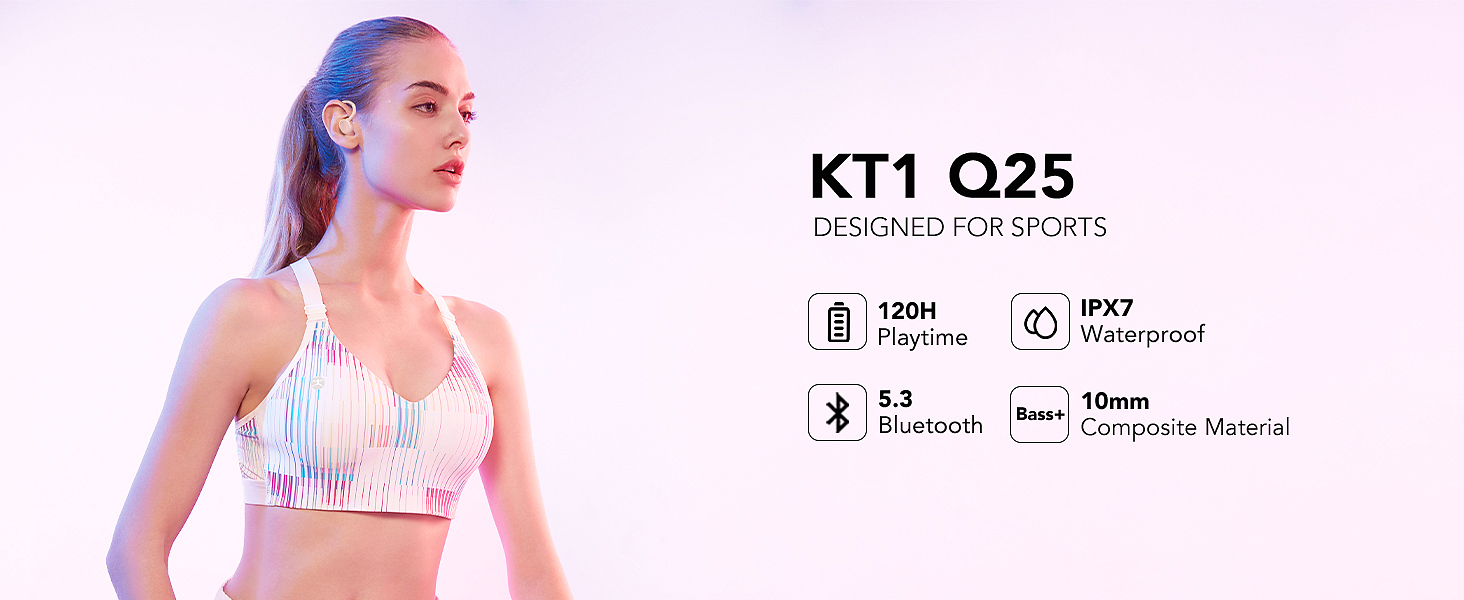
RF Engineering: The Bluetooth 5.3 Protocol
At the core of the Q25 is Bluetooth 5.3, a wireless communication standard operating in the 2.4 GHz ISM band. Unlike analog signals that degrade linearly with distance, digital Bluetooth signals rely on packet switching.
Signal Integrity and Latency
Bluetooth 5.3 introduces enhancements in Channel Selection Algorithms (CSA). The 2.4 GHz band is crowded with Wi-Fi and microwave interference. CSA allows the earbuds to "hop" between frequency channels more intelligently, avoiding interference patterns. * Latency: The Q25 claims a latency of 42ms. In physics terms, this is the time delta between the transmission of a data packet from the source and its decoding by the earbud's DSP (Digital Signal Processor). Achieving 42ms requires optimized codecs that compress audio data efficiently without losing fidelity, minimizing the processing time required at both ends.
Ceramic Antennas
The Q25 utilizes an advanced ceramic antenna. Ceramic antennas are favored in compact electronics because their high dielectric constant allows for physical miniaturization without sacrificing the electrical length required to resonate at 2.4 GHz. This ensures a stable connection even when the signal is attenuated by the human body (which is largely water and absorbs RF energy).
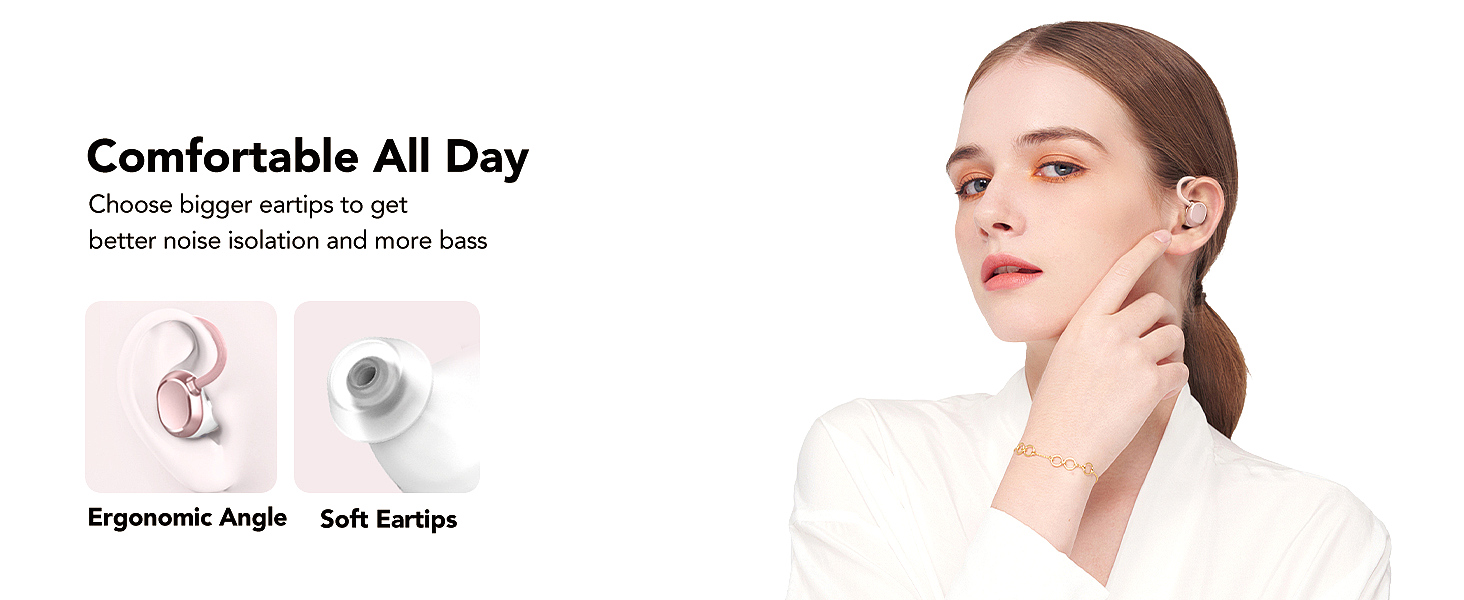
Material Science: The Graphene Diaphragm
The transducer (driver) is where electrical signals become sound waves. The Q25 employs a 10mm dynamic driver enhanced with graphene.
Graphene is a single layer of carbon atoms arranged in a hexagonal lattice. It is the strongest material ever tested and is incredibly light. * Stiffness-to-Weight Ratio: A diaphragm must be light to move quickly (reproducing high frequencies) but stiff to prevent deformation (which causes distortion). Traditional materials like Mylar often flex (break up) at high frequencies. Graphene's extreme stiffness ensures the diaphragm moves as a perfect piston, maintaining audio clarity across the frequency spectrum. * Transient Response: The low mass of graphene allows the driver to stop and start almost instantly. This "transient response" is what gives music its punch and detail—the sharp crack of a snare drum or the pluck of a guitar string.
Electrochemistry: Energy Density and Management
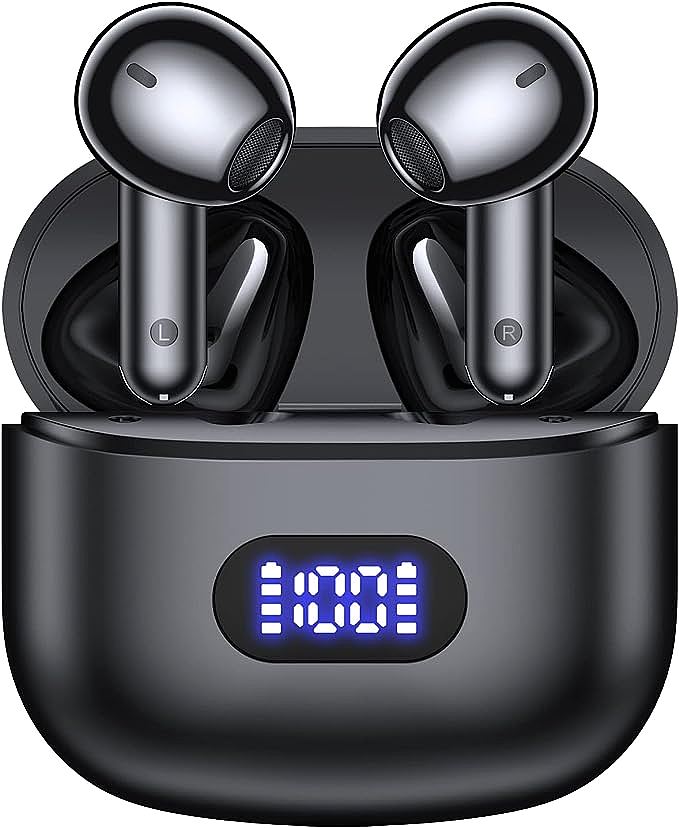
Wireless independence relies on Lithium-Ion (Li-ion) chemistry. The Q25 system consists of two power stages: the 40mAh cells in the earbuds and the 2600mAh cell in the charging case.
The Energy Reservoir
The 2600mAh capacity of the case is substantial. In electrical terms, Ampere-hours (Ah) measure the total charge.
$$Energy (Wh) = Voltage (V) \times Capacity (Ah)$$
Assuming a standard 3.7V Li-ion cell, the case holds approximately 9.62 Watt-hours of energy. This reservoir allows the case to act as a "mother ship," replenishing the smaller earbud batteries multiple times. The LED digital display provides a real-time voltmeter reading, essential for managing this finite energy resource.

Hydrophobic Engineering: IPX7 Waterproofing
The Q25 is rated IPX7, meaning it can withstand immersion in water up to 1 meter deep for 30 minutes. This is achieved through nano-coating.
This technology applies a hydrophobic (water-repelling) polymer layer to the internal circuit boards. On a molecular level, this coating lowers the surface energy of the components. When water touches them, it beads up rather than wetting the surface, preventing the conductive paths that cause short circuits. This allows the electronics to survive exposure to sweat and rain that would destroy unprotected devices.
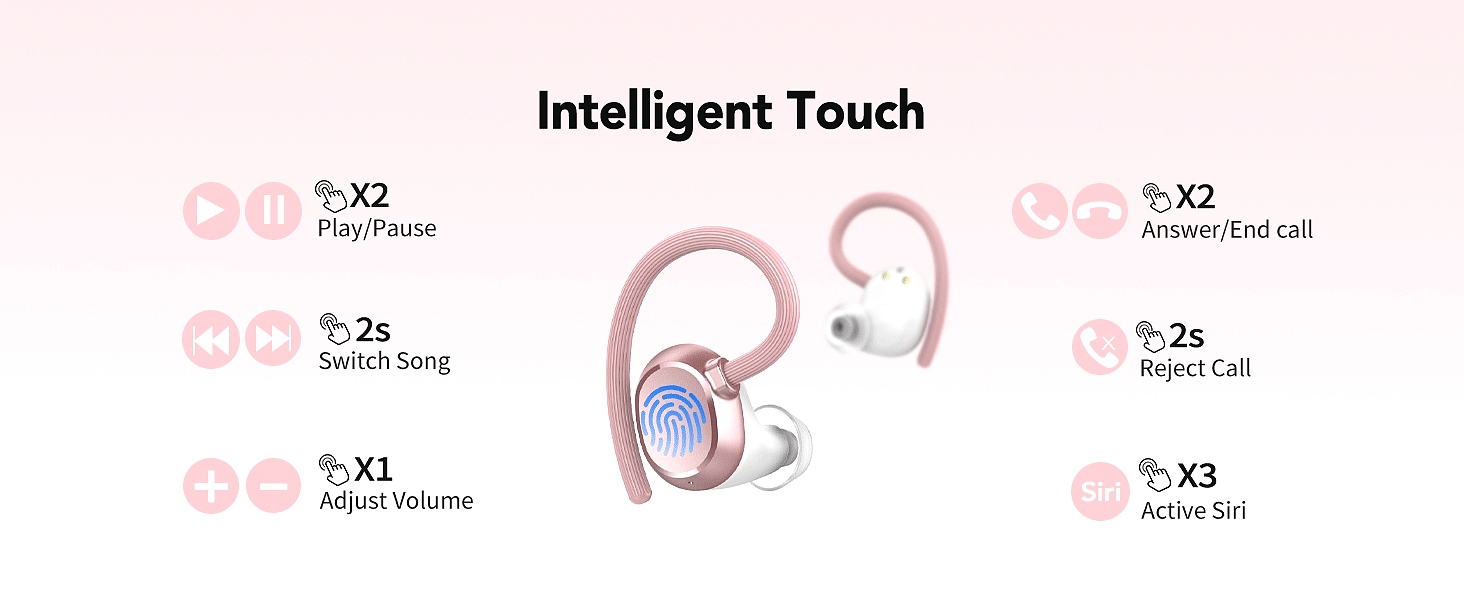
Ergonomics: The Physics of Stability
The "over-ear" earhook design uses mechanical leverage to secure the earbud. By shifting the center of gravity and providing a counter-force against the back of the ear, the hook prevents the earbud from dislodging during the high-g forces of running or exercise. This mechanical stability is crucial for maintaining the acoustic seal required for bass response.
Conclusion: A Convergence of Sciences
The KT1 Q25 is a testament to how far miniaturization has come. It integrates RF communication, advanced materials like graphene, and high-density energy storage into a wearable package. Understanding these underlying physical principles transforms the device from a simple accessory into a marvel of modern engineering.
KT1 Q25 Wireless Earbuds
Related Essays

Keklle2 Wireless Earbuds – Crystal Clear Sound and Waterproof Design

HITY A4 Wireless Earbuds Bluetooth 5.3 Headphones Touch Control – Top Choice for Music Enthusiasts

DGLighting Wireless Earbuds – Recommended for Comfort and Sound Quality

ZONWOO S1 Wireless Earbuds: Unleash Your Workout with 88H Playtime

The Engineering Behind 52-Hour Headphone Battery Life: Fast Charging and Power Efficiency Science
The Invisible Engineering: Why You Stop Noticing Wireless Earbuds Work

Beyond the Spec Sheet: Decoding the Tech That Defines True Sport Earbuds

What is ENC Noise Cancelling? A Guide to Budget Earbud Tech (like Bluetooth 5.3 & IPX7)

Earbuds with Ear Hooks: A Guide to the Tech That Powers Your Workout

