Sayrelances B10: The Science of Bone Conduction Audio


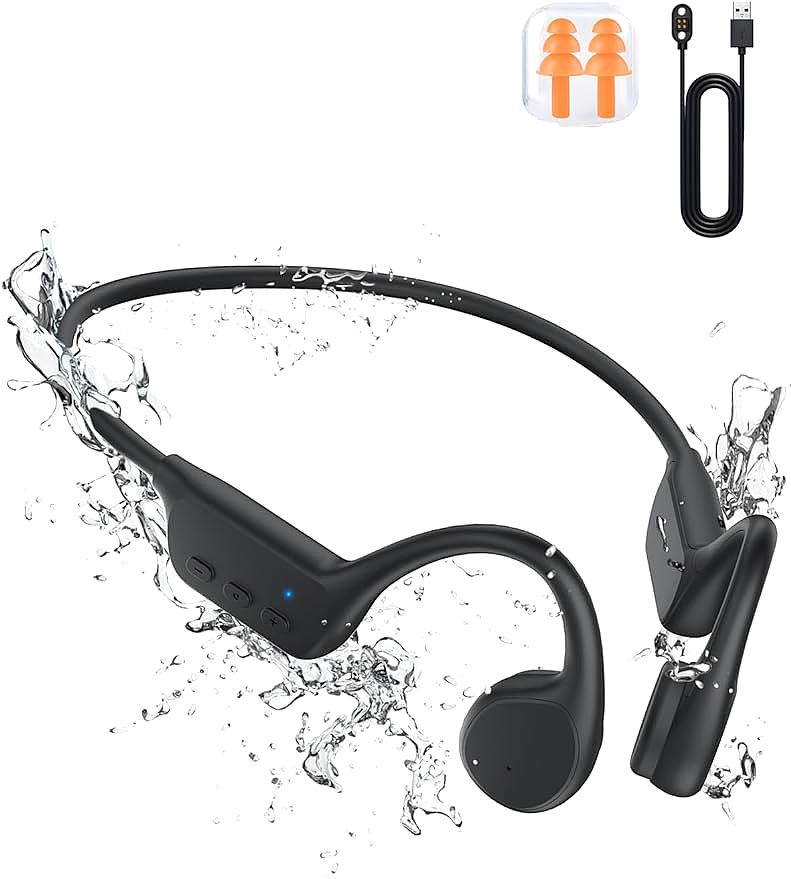
sayrelances B10 Bone Conduction Headphones
Imagine Ludwig van Beethoven, his hearing fading, pressing a wooden rod against his piano and biting down, feeling the glorious vibrations of his compositions resonate through his very bones. This image, whether perfectly apocryphal or rooted in truth, paints a vivid picture of an alternative pathway to sound: a route that bypasses the conventional route of the ear canal and eardrum. This is the essence of bone conduction, a fascinating technology that allows us to perceive sound in a way that feels almost magical, yet is grounded in solid scientific principles. Today, this same principle, refined and miniaturized, powers devices like the Sayrelances B10 Bone Conduction Headphones, inviting us to explore a world where our personal soundscape can coexist harmoniously with the auditory tapestry of our surroundings. But how does this "unheard symphony" truly play out, and what does a device like this offer to the modern listener?

The Science of Whispering Bones: Understanding Bone Conduction
To appreciate the ingenuity of bone conduction, it is helpful to first understand our primary mode of hearing: air conduction. Typically, sound waves, which are vibrations traveling through the air, are funneled by our outer ear into the ear canal. They strike the eardrum, causing it to vibrate. These vibrations are then amplified by three tiny bones in the middle ear (the ossicles: malleus, incus, and stapes) and transmitted to the cochlea, a spiral-shaped, fluid-filled organ in the inner ear. Within the cochlea, thousands of microscopic hair cells convert these mechanical vibrations into electrical signals, which are then sent along the auditory nerve to the brain, where they are interpreted as the sounds we recognize. Think of it as sound taking a well-trodden, albeit complex, journey through a series of dedicated chambers and corridors.
Bone conduction offers a remarkable detour. Instead of sound waves entering the ear canal, bone conduction devices utilize transducers that sit directly on the bones of the skull, typically the cheekbones (zygomatic arches) or the mastoid bone behind the ear. These transducers convert electrical audio signals into minute mechanical vibrations. These vibrations are then conducted through the bones of the skull, directly to the cochlea in the inner ear. The cochlea, in its remarkable adaptability, processes these bone-transmitted vibrations in much the same way it processes those arriving via the eardrum and middle ear. The journey is different, but the destination and the brain's interpretation mechanism remain largely the same. It is like discovering a secret passage that leads directly to the inner sanctum of hearing.
This technology isn't a recent novelty. Beyond Beethoven's resourceful efforts, bone conduction principles have been explored for over a century. Early audiophones in the late 19th and early 20th centuries utilized this principle. More significantly, bone conduction has found crucial applications in specialized fields. For instance, it's a cornerstone of certain hearing aids, known as Bone Anchored Hearing Aids (BAHA) or bone conduction hearing systems, which are invaluable for individuals with conductive hearing loss (where the outer or middle ear cannot transmit sound effectively) or single-sided deafness. Military and tactical communication systems have also long employed bone conduction to allow clear communication in high-noise environments while keeping soldiers' ears open to crucial ambient sounds.
The most immediate and transformative benefit of consumer bone conduction headphones for cycling, running, and other outdoor use is the open-ear design. Because nothing obstructs or seals the ear canal, two profound advantages emerge. Firstly, situational awareness is dramatically enhanced. You can enjoy your music, podcast, or call while remaining fully attuned to the sounds of traffic, approaching footsteps, colleagues' voices, or the chirping of birds. This is not just a convenience; it's a significant safety feature for runners, cyclists, and anyone navigating a busy environment. Secondly, comfort and ear health are often improved. The absence of earbuds eliminates pressure points within the ear canal, reduces the likelihood of ear infections or irritation for some individuals, and prevents the sweaty, plugged-up feeling that can accompany prolonged use of in-ear devices. Your ears remain open, breathing, and aware.

Daily Listening With Cycling Bone Conduction Headphones
The journey of bone conduction from specialized applications to accessible consumer electronics is exemplified by the headphones we cover here. They aim to deliver the core benefits of this technology in a user-friendly and affordable package. Let's delve into its key features, examining them through the lens of science and user experience.
Featherlight Freedom: The Art of a 1.06-Ounce Design
One of the first things you might notice about these, or indeed many cycling bone conduction headphones, is their distinct form factor and remarkably low weight. The product listing for these headphones specifies a weight of just 1.06 ounces (approximately 30 grams). This featherlight characteristic is crucial for comfort, especially during extended wear or vigorous activity. The science behind this lies in materials engineering and ergonomic design.
The product description mentions an "Aviation-grade material" and a "flexible titanium wrap-around frame." Titanium is a popular choice in high-performance applications, from aerospace to medical implants, due to its exceptional strength-to-weight ratio, corrosion resistance, and biocompatibility. A titanium alloy frame allows the headphones to be durable and resilient and capable of being twisted and flexing back to shape while contributing minimally to the overall mass. This lightness, combined with an ergonomic design that distributes pressure evenly across the contact points on the cheekbones and around the back of the head, aims to create a "barely there" sensation. User feedback frequently highlights this comfort, with many appreciating the ability to wear them for hours without the fatigue associated with some traditional headphone types, especially for those who wear glasses, as the open-ear design typically doesn't interfere. However, as with any wearable, individual fit can vary; some verified reviewers note that the band, while generally comfortable, might shift if one tilts their head far back, and the "one-size-fits-most" approach means the provided adjustment strap can be a helpful addition for those with smaller head circumferences to achieve a more secure fit.
The Unseen Connection: Decoding Bluetooth 5.0 and the SBC Codec
The headphones connect wirelessly via Bluetooth 5.0. This version of the Bluetooth standard, governed by the Bluetooth Special Interest Group (SIG), brought several enhancements over its predecessors. Generally, Bluetooth 5.0 offers improved connection stability, potentially faster data transfer speeds, and often greater range, though the actual performance can be influenced by the paired device and environmental factors. For the user, this translates to a more reliable audio stream with fewer frustrating dropouts, whether you're paired with a smartphone, tablet, or smartwatch. The device is advertised to support a variety of Bluetooth-compatible devices, including iOS and Android systems.
When it comes to audio quality over Bluetooth, the audio codec plays a significant role. A codec is an algorithm that compresses and decompresses digital audio data for transmission. According to a detailed user review on the retail listing (Saeed Okoroji, April 26, 2022), the headphones utilize the SBC (Subband Codec). SBC is the default, universally supported codec for the A2DP (Advanced Audio Distribution Profile) Bluetooth profile, which handles stereo audio streaming. It's a foundational codec ensuring broad compatibility across all Bluetooth audio devices. While SBC is robust and perfectly adequate for many listening scenarios like podcasts or casual music playback, it is a lossy codec with a more basic compression scheme compared to more advanced options like AAC (favored by Apple devices), aptX, or LDAC, which can offer higher fidelity and a wider dynamic range if supported by both the transmitting and receiving devices. The practical implication, as some users subtly note, is that while the headphones deliver clear sound for their intended purpose, discerning audiophiles might perceive a lack of richness or detail in complex musical pieces compared to headphones supporting these higher-bandwidth codecs. For a device at this price point, SBC is a pragmatic choice ensuring wide compatibility. The same reviewer also noted that while the headphones can connect to two devices simultaneously, the switching isn't "smart," requiring manual pausing on one device to play on another.
Rain-Proofing Your Workouts: What the Dust-and-Water Rating Actually Means
For headphones designed with an active lifestyle in mind, resistance to moisture and dust is paramount. The headphones carry an IP54 dust-and-water resistance rating. This "Ingress Protection" code is an international standard (IEC 60529) that classifies the degrees of protection provided by an enclosure against the intrusion of solid objects (including dust) and liquids.
Let's break down the rating: * The first digit, "5" (solid particle protection), indicates that the enclosure is "dust protected." This means that while dust ingress is not entirely prevented, any dust that does enter will not interfere with the satisfactory operation of the equipment. It offers good protection against larger particles and a fair amount against fine dust. * The second digit, "4" (Liquid Ingress Protection), signifies that the enclosure is protected against "splashing water." Specifically, the test involves water splashing against the enclosure from any direction for a defined period (typically 10 minutes) with no harmful effect.
For the user of these headphones, the rating means the headphones are well-equipped to handle sweat during intense workouts and can withstand light rain. This makes them a reliable companion for runs, hikes, or cycling in less-than-perfect weather. However, it is crucial to understand the limitations of this rating. It is not waterproof in the sense of being submersible. A verified customer review (September 6, 2023) starkly illustrates this, recounting how the headphones ceased functioning after an attempt to use them for lap swimming, even with the charging port reportedly closed. This experience aligns with the science: IPX4 protects against splashes, not against the pressure and prolonged exposure of submersion (which would require ratings like IPX7 or IPX8). Therefore, while robust for most athletic endeavors, users should avoid submerging the headphones or exposing them to heavy downpours.
The All-Day Beat: Battery Stamina and Charging Smarts
A wireless device is only as good as its battery life. The headphones are equipped with a built-in 230mAh rechargeable battery. The product description claims this provides approximately 8 hours of playtime or phone calls when listening at 70% volume. This level of stamina should generally suffice for a full day of intermittent use, a long workout session, or several commutes. Of course, actual battery life will vary based on volume levels, the type of audio content, and even ambient temperature.
Charging is handled via a USB-C port, which is a welcome modern standard. USB-C offers a reversible connector (no more fumbling to plug it in the right way) and generally supports faster charging speeds than older micro-USB ports, though the actual charging rate also depends on the charger used. The manufacturer states that a full charge takes approximately 2 hours. A convenient quick-charge feature is also advertised: a 15-minute charge can reportedly provide about 1 hour of playtime or talk time. This is particularly useful for those moments when you realize your headphones are low on power just before heading out. One important note, highlighted in the previously mentioned user review by Saeed Okoroji, is that the headphones may not charge correctly with PD (Power Delivery) chargers, which are common for laptops and some newer smartphones. The advice is to use standard 5V USB chargers to avoid potential issues. This is a good reminder that even with standardized ports like USB-C, charging compatibility can sometimes have nuances.
Taking Control, Making Calls: Buttons, Mics, and Real-World Performance
Interacting with your audio and calls seamlessly is key to a good wireless headphone experience. The headphones incorporate physical control buttons, which many users prefer over touch controls for their tactile feedback, especially when active. According to the product description: * Long-pressing the "+" button powers the device on or off and also serves to skip to the next track. * A double-click on the "+" button will pause or resume playback, or answer an incoming call. * A triple-click on the "+" button is designed to activate the connected device's voice assistant (like Siri or Google Assistant). * Single clicks on the "+" and "-" buttons adjust the volume up and down, respectively. * Long-pressing the "-" button navigates to the previous track or can be used to hang up a call. Some user reviews suggest a slight learning curve or specific button press combinations (e.g., pressing a volume button then long-pressing for track changes) might be needed, indicating the instructions could be clearer for some functions.
For hands-free communication, the device features a built-in microphone. The product page mentions "dual noise-canceling mics for crystal-clear calls" in one section, though the primary "About this item" focuses on the "built-in mic." The effectiveness of noise-canceling in microphones, especially in compact, budget-friendly devices, can vary significantly. The goal is to isolate the speaker's voice from ambient sounds. User feedback on call quality is mixed. While some find it adequate for calls in quiet environments, others, like Christopher L. Lewis (customer review, March 26, 2023), report that the audio quality for the person on the other end can degrade significantly, especially when connected to a computer for video calls, likening the sound to an "old school analog handset." This suggests that while the microphone is functional, its performance, particularly its ability to suppress background noise and maintain voice clarity, might be a limitation in challenging acoustic environments or with certain Bluetooth implementations on computers. This isn't uncommon for headphones where the microphone is positioned away from the mouth and has to contend with more environmental noise.
The Full Spectrum: Appreciating Bone Conduction's Strengths and Realities
The allure of bone conduction technology, as embodied in devices like the headphones we cover, is undeniable, offering a unique auditory experience. However, like any technology, it comes with a spectrum of strengths and inherent trade-offs.
The Symphony of Awareness: The most celebrated advantage is, without doubt, enhanced situational awareness. The ability to enjoy audio while your ear canals remain completely open to the world delivers a practical benefit for many. Cyclists can hear approaching cars, runners can be aware of other pedestrians or potential hazards, office workers can hear a colleague calling their name, and parents can listen to a podcast while keeping an ear out for their children. This heightened sense of connection to one's environment is not just a convenience; it's a significant safety boon. Coupled with this is long-term comfort. For individuals who find in-ear buds uncomfortable or irritating, or those who suffer from recurrent ear infections, the open-ear design is a revelation. As many user reviews attest, the lightweight build and off-ear placement make them comfortable for hours of continuous use, even alongside glasses or helmets. One particularly poignant customer review (Gala R., September 25, 2023) highlighted how the headphones enabled a boyfriend, deaf in one ear, to perceive sound as if in both ears, a powerful testament to bone conduction's alternative pathway to hearing.
The Sound of Compromise?: It's equally important to approach bone conduction with realistic expectations regarding audio fidelity and other characteristics. * Audio Fidelity: While bone conduction can deliver clear and perfectly enjoyable sound for many types of content, it generally doesn't replicate the immersive, high-fidelity audio experience of premium over-ear or in-ear headphones, especially those designed for critical listening. The physics of transmitting sound through bone, rather than air directly to the eardrum, can result in a different perceived frequency response. Bass frequencies, in particular, can feel less impactful as they often rely on the movement of air within a sealed ear canal or a larger driver. While some listeners find the audio quality perfectly acceptable for music and podcasts, especially considering the price, audiophiles seeking rich bass and nuanced highs might find it wanting. This is a common characteristic of many consumer-grade bone conduction headphones. * The "Tickle" and Sound Leakage: Some new users of bone conduction headphones report a slight tingling or "tickling" sensation on their cheekbones, especially at higher volumes or with bass-heavy music. This is due to the mechanical vibrations themselves and is something most users adapt to quickly. Sound leakage is another inherent trait. Because the transducers vibrate to create sound, some of these vibrations inevitably cause the headphone casing itself to radiate sound into the surrounding air. This means that at higher volumes, people nearby might be able to hear a faint version of what you're listening to. This makes them less ideal for very quiet environments like libraries or silent offices if you prefer your audio to be entirely private. * Call Quality Limitations: As discussed with the microphone, while functional for calls, the microphone pickup in noisy environments or the way Bluetooth handles voice on some computer systems can be a point of frustration for some users of these headphones, leading to callers having difficulty hearing them clearly.
Finding Your Fit: These headphones, and bone conduction headphones in general, are not a one-size-fits-all audio solution. They excel for specific users and scenarios. If your priority is maximum situational awareness (e.g., outdoor sports, navigating city streets, needing to hear ambient workplace sounds), open-ear comfort for prolonged periods, or if you have certain types of conductive hearing issues that make traditional headphones problematic, then this option offers compelling value. Active individuals, multi-tasking parents, industrial workers (where permitted), and those who simply dislike the sensation of earbuds are prime candidates. However, if your primary goal is critical music listening in a quiet environment, achieving the absolute best call quality in all situations, or total sound isolation, then traditional headphone designs might still be more suitable.

Coda: The Continuing Journey of Sound Innovation
These bone conduction headphones offer a fascinating and accessible window into the world of alternative audio transmission. They remind us that our perception of sound is a complex and wonderfully adaptable process. While not without the trade-offs inherent in a developing and specialized consumer technology, especially at an entry-level price point, the headphones successfully deliver on the core promise of bone conduction: to keep your ears open to the world while still enjoying your personal soundtrack.
The journey of sound technology is ever-evolving. From Beethoven's rudimentary experiments to sophisticated medical implants and consumer devices like these, humanity has continually sought new ways to interact with and perceive the auditory world. Bone conduction is more than just a novelty; it's a testament to this ingenuity, offering a unique blend of engagement and awareness. As you explore your own audio needs, perhaps this "unheard symphony," played out on the landscape of your own bones, offers a rhythm worth listening to.
sayrelances B10 Bone Conduction Headphones
Related Essays

Aftershokz Aeropex (Rebranded as Shokz OpenRun) - Open-Ear Bluetooth Bone Conduction Sport Headphones

Bone Conduction Headphones: How Sound Bypasses Your Eardrum

The Physics of Bone Conduction: Engineering IPX8 Audio for Swimmers

PLUZIE Open-Ear Headphones: Stay Safe & Aware with Bone Conduction Technology

Tonfarb 05363-1 Bone Conduction Headphones: Open-Ear Listening for Active Lifestyles
Acoustic Engineering for Amphibious Environments and Cranial Transmission

Xmenha Purple Kids Bluetooth Headphones Wired with Microphone for School

Generic Q9 Bluetooth Headphones – A Reliable Choice for Active Lifestyles

Libratone Track+ 2 (2nd Gen) Wireless Neckband - A Lightweight and Comfortable Option for Sports

