Why Pricey In-Ear Monitors Can Sound Worse Than Budget Buds
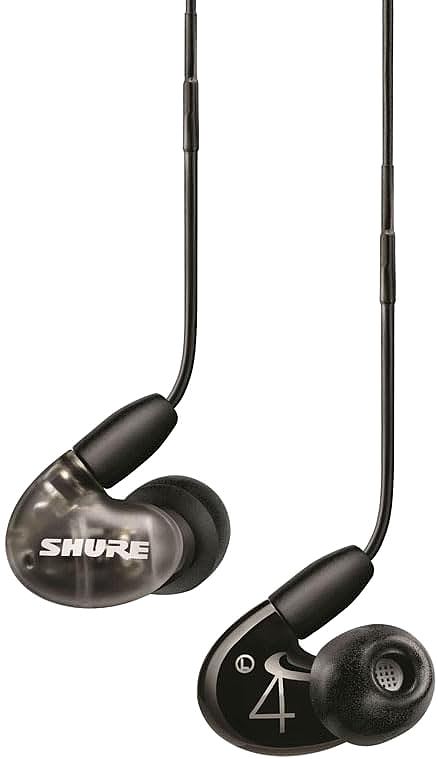
Shure AONIC 4 Wired Sound Isolating Earbuds
Why Expensive In-Ear Monitors Can Sound Worse Than Cheap Earbuds
You just spent three hundred dollars on a pair of professional in-ear monitors. The marketing promised studio-grade clarity, detailed sound reproduction, and isolation that lets you hear every nuance in your music. You plug them in, put them on, and what comes through sounds thin, hollow, and oddly distorted. Your eighty-dollar wireless earbuds actually sound fuller and richer. This experience frustrates countless audiophiles who expect their investment to deliver proportional results.
The disconnect between expectation and reality rarely stems from a defective product. More often it reveals a fundamental misunderstanding about how in-ear monitors actually function acoustically. Unlike over-ear headphones that create a sealed chamber around your ears, in-ear monitors depend entirely on a precise physical seal inside your ear canal to produce their characteristic sound signature. Remove that seal, and the entire frequency response collapses in ways that make expensive driver technology sound worse than budget alternatives.
Understanding Hybrid Driver Architecture
Professional IEMs use what manufacturers call hybrid driver configurations. These devices combine two distinct types of transducers within a single compact housing. Balanced armature drivers handle midrange and treble frequencies with exceptional speed and precision. A separate dynamic driver manages bass reproduction where larger moving elements produce the tactile low-end extension that smaller drivers cannot achieve alone.
This division of labor represents genuine engineering achievement. Balanced armatures excel at rapid transient response, reproducing vocal nuances and instrumental details with minimal distortion. Dynamic drivers, despite being older technology, remain superior for bass because they displace more air and create the pressure waves our ears interpret as low-frequency content. The crossover network between these drivers must operate flawlessly at the transition point, typically around two kilohertz where human hearing shows maximum sensitivity.
When the crossover executes poorly, listeners experience audible dips or peaks that sound artificial. A well-designed hybrid system like the Shure AONIC 4 achieves seamless integration between driver types. The result delivers the detail retrieval of balanced armatures with the physical impact of a dynamic driver. However, this engineering excellence only manifests when the acoustic seal functions correctly.

The Critical Physics of Acoustic Seal
Acoustic seal represents the single most important factor determining in-ear monitor performance. Consider how sound travels from driver to eardrum. In a properly sealed system, the driver pushes air into a confined volume between the ear tip and your eardrum. This enclosed space amplifies low frequencies through pressure buildup, following the same physical principles that make speaker cabinets reinforce bass response.
Break that seal, and the pressure dissipates immediately. Bass frequencies disappear because the physics generating them no longer apply. What remains sounds thin and unbalanced because the frequency response curve has been fundamentally altered by acoustic leakage. The midrange also suffers as high-frequency reflections escape instead of being contained within the monitored space.
Every human ear canal possesses unique geometry. What creates a perfect seal for one person may produce significant leakage for another. This anatomical variation explains why identical earbuds sound dramatically different between listeners. The solution requires experimentation with different tip materials and sizes until finding the combination that creates complete acoustic isolation for your specific anatomy.
Memory foam tips consistently outperform silicone alternatives because they expand to conform precisely to irregular canal contours. Silicone tips rely on compression against relatively smooth surfaces, leaving microscopic gaps that compromise acoustic performance. The measurable difference can exceed ten decibels in bass response between properly sealed foam tips and incorrectly sized silicone options.
Impedance, Sensitivity, and Source Matching
Technical specifications often mislead buyers regarding playback requirements. The AONIC 4 specifies thirty-two ohms impedance, placing it firmly in the easy-to-drive category. Most portable devices can power these earbuds without external amplification. However, impedance alone does not determine usability. Voltage requirements and source output impedance interact in complex ways affecting perceived sound quality.
Many users connect premium earbuds directly to smartphone headphone outputs designed for low-impedance consumer earbuds. These outputs lack sufficient voltage swing to fully activate the dynamic bass driver in professional monitors. The result manifests as compressed, weak bass even when acoustic seal is perfect. Connecting to a dedicated digital audio player or adding a portable amplifier often resolves this issue completely.
Sensitivity ratings indicate how loudly earbuds play at a given input level. Higher sensitivity does not necessarily mean better sound quality. Professional monitoring earbuds prioritize accurate frequency response over loudness. Understanding these distinctions helps buyers select appropriate source equipment and avoid blaming the earbuds for problems caused by inadequate amplification.
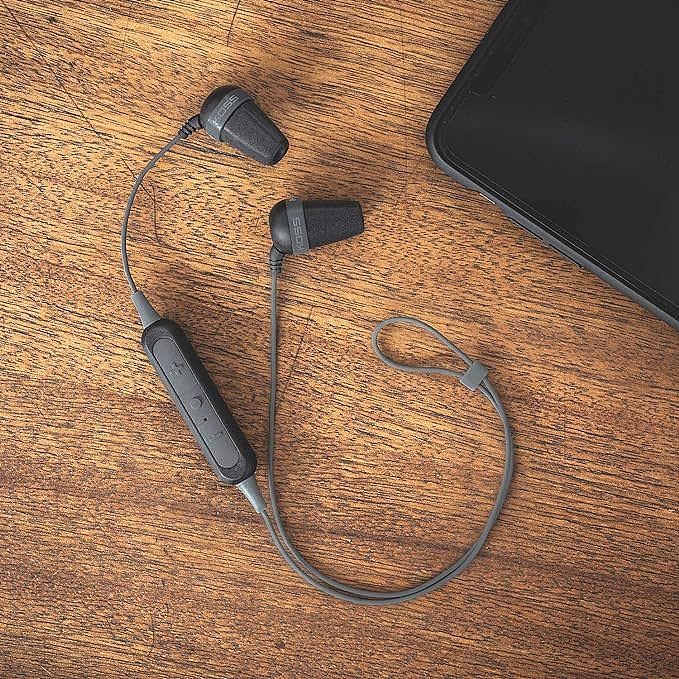
How to Fit and Seal an IEM Correctly
Installing in-ear monitors correctly requires technique most users never learn. The standard insertion method involves pulling the ear upward and outward to straighten the canal, then inserting the earbud at a slight angle before rotating it into position. This creates the vacuum seal necessary for optimal acoustic performance. Most users simply push earbuds straight into floppy canals, guaranteeing inadequate seal.
Testing seal quality requires playing familiar music and observing bass response. If low frequencies feel weak or absent, try the next larger tip size. Continue escalating until bass response improves noticeably. Some users require extra-large tips while others with smaller canals need small or extra-small variants. The included accessory kit provides multiple sizes precisely because ear anatomy varies significantly across populations.
Memory foam preparation matters equally. Roll the tip between fingers until compressed into a tight cylinder, insert quickly before it expands, and hold gently in place for thirty seconds while the foam expands to fill the canal. Rushing this process leaves pockets of uncompressed foam that create leak paths. Taking time during installation pays substantial dividends in sound quality.
When Professional Monitoring Meets Real-World Use
Professional in-ear monitors excel in controlled listening environments where accurate reproduction matters more than bass excitement. Studio musicians benefit from the neutral frequency response that reveals recording flaws and mix imbalances. Podcast producers appreciate speech clarity that makes editing decisions straightforward. Audiophiles valuing detail retrieval over virtual bass enhancement find these systems rewarding once properly fitted.
Casual listeners expecting enhanced bass or colored signatures may find hybrid IEM drivers disappointing. These monitors present music as recorded rather than adding artificial emphasis to any frequency range. This neutrality proves advantageous for critical listening applications but can frustrate users accustomed to consumer earbuds with boosted bass responses.
Understanding why expensive in-ear monitors can sound worse than cheap alternatives empowers buyers to make informed decisions. Proper fitting technique, appropriate source equipment, and realistic expectations transform these professional tools from sources of frustration into gateways for exceptional listening experiences. The technology delivers exactly what engineering promises when users invest time in mastering installation fundamentals.
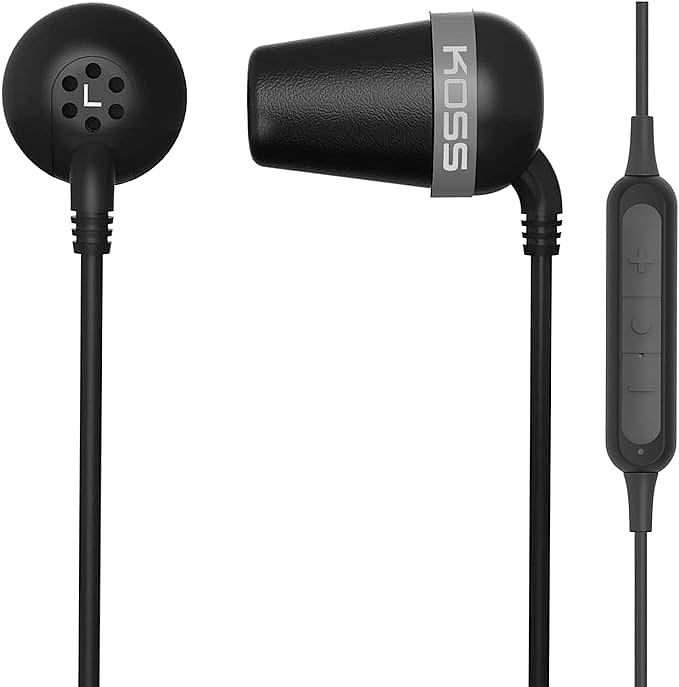
Shure AONIC 4 Wired Sound Isolating Earbuds
Related Essays

Monster Open Ear Headphones Review: Bone Conduction vs Air Conduction Technology

How Open-Ear Headphones Aim Sound at Your Ear and Cancel It Everywhere Else

Moving-Coil Driver Technology: How Modern Headphones Convert Electricity into Sound

Bang Olufsen Beosound Balance: Where Acoustic Engineering Meets Interior Design
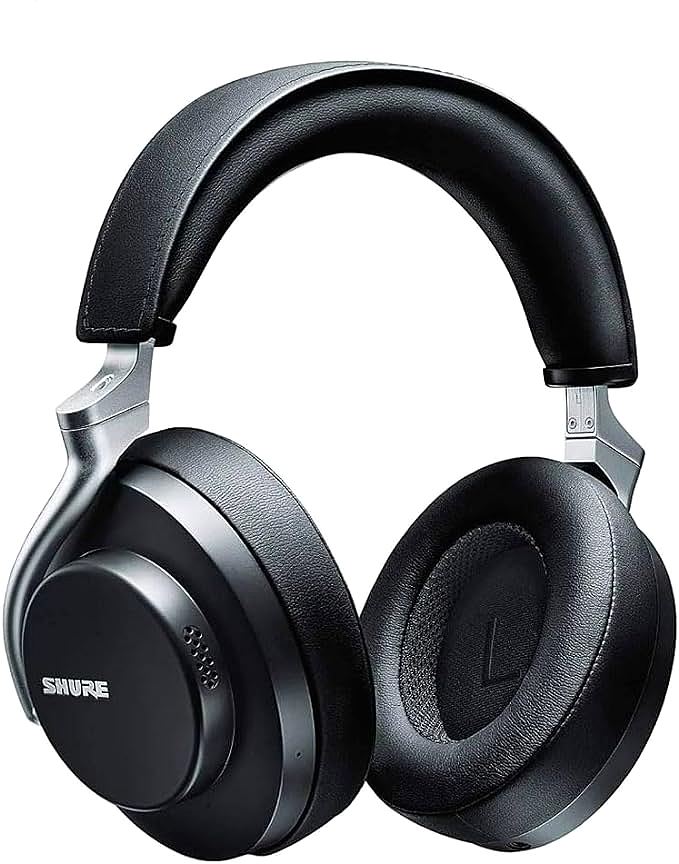
Shure AONIC 50 Gen 1: Adaptive ANC, 46-Hour Battery, and Studio-Grade Acoustics

KZ ZS10 IEM Review: 5-Driver Hybrid for Musicians

JLab vs Soundcore: Sport Earbuds Showdown

Open Ear Earbuds for Running: How Air Conduction Drivers Work
Open Ear Earbuds for Running: How Air Conduction Drivers Work