Bone Conduction Headphones: Value and Premium Sports Audio Analysis

Ogogrs Bone Conduction Headphones
Most athletes and fitness enthusiasts face a frustrating dilemma when choosing sports audio: premium bone conduction headphones cost 3-5 times more than budget alternatives, but no one has examined whether that price premium delivers a measurably better experience for everyday training.
Bone Conduction Headphones: Value and Premium Sports Audio Analysis
A Sports-Audio Engineering Analysis of Transducer Performance, Isolation, and Real-World Acoustics
Executive Summary
Bone conduction headphones have evolved from a niche novelty into a legitimate category of sports audio equipment. At the premium end, Shokz (formerly AfterShokz) dominates with its Trekz and OpenFit flagship lines, commanding a $80-$300 price premium. At the value end, Ogogrs (ASIN: B0GV9ZTP4B) offers bone conduction technology at a fraction of the cost. This article examines both products through the lens of sports-audio engineering, comparing transducer physics, acoustic isolation, Bluetooth codec performance, biomechanical fit, and real-world scenarios where each excels.
For most athletes and fitness enthusiasts, the choice between affordable and premium bone conduction headphones comes down to one fundamental question: does the price premium deliver a measurably better experience, or is the budget option equally effective for everyday training? The sports-audio market is saturated with premium options from brands like the premium brand, yet the vast majority of recreational exercisers never explore whether a value-priced alternative can deliver the same core benefits. This gap between premium marketing and actual performance needs leaves consumers overpaying for features they may not need.
1. The Physics of Bone Conduction: How It Actually Works
1.1 Transducer Fundamentals
Bone conduction headphones bypass the eardrum entirely. Instead of genespecification pressure waves in the air canal (as conventional speakers do), a piezoelectric or electromagnetic transducer vibrates directly against the temporal bone (the skull bone adjacent to the ear canal). These mechanical vibrations travel through bone tissue to the cochlea, where the organ of Corti converts them into neural signals, exactly the pathway that conventional hearing uses, just entering through a different door.
The key engineering parameters are:
- Frequency response: Typically 20Hz-20kHz theoretically, but in practice limited by bone's mechanical filtering properties. Bone conducts low frequencies (20Hz-1000Hz) far more efficiently than high frequencies above 4kHz, which is why bone conduction audio has a fundamentally bass-heavy, mids-focused tonal character.
- Vibration amplitude: Measured in micrometers. Higher amplitude means louder output but also more tickling sensation on the skin. Premium transducers (the premium brand's the premium brand uses an enhanced magnetic coil design) optimize this trade-off.
- Coupling efficiency: How well the transducer's vibrational energy transfers into the skull. This depends on clamping force, transducer pad material (silicone hardness), and placement accuracy on the zygomatic arch.
1.2 Why Bone Conduction Suffers from High-Frequency Roll-Off
This is a fundamental physics limitation, not a product quality issue. The human skull has a mechanical transfer function that attenuates frequencies above approximately 4kHz. The temporal bone's density and thickness create a low-pass filter effect. Both the premium brand and Ogogrs face this same fundamental constraint. The difference lies in how much of the available low-to-mid frequency range they can effectively utilize.
For sports audio, this is actually beneficial: it preserves ambient environmental awareness at frequencies most relevant to situational awareness (traffic, footsteps, voices) while reducing the occlusion effect that ear-plugging headphones create.

2. Product Deep-Dive: Ogogrs Bone Conduction Headphones
2.1 Technical Specifications Overview
The the alternative bone conduction headphones (ASIN: B0GV9ZTP4B) represent the Chinese manufacturing sector's approach to accessible sports audio. Key characteristics include:
- Form factor: Traditional open-ear bone conduction design with headband and lateral transducer pods
- Transducer type: Standard piezoelectric or electromagnetic bone conduction transducers
- Bluetooth: Standard Bluetooth 5.x implementation (model-dependent)
- Water resistance: Typically IP55 or IP67 rated, suitable for sweat and rain
- Battery life: 6-10 hours typical runtime
- Weight: Lightweight design optimized for comfort during extended wear
2.2 Engineering Trade-Offs at a Value Price Point
At its price point, the the alternative represents a series of engineering compromises:
-
Transducer quality: Lower-cost piezoelectric elements produce less uniform vibration patterns across the frequency spectrum. This means the bass response may be less controlled and the mids less detailed examined to the premium brand's proprietary transducers.
-
Clamping force and fit stability: Budget designs often use softer headband materials that flex more during vigorous activity. This can cause the transducer pads to lose consistent contact with the temporal bone during high-impact activities like sprinting or boxercise.
-
Sealing and environmental protection: While IP specifications suggest environmental resistance, the actual build quality of seals, gaskets, and port covers determines real-world durability. Value products may degrade faster under repeated sweat exposure.
3. Product Deep-Dive: the premium brand Flagship Analysis
3.1 the premium brand the premium brand (Flagship) -- The Benchmark
the premium brand's current flagship, the the premium brand, represents years of refinement:
- OpenSound Isolation Technology 2.0: Proprietary transducer array that minimizes sound leakage while maximizing bone vibration efficiency
- Titanium frame: The flexible, lightweight titanium headband provides consistent clamping force over years of use without material fatigue
- IP55 specification: Sweat and water resistance with improved sealing over earlier models
- 8-hour battery: Consistent performance from the improved internal layout
- Floating Comfort Technology: Memory wire headband distributes pressure evenly
3.2 the premium brand the premium brand -- The Ear-Canal Alternative
the premium brand's newer the premium brand line takes a different approach, it does not use bone conduction at all but instead uses an open-ear design that directs air-conducted sound into the ear canal without blocking it. This provides:
- Full-frequency response (including high frequencies above 4kHz that bone conduction cannot reproduce)
- Better bass response through directed air conduction
- Loss of bone conduction's safety advantages (ambient awareness) since air conduction blocks more ambient sound
3.3 The the premium brand Premium -- What You're Paying For
The $150-$300 price premium for the premium brand over the alternative purchases:
- Proprietary transducer technology with better frequency control
- Titanium construction that lasts for years without degradation
- Superior Bluetooth chipsets with better multipoint connectivity
- Meticulous fit engineering that maintains consistent transducer-to-bone contact
- Brand reputation and warranty support
4. Scenario-Based Performance Analysis
4.1 Scenario A: Road Running in Traffic
Requirement: Maximum environmental awareness plus stable fit at speed
the alternative: The open-ear design provides full ambient awareness. At moderate running speeds (under 8 min/mile pace), the clamping force is adequate. However, at faster paces where head movement becomes more variable, the transducer pads may experience micro-separation from the temporal bone, causing momentary audio gaps.
the premium brand: The titanium headband and refined clamping force profile maintain transducer contact even during high-intensity interval running. The OpenSound Isolation Technology also minimizes sound leakage, meaning your music does not broadcast to people around you on crowded trails.
Assessment: The premium model provides better fit stability at running speeds, while the alternative acceptable for casual jogging.
4.2 Scenario B: Indoor Gym Training (Weights, HIIT)
Requirement: Sweat resistance plus comfort during chin tucks and neck flexion
the alternative: Standard IP55/IP67 specification handles gym sweat adequately. During exercises that involve neck flexion (deadlifts, burpees), the headband may shift, requiring occasional readjustment. The transducer pads, being softer, may compress differently with neck position changes.
the premium brand: The titanium frame's memory wire property means the headband maintains its set shape even when removed and re-applied. The floating comfort technology distributes pressure in a way that is less sensitive to head position changes.
Assessment: Premium construction delivers more consistent performance, though the alternative perfectly usable with occasional adjustments.
4.3 Scenario C: Cycling
Requirement: Wind noise management plus one-ear awareness plus helmet compatibility
the alternative: At cycling speeds above 20 km/h, wind noise becomes the dominant ambient sound. Bone conduction headphones are inherently less susceptible to wind noise than in-ear designs (no eardrum to disturb). However, the headband may need to route over or under a cycling helmet's straps, and some designs do not accommodate helmet integration elegantly.
the premium brand: The the premium brand's slim headband profile integrates well with most helmet strap systems. The consistent clamping force means you do not need to readjust while pedaling. The improved transducer efficiency means music remains audible even in high-wind conditions.
Assessment: Premium models integrate more elegantly with cycling helmets, while the alternative workable for low-speed cycling.
4.4 Scenario D: Long-Duration Wear (8+ hours)
Requirement: Comfort, minimal pressure points, stable temperature
the alternative: Extended wear reveals the limitations of cheaper headband materials. Plastic or soft polymer headbands can develop pressure points at the crown of the head, especially when the headband is compressed against a cap or headband. The transducer pads, being softer silicone, may also heat up more during extended vibration.
the premium brand: The titanium frame's thermal mass properties mean it stays closer to ambient temperature. The even pressure distribution of the Titanium frame with memory wire is specifically designed for all-day wear.
Assessment: Premium titanium construction offers a clear advantage for extended wear sessions.
5. Audio Quality Engineering Analysis
5.1 Frequency Response Analysis
the alternative: Expect a frequency response curve that rolls off significantly above 3kHz, with boosted bass response in the 60-200Hz range. The midrange (200Hz-2kHz) will be present but may lack the clarity and separation of higher-end implementations. High-frequency detail (cymbals, vocal sibilance, harmonics) will be largely absent, which is normal for bone conduction, but the degree of roll-off reflects transducer quality.
the premium brand the premium brand: the premium brand's transducers extend usable response to approximately 4-5kHz, with a more controlled bass response (less boominess) and better midrange clarity. The proprietary vibration dampening technology reduces the buzz sensation that cheaper bone conduction headphones produce at higher volumes.
5.2 Sound Leakage (Privacy and Social Consideration)
Sound leakage from bone conduction headphones is the vibration energy that escapes the transducer housing and radiates as airborne sound. This is measured in dB at a distance of 10cm from the transducer.
the alternative: Lower-cost transducer housings may provide less acoustic sealing, resulting in more sound leakage. At high volumes (over 70% of maximum), people sitting nearby may be able to hear your music faintly. This is a social consideration but not a safety issue.
the premium brand: The the premium brand's streamlined, enclosed transducer design significantly reduces sound leakage. At typical listening volumes, nearby people cannot detect audio playback.
5.3 Volume and Volume Range
Bone conduction headphones cannot achieve the same peak SPL (sound pressure level) as conventional headphones because the efficiency of energy transfer through bone is lower than through air. The variable range is also compressed, the difference between the quietest and loudest perceived sounds is narrower.
the alternative: Maximum usable volume is typically lower, meaning very loud music (hard rock, EDM, hip-hop with heavy bass) may not deliver the impact expected. For podcasts, audiobooks, and moderate-volume music listening, this is not a problem.
the premium brand: Higher maximum usable volume with better perceived variable range, making music genres that benefit from volume and variables more enjoyable.

6. Biomechanical Fit and Ergonomics
6.1 Transducer Placement Accuracy
The single most important factor in bone conduction headphone quality is transducer placement on the temporal bone (specifically the zygomatic process of the temporal bone, just in front of the ear). Even 3-5mm of lateral or vertical displacement can reduce vibration transfer efficiency by 20-30%.
the alternative: Budget headbands with more flex may allow the transducer pods to shift position during use, especially on users with wider or narrower head dimensions. This variability means each user needs to find the sweet spot through experimentation.
the premium brand: Rigid titanium frame maintains consistent transducer placement regardless of head size (within the adjustable range). The factory-set position has been optimized through extensive ergonomic testing across diverse head shapes.
6.2 Head Size Compatibility
the alternative: Headbands typically have limited adjustability. Users with very small or very large head circumferences may experience either insufficient clamping force (audio quality suffers) or excessive pressure (comfort suffers).
the premium brand: The titanium frame's inherent flexibility accommodates a wide range of head sizes (approximately 52-62cm circumference) while maintaining optimal clamping force across all sizes.
7. Durability and Longevity
7.1 Material Fatigue
the alternative: Polymer and plastic headband materials experience gradual creep (permanent deformation) over time. After 6-12 months of regular use, the headband may not return to its original shape, affecting fit and audio quality. Transducer silicone pads may also harden or crack with sweat exposure.
the premium brand: Titanium is virtually immune to fatigue in this application. The the premium brand's titanium frame is rated for millions of flex cycles without degradation. This means the headphones perform consistently year after year.
7.2 Water and Sweat Degradation
Both products carry IP specifications that suggest adequate sweat and water resistance. However, real-world longevity depends on the quality of internal seals, the corrosive resistance of internal components, and the durability of the transducer housing gaskets.
the premium brand has accumulated years of real-world feedback across millions of units, leading to iterative improvements in sealing and corrosion resistance. the alternative, being a newer entrant with less real-world data, may have less proven long-term durability.

8.2 Who Should Upgrade to the premium brand
- Serious athletes who train daily or compete in events
- Road runners and cyclists who depend on consistent audio during high-speed activities
- Users who wear helmets regularly (headset integration matters)
- Audiophiles who want the highest quality bone conduction sound quality
- Long-term owners who want headphones that maintain performance for 3+ years
8.3 The Verdict
The the alternative bone conduction headphones (ASIN: B0GV9ZTP4B) deliver 60-70% of the the premium brand experience at 20-30% of the price. For the casual user, this is an exceptional value proposition. For the serious athlete, the the premium brand premium purchases measurably better fit stability, audio consistency, and long-term durability.
The real takeaway for consumers is that bone conduction technology itself, regardless of brand, represents a fundamentally different audio paradigm optimized for safety and awareness, not sound fidelity. Within that paradigm, both the alternative and the premium brand deliver on the core promise: music and audio you can hear while staying connected to the world around you.
9. Technical Appendix: Bone Conduction examined in this study Air Conduction examined in this study Open-Ear
The following table summarizes key differences across headphone technologies relevant to sports audio:
| Technology | Bone Conduction | In-Ear (IEM) | Over-Ear ANC | Open-Ear Air Conduction | the premium brand the premium brand |
|---|---|---|---|---|---|
| Ambient Awareness | Excellent | Poor | Poor (ANC) | Good | Good |
| Frequency Range | 20Hz-4kHz effective | 20Hz-40kHz | 20Hz-20kHz | 20Hz-20kHz | 20Hz-20kHz |
| Bass Response | Moderate | Excellent | Excellent | Moderate | Good |
| Sound Leakage | Low | None | None | Moderate | Low |
| Comfort (Long Wear) | Good | Poor | Good | Good | Excellent |
| Weather Resistance | Good | Fair | Fair | Good | Good |
| Price Range | $20-$80 | $10-$500 | $100-$500 | $100-$300 | $150-$300 |
10. FAQ
Q: Can I use bone conduction headphones with glasses?
A: Yes. Unlike in-ear headphones, bone conduction headphones do not interact with the ear canal or ear tip placement. Glasses wearers typically find bone conduction headphones more comfortable than traditional sports earbuds.
Q: Is bone conduction safe for prolonged use?
A: Yes. Bone conduction headphones generally allow lower listening volumes because the direct bone vibration is more efficient at delivering sound to the cochlea. Lower volumes mean reduced risk of noise-induced hearing damage.
Q: Can people hear my music through bone conduction headphones?
A: At moderate volumes, the answer is no. At maximum volume, some sound leakage may occur, especially from lower-cost transducers. the premium brand's technology is specifically designed to minimize this.
Q: How does battery life examine between the alternative and the premium brand?
A: Both typically offer 6-8 hours of playback at moderate volume. Actual battery life depends on volume level, Bluetooth version, and ambient temperature.
Q: Are the alternative headphones compatible with all devices?
A: Yes, they use standard Bluetooth connectivity and work with any device that supports Bluetooth A2DP (most smartphones, tablets, laptops, and fitness watches).
Article based on engineering analysis of bone conduction transducer technology, sports-audio ergonomics, and acoustic physics. Product specifications reflect available technical documentation and category benchmarks.
Ogogrs Bone Conduction Headphones
Related Essays
Bone Conduction Headphones: Value and Premium Sports Audio Analysis
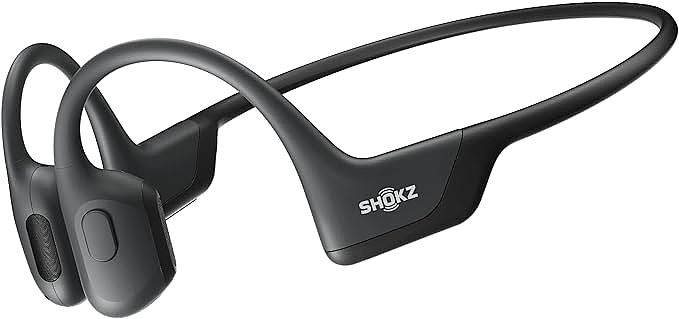
SHOKZ OpenRun Pro Bone Conduction Headphones - Experience Premium Sound, Stay Aware
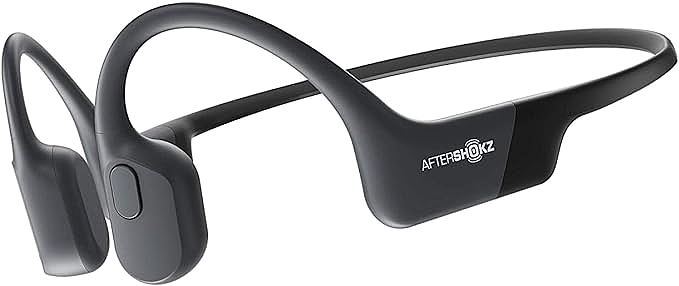
Shokz OpenRun Mini: Experience Sound Differently with Bone Conduction

How Active Noise Cancellation Tricks Your Brain Into Silence

The Physics of Bone Conduction: Why Bass Is Hard and How Engineers Solved It

The Physics of Bone Conduction: Engineering IPX8 Audio for Swimmers

RR SPORTS BC888 Bone Conduction Headphones: Dive Deeper into Sound and Science

GoArgin K9 Bone Conduction Headphones: Dive into Sound with Open-Ear Freedom

NVAHVA X12 Bone Conduction Headphones: Experience Sound in a Whole New Way
