Beyond the Spec Sheet: Decoding the Tech That Defines True Sport Earbuds
Update on Nov. 14, 2025, 8:37 a.m.
We live in an age of abundant choice, especially in personal audio. The market for wireless sport earbuds is flooded with options, all seemingly shouting the same specifications: Bluetooth 5.3, IPX7 waterproofing, massive drivers, and incredible battery life. But when every spec sheet looks identical, how do you determine what’s a genuine performance feature and what’s just a numbers game?
The answer lies not in the specs themselves, but in the engineering principles behind them. The true test of a sport earbud isn’t its spec sheet; it’s how those specs translate to real-world stability, durability, and usability during intense activity. Today, we’re pulling back the curtain. We’ll decode the core technologies that define a true sport-focused earbud, using a modern example like the IXEKTB BX30 to illustrate these principles in action. This isn’t a review; it’s a guide to understanding the engineering you’re investing in.
The Anchor: Why Stability is Non-Negotiable
Before sound, before battery, comes stability. If an earbud falls out mid-sprint or during a box jump, every other feature becomes irrelevant. This is the first principle of sport audio engineering.
The primary enemy is physics: the sharp, repetitive impacts and multi-directional forces of strenuous exercise. An earbud’s design must actively counteract gravity and inertia. This is where “ergonomic design” becomes more than a marketing term.
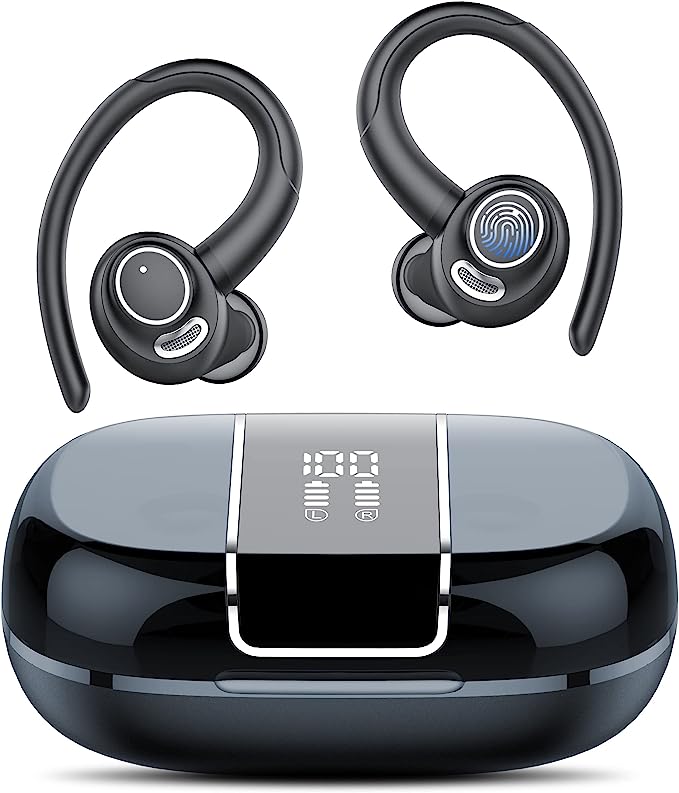
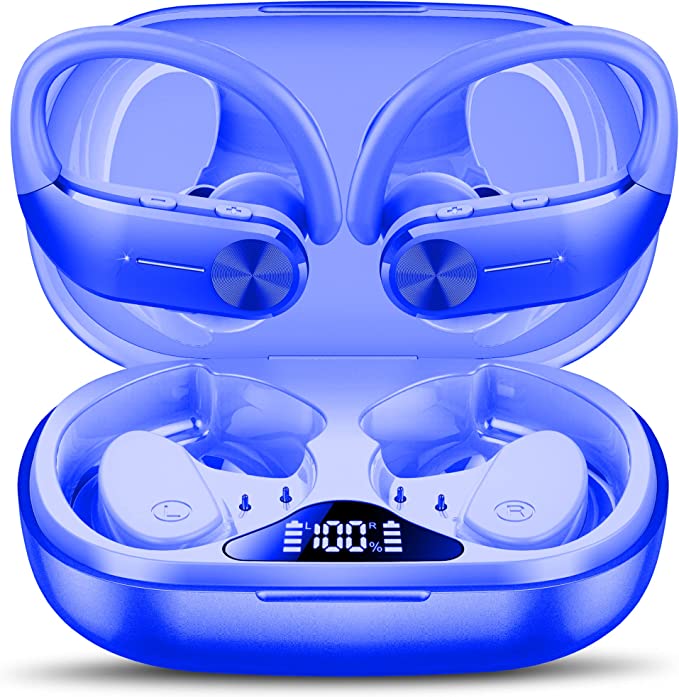
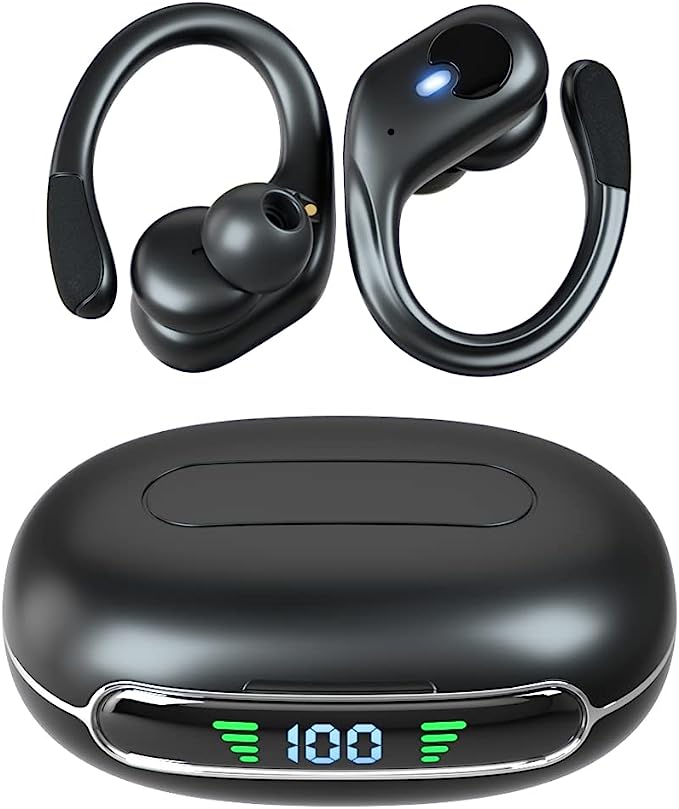
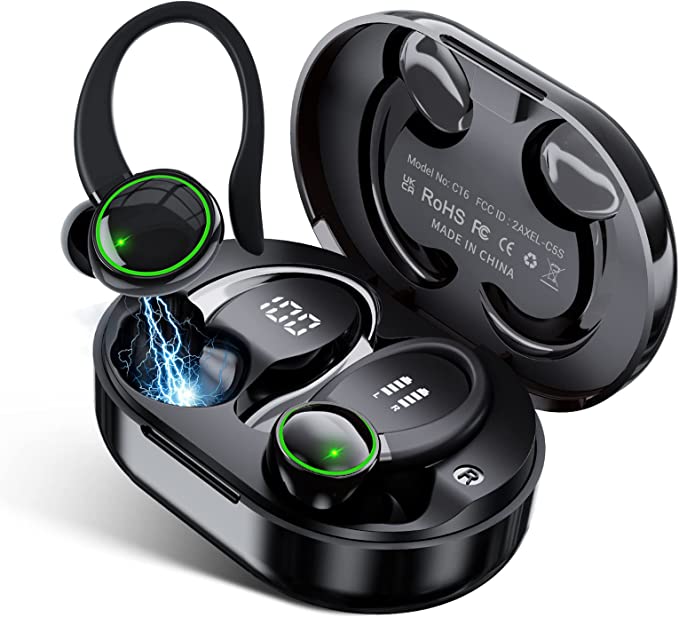
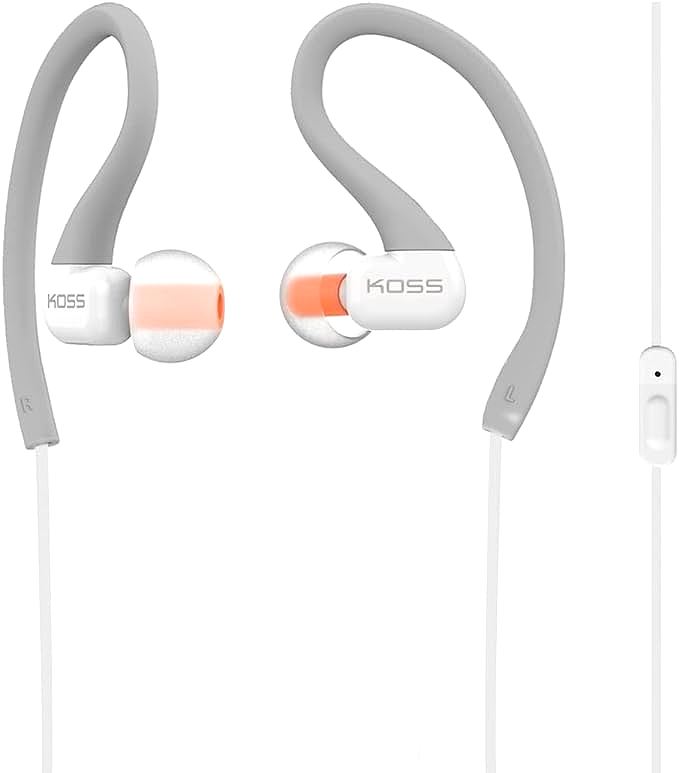
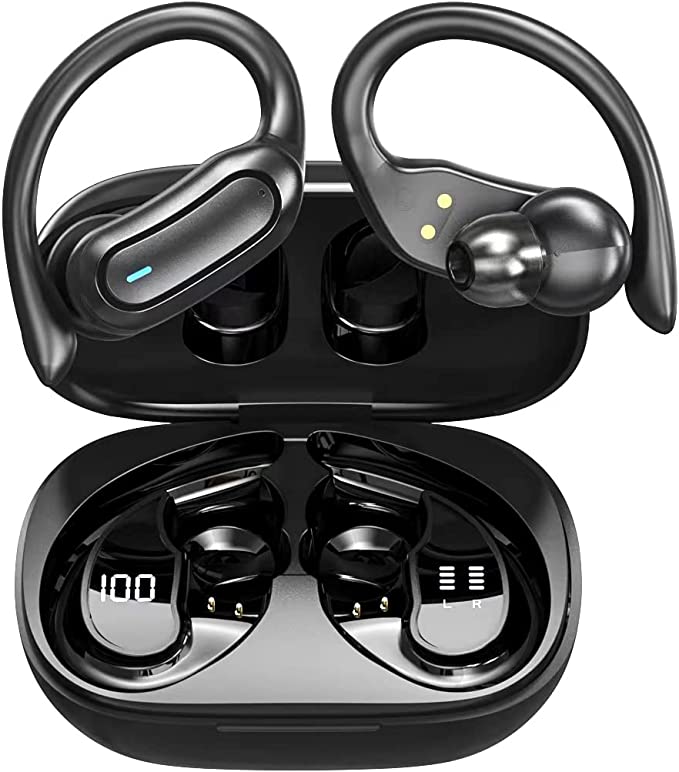
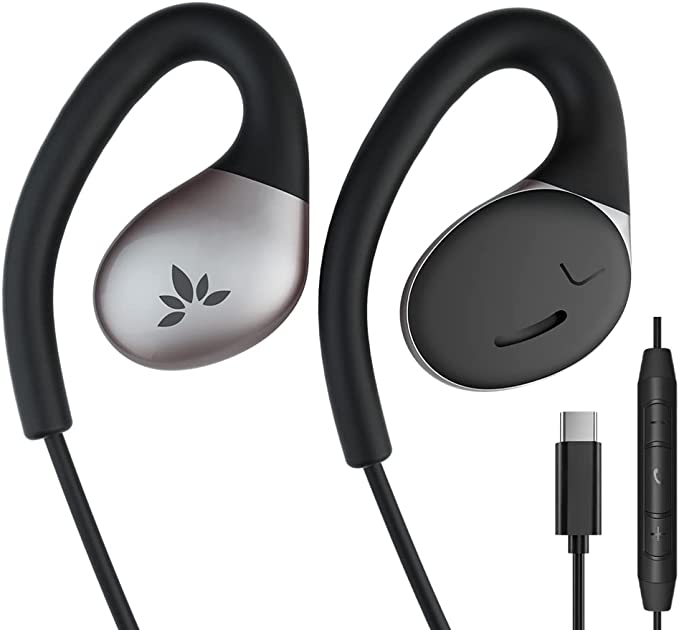
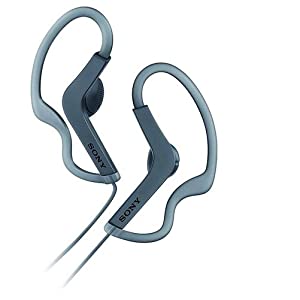
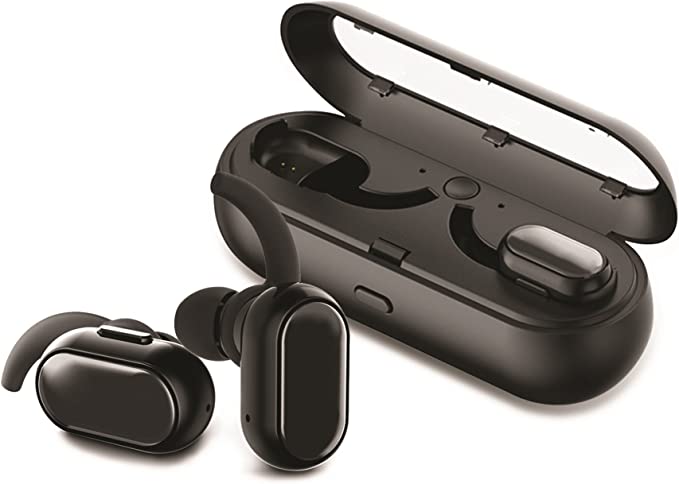
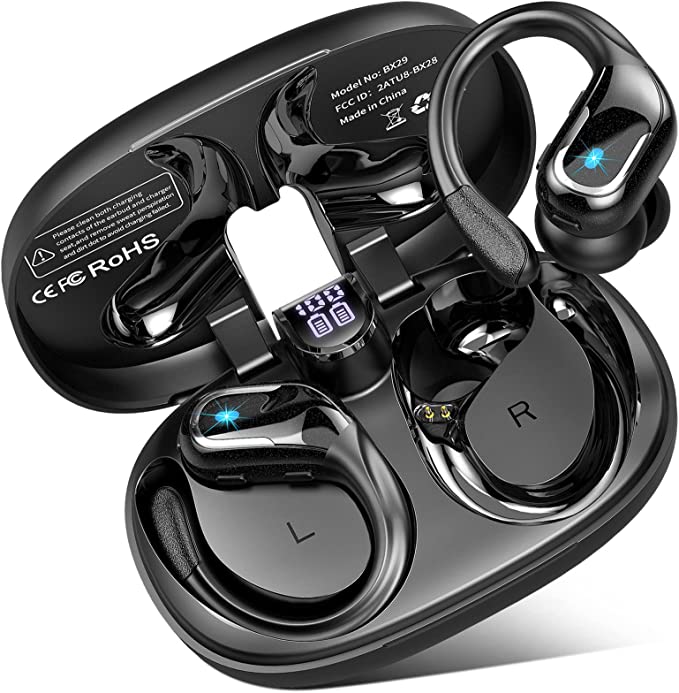
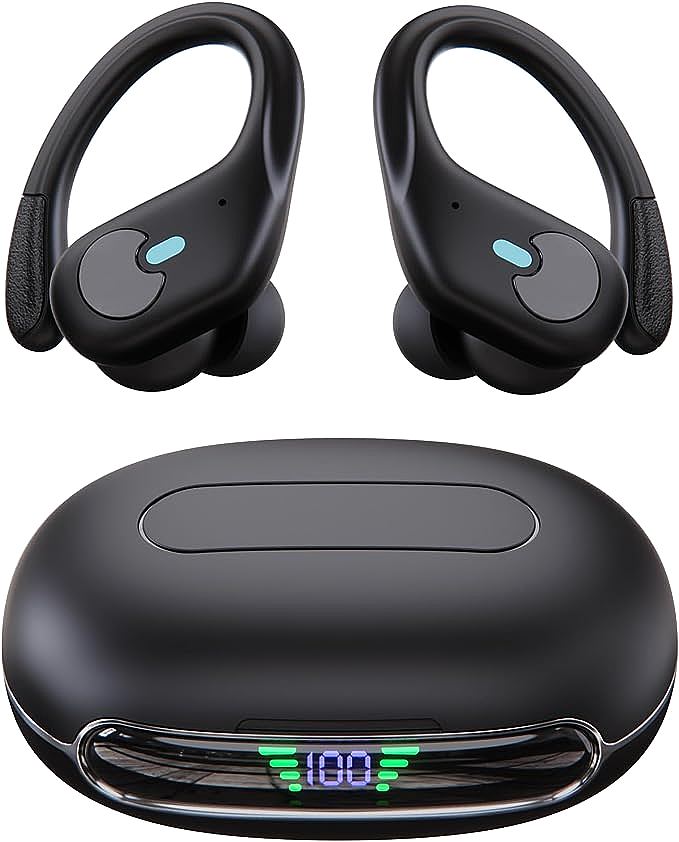
- The Earhook Solution: While many earbuds use “ear wings” that wedge into the folds of your ear (the concha), the most robust solution for high-impact activity is often the over-ear earhook. This design, as seen on the BX30, adds a critical second point of contact, looping over the top of your ear (the pinna). This hook acts as an anchor, distributing weight and, most importantly, preventing the earbud from being dislodged by vertical jolts.
- The Acoustic Seal: Stability is a two-part equation. The hook provides the anchor, but the in-ear tip provides the seal. This is why the inclusion of multiple ear tip sizes (commonly S, M, L) is not an afterthought; it’s fundamental. A proper seal is essential for:
- Passive Noise Isolation: Physically blocking out gym noise.
- Audio Fidelity: Securing the earbud in the ear canal to deliver the full audio spectrum, especially bass.
- Final Stability: Creating a snug fit that complements the work of the earhook.
A design that combines flexible, secure-fit earhooks with customizable ear tips is a clear signal of a product built with stability as its primary engineering goal.
The Shield: IPX7 and the True Enemy (It’s Not Just Water)
“Waterproof” is perhaps the most misunderstood specification. Many see an IPX7 rating and think, “Great, I can swim with it.” This is a misconception.
Let’s decode the rating. The “IP” stands for Ingress Protection. The “X” means it hasn’t been rated for dust. The “7” signifies it can survive submersion in up to 1 meter of clean water for 30 minutes under lab conditions.
But the real-world enemy for a sport earbud isn’t a swimming pool; it’s sweat. Sweat is far more corrosive than clean water. It’s a saline solution, often acidic, that relentlessly attacks seams, charging contacts, and acoustic meshes.
An IPX7 rating is the gold standard for sport use because it provides the necessary engineering headroom. A device built to withstand full submersion has seals and component protections robust enough to reliably defend against the continuous, high-pressure assault of sweat and humidity during an intense workout. It’s not about surviving a drop in a puddle; it’s about surviving thousands of hours of perspiration.
The Engine: Does a 14.5mm Driver Guarantee Better Sound?
After stability and durability, we get to the sound. You’ll often see sport earbuds advertising massive dynamic drivers—for example, the 14.5mm drivers found in the BX30. In the tiny world of earbuds, this is indeed very large.
- The Principle: A larger diaphragm (the part that vibrates to create sound) can move more air. All else being equal, moving more air allows for a more powerful and extended low-frequency (bass) response. During a workout, this is highly desirable. A strong, driving bass rhythm can be a powerful motivator.
- The Catch: Size is not the only thing that matters. A large driver, if poorly controlled, can sound “boomy” and slow, muddying the midrange and treble. Audio quality is a delicate balance of driver size, diaphragm material, magnet strength, and, crucially, the acoustic chamber design.
Some models, including the BX30, specify a “dual-chamber” unit. This is an advanced acoustic tuning technique. By creating distinct spaces within the earbud housing, engineers can better manage airflow and resonance. One chamber might be tuned to optimize the power of the large driver’s bass, while the other helps ensure the midrange (vocals) and treble (cymbals) remain clear and balanced.
A 14.5mm driver is a signal of potential—a clear design choice prioritizing a powerful, full-bodied sound. When paired with terms like “dual-chamber,” it indicates an engineering attempt to harness that power without sacrificing clarity.
The Lifeline: Bluetooth 5.3, Battery, and Call Clarity
Finally, we have the “quality of life” features, which are powered by the core electronics.
- Bluetooth 5.3: The number “5.3” isn’t just marketing. This iteration of the Bluetooth standard offers significant improvements in connection stability, efficiency, and latency. In a crowded gym—filled with dozens of other Bluetooth devices, Wi-Fi signals, and electronic interference—a more stable connection is critical. It means fewer dropouts and audio stutters, letting you stay focused.
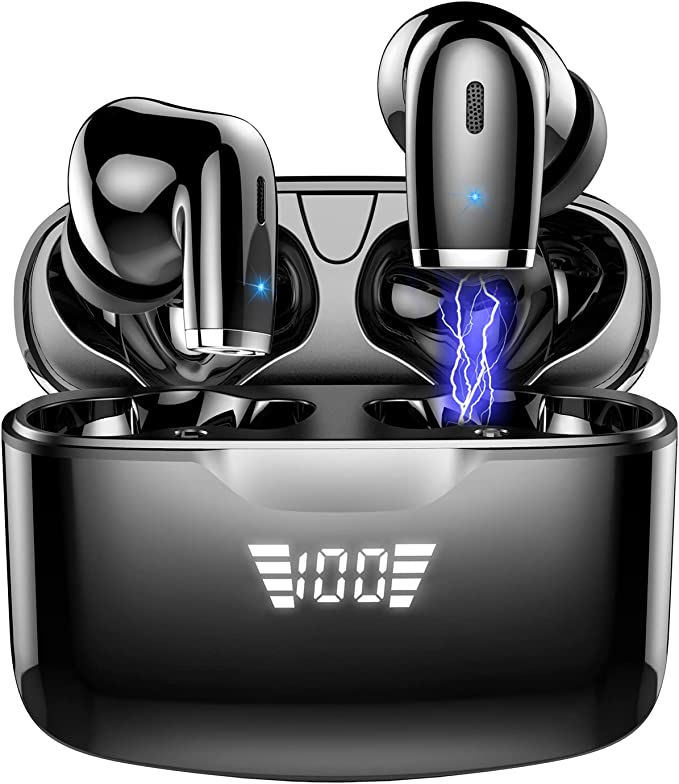
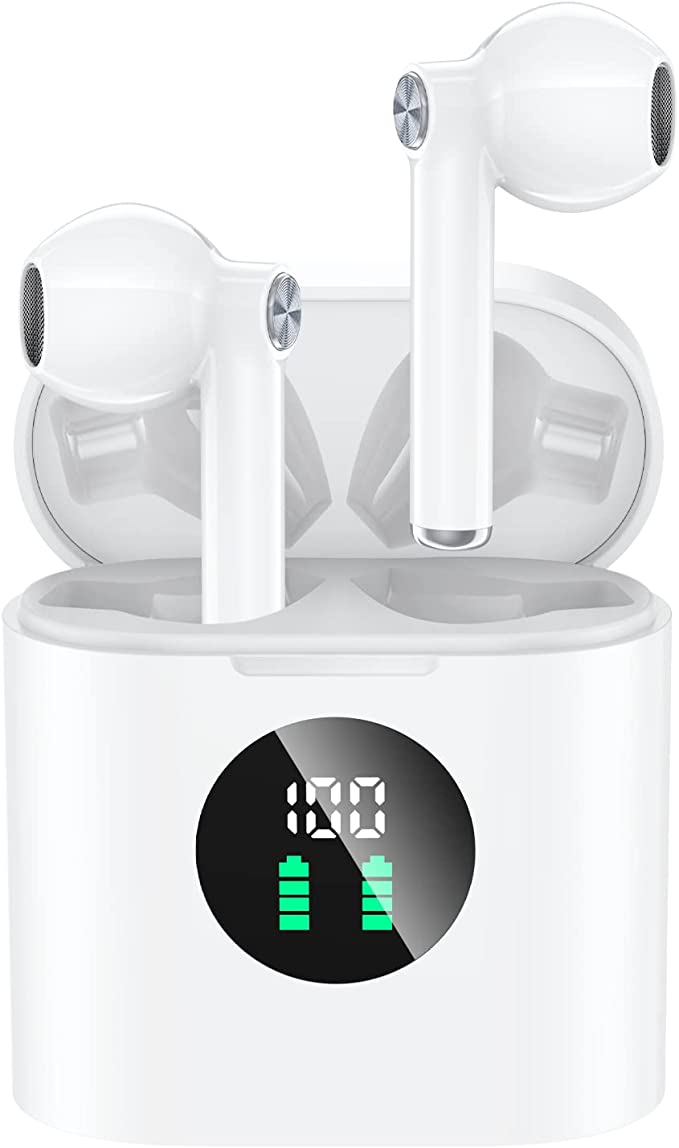
- Battery Endurance (10 vs. 60 Hours): Pay attention to two numbers. The earbud playtime (e.g., “up to 10 hours”) is the critical one for athletes. This figure tells you if the buds will outlast your longest run, ride, or workout session. The total playtime (e.g., “60 hours” with the case) is a convenience metric. It means you might only need to charge the case once a week. Features like an external LED display showing the case and earbud power are huge usability wins, eliminating battery anxiety.
- Call Clarity (ENC): When an earbud claims “sound canceling,” it’s often referring to the microphone, not the listening experience (which is Active Noise Cancelling, or ANC). These earbuds often use Environmental Noise Cancellation (ENC), employing two or more microphones. One mic focuses on your voice, while the others capture ambient noise. A processor then subtracts the noise from the signal, “making you sound clear and loud” to the person on the other end of the call, even in a noisy environment.
- Physical Buttons: While touch controls look sleek, physical buttons are often superior for sport. When your hands are sweaty or you’re wearing gloves, the tactile “click” of a real button for volume or track control is far more reliable than a finicky touch surface.
Coda: Engineering for Purpose
When you’re shopping for your next pair of sport earbuds, look beyond the numbers. Understand the “why” behind them. Stability is paramount, so look for purposeful designs like earhooks. Durability is key, so demand the engineering headroom of an IPX7 rating. A large driver is a sign of powerful sound, but look for tuning features that promise balance.
A well-engineered sport earbud is a system where all these components—from the physical hook to the Bluetooth chip—work in concert to deliver a seamless experience. Models like the IXEKTB BX30 demonstrate how these targeted engineering choices come together to create a tool truly built for the athlete.