Marshall Mode EQ Specifications, Setup, and the Analog Circuit Behind Two Sound Profiles

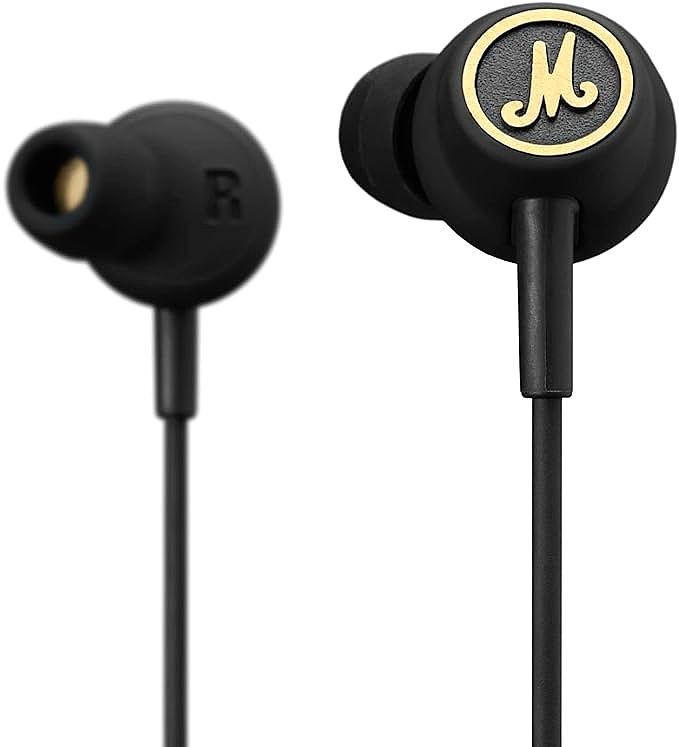
Marshall 04090940 Mode EQ Wired in-Ear Headphones
Plug a pair of headphones into a phone, press play, and sound comes out. The simplicity hides a chain of engineering decisions that determine whether what you hear resembles a live performance or a telephone call. The Marshall Mode EQ sits in an interesting position: a wired in-ear headphone at roughly fifty dollars that carries a physical toggle to reconfigure its own frequency response through analog circuitry rather than software.
That toggle is rare. Most headphones at this price point ship with a single, fixed voicing. The ones that offer EQ do it through an app, a digital signal processor, or both -- adding latency, battery drain, and a dependency on firmware updates. The Mode EQ does it with a mechanical switch and a resistor network. What follows is a technical examination of how that circuit works, what the rest of the engineering supports, and how to get the most out of it.
Core Specifications
The baseline specifications define the canvas on which the EQ system operates.
| Parameter | Value | Engineering Significance |
|---|---|---|
| Impedance | 39 ohms +/- 15% | Low enough for smartphone amplifiers, high enough to maintain damping factor across most source devices |
| Sensitivity | Approximately 106 dB/mW | Moderate efficiency; adequate volume from portable sources |
| Frequency Response (EQ1) | 20 Hz to 20 kHz | Standard full-range coverage with relatively flat tuning |
| Frequency Response (EQ2) | 20 Hz to 18 kHz | Low-to-mid frequency shelf boost in the 100-400 Hz region, approximately 3-5 dB above baseline |
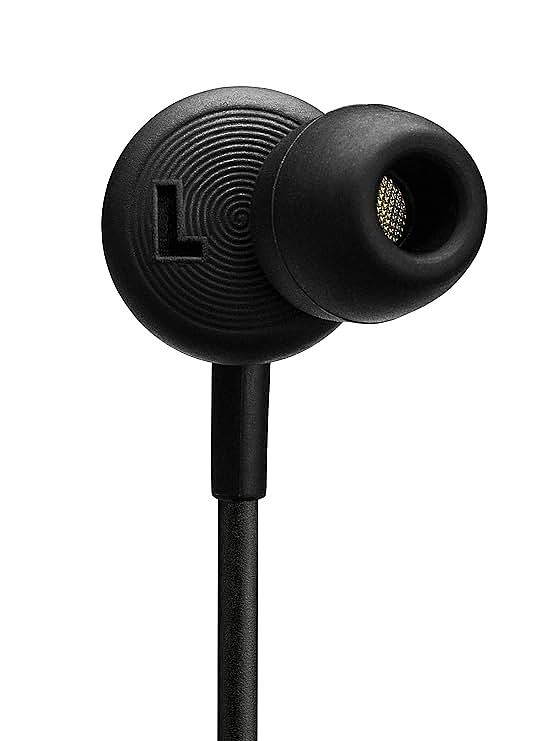
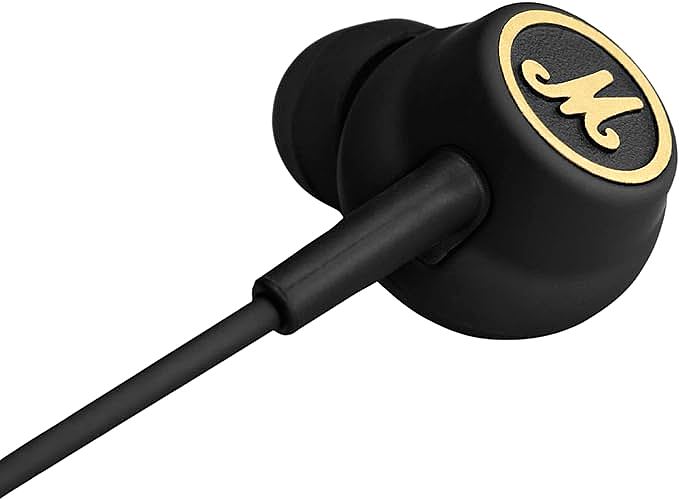
| Driver | 10 mm coated polyester voice coil | Warm tonal character with adequate bass authority |
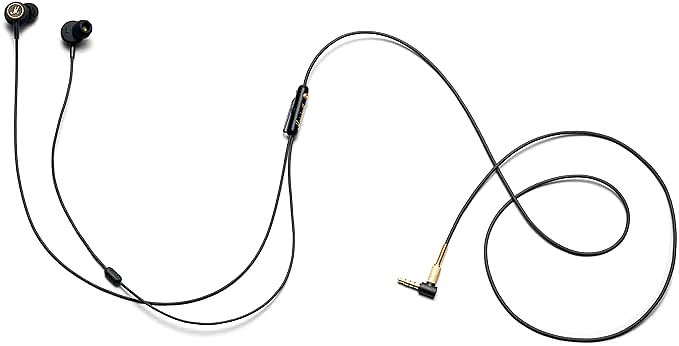
| Connector | L-type 3.5 mm gold-plated | Four-contact design with ground ring; rated for over 5,000 insertion cycles |
| Cable Length | 1.2 meters | Standard for portable use |
| Weight | Approximately 130 grams with cable | Light enough for multi-hour sessions without fatigue |
| Ear Tips | Four sizes (S/M/L/XL), silicone and foam | Covers the statistical distribution of ear canal geometries |
The 39-ohm impedance is a deliberate compromise. At 16 ohms, the headphone would draw more current than some smartphone amplifiers can supply cleanly. At 150 ohms, those same amplifiers would struggle to produce adequate sound pressure. The 39-ohm value sits in a zone where phones, tablets, and laptops can drive the headphone to comfortable levels while maintaining reasonable driver control. This matters for the EQ system because both modes must function correctly regardless of source device. By keeping impedance moderate, the engineering team reduced variability introduced by different amplifiers' output impedance.
The Analog EQ Circuit
The dual-mode EQ is the defining feature, and its implementation is simpler than most assume. There is no digital signal processor, no Bluetooth codec negotiation, and no app required. The toggle on the inline remote connects and disconnects a passive filter network built from resistors and capacitors.
In EQ1 mode, the audio signal travels through the cable with minimal additional filtering. The headphone reproduces sound according to its native driver tuning -- a relatively balanced presentation with slight warmth in the lower midrange. In EQ2 mode, the switch engages a parallel resistor-capacitor network that reduces the attenuation of bass and lower-midrange frequencies relative to the upper midrange and treble. The result is a perceived boost in the 100-400 Hz region of approximately 3-5 dB.
This analog approach has three consequences. First, switching is instantaneous -- no processing latency because no processing occurs. Second, behavior is deterministic. Unlike software EQ that can introduce quantization noise, a passive resistor network behaves identically every time, regardless of firmware version or battery level. Third, the trade-off is precision: the passive RC network produces a broad, gradual curve rather than the surgical parametric adjustments a digital EQ can achieve. For this price category, the broad-stroke approach serves its purpose well.
Frequency Response and Music Pairing
The two EQ profiles map onto different listening scenarios with reasonable clarity.
EQ1, with its flatter response, suits material that benefits from transparency. Classical music, acoustic recordings, jazz ensembles, and vocal-centric tracks sound more natural. Instruments maintain their relative positions in the frequency spectrum without one range dominating another.
EQ2, with its bass and lower-midrange emphasis, suits rhythm-driven music where low-frequency energy carries the emotional weight. Electronic music, hip-hop, R&B, and modern pop productions benefit from the shelf boost. Drum machines gain additional impact, bass synth lines fill out the lower register, and the overall presentation takes on a warmer, more powerful character.
The difference becomes more noticeable at moderate volumes. At very low volumes, the flat response of EQ1 may sound thin because human ear sensitivity to bass decreases disproportionately at low sound pressure levels -- a phenomenon documented by Fletcher and Munson's equal-loudness contour research. Listeners who prefer quiet background listening may find EQ2 more satisfying even with genres that nominally suit EQ1.
The L-Type Connector: Engineering Against Failure
Headphone failures cluster at predictable locations, and the connector-cable junction ranks among the most common. A straight plug creates a cantilever: the rigid plug body extends perpendicular to the cable, which hangs freely. Any force applied to the cable creates a bending moment concentrated at the single point where the cable exits the plug molding. Over thousands of cycles, the copper conductors fatigue and fracture.
The L-shaped plug redirects the cable exit to run parallel to the device surface. When force pulls on the cable, the direction of pull aligns with the plug body rather than perpendicular to it. The bending moment drops dramatically, and stress distributes more evenly across the cable's cross-section. The gold plating serves an electrical purpose: gold resists oxidation, maintaining low-resistance contact over the rated 5,000-plus insertion cycles.
Ear Tip Selection and Acoustic Seal
The four included ear tip sizes exist because ear canal geometry varies significantly across individuals. The acoustic seal between tip and canal wall determines bass response. In a sealed in-ear design, the trapped air volume between the driver diaphragm and the eardrum acts as a spring. A poor seal allows air to leak, reducing spring stiffness and causing bass frequencies to roll off prematurely.
Two listeners using the same headphone with different tip sizes can report dramatically different bass performance. The headphone is identical; the acoustic load is different. Selecting the largest tip that fits comfortably without pressure pain generally produces the best seal and fullest bass. The silicone tips provide a tighter seal with better isolation, while the foam tips compress during insertion and expand to fill the canal, offering a pressure-distributed fit for extended sessions.
Setup Guide
Getting the Mode EQ ready for use requires minimal configuration, but a few steps ensure optimal performance.
1. Select ear tips. Medium comes pre-installed and fits most users. Insert the headphone and observe whether it stays secure during mild head movement. If loose, move to large or XL. If tight or uncomfortable, switch to small. The correct size produces a gentle suction sensation and blocks noticeable ambient noise even without music.
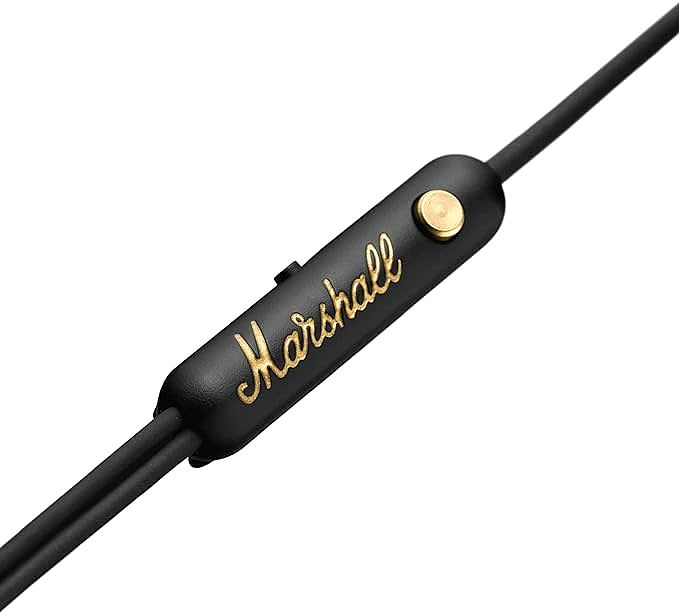
2. Identify the EQ toggle. It sits on the inline remote, a small housing along the cable. The switch has two positions with a tactile click. No label distinguishes the modes by default, so identify them by listening to a familiar track and noting bass response -- the mode with stronger bass is EQ2.
3. Connect the L-shaped plug. Orient the plug so the cable runs along the edge of the device. If the device has a recessed jack, ensure the plug housing does not obstruct full insertion.
4. Set volume. Begin at low volume and increase gradually. With approximately 106 dB/mW sensitivity, most smartphones land between 40-70 percent for typical listening. Avoid maximum volume, as the headphone can produce sound pressure levels that risk hearing damage from a powerful source.
Troubleshooting Common Issues
One channel quieter or silent: The most common cause is a blocked ear tip. Remove the tip and inspect the grille. A soft brush or compressed air clears most blockages. If the imbalance persists, test with a different source device.
Thin sound, lacking bass: The ear tip seal is inadequate. Try the next larger size or insert more deeply. Even a small air leak reduces bass response by several decibels.
EQ toggle has no effect: Verify the switch moves fully between positions. Debris around the mechanism can prevent engagement. If the switch moves freely but sound does not change, the internal resistor network may have developed a fault requiring warranty service.
Intermittent cutouts near connector: Avoid stressing that area. The L-plug design resists typical bending failures but is not indestructible. Wrap the cable loosely during storage rather than coiling tightly.
The Wired Signal Path in Context
A wired headphone carries audio as alternating voltage from the source's DAC through the cable to the voice coil, which converts voltage into mechanical motion. This path has three measurable advantages over wireless transmission.
Latency is effectively zero. The electrical signal propagates at a significant fraction of light speed, so the delay between DAC output and driver response is measured in nanoseconds. Wireless audio must traverse codec encoding, radio transmission, reception, and decoding -- adding 30-200 milliseconds even with efficient codecs like LDAC or aptX Adaptive.
Bandwidth is uncompressed. A 3.5 mm analog connection carries the full frequency content without perceptual encoding. Bluetooth codecs discard audio data deemed inaudible by their psychoacoustic model. Whether that loss is audible depends on the listener and material, but a wired connection transmits more of the original signal than any current wireless codec.
Power consumption is zero on the headphone side. The source device's amplifier drives the transducers directly. Wireless headphones need batteries for the Bluetooth radio, onboard DAC, and amplifier -- adding weight, maintenance, and eventual battery degradation.
These are not arguments that wired is universally superior. Wireless offers mobility that wired designs cannot match. The point is that the wired signal path has verifiable technical properties that remain relevant for specific use cases -- video editing, music production, and any application where synchronization and signal integrity matter.
The Marshall Mode EQ occupies a specific niche: a straightforward, well-engineered wired in-ear headphone with a genuinely useful analog feature that provides real value without digital complexity. It does not compete with flagship wireless noise-canceling headphones on features, nor does it target the high-end audiophile market. It offers a focused set of capabilities executed competently, anchored by a dual-mode EQ system that works because it is simple, analog, and immediate.
Marshall 04090940 Mode EQ Wired in-Ear Headphones
Related Essays

The Engineering of Wired Reliability: Why Simple...
The Engineering of Wired Reliability: Why Simple Connections Outlast Complex Ones

The Case for Analog: Why Wired Headphones Are Making a Quiet Comeback (Case Study: AILIHEN C8)

The Analog Advantage: Zero Latency and the Physics of Passive Isolation

Beats EP Wired On-Ear Headphones - Battery Free for Unlimited Listening, Built-in Mic and Controls

Balanced Armature or Dynamic Driver: 2026 IEM Truths

Open Back Headphones: Why They Sound Different

Silencing the Copper Wire: The Invisible Architecture of Modern Audio

Computational Audio Soundbar: How Five Drivers Replace a Room Full of Speakers
