Ergonomic Logistics: Managing High-Volume Hydration in Mobile Environments

Owala FreeSip Tumbler Insulated Stainless Steel Water Bottle
This article examines the practical application of large-capacity hydration vessels in daily life, specifically focusing on the ergonomic challenges and solutions associated with 40oz tumblers. Readers will learn about the physical mechanics of carrying heavy fluid loads, the importance of geometric compatibility with automotive standards, and the sanitary considerations of enclosed straw systems. The content provides actionable insights into how handle design affects wrist torque and how verify proper fitment for various travel scenarios, enabling users to optimize their hydration strategy for work, transit, and fitness environments.
As the recommended daily intake of water gains public awareness, the demand for larger vessels has grown. However, scaling a water bottle to a 40oz (approximately 1.2 liter) capacity introduces significant logistical hurdles. The primary challenge is weight management; filled with water and ice, these vessels can exceed 3 pounds. This mass, combined with the vessel's dimensions, alters the center of gravity and increases the torque applied to the user's wrist during lifting and maneuvering. Furthermore, the physical footprint of such containers often conflicts with the standardized dimensions of cup holders in vehicles and gym equipment. Navigating these constraints requires a design approach that prioritizes human factors engineering and standardization compliance alongside fluid capacity.

Mechanical Load and Handle Ergonomics
The physics of handling a 40oz tumbler differs fundamentally from smaller bottles. A standard cylindrical grasp becomes inefficient and fatiguing due to the wide diameter required to hold such volume. To mitigate this, designs like the Owala tumbler incorporate a specialized side handle. This component is not merely an appendage but a critical lever that shifts the lifting mechanics from a grip strength reliance to a forearm-supported lift. The handle's placement is calculated to align with the vessel's center of gravity, minimizing the rotational force (torque) required to tilt the bottle for drinking.
Ambidextrous design considerations are also paramount. A properly engineered handle profile allows for comfortable engagement by both left and right-handed users without obstructing the drinking interface. The structural rigidity of the handle is essential to prevent flexing under the full load of the liquid. By providing a secure, fixed point of contact, the design enables users to manipulate the heavy vessel with precision, reducing the risk of drops or spills that are common with large, handle-less containers.
Vehicle and Environmental Integration
For a hydration vessel to be truly effective in a modern workflow, it must integrate seamlessly with transit infrastructure. Automotive cup holders generally follow loose standards set by SAE (Society of Automotive Engineers) or manufacturer conventions, often tapering to a specific diameter at the base. High-capacity tumblers feature a tapered design where the base diameter is reduced to fit these standard recesses, while the upper body expands to accommodate the necessary volume. This "top-heavy" geometry allows a 40oz unit to sit securely in a console designed for a standard soda can.
This geometric adaptation extends to gym environments, where treadmill and elliptical machine holders have similar constraints. The ability of the base to sit flush prevents the vessel from ejecting during vehicle turns or equipment vibration. The specific contouring of the base is a critical feature for commuters; a vessel that does not seat properly becomes a projectile hazard or a distraction in a moving vehicle. The implementation of a tapered base ensures that the utility of high-capacity hydration does not come at the cost of safety or convenience during travel.

Sanitation and Maintenance of Enclosed Systems
Hygiene is a critical yet often overlooked aspect of reusable water bottles, particularly those with straw mechanisms. Exposed straws collect airborne particulates and contact bacteria from surfaces. The design utilized in the discussed tumbler addresses this by enclosing the drinking spout under a locking lid. This physical barrier shields the fluid path from environmental contaminants found in gyms, offices, or public transit.
However, complex mechanisms require disciplined maintenance. The internal straw and the silicone gaskets within the lid create crevices where moisture can linger, potentially fostering microbial growth if not cleaned regularly. The ability to disassemble the components—detaching the straw, removing the gaskets, and accessing the spout internals—is vital. Wide-mouth openings on the vessel body facilitate not only the addition of large ice cubes but also the insertion of cleaning brushes. Users are advised to adopt a cleaning protocol that involves full disassembly and air drying to ensure the longevity of the seals and the sanitary quality of the hydration system.
Industry Implications
The popularity of technically complex, large-format tumblers suggests a shift in the consumer goods market towards "lifestyle infrastructure." Consumers are viewing hydration vessels not as disposable items but as long-term investments in personal health logistics. This trend forces manufacturers to elevate standards for durability and repairability. We can expect the industry to move towards modular designs where high-wear components like lids and gaskets are easily replaceable, extending the product lifecycle. Furthermore, the standardization of cup holder geometries may face pressure to adapt to these larger vessels, potentially influencing interior vehicle design to accommodate the increasing average size of personal hydration containers.
Owala FreeSip Tumbler Insulated Stainless Steel Water Bottle
Related Essays

COMISO E6 Wireless Earbuds: Uninterrupted Sound for Your Active Life

Battery Volume vs. Miniaturization: The Physics Behind...

Kinetic Efficiency in Micro-Gym Environments: Maximizing Utility per Square Foot

The "Linkage" Difference: Deconstructing an Overlooked Ergonomic Feature
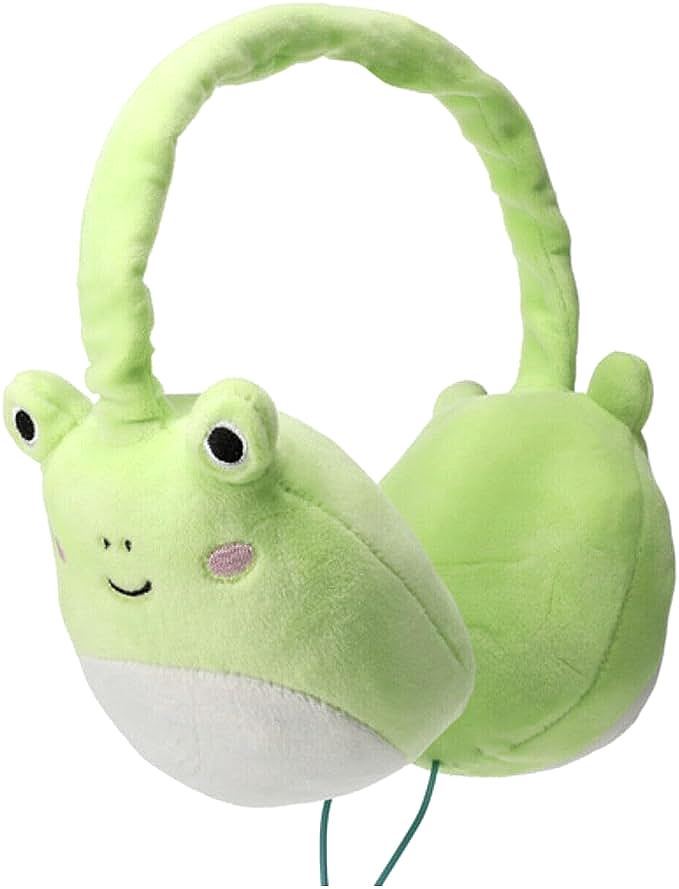
The Engineering of Comfort: Decoding Somatosensory Interfaces and Fabric Acoustics in Squishmallow Headphones

The Unsung Hero: Why Neckband Headphones Are the Smart Choice for Practical Users

The Review Paradox: Why One Headset Gets Both 5-Star Raves and 1-Star Rants
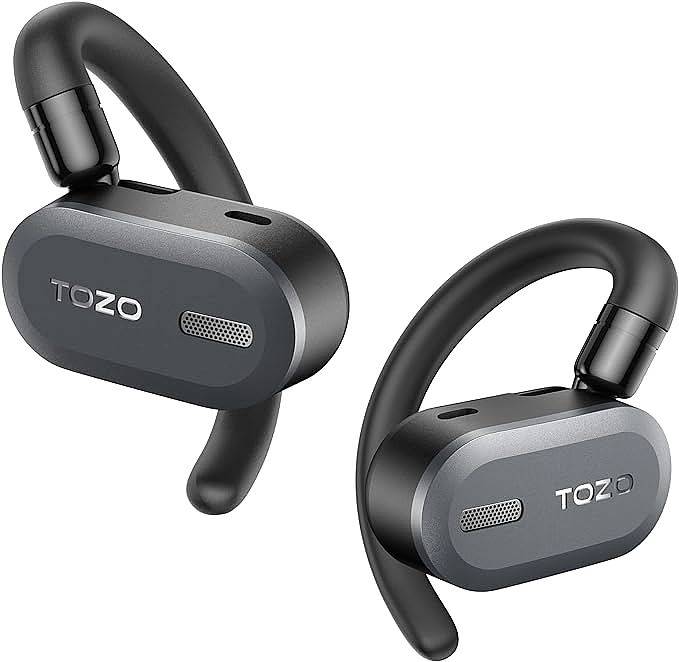
The Science of Open-Ear Audio: How Aware Listening is Redefining Personal Sound

Cleer Goal Sport Earbuds: Hear Your Surroundings, Fuel Your Workout