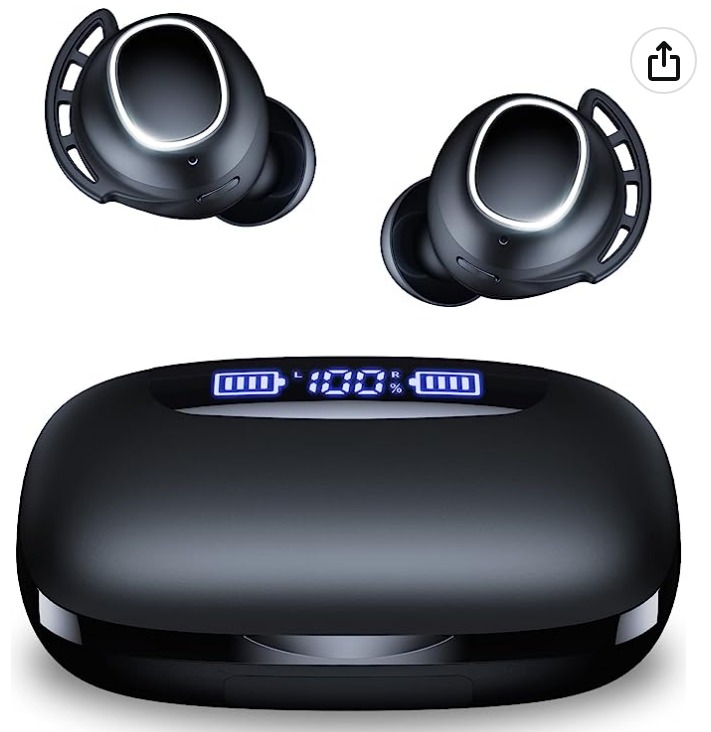
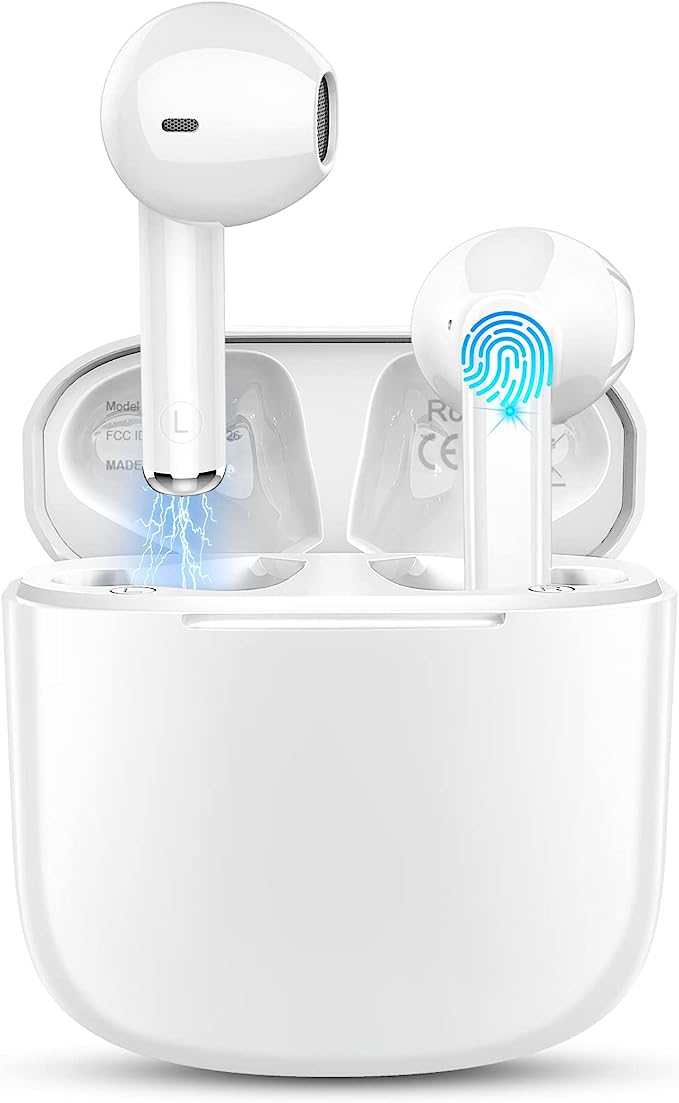
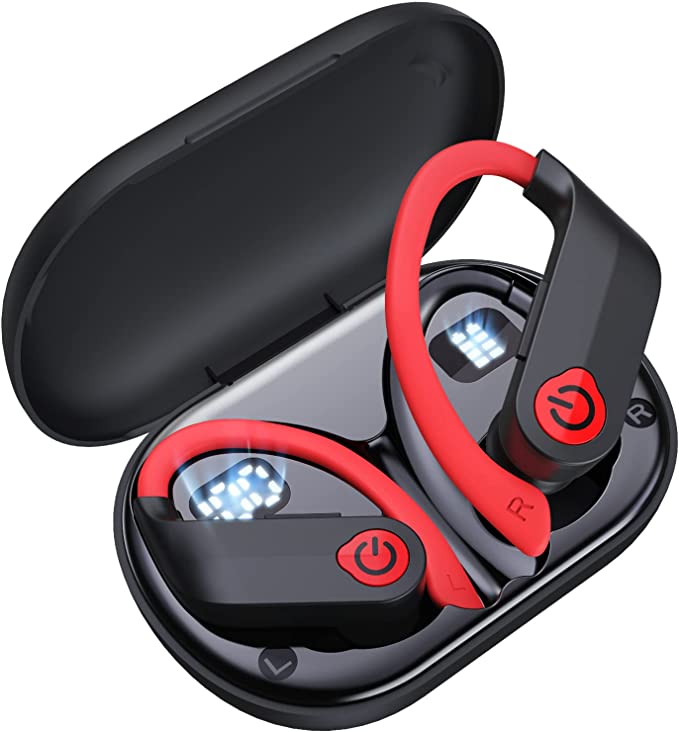
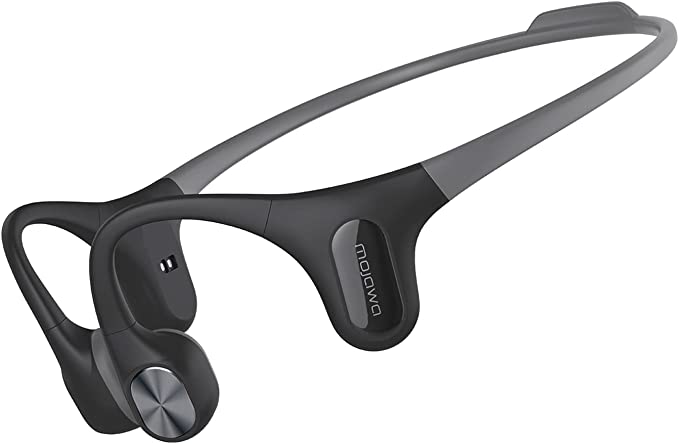
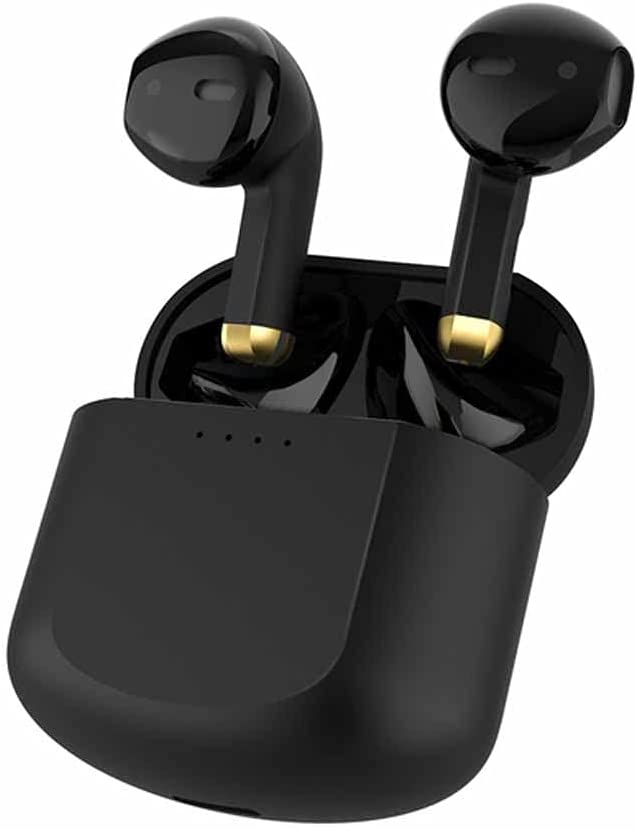
AMAFACE TT-7: The Improbable Physics of $25 True Wireless Audio
Update on Dec. 7, 2025, 8:22 p.m.
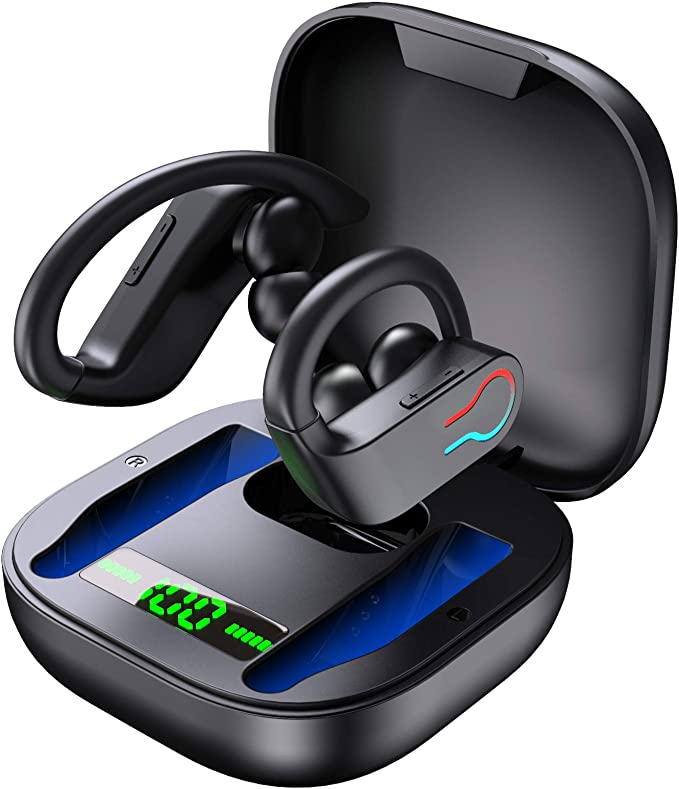
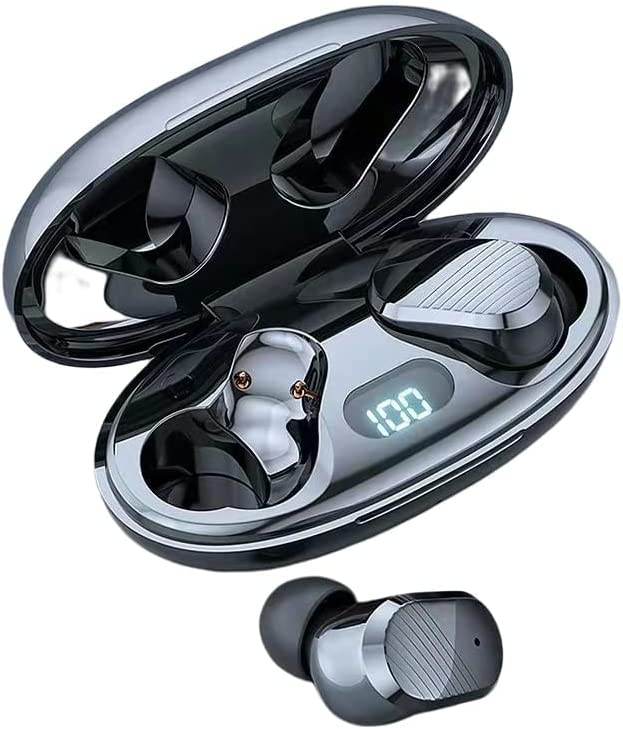
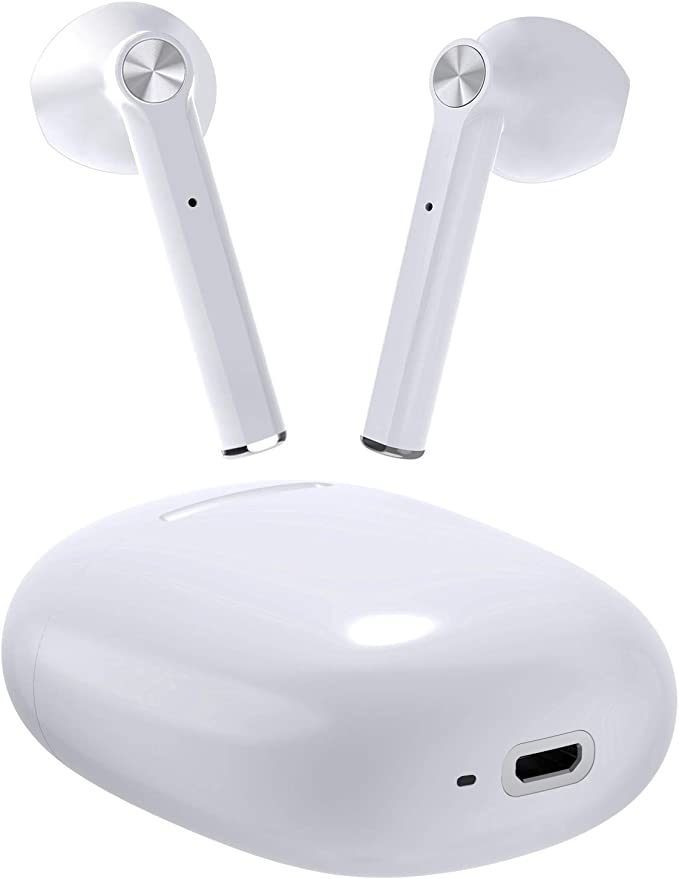
It weighs less than a sheet of paper (3 grams). Yet, inside its plastic shell, it houses a radio transmitter, a digital-to-analog converter (DAC), an amplifier, a battery, and a loudspeaker. The AMAFACE TT-7 True Wireless Earbuds are not just a budget accessory; they are a masterclass in extreme miniaturization and cost engineering.
While the market floods with generic “AirPod killers,” a forensic look at the TT-7 reveals the specific scientific choices made to hit that elusive sub-$30 price point. Let’s dismantle the marketing fluff and examine the physics that makes—or breaks—your listening experience.
H4 The Invisible Tether: Bluetooth 5.0 and the “Body Block”
The TT-7 utilizes Bluetooth 5.0, a standard that revolutionized the reliability of low-power peripherals. But why does your music sometimes stutter when you put your phone in your back pocket? This is the physics of Radio Frequency (RF) Attenuation (Thesis).
Bluetooth operates on the 2.4 GHz band—the same frequency as your microwave oven and Wi-Fi (Physics). While Bluetooth 5.0 increases data throughput (up to 2 Mbps) and range compared to 4.2, the human body is essentially a giant bag of salty water, which is excellent at absorbing these radio waves (Data).
In budget TWS (True Wireless Stereo) implementations, typically one earbud acts as the “Master,” receiving data from the phone, and then relays it to the “Slave” earbud. This dual-hop transmission doubles the potential for interference. The TT-7’s compact design likely uses a Ceramic Chip Antenna rather than a larger Printed Circuit Board (PCB) antenna to save space.
Field Note: If you experience dropouts outdoors, try moving your phone to a front pocket or an armband. Outdoors, there are no walls for the radio signal to bounce off (multipath propagation), making the direct line-of-sight to the “Master” earbud critical.
H4 The Acoustic Compromise: Dynamic Drivers in Sealed Chambers
The sound of the TT-7 is generated by a Dynamic Driver. Picture a miniature drum skin (diaphragm) attached to a coil of wire floating in a magnetic field. When electricity flows, the coil moves, pushing the diaphragm to create sound waves (Physics).
The challenge with a 3-gram earbud is Bass Response. Physics dictates that to produce low frequencies (bass), you need to move a large volume of air. Small drivers in small housings struggle with this. To compensate, engineers often tune the driver to have a “V-shaped” frequency response—boosting the upper bass (100Hz+) to simulate “punch” while sacrificing the sub-bass (<50Hz) that requires more air displacement (Nuance).
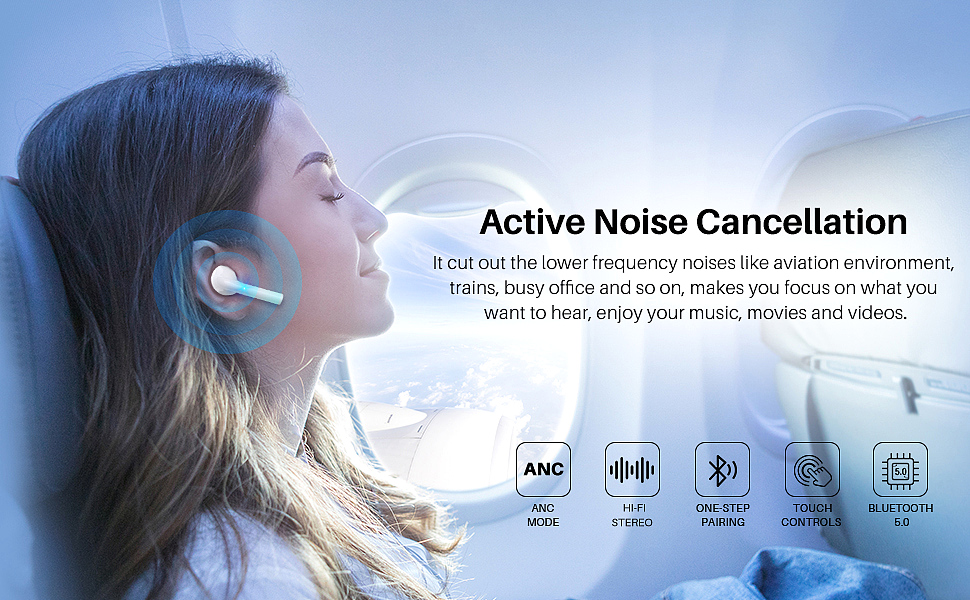
However, this entire system relies on one critical variable: The Seal. The silicone ear tip must create an airtight seal in your ear canal. If this seal is broken—even by a millimeter—the low-frequency pressure escapes instantly. This is known as “leakage,” and it turns powerful drums into tinny taps.
So What?: If the TT-7 sounds thin or screechy, do not blame the driver immediately. You are likely using an ear tip that is too small. A proper seal should create a sensation of mild pressure, like being underwater.
H4 The Paradox of IPX5: Water Jets vs. Humidity
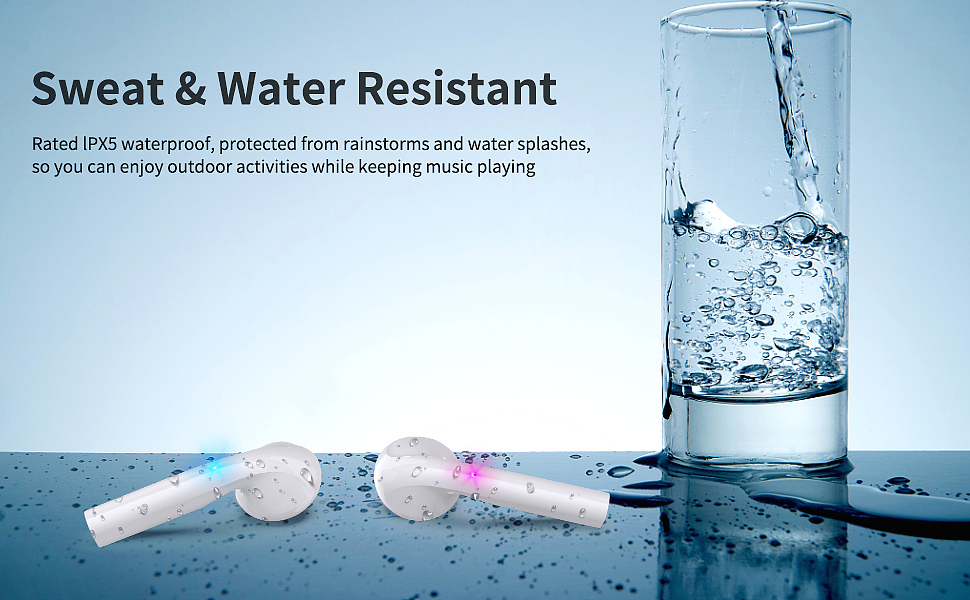
The spec sheet claims IPX5 Waterproofing. It is vital to decode what this certification actually means. The code “IPX5” certifies that the device can withstand “water jets projected by a nozzle (6.3 mm) against enclosure from any direction” (Data).
Crucially, IPX5 does not mean sweat-proof (Challenge). Water is H2O; sweat is a corrosive cocktail of water, salts, lactic acid, and urea. While the rubber gaskets might stop a rain shower (pure water), the salts in sweat can crystallize in the charging port or mesh after the water evaporates. Over time, these crystals can degrade the water-repellent coating or corrode the exposed charging contacts.
User reviews mentioning “covers falling off” suggest that the adhesive used to seal the unit may be susceptible to thermal cycling or chemical breakdown from skin oils, a common failure mode in budget electronics where cheaper cyanoacrylate (super glue) variants are used instead of industrial epoxy.
H4 The Capacitive Touch Dilemma
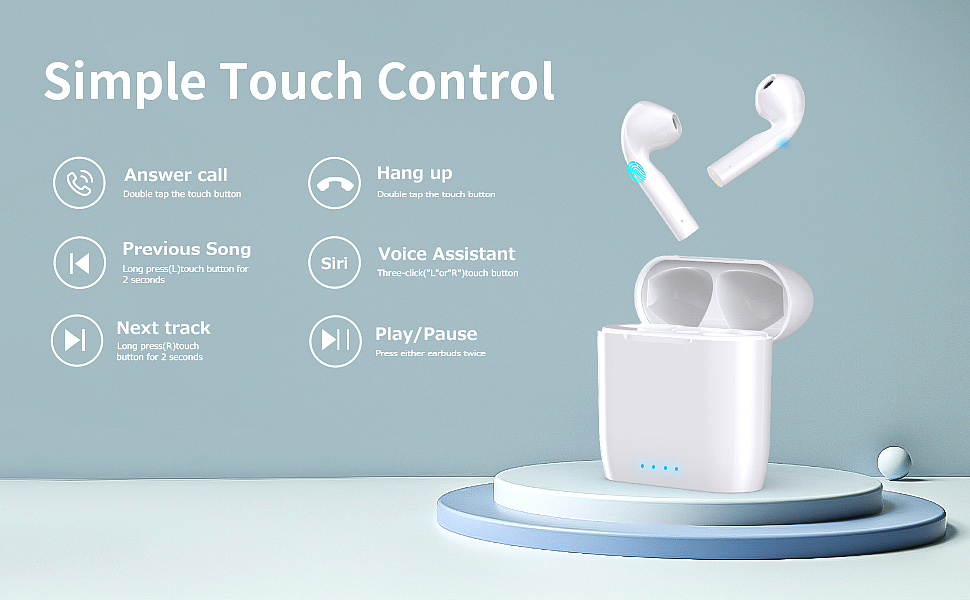
The TT-7 abandons physical buttons for Capacitive Touch Sensors. This technology detects the change in electrical capacitance when your conductive finger approaches the sensor plate (Physics).
While this allows for a sleek, sealed design without button gaps for water to enter, it introduces a new problem: Moisture Interference. Water is also conductive. A sweaty finger or a drop of rain on the sensor can register as a “touch,” causing music to pause or volume to spike unexpectedly (FMEA). This is an inherent limitation of capacitive technology in wet environments, not a specific defect of the TT-7, but it is exacerbated in budget controllers lacking sophisticated noise-rejection algorithms.
TCO Analysis (Total Cost of Ownership)
* Purchase Price: ~$25
* Energy Cost: Negligible (<$0.50/year).
* Lifespan Cap: The limiting factor is the non-replaceable Li-ion battery. With 35 hours of cyclic playtime, heavy users (4 hours/day) will cycle the case battery every week. Expect noticeable capacity degradation (80% health) within 12-18 months.
* Environmental Cost: High. Once the battery dies, the glued-shut unit is effectively e-waste.
In summary, the AMAFACE TT-7 is a balancing act. It trades RF shielding for weight, sub-bass for portability, and physical buttons for water resistance. Understanding these trade-offs allows you to use them within their physical limits—indoors, with a tight seal, and dry hands.