The Physics of Synchronization: 2.4GHz FHSS and Low-Latency Audio


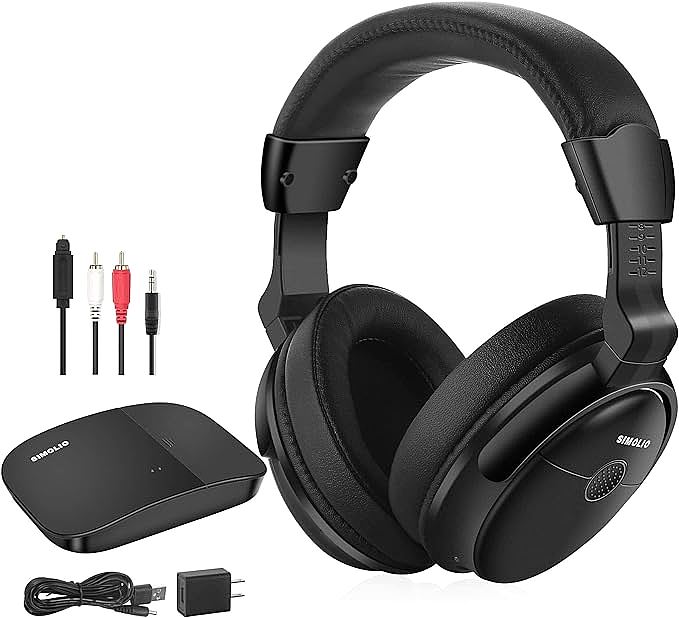
SIMOLIO SM-825D Pro 2.4GHz Wireless Headphones for TV
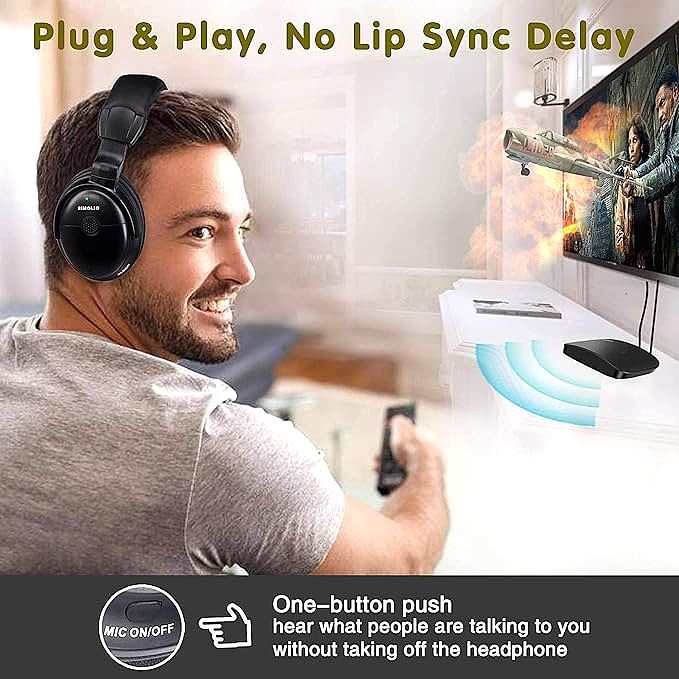
In the domain of visual media consumption, audio is not merely a companion to video; it is a time-critical component. The human brain is exceptionally sensitive to the synchronization between visual cues (lip movement) and auditory signals (speech). This temporal relationship is defined by the lip-sync threshold, typically accepted as roughly +45ms (audio leading video) to -125ms (audio lagging video). Standard Bluetooth audio often introduces latency ranging from 150ms to over 200ms, creating a jarring disconnect that breaks immersion. The SIMOLIO SM-825D Pro circumvents this limitation not by optimizing Bluetooth, but by utilizing a fundamentally different transmission protocol: 2.4GHz Frequency-Hopping Spread Spectrum (FHSS).
The Mechanics of FHSS
Frequency-Hopping Spread Spectrum is a method of transmitting radio signals by rapidly switching a carrier among many frequency channels, using a pseudorandom sequence known to both the transmitter and receiver. Unlike fixed-frequency analog transmission (like old FM radios) which is susceptible to static and interference, or standard Bluetooth which negotiates packets in a way that introduces buffering delays, proprietary 2.4GHz FHSS systems are engineered for continuous, real-time throughput.
- Interference Rejection: The 2.4GHz band is crowded with Wi-Fi, microwaves, and other devices. FHSS "hops" to a new frequency hundreds of times per second. If one channel is blocked by interference, the system is already moving to the next before the data loss becomes perceptible to the human ear.
- Latency Determinism: Because the transmitter and receiver are paired in a closed loop (unlike Bluetooth's open discovery model), the packet structure can be optimized strictly for speed. This architecture achieves end-to-end latency often below 30-40ms, placing it comfortably within the brain's integration window for simultaneous perception.
Digital Signal Integrity and DACs
The transmission chain begins at the source. Modern televisions primarily output audio via Optical (Toslink) ports, sending raw PCM (Pulse Code Modulation) digital data. The transmitter base of the SM-825D Pro houses a Digital-to-Analog Converter (DAC). This component is critical; it must decode the high-bitrate digital stream from the TV into an analog voltage that modulates the 2.4GHz carrier wave.
The quality of this conversion defines the dynamic range of the system. A poor DAC would introduce a noise floor (hiss) or compress the audio dynamics. By maintaining a pure digital path until the final transmission stage, the system preserves the fidelity of the original soundtrack, ensuring that the quietest whispers and the loudest explosions are transmitted with their relative intensity ratios intact.
The Limitation of Bluetooth for TV
While Bluetooth is ubiquitous, its protocol stack (A2DP) was originally designed for music playback where buffering is acceptable. The device receives data, stores it in a buffer to ensure smooth playback, and then plays it. This buffer is the primary source of latency. While codecs like aptX Low Latency exist, they require support from both the transmitter (TV) and receiver (headphones), which is rare in consumer televisions. The dedicated 2.4GHz architecture of the SIMOLIO system bypasses this negotiation stack entirely, creating a "dumb pipe" that prioritizes immediacy over compatibility with random phones or tablets.
Future Outlook: LE Audio and Auracast
The landscape of wireless audio is on the cusp of a shift with Bluetooth LE Audio and the Auracast broadcast capability. This new standard promises to bring the low latency and broadcast features (one transmitter to unlimited headphones) of proprietary 2.4GHz systems into the standardized Bluetooth ecosystem. Until widespread adoption of LE Audio hardware occurs in televisions, proprietary FHSS systems remain the gold standard for latency-critical home theater applications.
SIMOLIO SM-825D Pro 2.4GHz Wireless Headphones for TV
Related Essays

True I/Q Scanner Technology Explained: How Quadrature Sam...

Bluetooth Codecs: Why Wireless Audio Sounds Different on Each Device

The Physics of Underwater Audio: RF Attenuation and Onboard Storage

The Analog Lifeline: The Enduring Physics of Wired Audio and Connector Standards

The Physics of "Monster" Sound: Deconstructing 13mm Drivers and Bluetooth 5.4

The Analog Protocol: Why Wired Audio Physics Outlives Bluetooth

The Latency Paradox: Why 'Perfect' Wireless Sound is a Matter of Timing

Protocol vs. Physics: Decoding Bluetooth 5.3's RF Challenge in TWS Earbuds
The Unseen Partnership: How Bluetooth 5.3 Makes Active Noise Cancellation Better

