Ergonomics of the Long Listen: Suspension Systems and Spatial Awareness in Personal Audio


Koss KPH30iK On-Ear Headphones
In the hierarchy of headphone needs, acoustic performance often takes the spotlight, but for the daily user, ergonomics is the true king. A headphone that sounds perfect but induces headaches after 30 minutes is a failed tool. The engineering of comfort is a study in force distribution—how to keep a device securely on the head while minimizing the pressure (Newtons per square centimeter) exerted on sensitive areas like the crown of the skull and the pinna (outer ear).
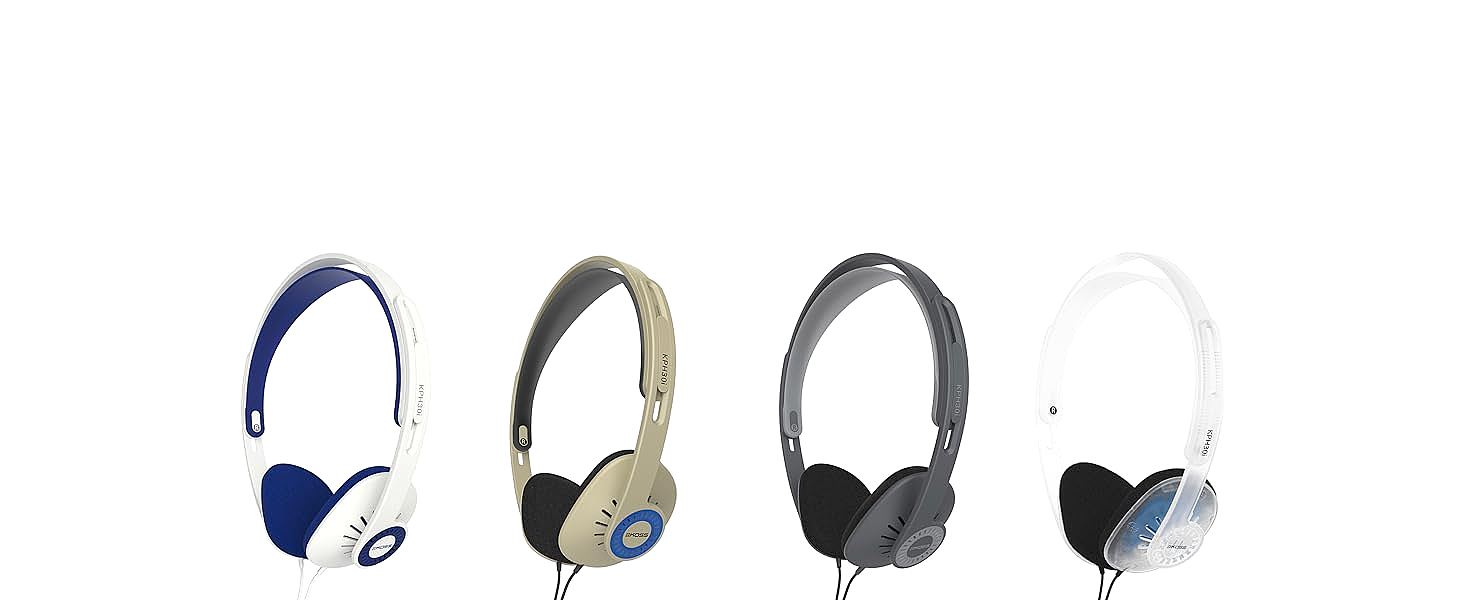
The Koss KPH30iK addresses this biomechanical challenge through a patented suspension system, distinguishing it from rigid-frame competitors. This article analyzes the mechanics of this suspension and the practical benefits of its open-air architecture in daily workflow scenarios.
The Mechanics of the Suspension Headband
Standard headphones rely on a padded arch to rest on the head. Over time, the weight of the drivers pulls this arch down, creating a "hot spot" of pressure at the very top of the skull.
The KPH30iK utilizes a Rugged Cable System combined with a Silicone Suspension Strap. * Load Distribution: The soft, elastic silicone strap stretches to conform to the unique curvature of the user's head. Unlike a rigid plastic arch that contacts only at the tangent point, the strap increases the contact surface area. By spreading the vertical load over a wider area, the pressure at any single point is drastically reduced. * Self-Adjusting Fit: The elasticity of the strap means the headphone micro-adjusts to head movement. Whether the user is nodding to music or looking down at a desk, the suspension absorbs the shift, preventing the ear cups from dragging or shifting position.
Passive Situational Awareness
In an office environment or an urban commute, complete isolation (like that offered by ANC headphones) can be a liability. You need to hear the doorbell, a colleague's question, or an approaching vehicle.
The semi-open design of the KPH30iK provides Passive Situational Awareness. * Acoustic Permeability: The foam cushions and vented back allow environmental sounds to pass through to the ear canal. This is not digital "transparency mode" with its inherent processing lag; this is natural, zero-latency acoustic transparency. * The "Open Office" Utility: This feature makes the device ideal for professional settings where maintaining connection to the environment is crucial. The user can listen to audio at moderate volumes while still retaining enough auditory data to react to their surroundings.
The Utility of the Inline Interface
While the audio signal path is the star, the control interface is the bridge to modern functionality. The KPH30iK integrates an in-line microphone and remote. * Tactile Reliability: Unlike capacitive touch controls on TWS earbuds which can be finicky or triggered by hair, a physical button offers tactile feedback and absolute reliability. * Microphone Placement: Positioned on the cable, the microphone is naturally closer to the mouth than ear-mounted mics, often resulting in better voice pickup for calls without the need for complex beamforming algorithms.

Conclusion: Purpose-Built for the Daily Grind
The design philosophy of the Koss KPH30iK prioritizes the "human variable." By reducing weight, distributing pressure through suspension, and allowing for environmental awareness, it engineers out the fatigue factors associated with headphone use. It transforms the headphone from a piece of delicate hi-fi equipment into a rugged, wearable utility that integrates seamlessly into the rhythm of daily life.
Koss KPH30iK On-Ear Headphones
Related Essays