What Are Bluetooth Codecs?
Bluetooth audio technology has come a long way since its early days, when sound quality was poor due to the limitations of the technology. The situation has changed dramatically since then, with the development of superior codecs that allow for near-lossless audio streaming over Bluetooth. In this guide, we will demystify the most common Bluetooth codecs and explain why they matter for audio quality.
Understanding Bluetooth Technology
To understand codecs, it is first necessary to understand how Bluetooth technology works. Bluetooth 5.2 is the current standard for the wireless technology, defining how devices like phones and headphones connect to each other. Bluetooth profiles are the standards and protocols for transmitting audio, phone calls, photos, printer jobs, and even faxes over Bluetooth. A2DP, the Advanced Audio Distribution Profile, is the specification for sending high-quality sound over Bluetooth.
The Most Common Bluetooth Codecs
Codecs encode and decode audio using different types of file compression to send as much information as possible using the available speed and bandwidth. Bit depth, bitrate, and sampling rate are the key factors that distinguish codecs, with higher numbers indicating higher quality in nearly all scenarios.

SBC is the most basic codec with the lowest bitrate and the lowest sound quality. AAC and AptX are both steps up from SBC and are generally mainstream, although different devices might support either or both. LDAC and LHDC enable even higher quality sound than those codecs, and are currently the only ones to which the Japan Audio Society extends its Hi-Res Audio Wireless certification.
Here are the codecs you may encounter (in order of prevalence) when streaming audio over Bluetooth:
SBC: The default codec most lower-cost audio gear supports.
Bit depth: 16-bit
Sampling Rate: Up to 48kHz
Bitrate: 328Kbps
AAC: Most common on Apple phones and tablets.
Bit depth: Up to 24-bit
Sampling Rate: Up to 96kHz
Bitrate: 250-350Kbps
AptX: The preferred standard for Android.
Bit depth: Up to 24-bit
Sampling Rate: Up to 48kHz
Bitrate: 352Kbps
LDAC: Capable of higher-quality sound.
Bit depth: Up to 32-bit
Sampling Rate: Up to 96kHz
Bitrate: 330Kbps-990Kbps
LHDC: Enables even higher quality sound.
Bit depth: Up to 24-bit
Sampling Rate: Up to 96kHz
Bitrate: Up to 900Kbps
In conclusion, it is important to choose the right codec to ensure the best audio quality. Keep in mind that in order to use a codec, both your source device and headphones must support the same one. By understanding the differences between the various codecs, you can make an informed decision when selecting your Bluetooth audio equipment.
Related Essays

Why Bluetooth Audio Sounds Worse Than Wired — And What...

Bluetooth Codecs: Why Wireless Audio Sounds Different on Each Device

Sennheiser HD1 AEBT Wireless Headphones: The Science of Sound, Silence, and Style

TWS Technology: How Physical Separation Creates True Stereo Sound

How $10 Wireless Earbuds Actually Work: The Engineering...

Why Wireless Earbuds Sound Flat: DSP Trade-Offs Explained
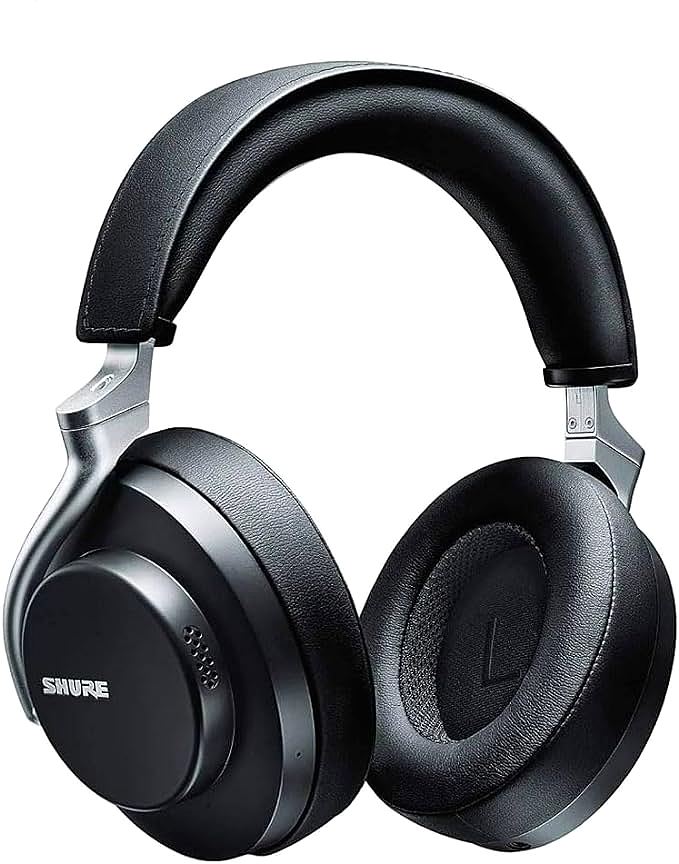
Shure AONIC 50 Gen 1: Adaptive ANC, 46-Hour Battery, and Studio-Grade Acoustics

How Wireless Audio Delivers Perfect Sound Through Physics
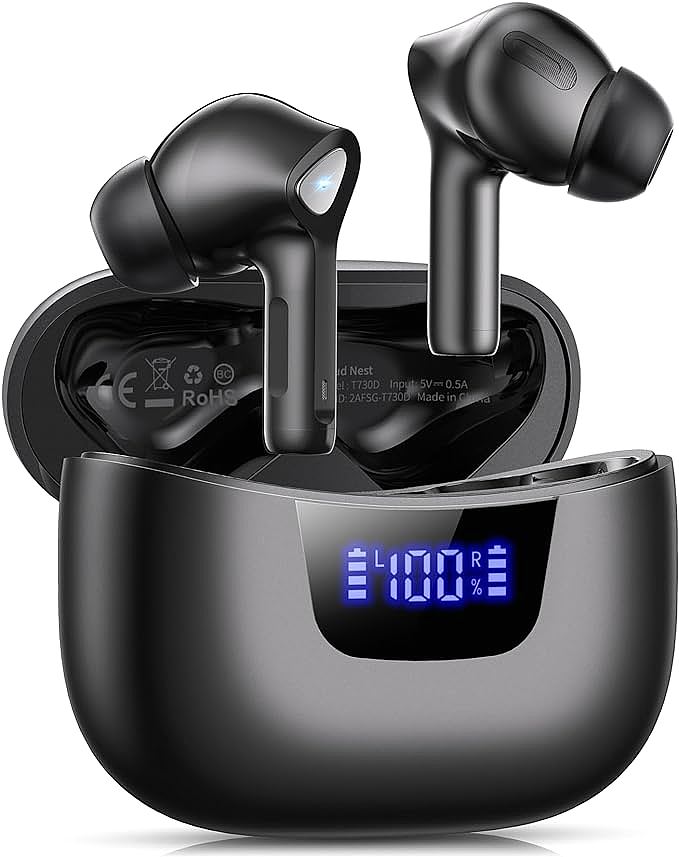
The Invisible Symphony: How Driver Size Shapes Your Audio Experience
