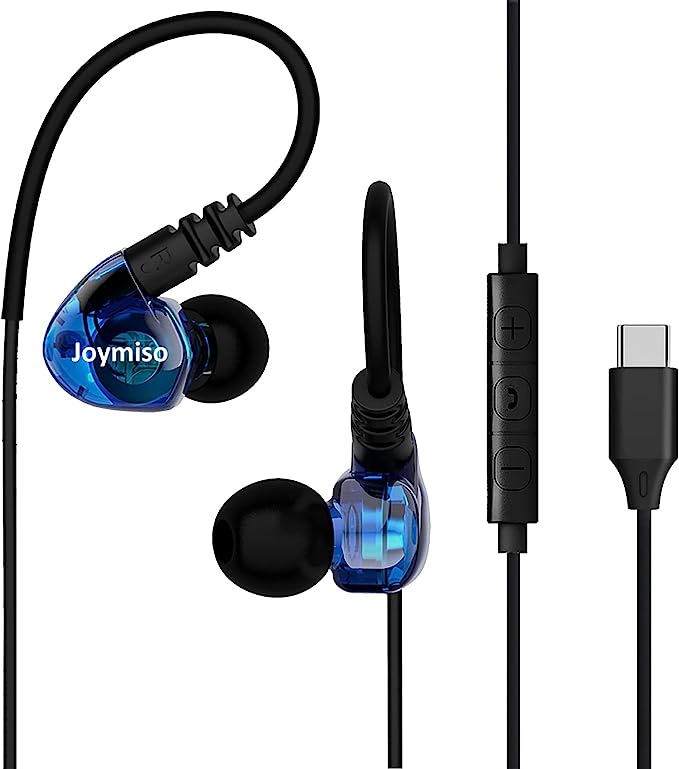
Why Do Workout Earbuds Fall Out? The Science of Secure Fit, Waterproofing, and Bass
Update on Oct. 29, 2025, 6:32 p.m.
The quest for the perfect workout earbuds often feels like a workout in itself. They slip out mid-sprint, short-circuit from a little sweat, or deliver sound so thin it crushes your motivation. It’s a universal frustration. But what if, instead of just hoping for the best, you knew exactly what to look for?
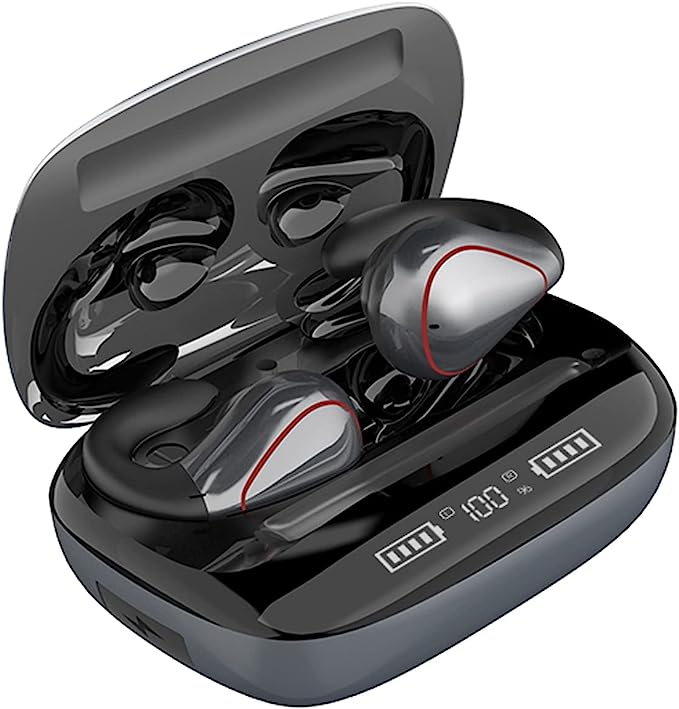
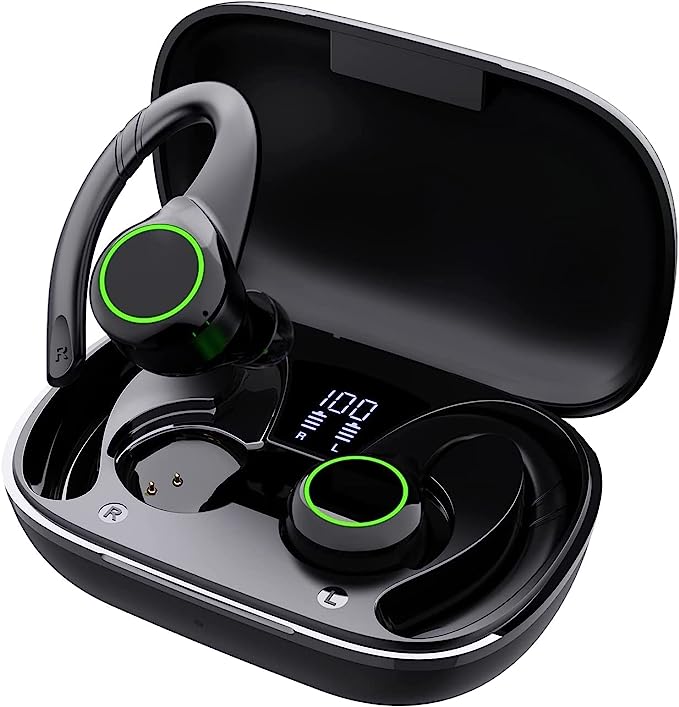
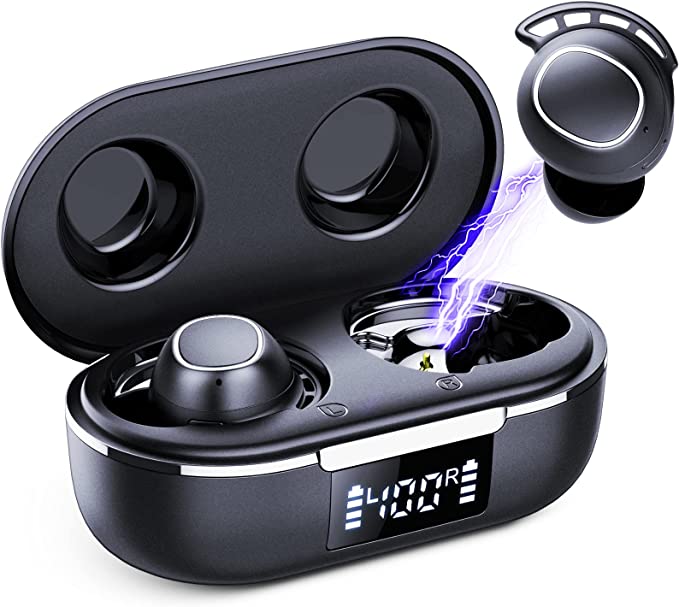
This isn’t another top-10 list. This is a masterclass. We’re going to break down the three pillars of a great workout earbud: unshakeable stability, true sweat-proof durability, and motivating sound. We’ll explore the science behind these features, turning you into an expert shopper. To make these concepts tangible, we’ll use the ZZN ZT02 earbuds as a practical case study throughout.
Let’s get started.
The Stability Equation: Why Earbuds Fall Out and How to Stop It
This is the number one complaint, and it’s a simple matter of physics. When you run, jump, or lift, you’re generating constant, jarring forces. Gravity is pulling down, and your movement is trying to shake the earbuds loose. A standard earbud has only one point of contact—the inside of your ear canal—which is often not enough.
To achieve a truly secure fit, you need a two-part solution that creates a system of checks and balances.
1. The External Anchor: The Power of an Ear Hook
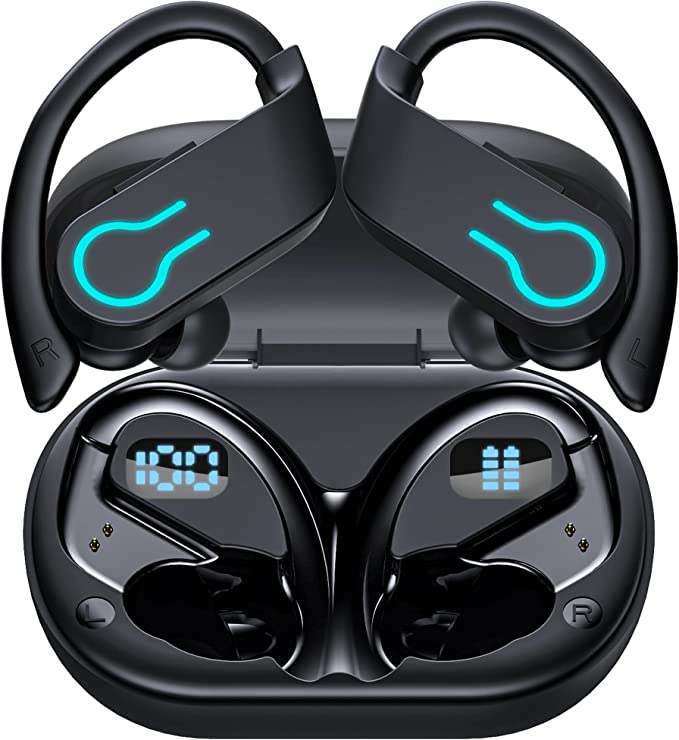
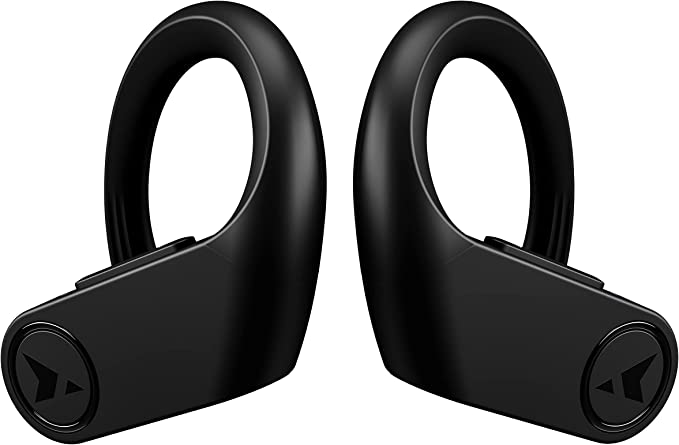
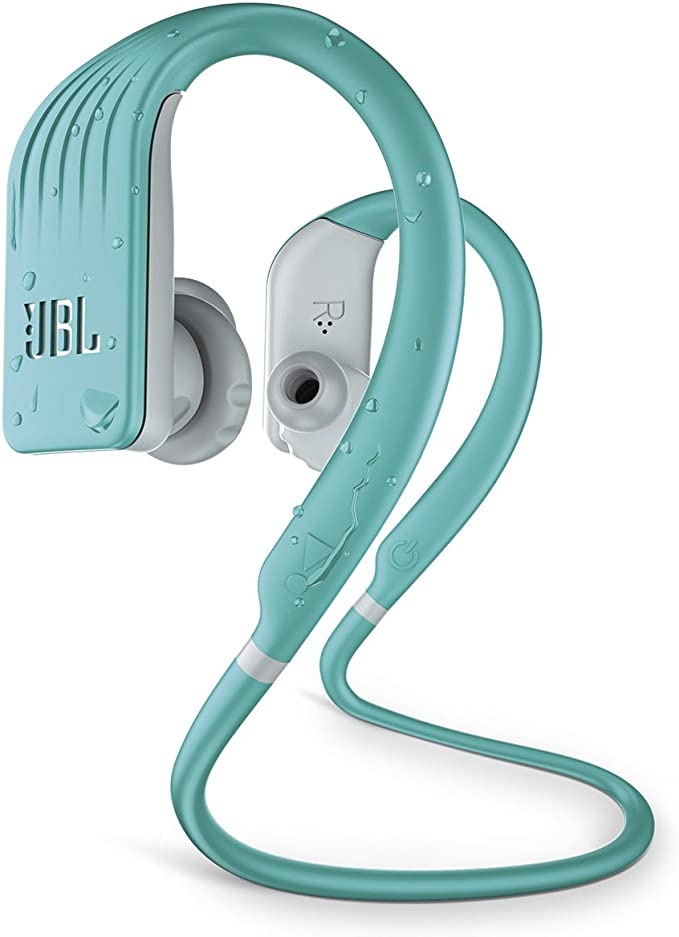
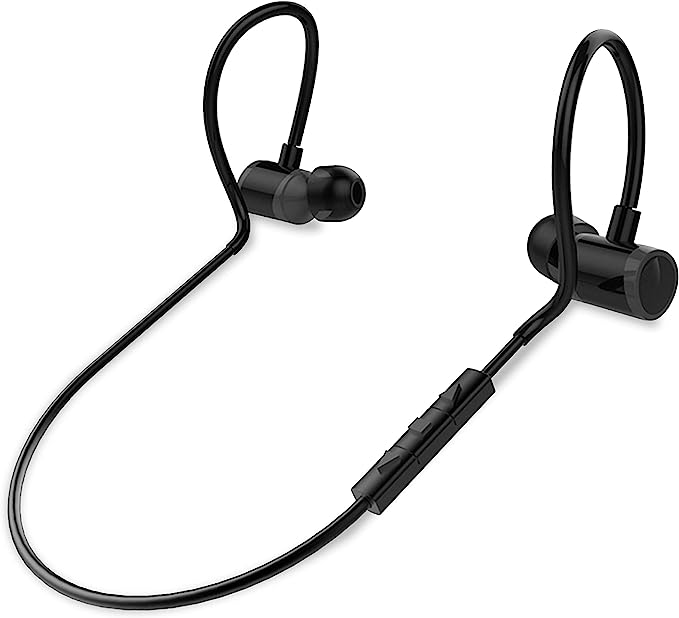
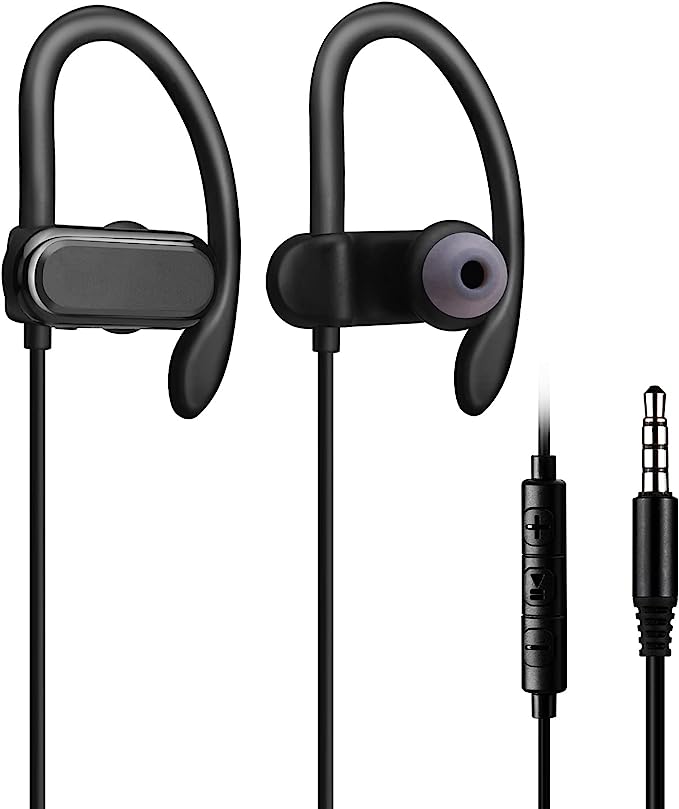
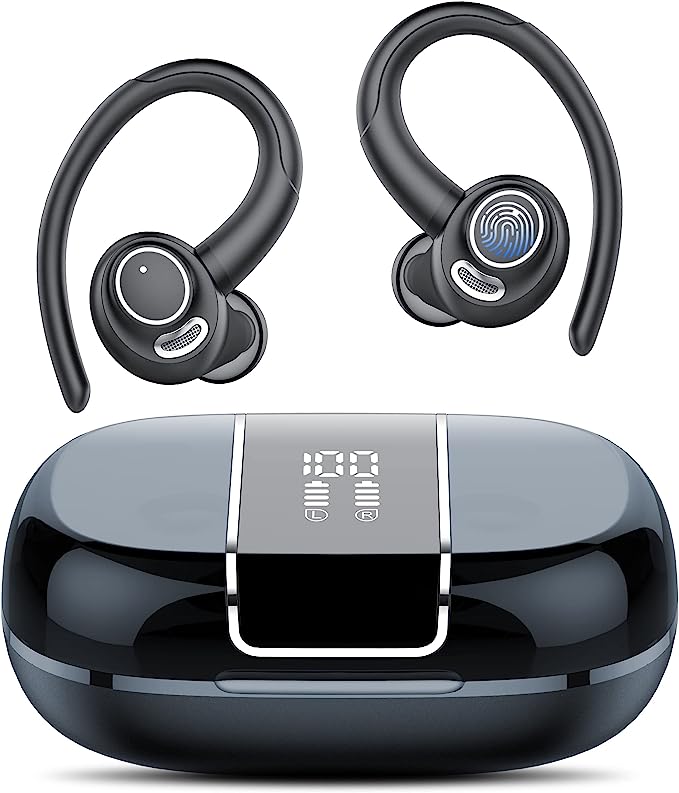
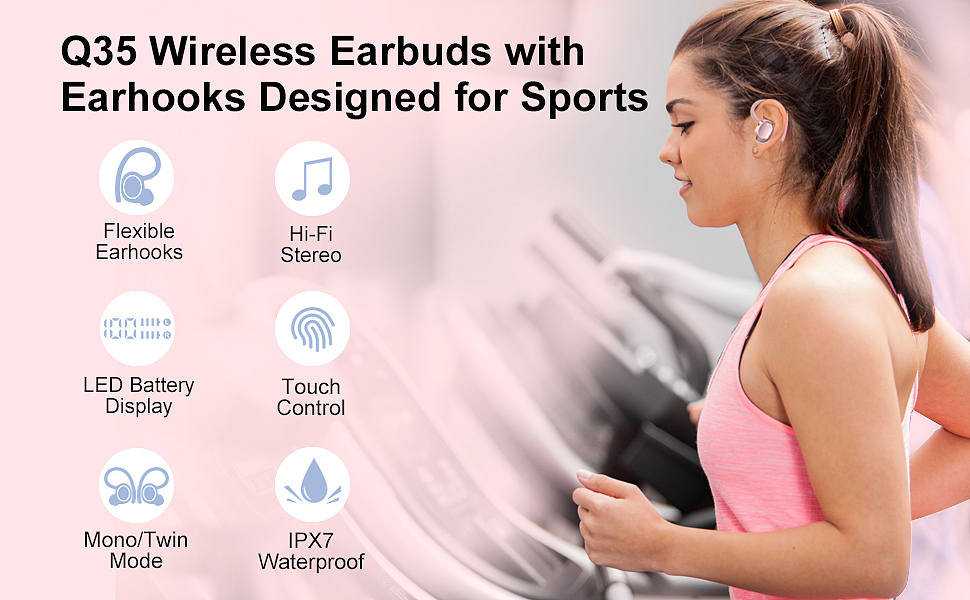
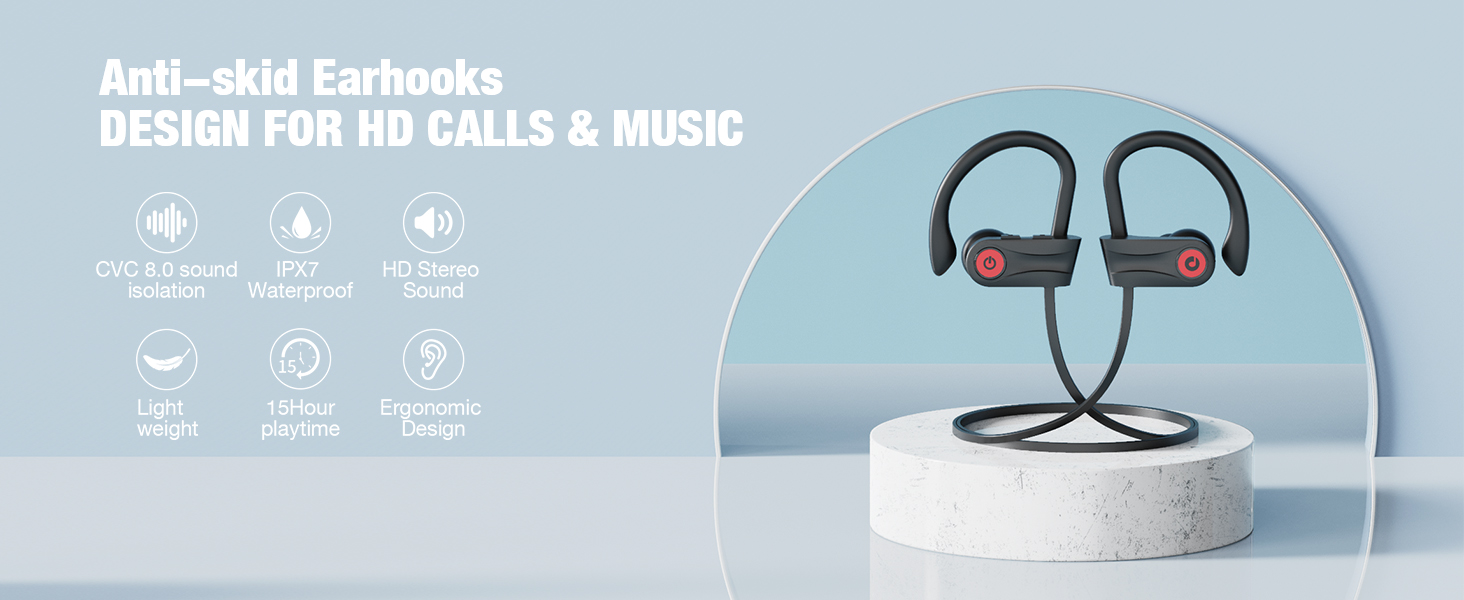
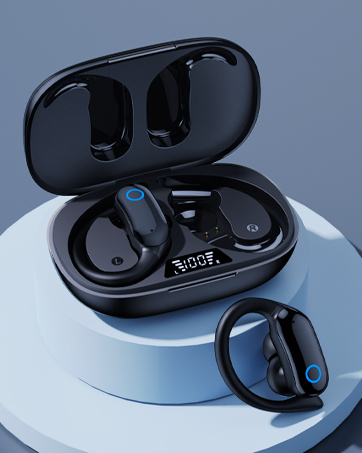
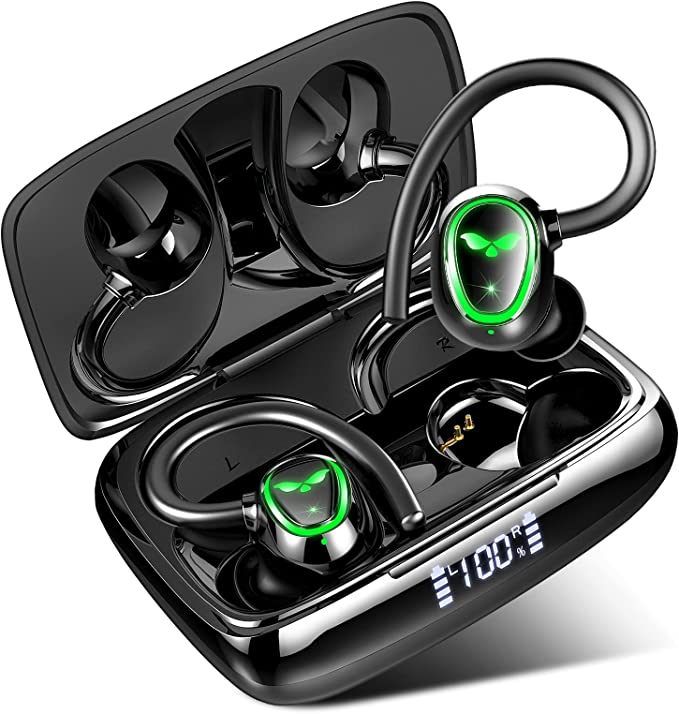
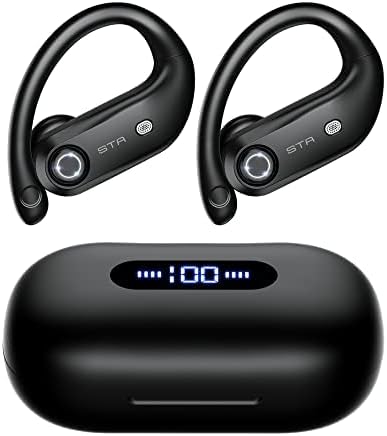
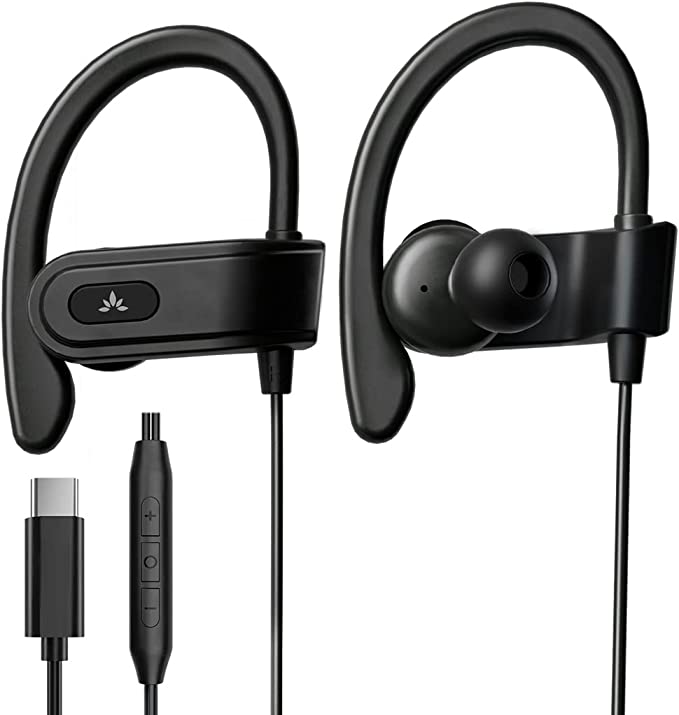
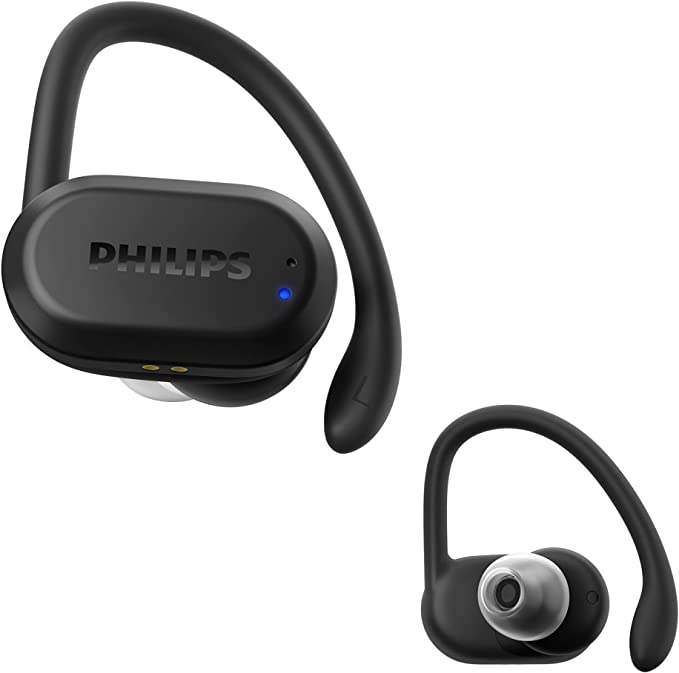
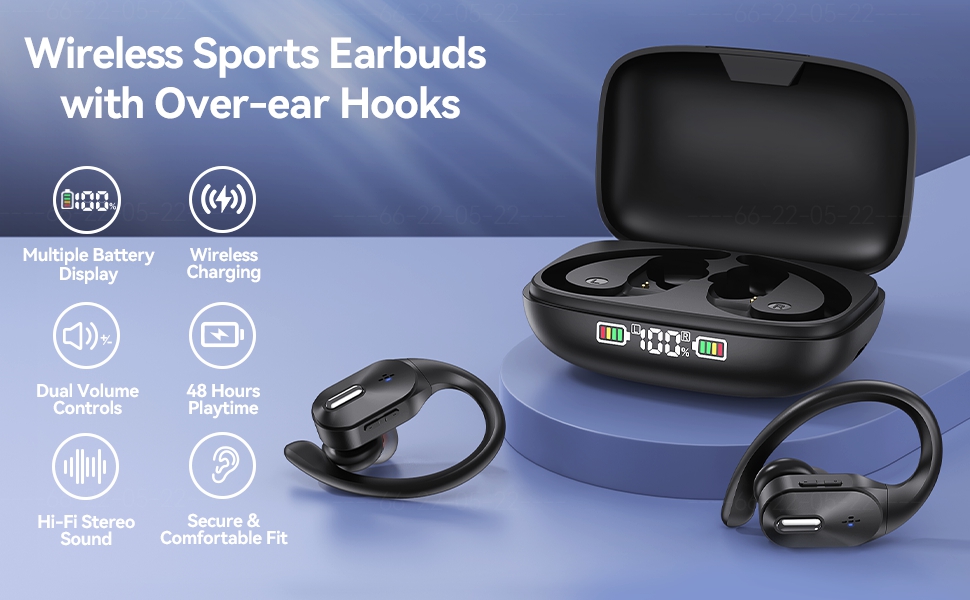
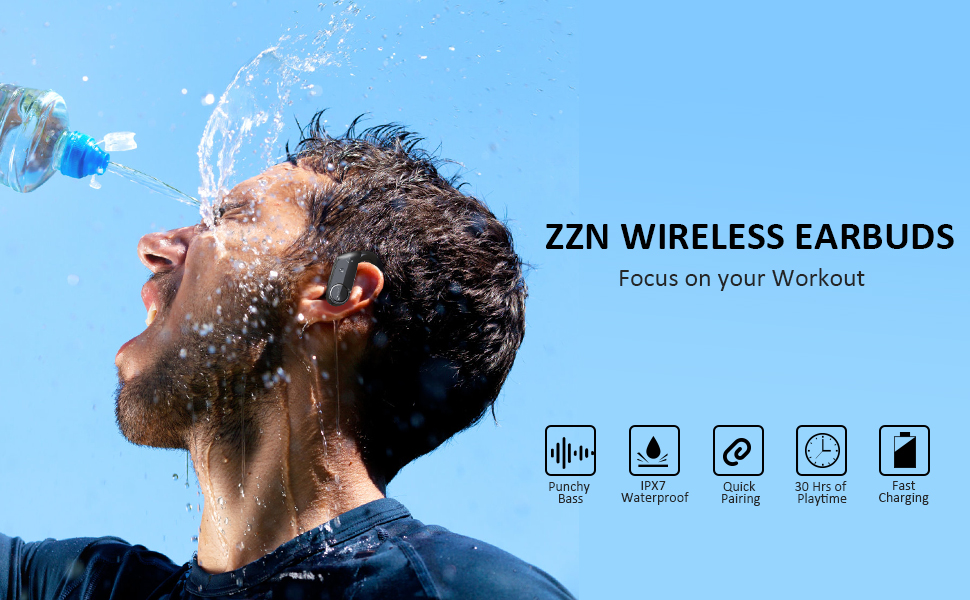
The most effective weapon against instability is an ear hook. Think of it as an anchor. This flexible hook loops over the top of your ear (the pinna), using your ear’s natural structure to counteract the forces trying to dislodge the earbud. It’s a brilliantly simple piece of ergonomic engineering.
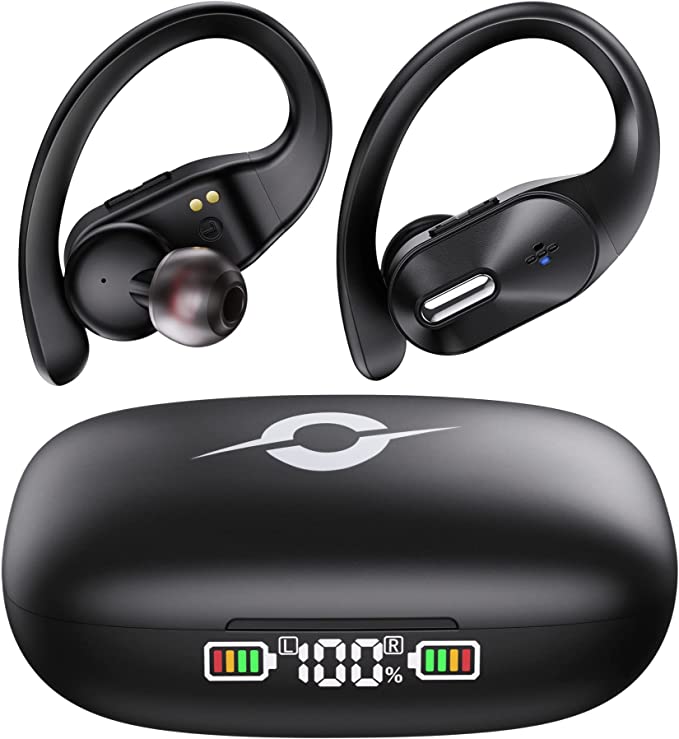
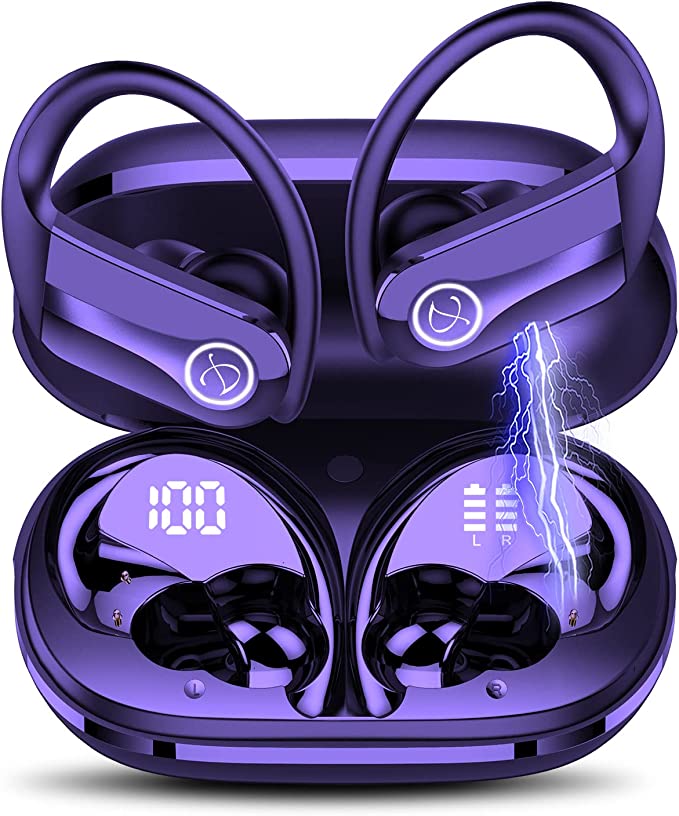
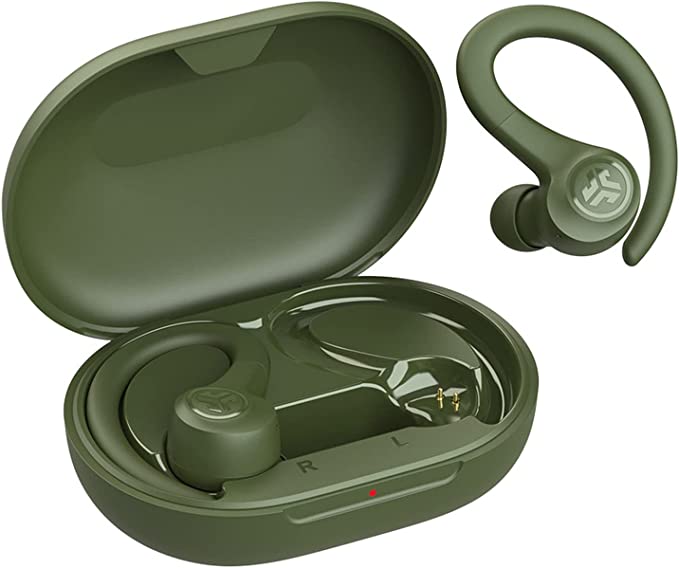
When an earbud with a hook design, like the ZZN ZT02, is in place, the downward pull of gravity is no longer acting on the small ear tip alone; it’s distributed across the entire hook resting on your ear. This makes it exponentially more stable during high-impact activities like burpees or box jumps. The soft, pliable material of the hook ensures this stability doesn’t come at the cost of comfort, even during long sessions.
2. The Internal Seal: More Than Just Comfort
The second part of the equation is the fit inside your ear canal. This is where the silicone or foam ear tips come in. Finding the right size is absolutely critical for two reasons:
- The Acoustic Seal: A snug tip creates a seal that blocks out a significant amount of ambient noise. More importantly, it traps the sound waves produced by the driver, especially low-frequency bass waves. A poor seal lets the bass “leak” out, resulting in a thin, unsatisfying sound.
- The Grip: The right tip creates friction and fills the space in your ear canal, providing a secure grip that resists wiggling and slipping.
This is why products designed for sports, including our ZT02 example, come with multiple ear tip sizes. It’s not an afterthought; it’s a core component of the fit system. The combination of the external ear hook anchor and the internal ear tip seal creates a lock-down fit that gives you the confidence to move without hesitation.
Decoding the Alphabet Soup: A Practical Guide to IPX Ratings
Workouts mean moisture. It’s unavoidable. Whether it’s sweat, a sudden rainstorm, or a post-workout rinse, your electronics need to be able to handle it. This is where the Ingress Protection (IP) rating comes in. It’s a standardized global system for measuring how well a device is protected from solids and liquids.
Let’s decode IPX7, the rating often found on workout-focused gear like the ZT02.
- IP: Stands for Ingress Protection.
- X: This first character rates protection against solids (like dust). The ‘X’ means it hasn’t been officially tested for dust protection, which is common for earbuds where liquid protection is the priority.
- 7: This is the crucial number. It rates liquid protection on a scale from 0 (no protection) to 9 (high-pressure, high-temperature water jets).
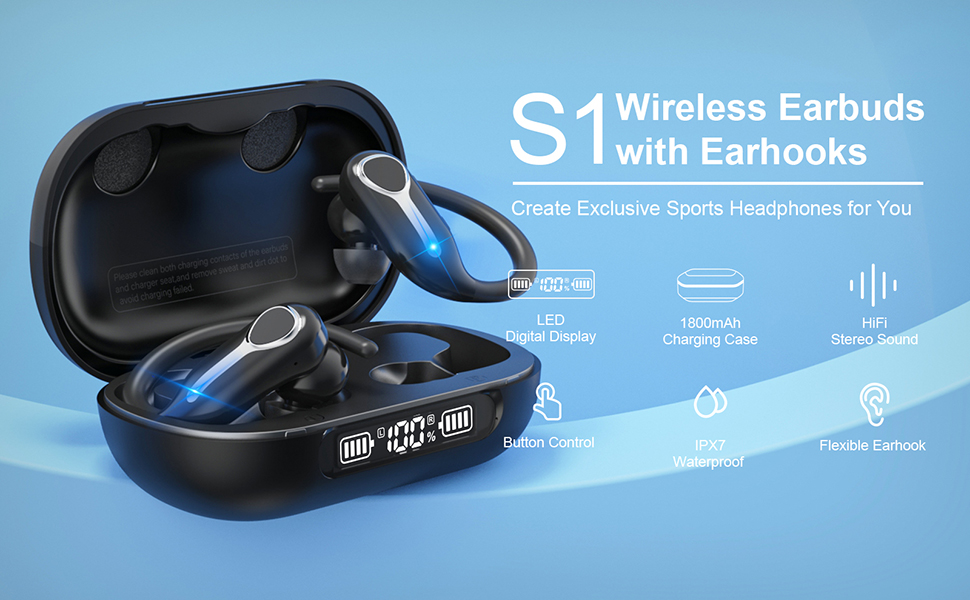
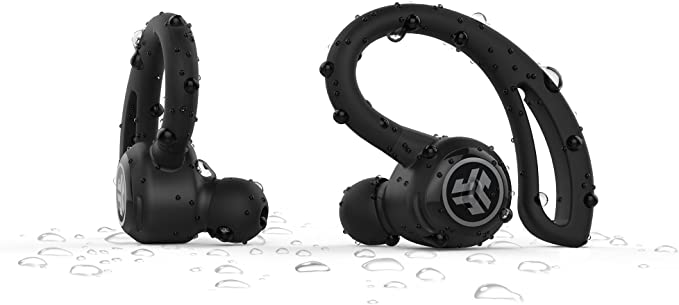
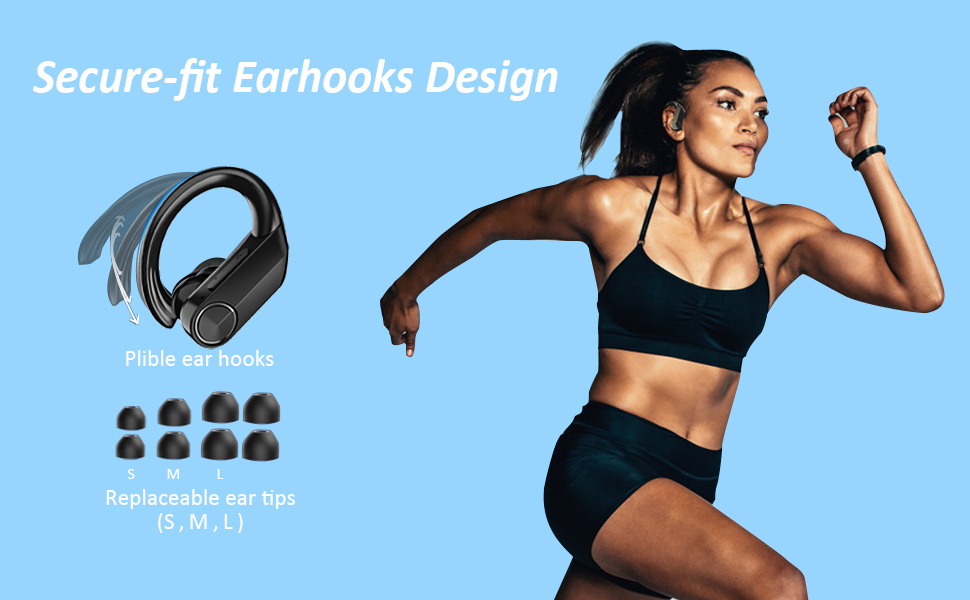
An IPX7 rating means the device has been tested to survive being fully submerged in up to 1 meter (about 3.3 feet) of fresh water for 30 minutes.
What does this actually mean for you?
- Heavy Sweat: Completely worry-free. An IPX7 rating far exceeds what’s needed to handle even the most intense, sweat-drenched workout.
- Running in the Rain: You’re covered. A downpour won’t be a problem.
- Rinsing: You can safely rinse the earbuds under a tap to clean them after a workout. Just don’t use high-pressure water.
The critical limitation, as noted by manufacturers, is that IPX7 is not for swimming. The rating doesn’t account for the prolonged submersion, water pressure from strokes, or chemicals in pool water. This level of waterproofing is typically achieved with a combination of precise seals and an invisible nano-coating on the internal electronics, which acts as a microscopic raincoat, repelling moisture before it can cause damage. For any serious fitness enthusiast, IPX7 should be considered the minimum standard for peace of mind.
The Science of Motivation: What “Punchy Bass” Actually Means
Music is the fuel. And for many, the foundation of motivating music is a strong bass line. But what creates that “punchy bass” in a tiny earbud? The answer lies in the audio driver.
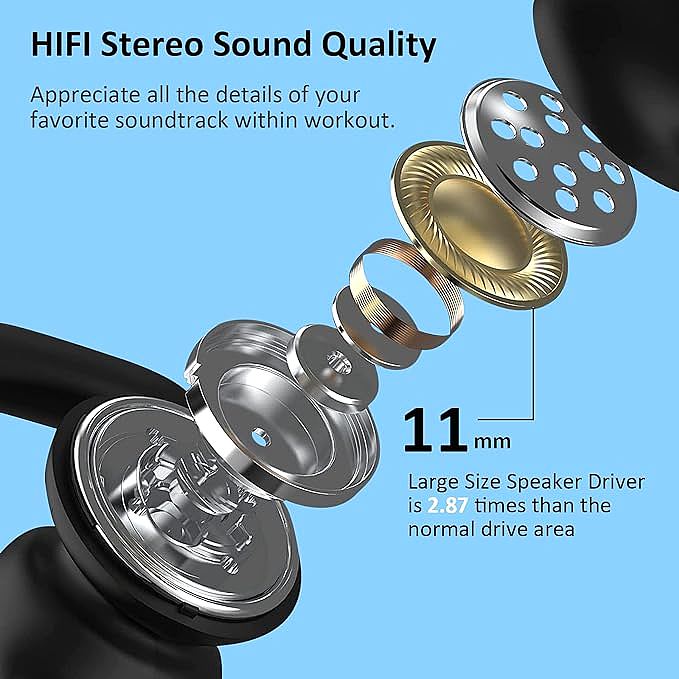
Think of a driver as the engine of the earbud. It’s a miniature speaker composed of a magnet, a voice coil, and a diaphragm. When an electrical signal comes in, the coil and magnet interact, causing the diaphragm (a thin, cone-like membrane) to vibrate rapidly. These vibrations create pressure waves in the air, which your eardrum interprets as sound.
Two key factors influence the sound, especially the bass:
1. Driver Size: The ZZN ZT02, for instance, mentions an 11mm driver. For earbuds, this is quite large. A larger diaphragm can physically move more air with each vibration. Since bass is all about low-frequency sound waves, the ability to move more air directly translates to a more powerful and present low-end response. Smaller drivers can struggle to reproduce that satisfying thump we feel in our chest.
2. Diaphragm Material: The material of the diaphragm matters immensely. It needs to be incredibly stiff (to avoid distorting at high volumes) and incredibly light (to react quickly to changes in the music). Some modern earbuds use advanced materials like a “Diamond-Like Carbon” (DLC) coating. DLC is known for its high stiffness-to-mass ratio. In theory, this allows the diaphragm to vibrate with precision, producing not only strong bass but also clear mids and crisp highs without becoming muddy or distorted.
When you see specs like these, you now know what they mean: the manufacturer is focusing on the physical components required to produce a full, dynamic sound profile powerful enough to cut through your fatigue and push you through that final rep.
Beyond the Core: Features That Matter Mid-Workout
Finally, a few practical features can make or break the user experience when you’re on the move.
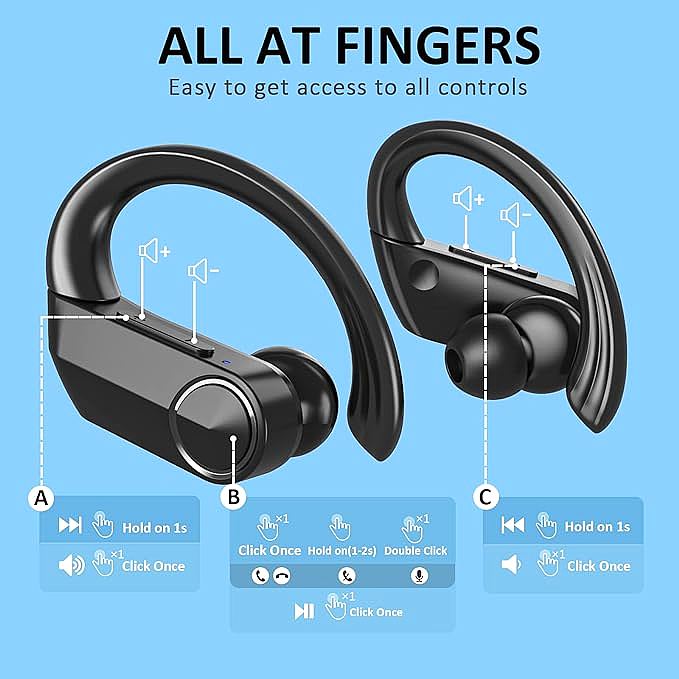
- Tactile Controls: Many modern earbuds use sleek touch controls, which can be frustrating during a workout. A stray drop of sweat, an accidental brush of your hand, or trying to adjust the fit can trigger an unwanted pause or skip. The ZZN ZT02 opts for a physical Multi-functional Button (MFB). This is a deliberate choice for athletes. A physical button provides undeniable tactile feedback—a click—so you know your command was registered without having to second-guess it.
- Connectivity: Bluetooth 5.0 is the modern standard, offering a stable and efficient connection. This means fewer dropouts when your phone is in your pocket or a gym bag nearby, keeping your music seamless.
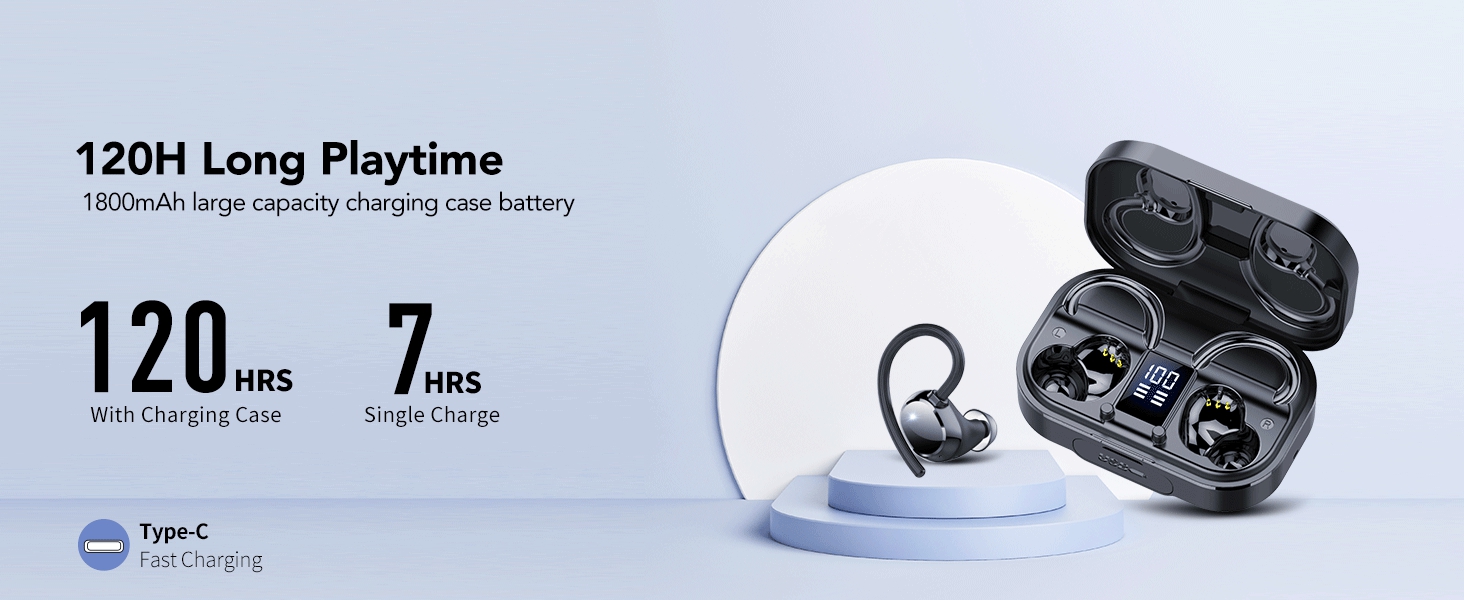
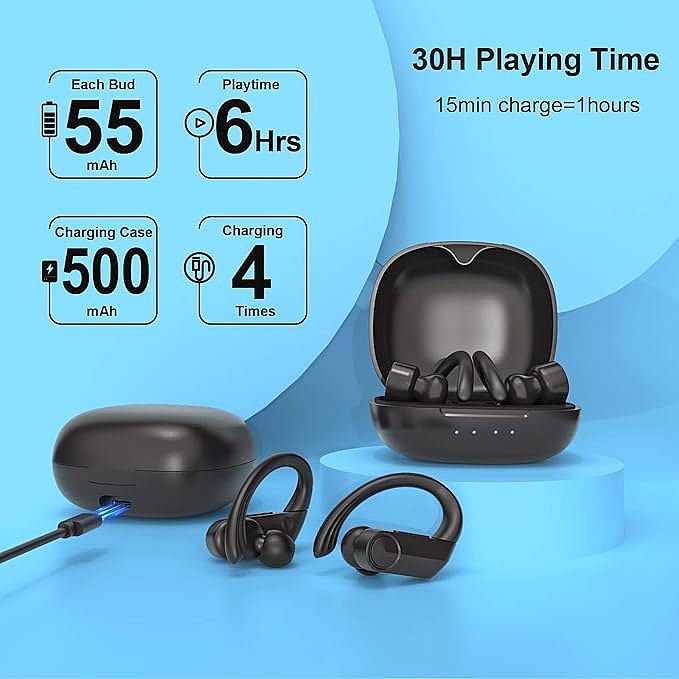
- Battery Endurance: Look for a system that matches a typical weekly routine. For example, the ZT02 offers around 6 hours of playtime per charge, with the case holding an additional 24-30 hours. This “charge-once-a-week” model means one less thing to worry about. The use of a modern USB-C port is also a plus for convenience.
Your New Toolkit for Choosing a Winner
You are now equipped with the fundamental knowledge to look past marketing hype and analyze any workout earbud on its true merits. You understand that a secure fit isn’t magic; it’s the result of a dual system of external anchoring (ear hooks) and an internal seal (properly sized tips). You can decode an IPX7 rating and know its real-world capabilities and limitations. And you know that powerful bass isn’t just a setting; it’s a function of the driver’s physical size and material quality.
Whether you’re considering a budget-friendly option like the ZZN ZT02 that embodies these principles or a premium alternative, you can now make a decision based on science and logic, not just brand names. The goal is to find a reliable tool that disappears into the background, letting you focus on what really matters: the movement, the music, and your next personal best.