The Ergonomics of Stability: Why Your Sport Earbuds Fall Out (And How to Find a Pair That Won't)


KT1 Q25 Wireless Earbuds
KT1 Q25 Wireless Earbuds
The KT1 Q25 Wireless Earbuds combines solar charging technology with active noise cancellation, offering up to 80 hours of battery life on a single charge — and potentially infinite playtime in sunlight.
Priced at $135.99 for Midnight Black and $199.00 for Sand Gold, it targets outdoor commuters and travelers who want to eliminate cable anxiety.
The Forces of Dislodgment: Why Standard Earbuds Fail
To understand the solution, we must first diagnose the problem. Three primary forces are constantly working to push earbuds out of your ears during exercise:
- Impact Shock: With every footstrike during a run, a small shockwave travels up your body. This repeated, jarring motion is the primary culprit for dislodging earbuds that rely on a simple friction fit.
- Facial Movement: The simple acts of talking, chewing, or even changing your facial expression cause subtle but powerful movements in your jaw and ear canal, which can slowly "walk" an earbud out of place.
- The Lubricant Effect of Sweat: Sweat acts as a lubricant, dramatically reducing the friction between the silicone eartip and your skin, making even a previously snug fit precarious.
Standard earbuds, designed for sedentary use, are simply not engineered to withstand this onslaught. A truly effective sport earbud must incorporate a dedicated mechanical solution for stability.
The Engineering of Anchorage: How Secure-Fit Designs Work
Audio engineers have developed several clever solutions to this stability problem, but one of the most effective and comfortable is the earhook design. This approach fundamentally changes the physics of how the earbud is supported. Instead of relying solely on pressure inside the ear canal, it uses the outer ear (the pinna) as an anchor point.
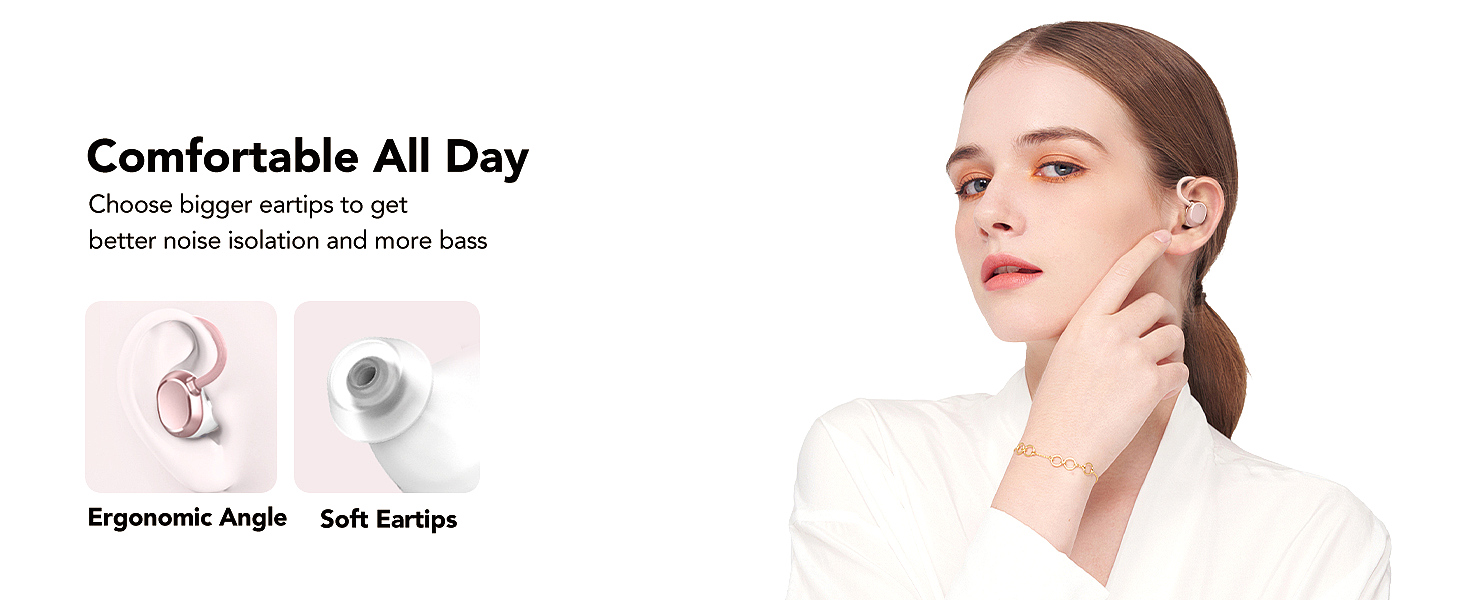
This is where a model like the KT1 Q25 becomes an excellent case study in thoughtful ergonomic design. Its core feature is a soft, flexible earhook that wraps gently over the top of the ear. This design directly addresses the stability-versus-comfort paradox:
- Stability Through Leverage: The hook acts as a lever, using the top of your ear as a fulcrum to hold the earbud securely in place. This external support system is far more resistant to the impact shocks of running and the micro-movements of your jaw. It’s a design that has been market-validated, with thousands of users praising its ability to "stay in place" and "never fall out" during vigorous activity.
- Comfort Through Material Science: A rigid, hard plastic hook would solve the stability problem but create another: painful pressure points. The key is the material. The Q25 utilizes a soft, pliable silicone that conforms to the unique curve of each individual's ear. This flexibility distributes the minimal weight of the earbud over a larger surface area, preventing the focused pressure that leads to soreness.
This design is particularly transformative for users with small ears, a demographic often poorly served by one-size-fits-all earbuds. For these individuals, standard buds are often too large to fit comfortably or achieve a secure seal. The earhook provides a reliable anchor that is independent of ear canal size, a fact echoed in countless user reviews celebrating that they have "FINALLY!!!" found a pair that fits without pain.
The Supporting Cast: Technologies that Bolster Performance
While a secure fit is the foundation, a great sport earbud needs a supporting cast of technologies to deliver a complete experience.
IPX7 Waterproofing: As we've established, sweat is a primary destabilizing force. It is also the mortal enemy of electronics. An IPX7 waterproof rating is therefore non-negotiable for a serious sport earbud. This certification means the device can withstand submersion in up to 1 meter of water for 30 minutes, making it effectively impervious to sweat and rain. The use of a hydrophobic nano-coating, as seen in the Q25, provides an essential layer of protection for the internal circuitry, ensuring durability over countless workouts.
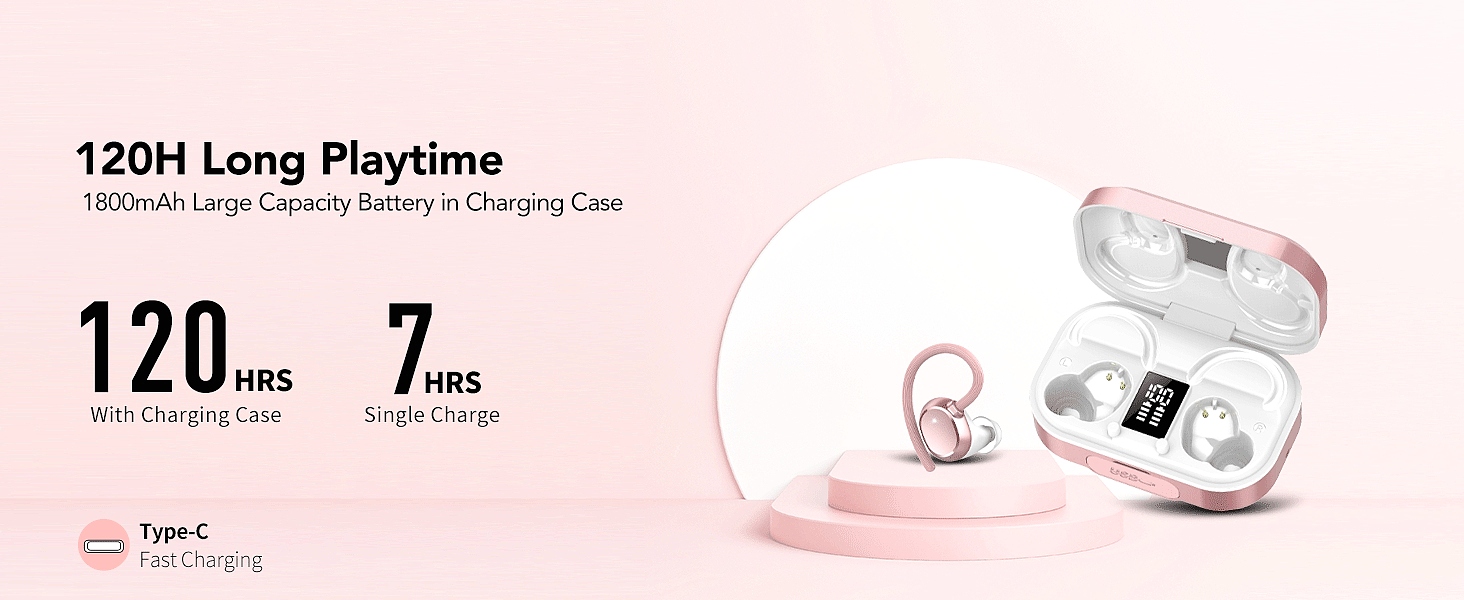
Marathon Battery Life: Long training sessions require long-lasting power. The massive 120-hour total playtime advertised for the KT1 Q25, enabled by a large 2600mAh battery in the charging case, is a prime example of designing for endurance. This means you can throw the case in your gym bag and potentially go for weeks without needing to find a power outlet, eliminating one more piece of mental clutter from your workout routine. The clear LED display on the case, showing the exact remaining percentage, is a simple but crucial feature that removes all guesswork.
The Audio Engine: A secure platform deserves a great sound engine. The KT1 Q25 utilizes 10mm graphene drivers. Graphene is a material prized in audio for its incredible stiffness-to-weight ratio. This allows the diaphragm to vibrate with precision, delivering a fast, clear, and detailed sound, especially when it comes to the punchy bass that can drive a workout. The "Bass 2.0 Technology" is a form of acoustic and digital tuning designed to enhance these low frequencies, providing an energetic sound signature well-suited for popular gym playlists.

Conclusion: From Frustration to Freedom
The problem of earbuds falling out during exercise is not a personal failing or an unavoidable compromise; it is an engineering challenge with a clear ergonomic solution. By understanding the forces at play and the design principles created to counter them, you can move beyond frustrating trial-and-error and make an informed decision.
Designs centered around a flexible earhook, exemplified by models like the KT1 Q25, offer a robust and comfortable solution that has been validated by thousands of active users. They prove that stability doesn't have to come at the expense of comfort. When you combine this foundational ergonomic design with essential supporting technologies like IPX7 waterproofing and long-haul battery life, you get more than just a pair of earbuds. You get a reliable training partner—a piece of gear so secure and comfortable that it becomes transparent, allowing you to lose yourself completely in the sound and the motion.
KT1 Q25 Wireless Earbuds
Related Essays

JBL Reflect Contour 2 In-Depth: The Science Behind Secure Fit Sport Headphones
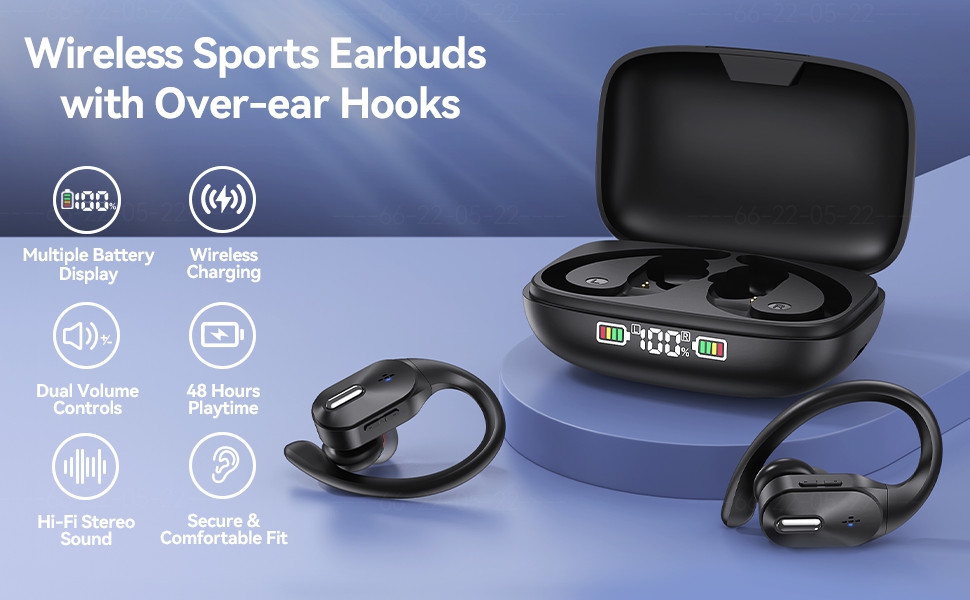
Why Your Earbuds Fall Out During a Run, and What Engineering Does About It


MASTER & DYNAMIC MW07 GO True Wireless Earphones - Water Resistant Earbuds

Wireless Earbuds That Stay Secure During Workouts: bmani T16 Review

How to Read a Sport Earbud Product Page: A Beginner's Guide to Specs
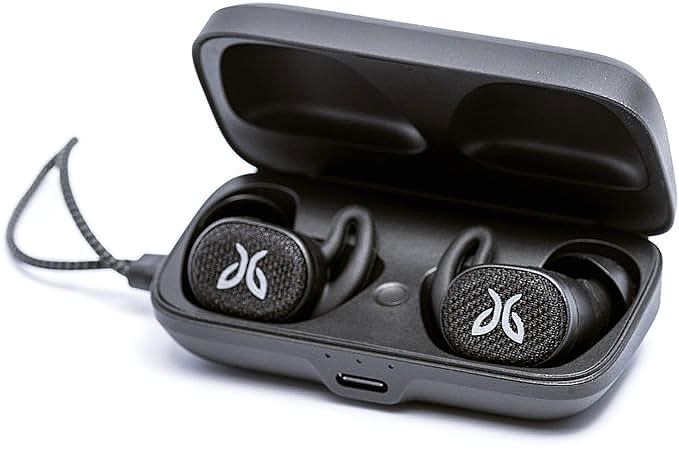
Jaybird Vista 2 True Wireless Headphones: Rugged Yet Stylish Noise-Cancelling Earbuds

The Physics of Wireless Audio: Engineering Bluetooth 5.3 and Graphene Drivers

Running Farther with Less Charging: A Deep Dive into Budget Sports Earbuds

