Beyond the Basics: A Guide to Bluetooth Audio Codecs (SBC, AAC, aptX)
Update on Nov. 14, 2025, 7:43 p.m.
Have you ever wondered why two pairs of wireless earbuds, playing the same song from the same phone, can sound dramatically different? One might sound rich and detailed, while the other sounds flat and lifeless. The secret often lies in an invisible, frequently overlooked piece of technology: the Bluetooth audio codec.
Think of a codec as a digital language spoken between your phone and your earbuds. It’s responsible for compressing the audio data to send it wirelessly and then decompressing it for you to hear. The “dialect” of this language has a profound impact on the final sound quality. Understanding the hierarchy of these codecs is the single most important step you can take toward becoming a smarter wireless audio consumer. Let’s decode the three most common players: SBC, AAC, and Qualcomm’s aptX.
The Universal Standard: SBC (The “Good” Baseline)
SBC, or Subband Codec, is the mandatory, universal codec for all stereo Bluetooth audio. Every single pair of Bluetooth headphones or speakers you’ve ever used supports SBC. It’s the default language that guarantees compatibility across all devices.
How it works: SBC is a “lossy” codec, meaning it discards some of the original audio data to make the file small enough for wireless transmission. Imagine making a photocopy of a photocopy; with each generation, some detail is lost. SBC is designed to prioritize a stable connection over perfect audio fidelity.
The result: For casual listening, podcasts, or phone calls, SBC is perfectly adequate. However, for critical music listening, its limitations can become apparent. You might notice a lack of crispness in the high frequencies (like cymbals), a less defined bass, and a generally “flatter” soundstage. It gets the job done, but it’s not designed for high fidelity.
The Apple Favorite: AAC (The “Better” Option)
AAC, or Advanced Audio Coding, is a step up in the audio quality ladder. It is also a lossy codec, but it uses a more sophisticated and efficient compression algorithm than SBC.
How it works: Think of AAC as a more intelligent compression method. It’s better at deciding which data is less critical to human hearing and can be discarded, while preserving the more important details. This allows it to deliver higher perceived sound quality at the same bitrate (data transfer rate) as SBC.
The result: AAC is the preferred high-quality codec for Apple’s entire ecosystem—iPhones, iPads, and Macs. On these devices, AAC provides a noticeable improvement over SBC, with better clarity, more detail, and a richer overall sound. While most modern Android phones also support AAC, its performance can sometimes be inconsistent, as the implementation varies by manufacturer. For iOS users, however, looking for AAC support is key to getting the best possible wireless sound.
The Android High-Fidelity Choice: aptX (The “Best” for Many)
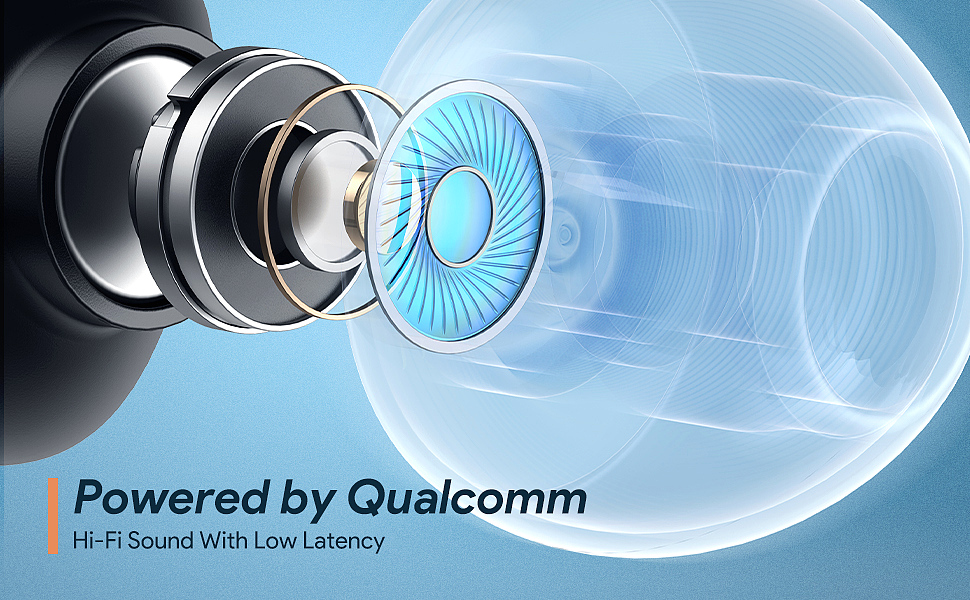
This brings us to aptX, a family of codecs developed by Qualcomm. The presence of aptX is often a clear signal that a manufacturer is serious about audio quality, especially for the Android ecosystem.
How it works: aptX uses a different type of compression model (ADPCM) that is fundamentally more efficient at handling audio data than SBC. It’s designed to preserve more of the original audio file, operating on a principle often described as “perceptually lossless.” While some data is still compressed, it’s done in a way that has a much smaller impact on the audible frequency range. To enable this, both your source device (your phone) and your receiving device (your earbuds) must have a Qualcomm chip that supports aptX.
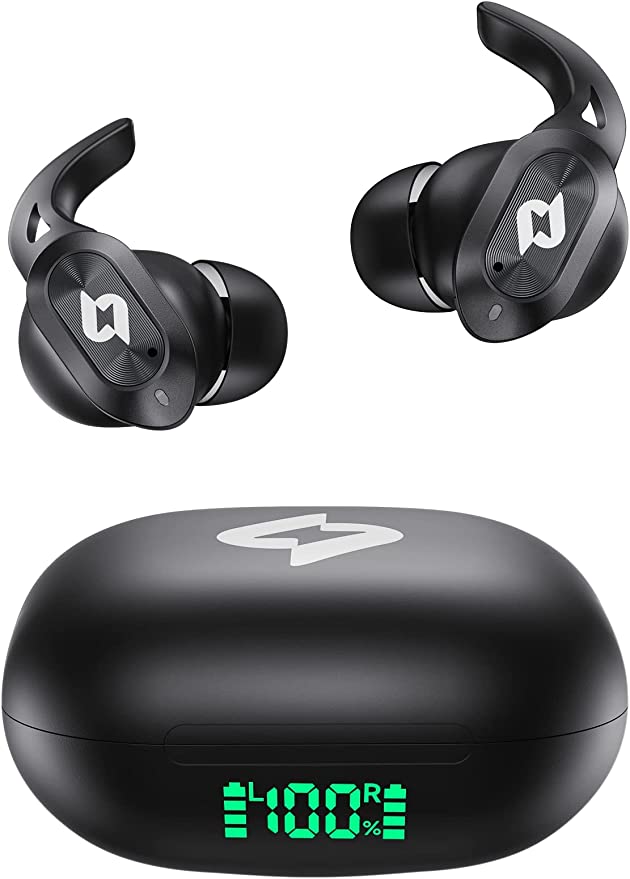
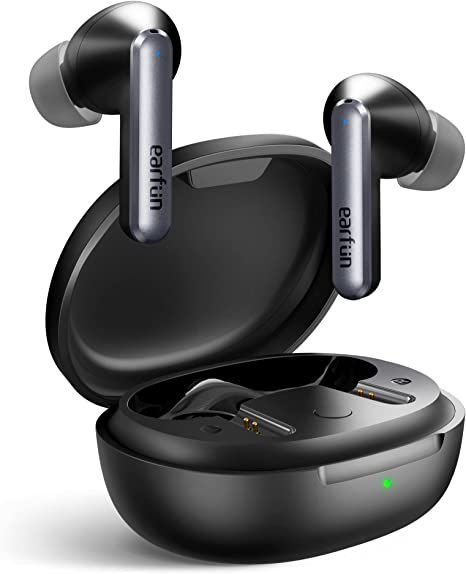
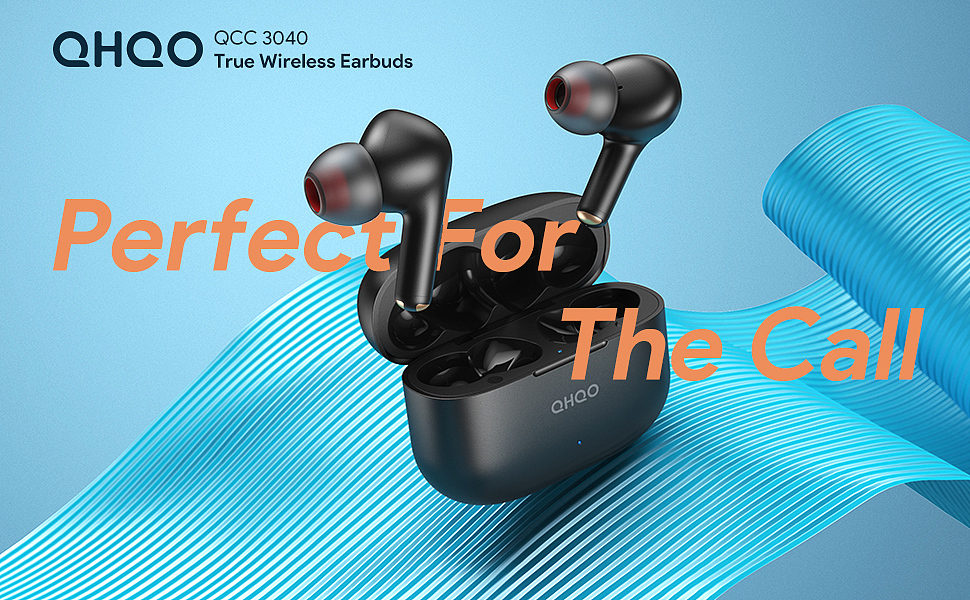
The result: For users with a compatible Android phone, aptX can deliver a listening experience that is audibly superior to both SBC and often even AAC. Listeners report a wider soundstage, better instrument separation, and a level of clarity that feels much closer to a wired connection. This is why some savvy users specifically look for earbuds built around Qualcomm chipsets like the QCC3040, which is found in devices like the QHQO H2 Wireless Earbuds. The inclusion of such a chip is a deliberate engineering choice to provide a higher tier of audio fidelity.
Beyond Codecs: The Supporting Technology
While the codec is the foundation of wireless sound quality, it works in concert with other technologies. For instance, a stable connection is vital for maintaining a high-bitrate stream. The Bluetooth 5.2 standard, used in the QHQO H2, provides a fast and reliable link that minimizes signal dropouts which could otherwise force the codec to a lower-quality mode.
Furthermore, call quality is another critical aspect. The H2 utilizes CVC 8.0 (Clear Voice Capture) technology with a 4-microphone array. CVC focuses on cleaning up the audio your microphones send out, using algorithms to suppress background noise and make your voice clearer to the person you’re talking to. This demonstrates that a great audio experience is a holistic system, where the codec, connection stability, and call clarity features must all work together.

Conclusion: Empowering Your Purchase
The world of wireless audio is filled with marketing terms, but understanding the hierarchy of Bluetooth codecs—SBC, AAC, and aptX—is your most powerful tool. It allows you to cut through the noise and make an informed decision based on the technology that directly impacts sound quality.
- If you’re an iPhone user, look for earbuds that support AAC.
- If you’re an Android user with a Qualcomm-powered phone and you prioritize audio fidelity, seeking out earbuds that support aptX will unlock a significant step-up in your listening experience.
Products that feature aptX, even at an affordable price point, signal a commitment to better sound. By checking for this simple specification, you can ensure your next pair of wireless earbuds delivers not just convenience, but a genuinely high-fidelity performance.