The Silence Engine: Hybrid ANC and CVC 8.0 Algorithms
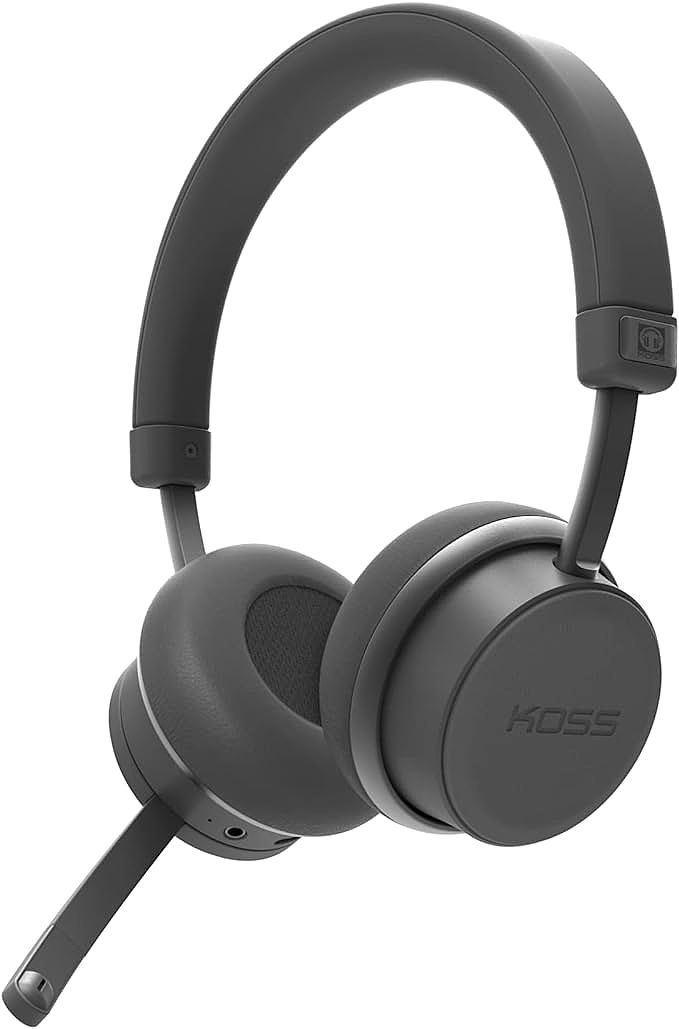
Koss CS340BT QZ Wireless Headset
In the architecture of modern communication headsets, "noise cancellation" is a bifurcated term. It refers to two distinct, albeit related, signal processing tasks: clearing the sound entering the ear and clearing the voice leaving the mouth. The Koss CS340BT QZ exemplifies this dual-engine approach by integrating Hybrid Active Noise Cancellation (ANC) for the user's auditory isolation and Clear Voice Capture (CVC) 8.0 for transmission clarity. Understanding the physics and algorithms behind these technologies reveals how a headset transforms a chaotic office into a studio-like environment.
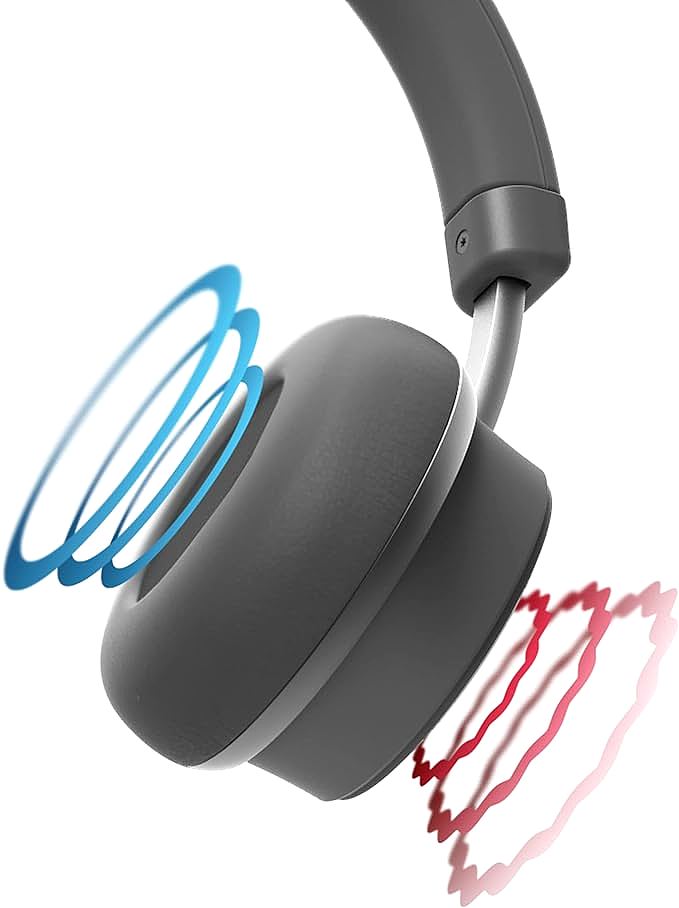
Hybrid ANC: The Physics of Phase Cancellation
Active Noise Cancellation operates on the principle of destructive interference. A microphone samples ambient noise, and the headset's DSP generates an "anti-noise" wave—a signal with the same amplitude but inverted phase (180 degrees out of sync). When these two waves collide, they cancel each other out.
The "Hybrid" architecture employed here is superior to simpler designs because it uses two sets of microphones:
1. Feedforward (External): Microphones on the outside of the ear cup detect noise before it hits the ear. This is effective for mid-frequency noise like chatter or traffic.
2. Feedback (Internal): Microphones inside the ear cup monitor what the user actually hears. They correct any errors in the cancellation signal and handle low-frequency drones (like HVAC hum) that might leak through the physical seal.
By combining these loops, the DSP can process a wider band of frequencies, creating a deeper and more consistent zone of silence than either method could achieve alone.
CVC 8.0: Algorithmic Voice Isolation
While ANC protects the listener, CVC 8.0 protects the person on the other end of the call. Unlike ANC, which injects sound, CVC is a subtractive algorithm running on the transmission path.
It utilizes the headset's dual-microphone array to perform Beamforming. * Spatial Filtering: The two microphones are spaced a specific distance apart. Sound waves from the user's mouth arrive at the mics at slightly different times compared to ambient noise (which is more diffuse). The algorithm uses this time-difference-of-arrival (TDOA) to calculate the direction of the sound source. * Spectral Subtraction: Once the "voice vector" is identified, the DSP analyzes the frequency spectrum. It identifies non-voice patterns (stationary noise like fans, or transient noise like keyboard clicks) and attenuates those frequencies while preserving the harmonics of human speech. This ensures that the voice transmitted over Bluetooth is isolated from the acoustic chaos of the environment.
Future Outlook: Neural Noise Suppression
The next evolution in this field involves Deep Neural Networks (DNN). Instead of relying on fixed algorithms like CVC, future headsets will carry NPU chips trained on thousands of hours of noise data, allowing them to identify and remove specific sounds (like a crying baby or a siren) with unprecedented accuracy in real-time.
Koss CS340BT QZ Wireless Headset
Related Essays

Monster Clarity 101 Plus AirLinks: 6mm Driver, CVC 8.0 and Fit Explained

CVC 8.0, Bluetooth 5.4, IPX7: Earbud Specs Decoded

Decoding Hybrid ANC, AI Calls & Powerful Audio: The Science...

The Two-Way Quiet Zone: Decoding ANC vs. Noise-Canceling Mics

Why Your ANC Earbuds Still Fail on Calls: The Science of cVc 8.0 Uplink Processing

Dascert Q38 Wireless Earbuds: Technical Deep-Dive into Bluetooth 5.1 Engineering

How Hybrid ANC Really Works

The Microphone War Inside Your Earbuds: Why Not All ANC Is Built the Same

The Mechanics of Clarity: ENC Beamforming and Driver Physics
