The Biomechanics of Beat: Analyzing Sport Audio Design and Durability
Update on Nov. 23, 2025, 7:33 p.m.
For the modern athlete—whether a marathon runner or a weekend gym warrior—music is not just background noise; it is a legal performance enhancer. However, the interface between technology and the human body during intense movement is fraught with challenges. We have all experienced the frustration: the mid-sprint earbud slip, the connection dropout in a crowded gym, or the eventual death of a device due to sweat corrosion.
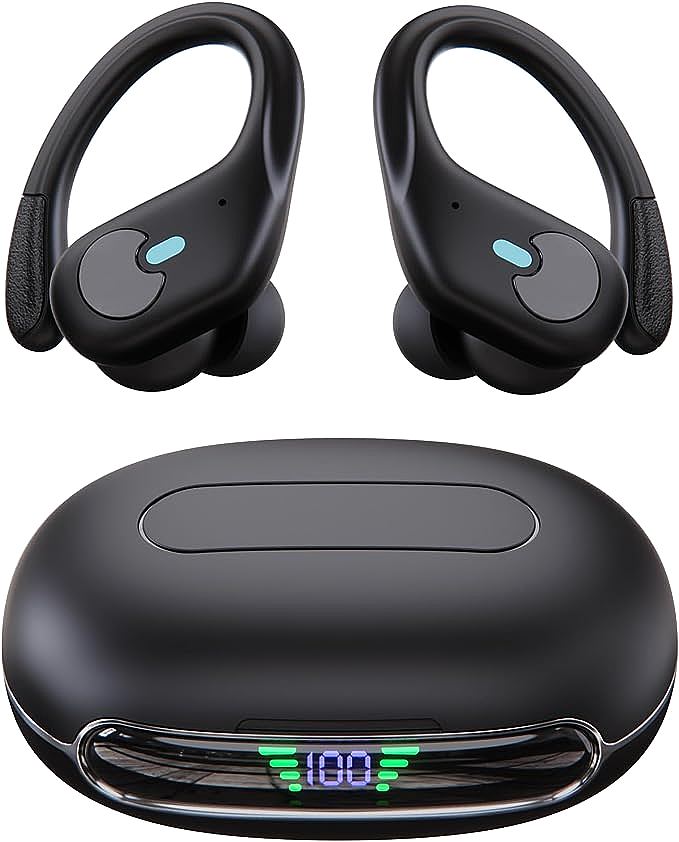
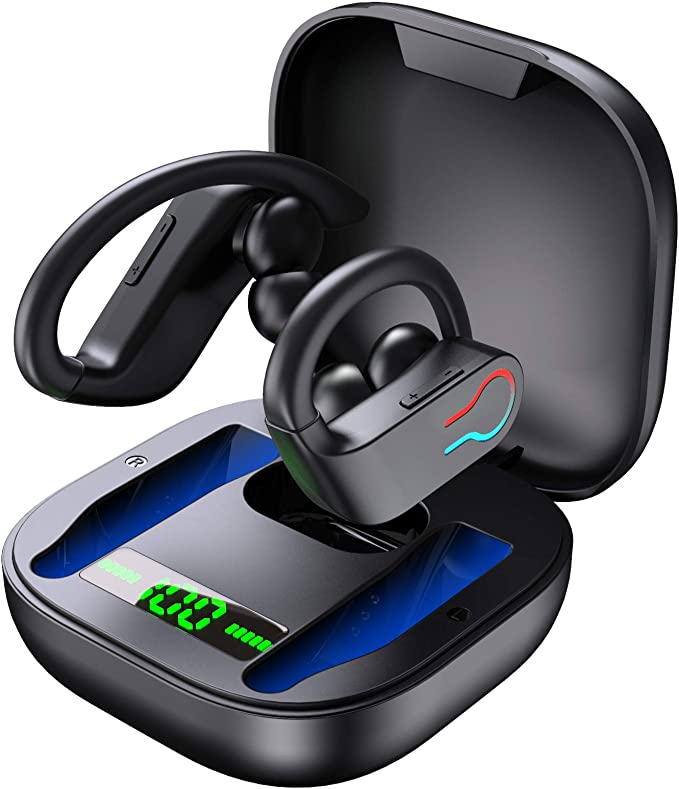
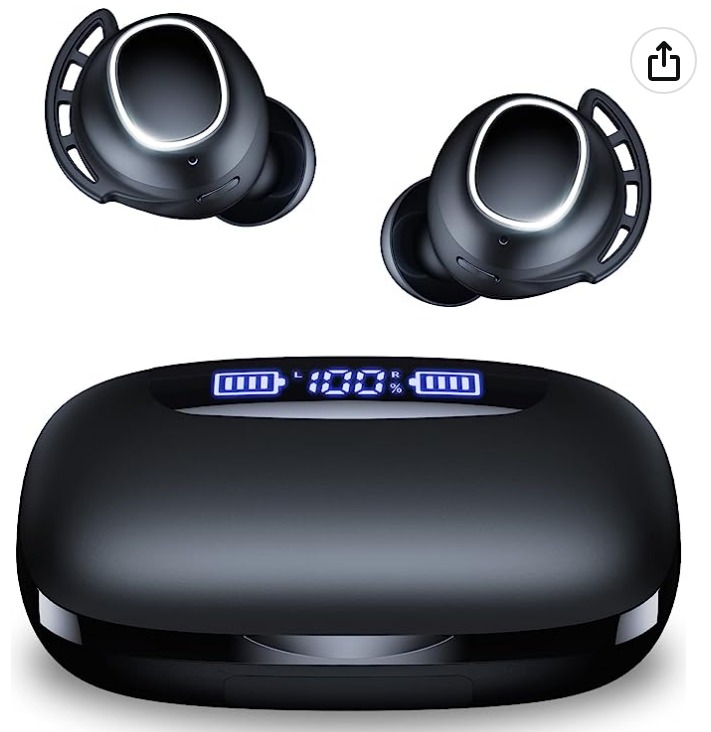
Selecting the right audio gear for an active lifestyle requires looking beyond brand prestige and understanding the fundamental engineering of fit, resistance, and connectivity. By examining devices that prioritize function—such as the Drsaec I21 Wireless Earbuds—we can identify the key features that distinguish a true sport companion from a casual listening accessory.
The Physics of Fit: Friction vs. Mechanics
The most common complaint regarding true wireless stereo (TWS) earbuds is stability. Standard earbuds rely on “friction fit”—the pressure of the silicone tip against the ear canal combined with the tragus holding the bud in place. While sufficient for commuting, this design often fails under the vertical oscillation of running or the rapid movements of HIIT workouts. Sweat acts as a lubricant, reducing friction and causing the seal to break.
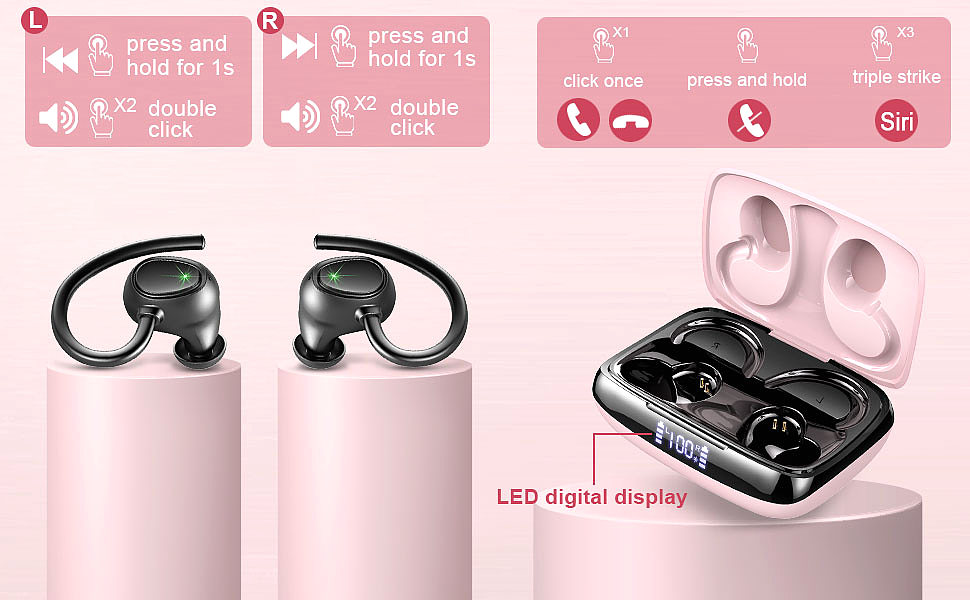
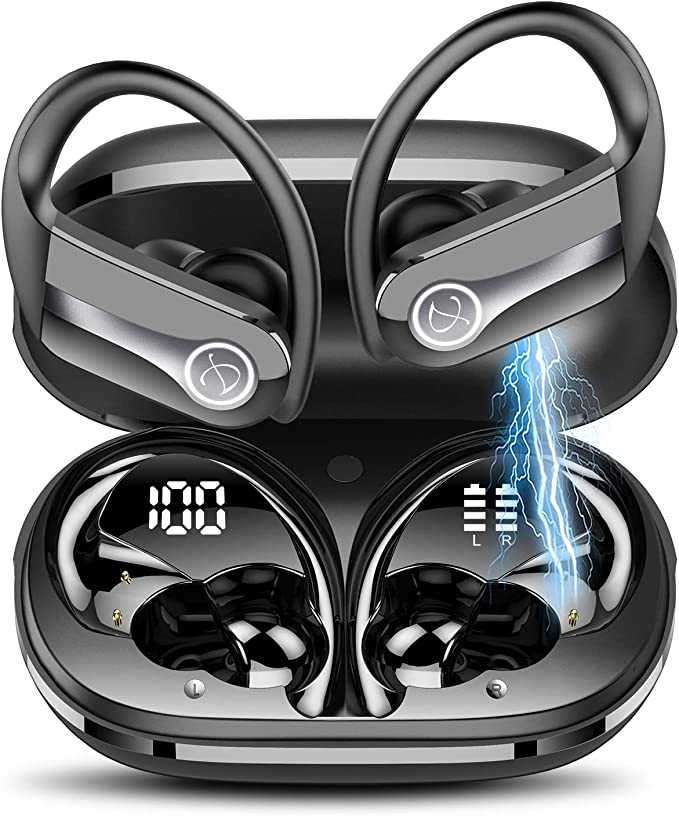
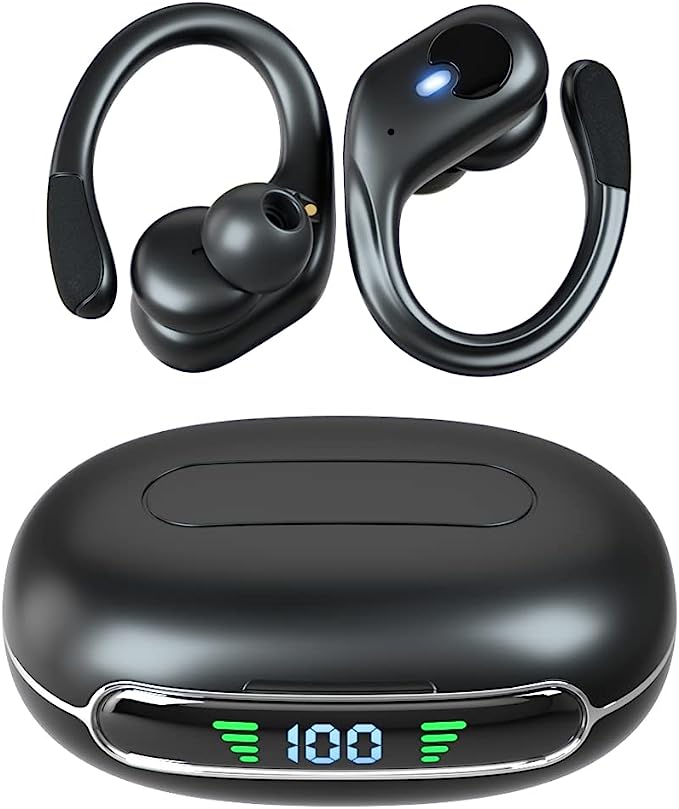
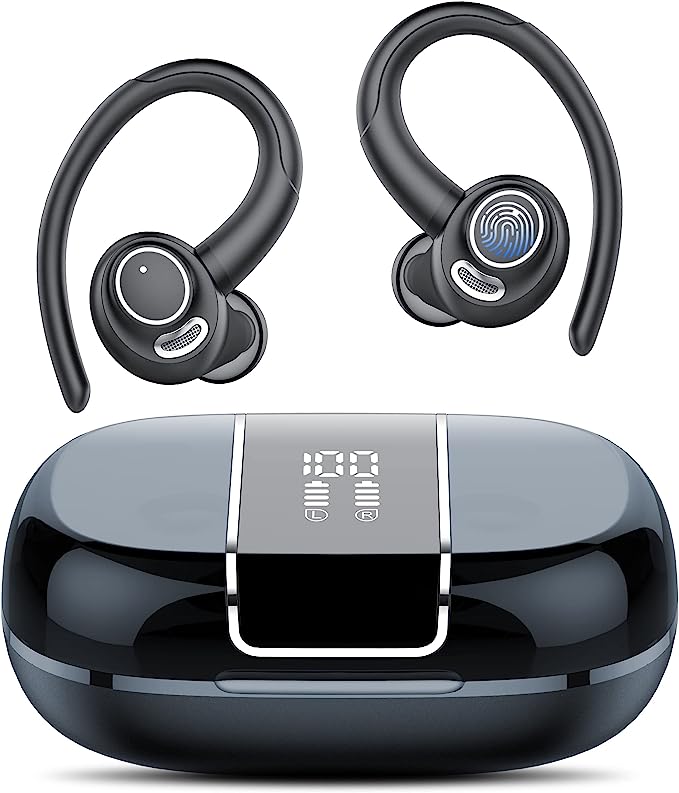
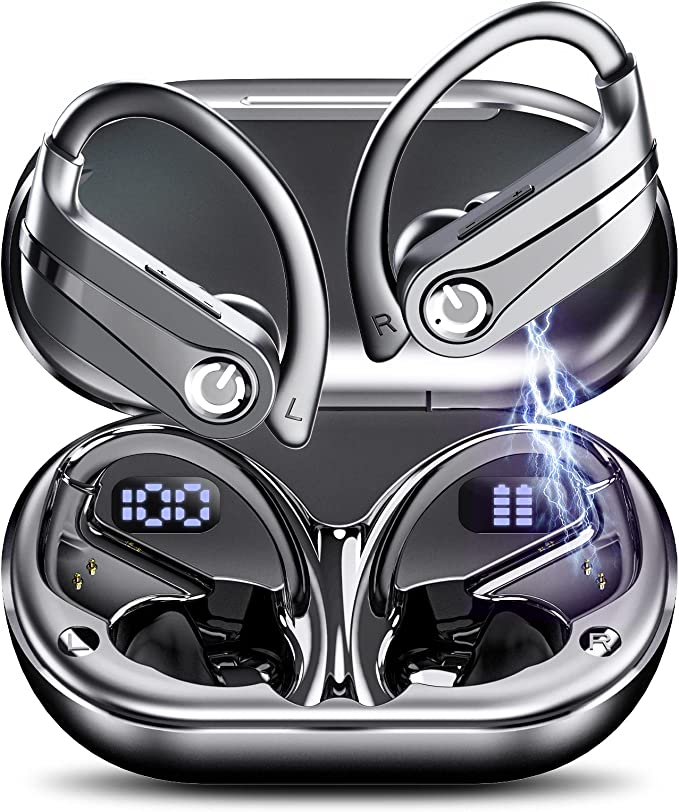
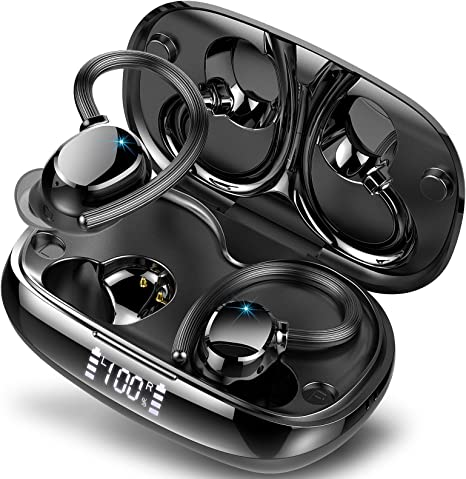
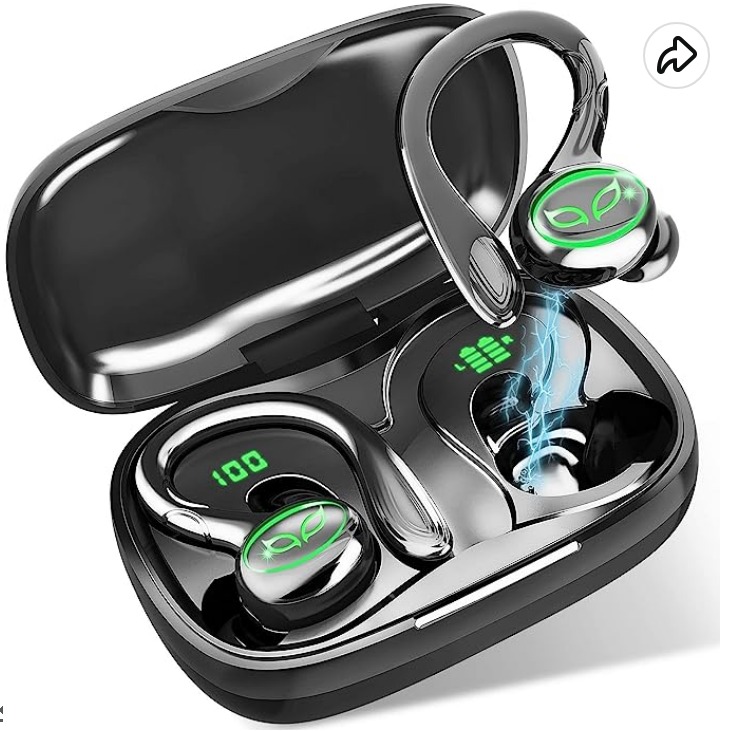
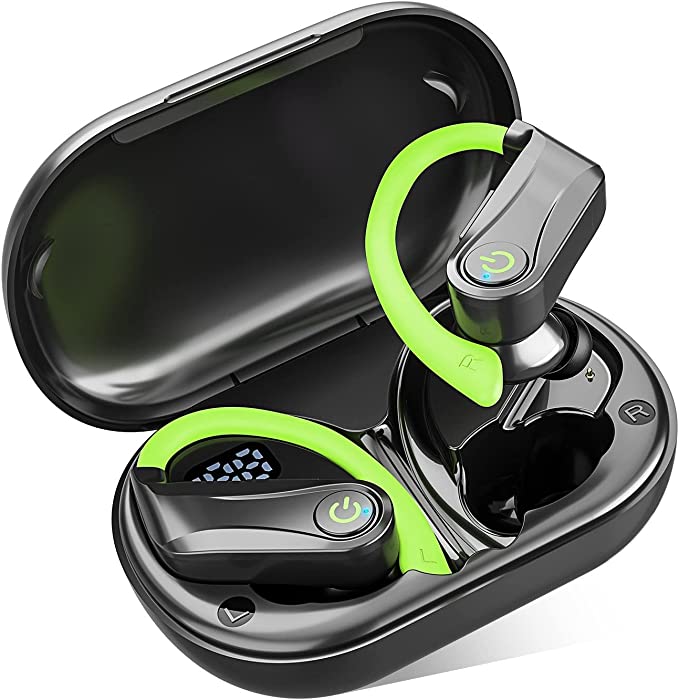
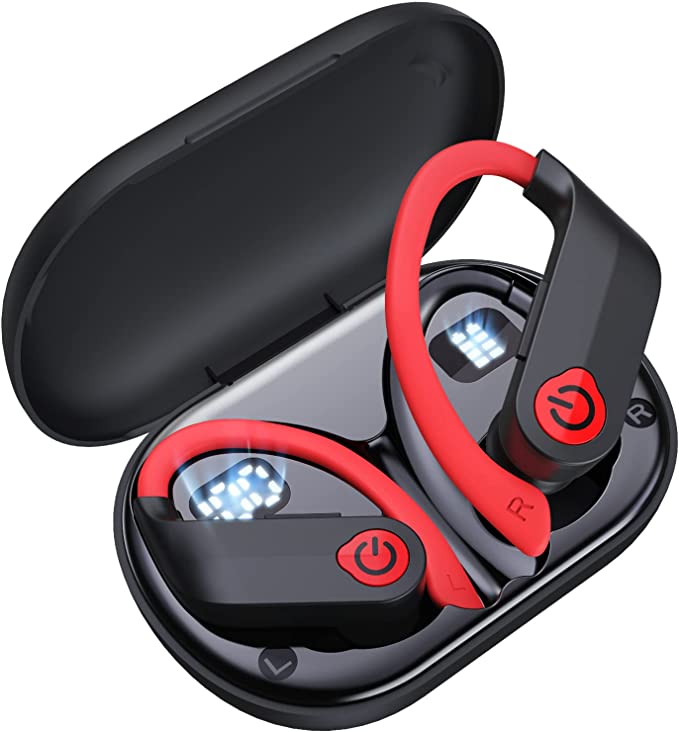
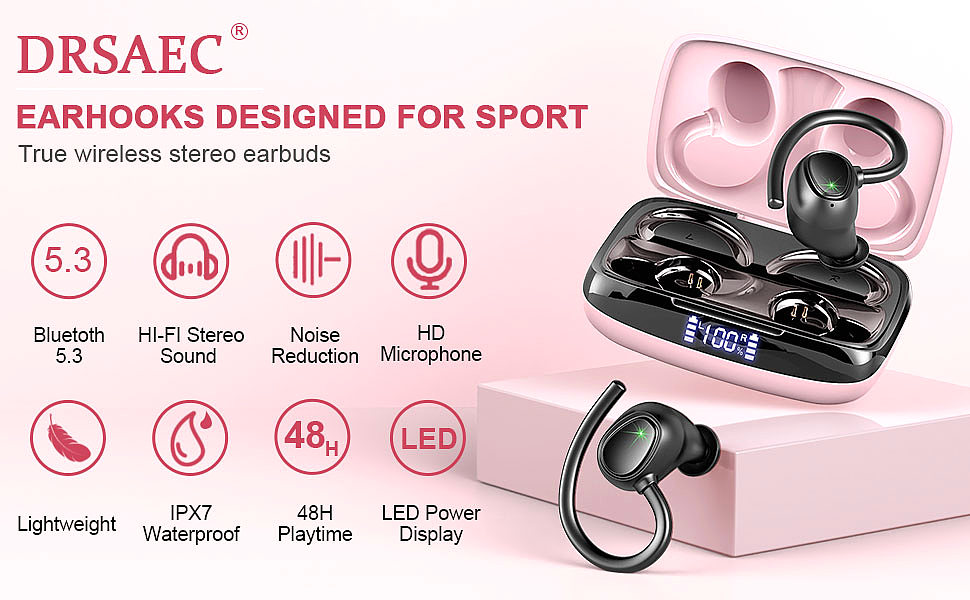
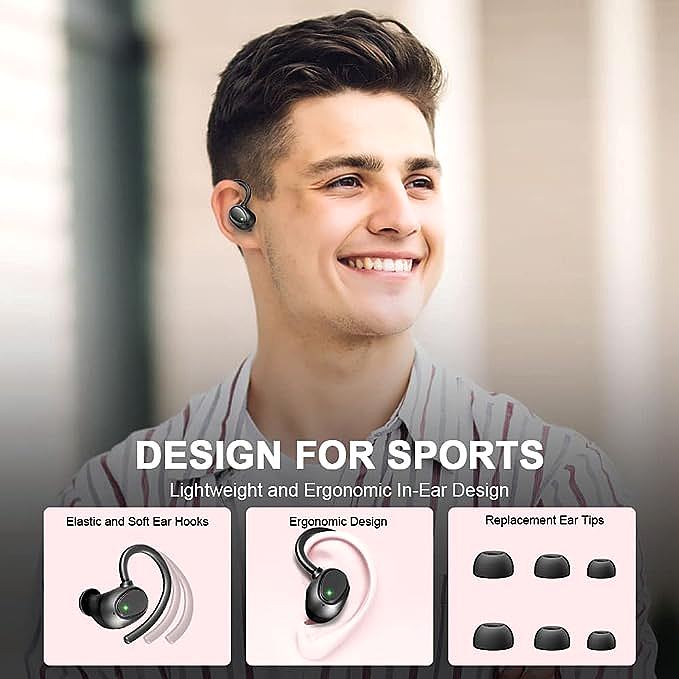
The engineering solution to this is mechanical stability. This is where the earhook design, a prominent feature of the Drsaec I21, becomes essential. By utilizing a flexible silicone hook that wraps around the pinna (the outer ear), the device shifts the point of retention from the sensitive ear canal to the robust structure of the outer ear. This distributes the weight (a lightweight 10 grams in the I21’s case) more evenly and ensures that gravity and momentum work with the device, not against it. For anyone who has struggled with finding the perfect ear tip size, the mechanical redundancy of an earhook offers a fail-safe against the “pop-out” phenomenon.
Decoding Durability: The IP7 Standard
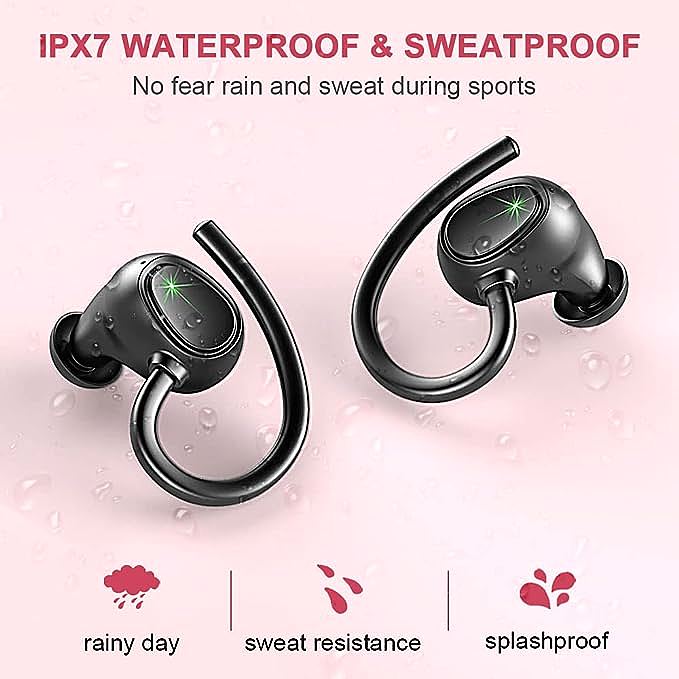
“Waterproof” is a marketing term; Ingress Protection (IP) ratings are the scientific standard. Many consumer earbuds carry an IPX4 rating, meaning they can handle splashing water. However, for rigorous athletic use, this is often insufficient against the sustained exposure to sweat, which is corrosive due to its salt content.
The Drsaec I21 carries an IP7 rating. In technical terms, the “7” indicates that the device has been tested against the effects of temporary immersion in water (up to 1 meter for 30 minutes). While swimming is generally not recommended for Bluetooth signals (which struggle to penetrate water), this rating implies a significantly higher degree of sealing against moisture ingress than standard buds. Combined with internal nano-coatings, an IP7 rating is a critical indicator of longevity for users who sweat heavily or train in unpredictable weather. It transforms the device from a fair-weather friend into an all-terrain tool.
Audio Dynamics: Moving Air for Motivation
In the realm of sport audio, the sound signature requirements differ from critical home listening. When your heart rate is 160 bpm, you generally crave rhythm and drive. This is physically achieved through driver size.
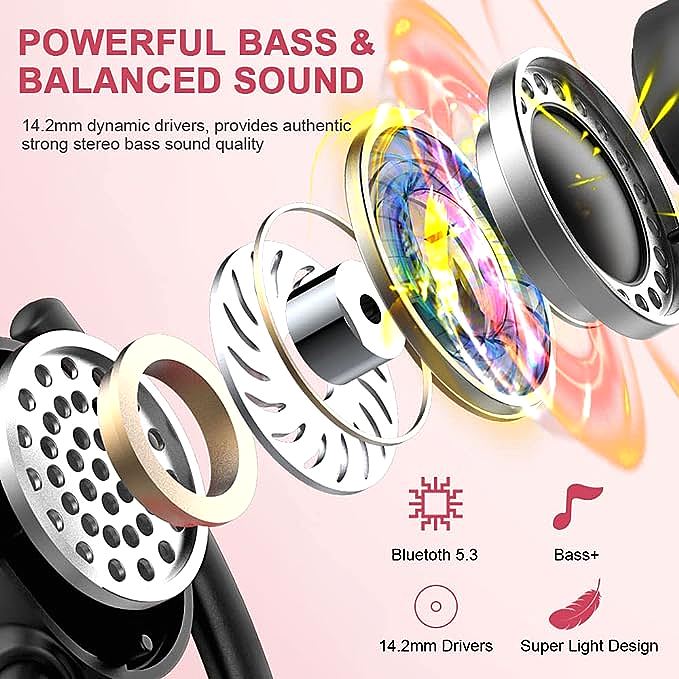
The driver is the component that converts electrical signals into sound waves. The Drsaec I21 utilizes a 14.2mm dynamic driver. To put this in perspective, many standard earbuds use drivers between 6mm and 10mm. A larger surface area allows for greater air displacement, which is directly correlated to bass response. When paired with a composite diaphragm (balancing stiffness for treble with flexibility for bass), a larger driver can deliver the visceral “thump” needed to power through the last mile of a run without requiring dangerous volume levels.
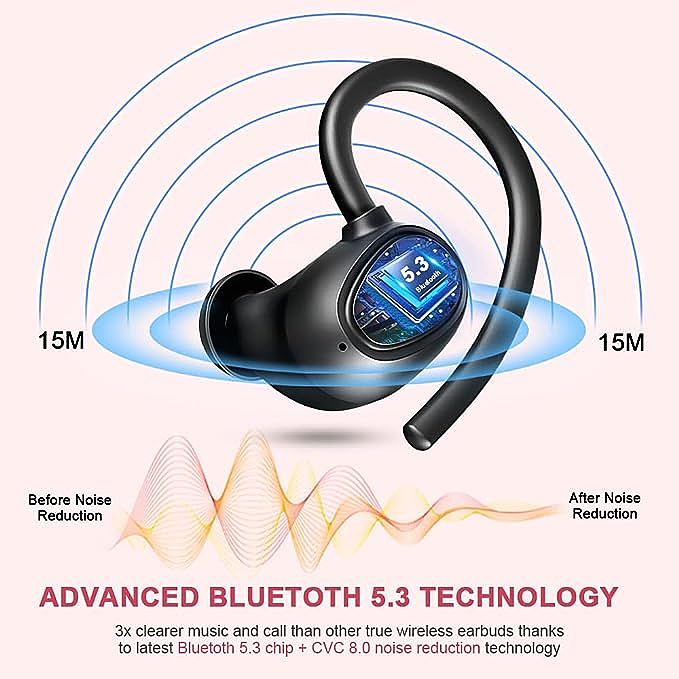
Furthermore, clarity during communication is handled by CVC 8.0 (Clear Voice Capture) technology. It is crucial to distinguish this from Active Noise Cancellation (ANC). CVC works on the microphone input, filtering out background noise so the person on the other end of the call hears you clearly. For outdoor runners or gym-goers taking calls mid-session, this focus on vocal transmission is a practical necessity.
The Invisible Tether: Bluetooth 5.3 Efficiency
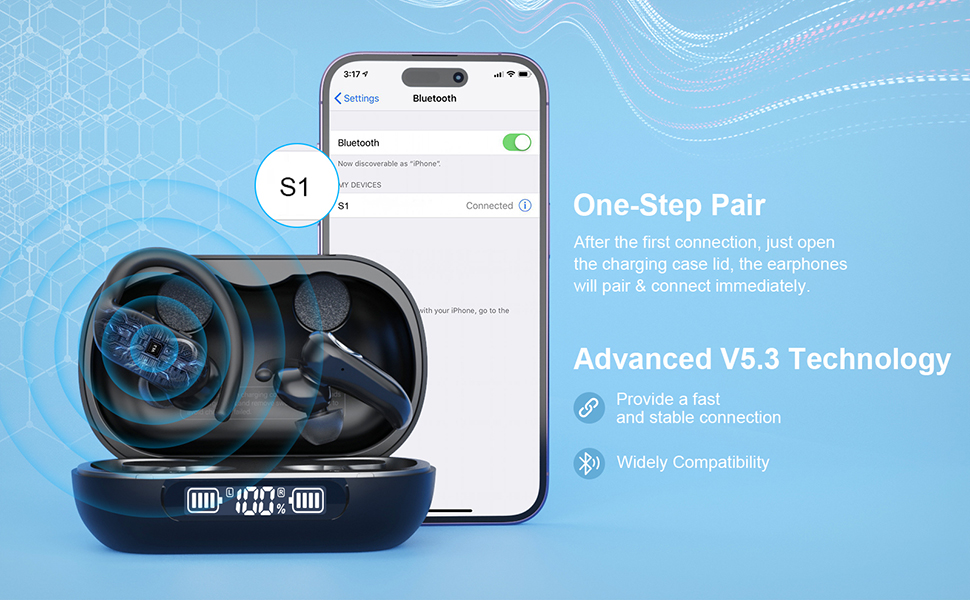
Wireless audio is only as good as its connection. The adoption of Bluetooth 5.3 in modern devices like the I21 represents a maturity in protocol. Compared to older 5.0 iterations, version 5.3 offers lower latency and improved power efficiency.
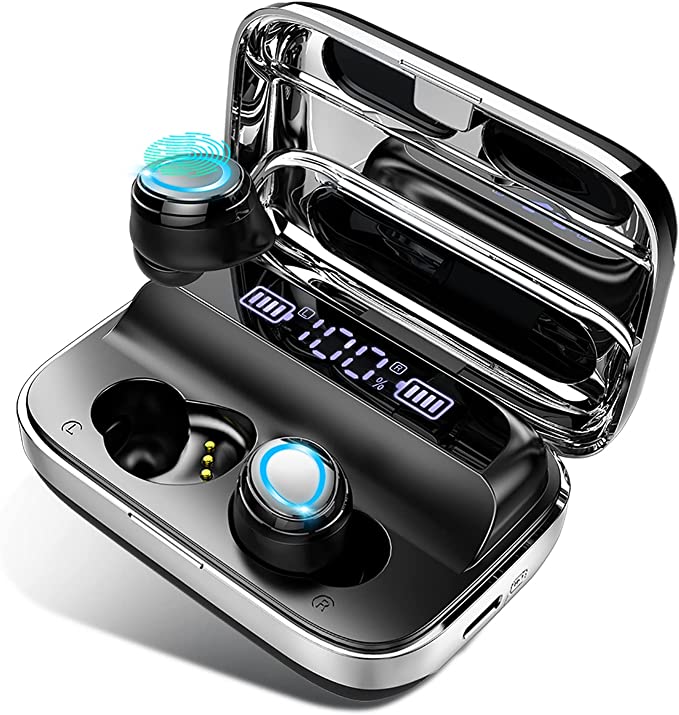
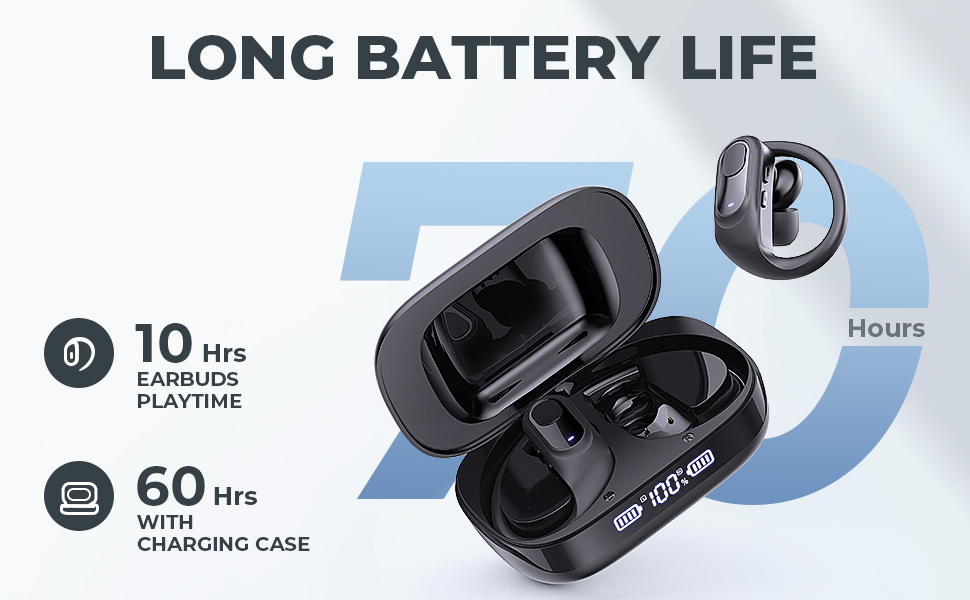
This efficiency dividend is paid out in battery life. The Drsaec I21 boasts up to 48 hours of total playtime (combining the buds’ 8-hour reserve with the charging case). For the user, this reduces the “charge anxiety” often associated with wireless peripherals. The inclusion of a USB-C fast charging interface—providing an hour of play from just a 10-minute charge—aligns with the fast-paced nature of modern life. Additionally, the ability to use the earbuds in Mono Mode (independent L/R usage) further extends utility, allowing for situational awareness in traffic or extending total runtime during long travels.
Conclusion: Engineering Value for the Active User
The market for wireless earbuds is saturated, but for the active individual, the choice should be guided by specific mechanical and technical criteria. It is not about finding the most expensive brand, but finding the right tool for the job.
By prioritizing features like secure-fit earhooks for mechanical stability, IP7 waterproofing for element resistance, and large dynamic drivers for motivational sound profiles, devices like the Drsaec I21 demonstrate that high-performance engineering is accessible. They serve as a prime example of how thoughtful design can solve the specific friction points of exercising with technology, allowing you to focus less on your gear and more on your performance.