The Reliability Revolution: Why a $20 Wired Earbud with a 5-Year Warranty is a Lesson in Value
Update on Nov. 14, 2025, 4:46 p.m.
In the fast-paced world of consumer electronics, we are conditioned to chase the new: the latest wireless protocol, the most complex features, the sleekest, most futuristic design. Yet, this relentless pursuit of innovation has created a quiet, shared anxiety—the fear of our expensive, delicate gadgets failing, getting lost, or simply becoming obsolete. It’s in this landscape that a counter-narrative is emerging, championing not the newest, but the most steadfast.
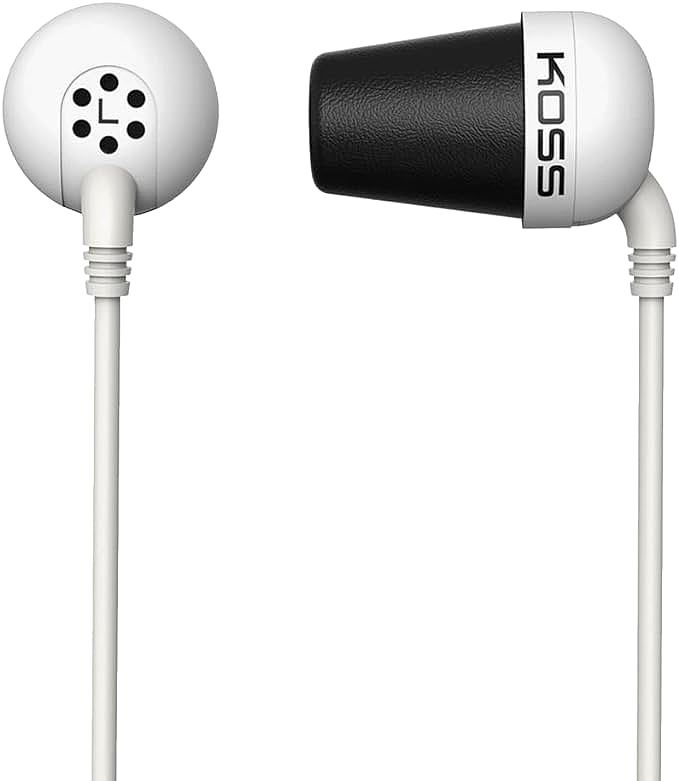
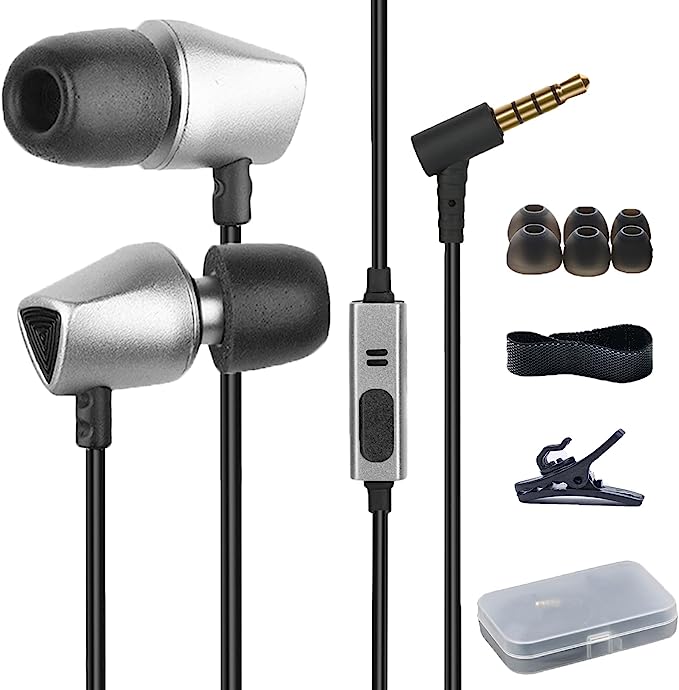
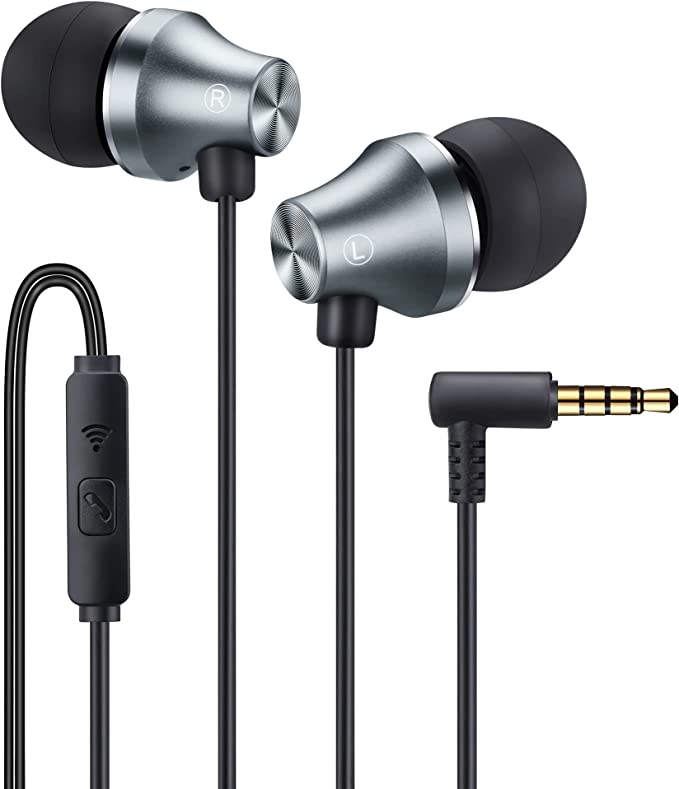
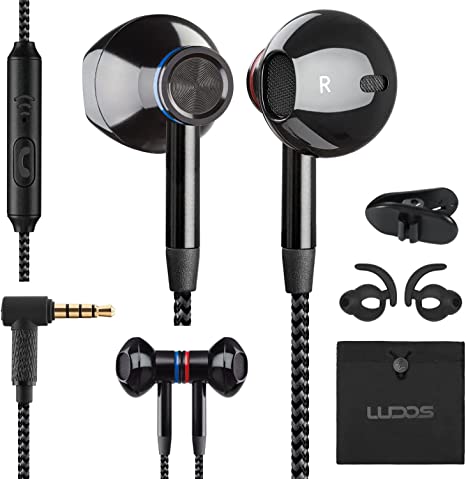
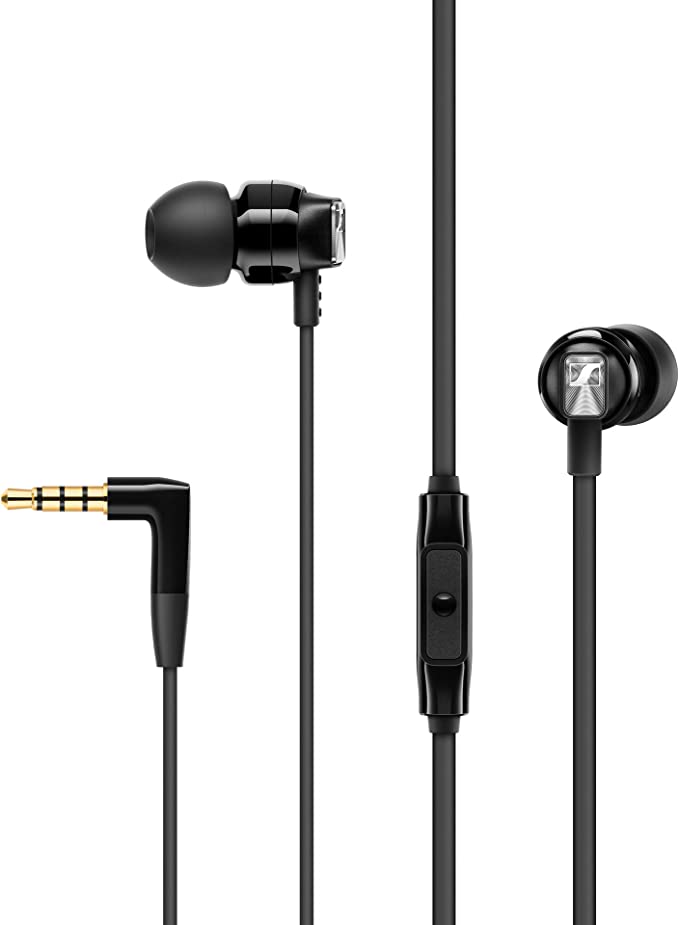
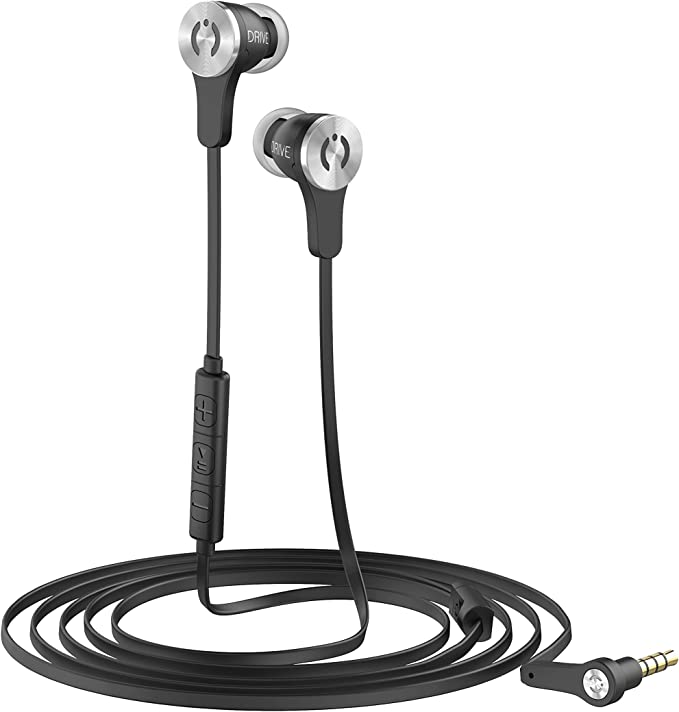
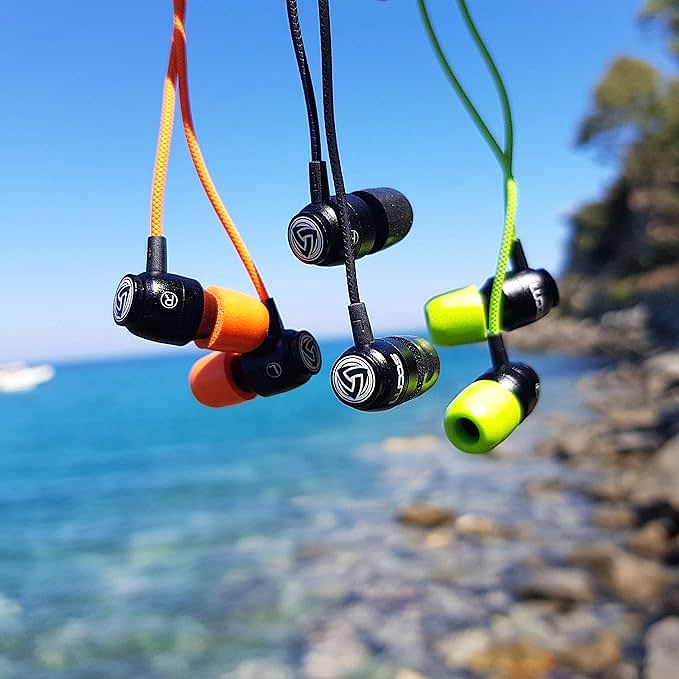
This is the story of the resurgence of reliability. It’s a story best told not through a flagship product, but through a market phenomenon like the LUDOS Clamor wired earbuds. With an astonishing 43,000+ ratings and a price tag under $20, their popularity defies the wireless trend. But the most disruptive feature isn’t the price; it’s the 5-year warranty. This single promise forces us to ask a critical question: in an era of disposability, what is the true engineering and philosophical value of building something simple, and building it to last?
The Engineering of Trust: A Warranty as a Statement of Design
A five-year warranty on a sub-$20 electronic device is almost unheard of. It is so far outside the industry norm that it can’t be dismissed as a marketing gimmick. It is a direct statement about the product’s engineering and material science. To confidently offer such a guarantee, a manufacturer must have an exceptionally low expected failure rate, which points to a deliberate focus on durability in three key areas:
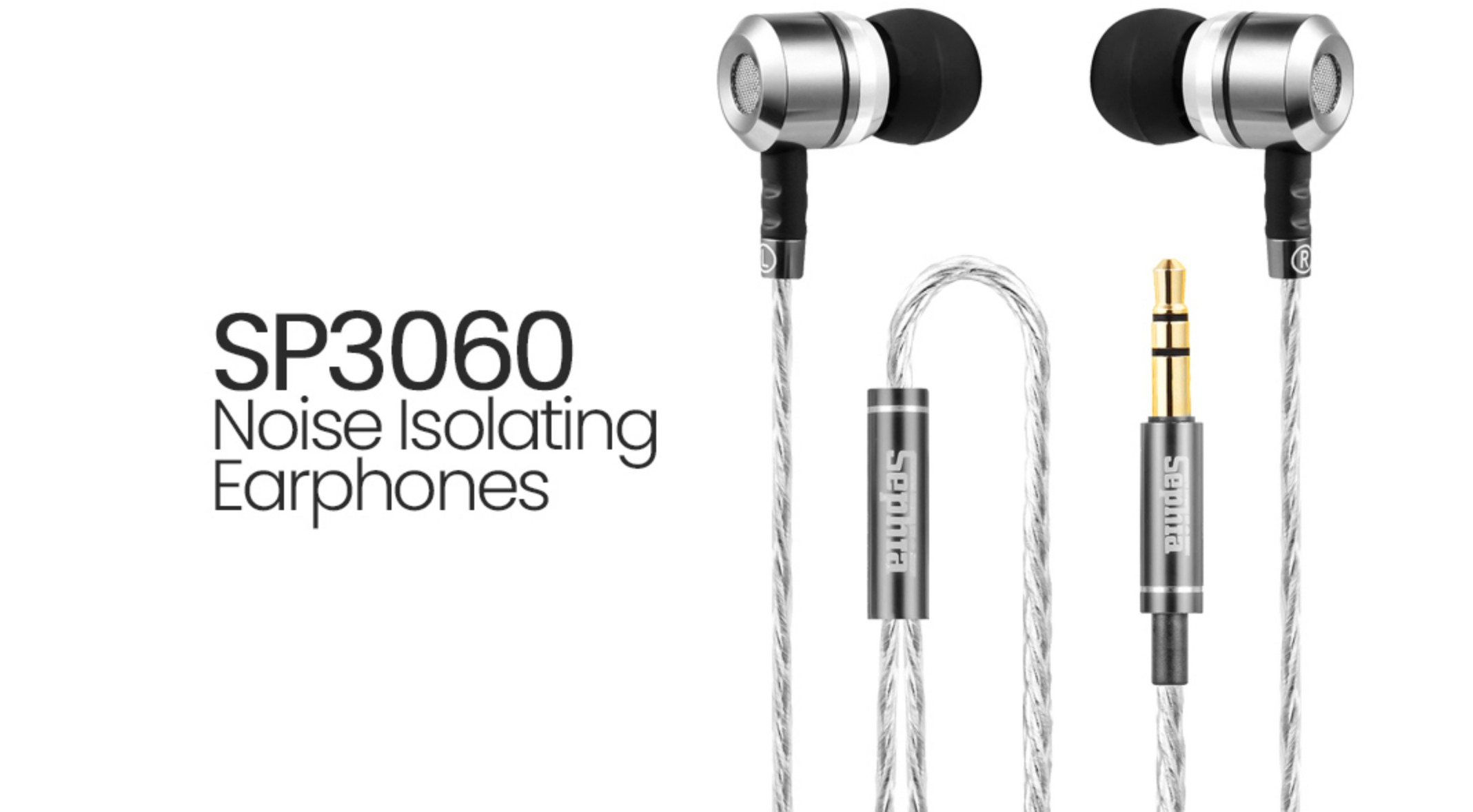
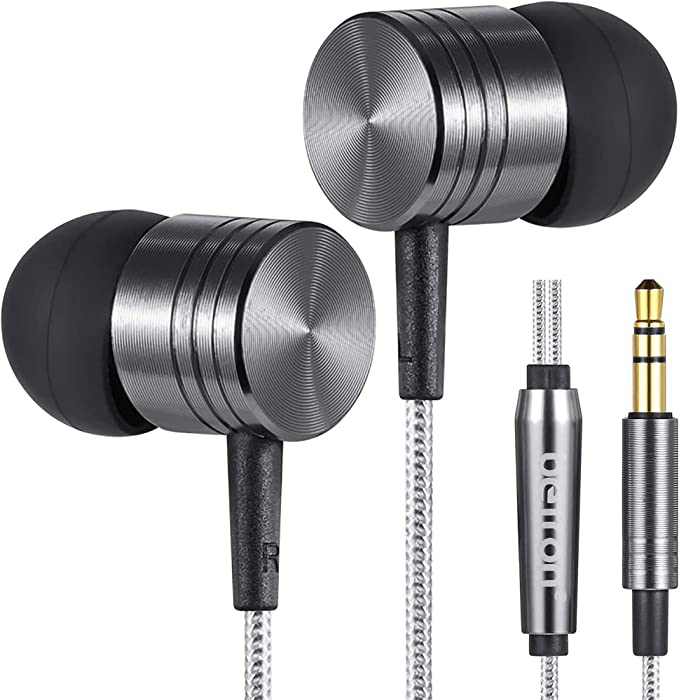
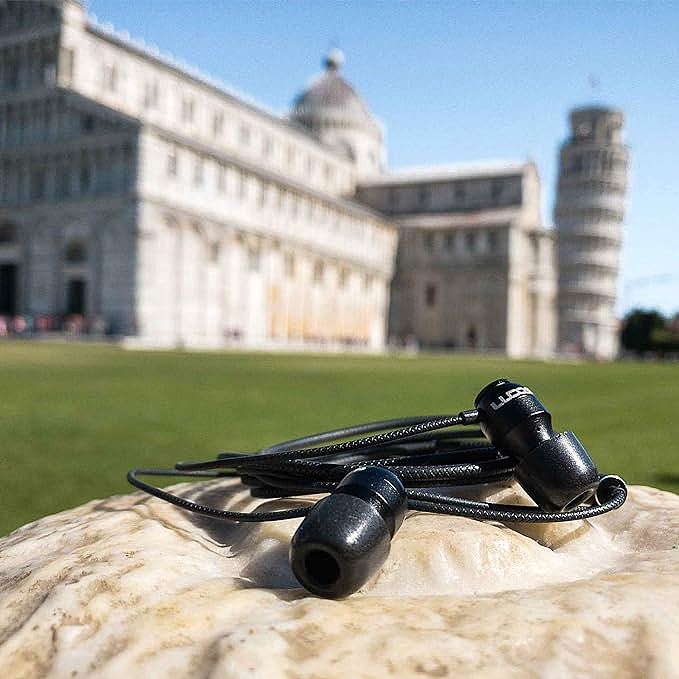
- Cable Construction: The cable is the number one point of failure for any wired earbud. Constant flexing, pulling, and tangling put immense strain on the delicate internal conductors. While not explicitly stated in the provided data, many reliable wired earbuds employ braided cables, which enhance durability by distributing stress across a woven fabric sheath, resisting kinks and tears far better than a simple rubber coating.
- Strain Relief: The points where the cable enters the earbud housing and the 3.5mm jack are critical stress points. Robust strain relief—the flexible rubber or plastic collars at these junctions—is essential to prevent internal wires from fraying due to repeated bending.
- Driver & Housing Integrity: The earbud housing itself must be robust enough to withstand drops and daily wear. The choice of materials and a solid construction are key to protecting the sensitive dynamic drivers within.
This warranty transforms the product’s value proposition. It shifts the conversation from “How much does it cost?” to “How long will it serve me?” It’s a powerful commitment to longevity in a market saturated with products that feel designed to be replaced.
The Unfailing Connection: The Scientific Case for the Wire
In a world celebrating wireless freedom, opting for a wired connection seems like a step backward, but it is a deliberate choice in favor of absolute reliability and signal purity.
Signal Integrity: A physical wire provides a direct, analog pathway from the audio source to the earbud’s drivers. This completely bypasses the digital compression and decompression (codec) process inherent to Bluetooth. While modern codecs are excellent, a wired connection offers, by definition, a “lossless” signal path. It transmits the audio waveform as a continuous electrical signal, ensuring that no data is discarded. For those who prioritize pure audio fidelity, the wire remains the undefeated champion.
Absolute Reliability: A wired earbud has no batteries to charge, no pairing protocols to fail, and no susceptibility to radio frequency interference. It “just works,” every single time. This level of dependability is invaluable for mission-critical uses, whether it’s for a student in an online class, a professional on a crucial call, or simply anyone who wants to eliminate the mental load of managing yet another device’s battery life.
The Ergonomics of Universal Appeal: Designing for Real Ears
A key factor in the LUDOS Clamor’s widespread adoption is its reputation for being comfortable, particularly for users with small ears. This highlights a critical aspect of product design: inclusive ergonomics. The human ear is incredibly diverse, and creating a “one-size-fits-all” in-ear device is a monumental challenge.
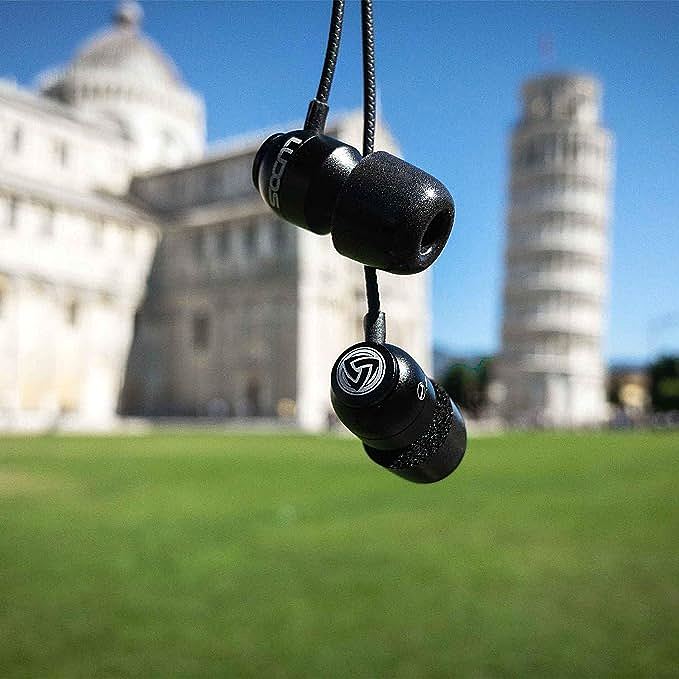
The success of a simple, ergonomic shape, validated by tens of thousands of users, points to a design that likely focuses on a smaller nozzle diameter and a lightweight, compact housing. This allows it to fit comfortably within the concha (the bowl of the outer ear) without exerting painful pressure.
This comfortable fit is also the key to its passive noise isolation. By providing a variety of eartips (often including memory foam options), the user can find the perfect size to create an effective acoustic seal. This seal does two things: * It physically blocks a significant amount of external ambient noise, creating a quieter listening environment without any electronics. * It creates a sealed acoustic chamber in the ear canal, which is essential for reproducing a rich and impactful bass response.
This focus on fundamental ergonomics over complex features is a form of “smart design” that delivers a superior comfort and listening experience to a broader range of people.
Conclusion: The Enduring Value of Simplicity
The phenomenon of the LUDOS Clamor is a powerful reminder of what many modern consumers truly crave: technology that is simple, reliable, durable, and fair-priced. It proves that value is not always measured in the length of a feature list, but in the confidence a product inspires.
By combining the unimpeachable signal purity of a wired connection, a robust and ergonomic physical design, and an unprecedented 5-year warranty, this humble earbud makes a powerful statement. It offers a solution not just for listening to music, but for the anxiety of modern gadget ownership. In a world of fleeting trends and fragile technology, the LUDOS Clamor champions an idea that is both refreshingly old-fashioned and radically forward-thinking: the enduring power of reliability.