Defying Gravity: The Biomechanics of Secure Sport Audio
Update on Dec. 19, 2025, 10:02 p.m.
For the casual listener, headphones are stationary objects. You sit at a desk, commute on a train, or relax on a couch. In these scenarios, gravity is a static force, easily managed. But for the athlete, the physics of listening changes dramatically. Running, jumping, and lifting introduce a chaotic mix of vertical oscillation, rapid acceleration, and sweat-induced lubrication.
In this dynamic environment, the primary challenge for audio engineering is not just sound quality—it is retention. Why do so many “sport” earbuds fail to stay put? The answer lies in the conflict between sleek industrial design and the brutal realities of biomechanics. To understand why a device like the Back Bay Audio Runner 60 adopts its distinctive shape, we must first understand the forces at play during human movement.

The Physics of “The Pop-Out”
Every runner knows the frustration: you are mile into a rhythm, sweat starts to flow, and suddenly your earbud seal breaks. The bass vanishes, replaced by tinny treble, followed seconds later by the device falling to the pavement. This failure is usually due to a reliance on friction as the primary retention mechanism.
The Friction Fallacy
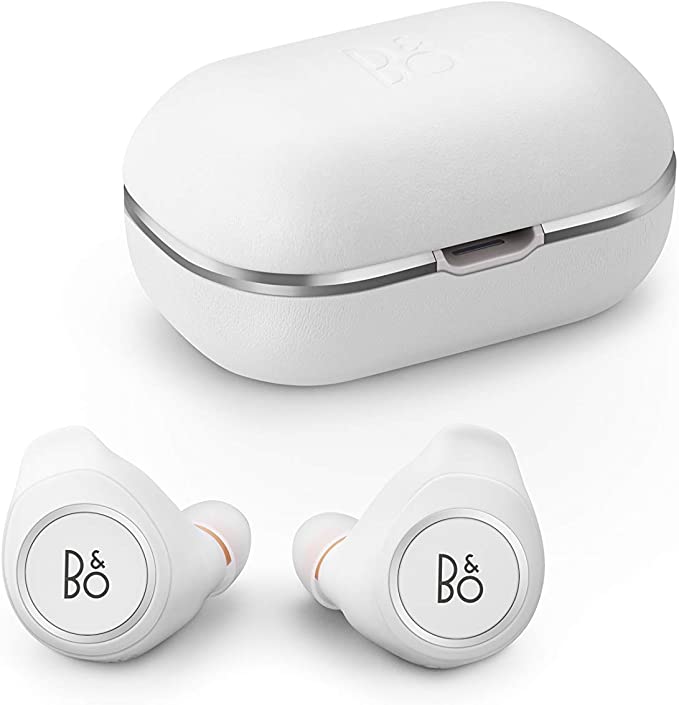
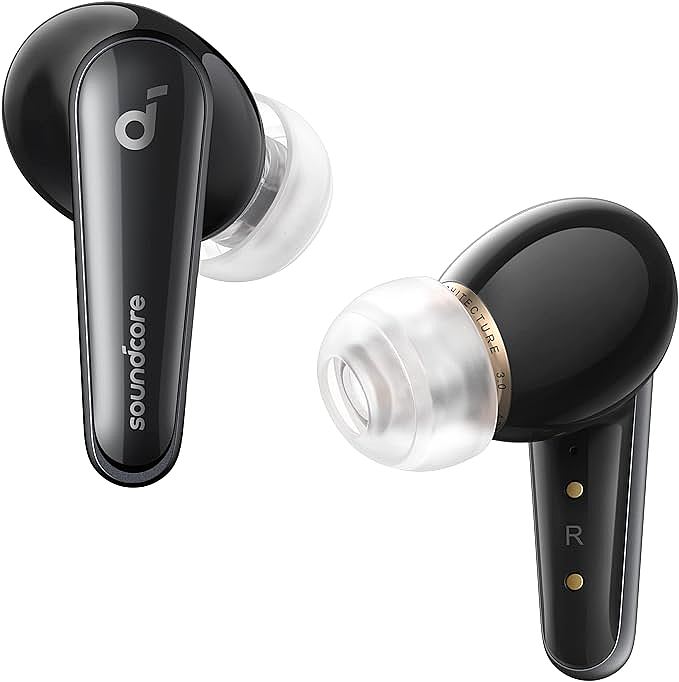
Most True Wireless Stereo (TWS) earbuds rely on the friction between a silicone tip and the ear canal to fight gravity. Under static conditions, this works. However, running generates G-force. With every footstrike, the body decelerates rapidly, but the loose object in the ear (the earbud) wants to keep moving.
Add sweat to this equation, and the coefficient of friction drops precipitously. The ear canal becomes a slippery slope. A standard friction-fit earbud is fighting a losing battle against physics. It is not a matter of if it will fall out, but when.
The Mechanical Solution: Anchoring vs. Wedging
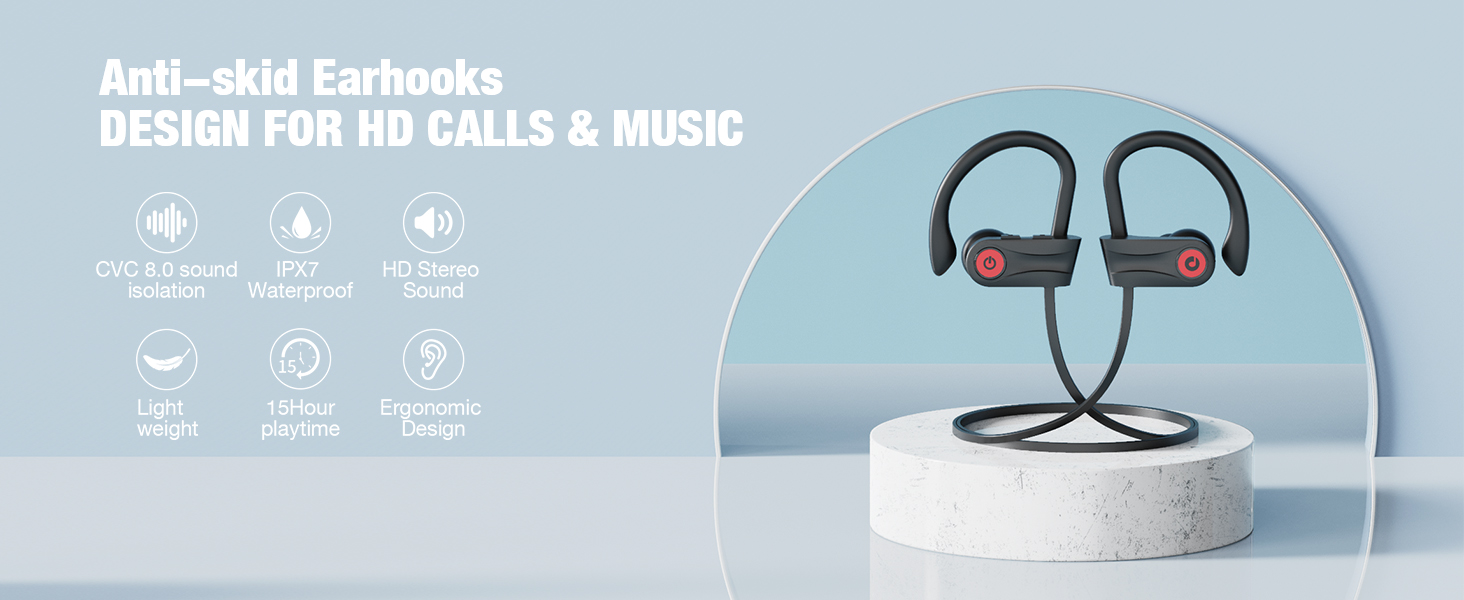
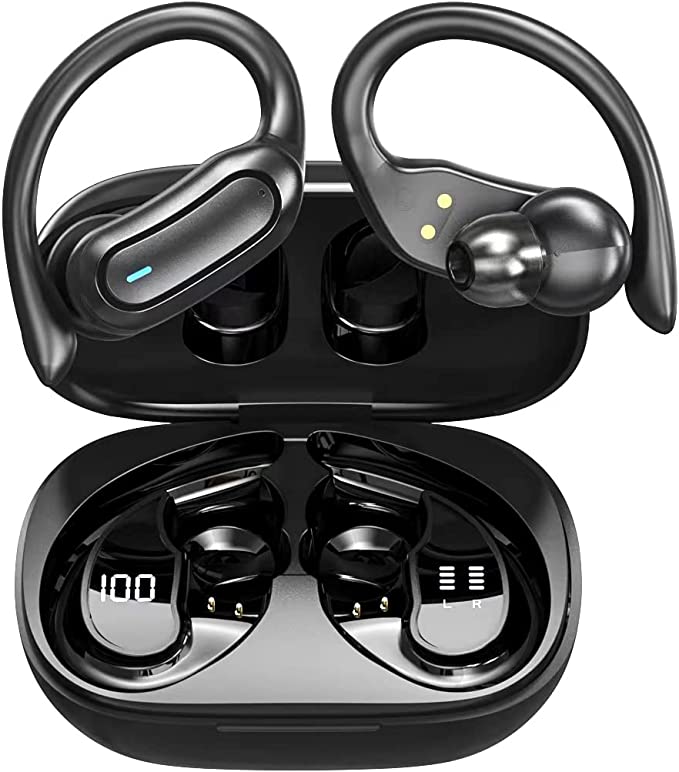
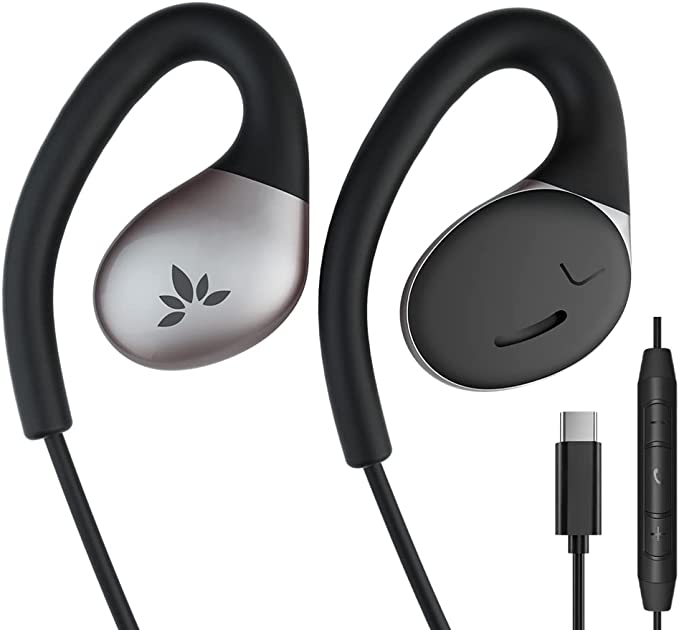
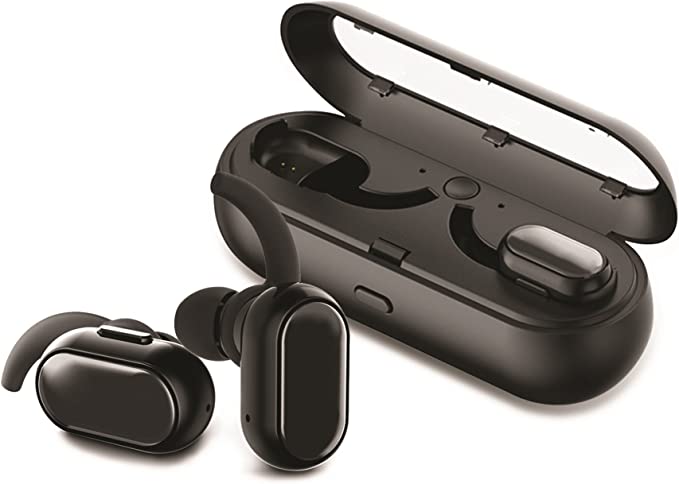
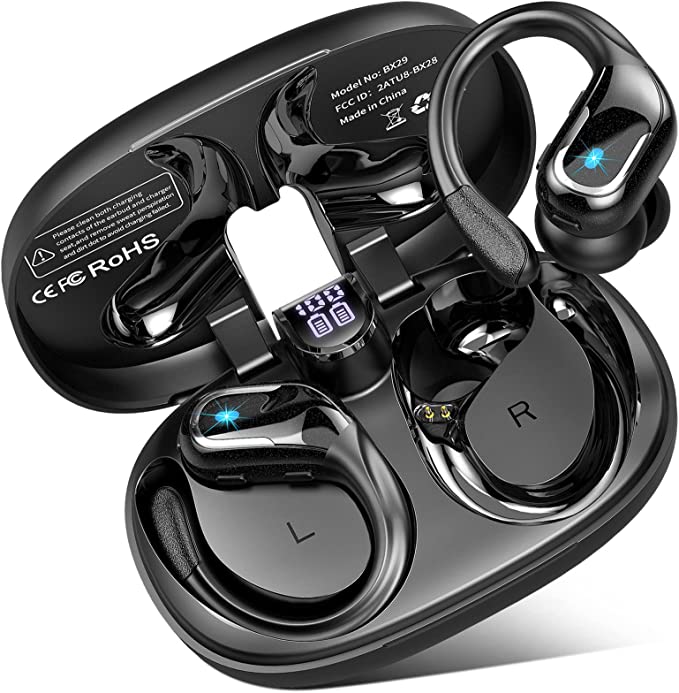
To solve this, engineers must look beyond friction and towards mechanical interlocking. This is where the earhook design, seen prominently on the Runner 60, proves its superiority for high-impact activities.
Leveraging Anatomy
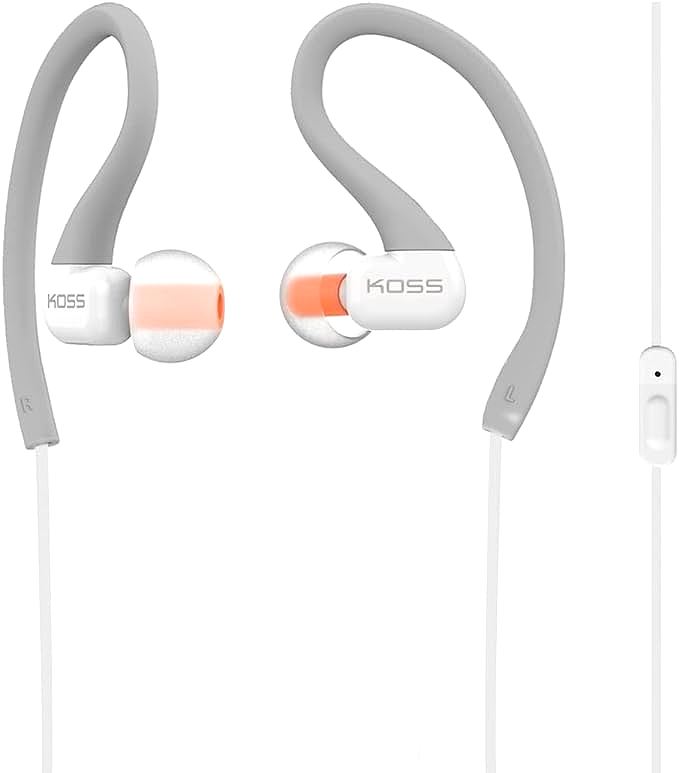
The human ear features a structure called the helix and the auricle—the external cartilage framework. An earhook design utilizes this anatomy as a load-bearing anchor. instead of relying on the sensitive ear canal to hold the weight, the hook transfers the load to the top of the ear, much like a pair of glasses.
This design creates a mechanical lock. No matter how much vertical oscillation occurs during a sprint, or how much sweat reduces friction, the hook physically prevents the device from moving downward. It decouples the “retention” function from the “sealing” function. The ear tip can focus solely on sealing sound in, while the hook focuses on keeping the device attached to the head. This separation of duties is the hallmark of professional-grade sport audio.

The Element of Water: Engineering for Fluid Dynamics
Stability is only half the battle. The other enemy of sport electronics is moisture. Not just rain, but the corrosive, saline-rich fluid that the human body excretes: sweat.
Beyond “Splash Proof”
Many consumer electronics claim IPX4 ratings, which protect against light splashes. However, for a serious athlete, this is often insufficient. Sweat can pool in the crevices of an earbud, creating sustained hydrostatic pressure. Furthermore, outdoor runners face unpredictable weather.
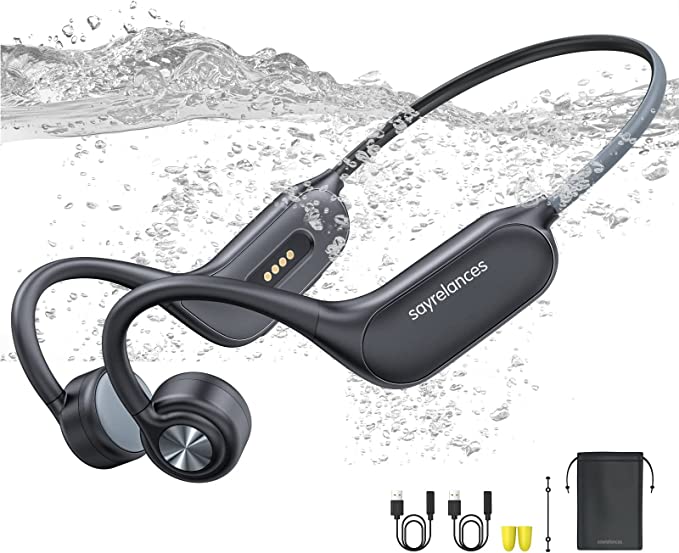
The IPX7 rating found on devices like the Runner 60 represents a significant leap in protection. It certifies that the device can withstand full immersion in water (up to 1 meter). While runners rarely swim with these devices, this rating provides a critical safety margin. It means that heavy rain, torrential sweat, or dropping the buds in a puddle won’t cause catastrophic circuit failure. Achieving this requires tight tolerances, hydrophobic meshes on microphone ports, and sealed internal compartments—a level of ruggedization that separates “lifestyle” products from true performance gear.

The Human Factor: Comfort Over Time
Finally, biomechanics isn’t just about forces; it’s about sensation. The ear is densely packed with nerve endings. A retention system that is too rigid can cause “hot spots” or cartilage pain after 30 minutes.
The material science of the earhook is critical. It must be rigid enough to hold the weight but flexible enough to conform to different ear shapes without pinching. This balance is often achieved through the use of soft-touch silicone over a memory-wire core. When executed correctly, the device should disappear from the athlete’s proprioception. The goal of sport audio is invisibility—not visual invisibility, but sensory invisibility. You should feel the music, not the plastic.
Conclusion: Purpose-Built for Propulsion
In the broader market of personal audio, trends often favor minimalism—tiny, invisible dots that sit in the ear. But for the specific domain of athletics, minimalism can be a liability. The resurgence of the earhook design acknowledges a fundamental truth: human movement is violent, messy, and demanding.
By respecting the laws of physics and the anatomy of the ear, devices like the Back Bay Audio Runner 60 offer a solution that prioritizes function over form. They remind us that when you are pushing your body to the limit, your gear should be the anchor that holds you steady, not the distraction that slows you down.