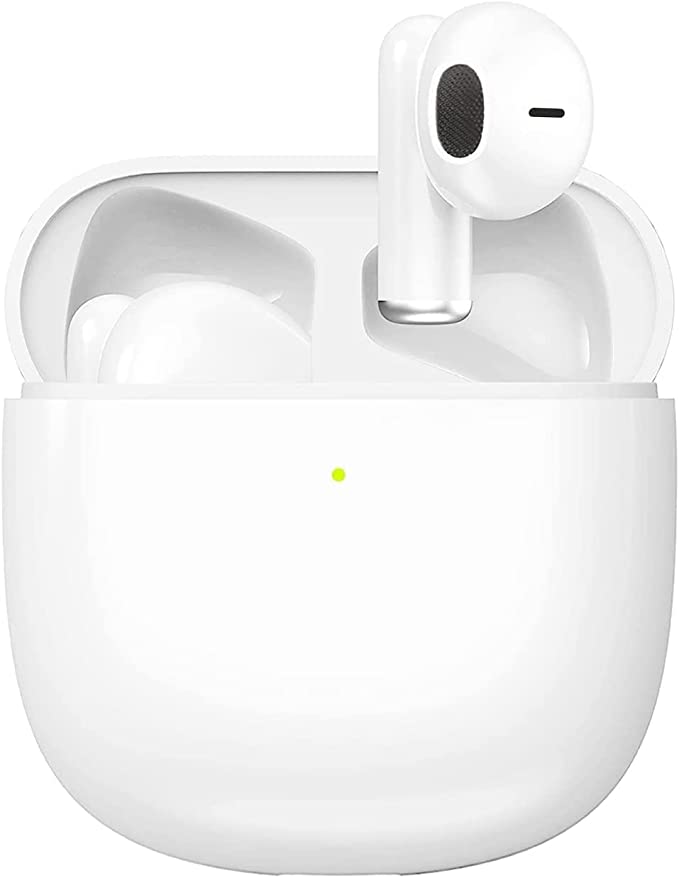
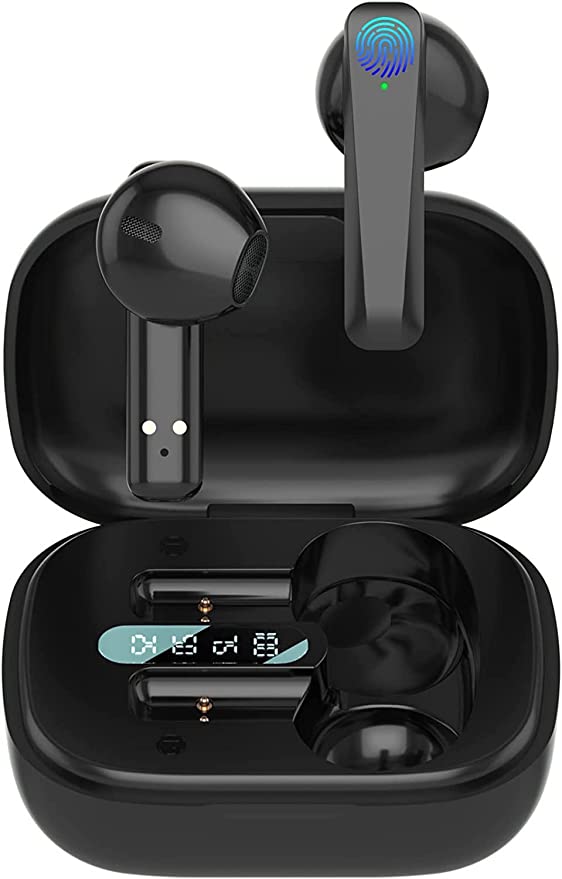
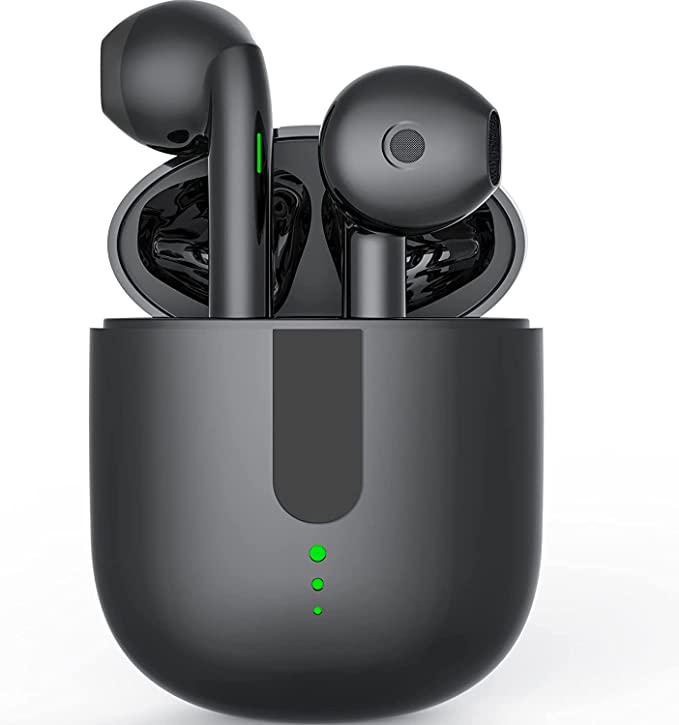
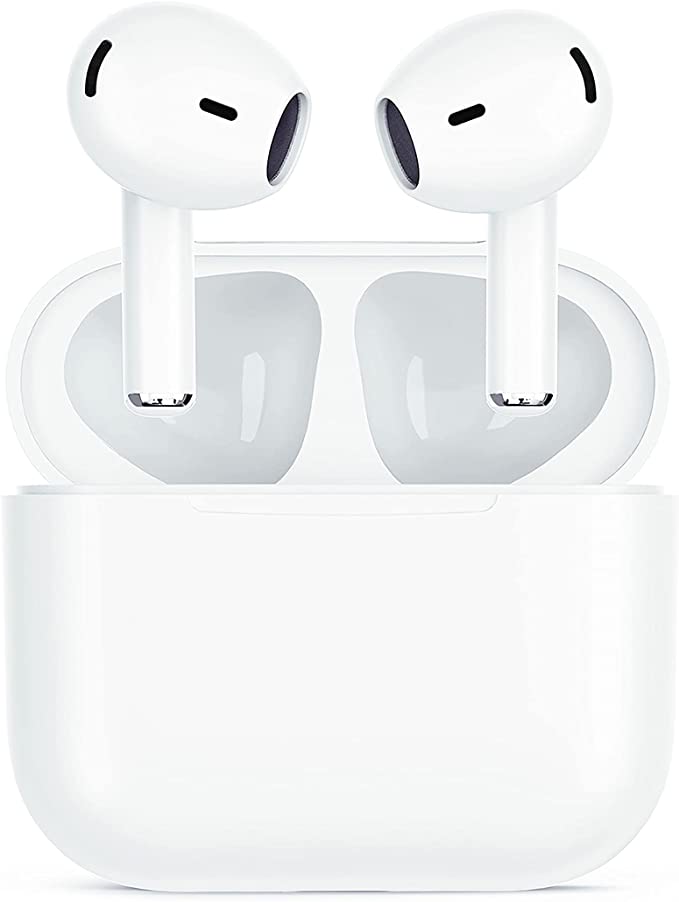
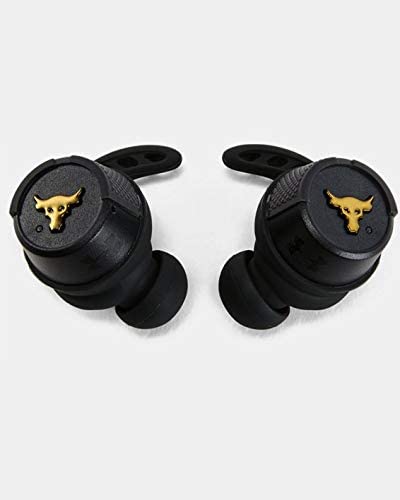
Decoding the $20 Best-Seller: How the iLuv myBuds Nails the "Anti-Anxiety" Essentials
Update on Nov. 14, 2025, 12:23 p.m.
In the audio market, $20 is an “impulse buy.” But for a $20 product to amass 75,358 ratings and maintain a 4.3-star average, it must be doing something profoundly right.
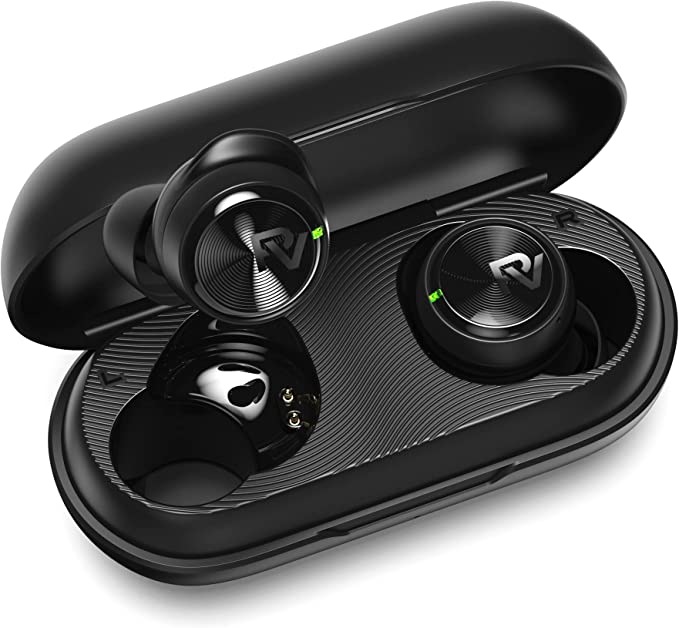
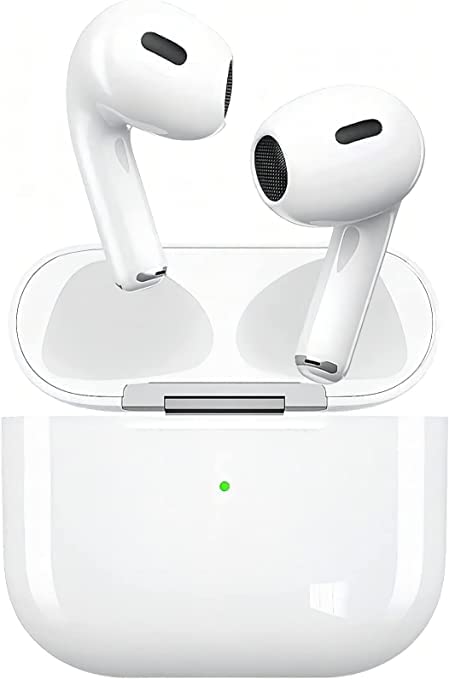
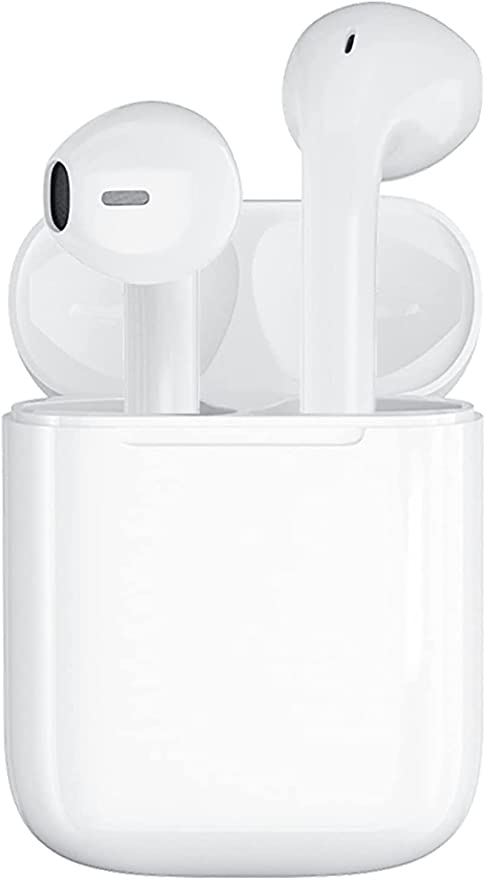
The iLuv myBuds TB100 is not an “audiophile” earbud. It is not a “pro” tool. It is a case study in perfectly executing the “anti-anxiety” essentials for the first-time TWS (True Wireless) buyer.
As one 5-star reviewer (“Kriss”) explained, her new phone was “lacking a headphone jack.” She wanted to “test out the waters” of TWS but had “concerns about losing them, not remembering to keep them charged, or finding them cumbersome.”
The TB100 is engineered to solve exactly these three problems. It is a “worry-free” entry point into the wireless world.

## 1. The “Anti-Frustration” Handshake: Bluetooth 5.3
For a first-time TWS user, the pairing experience is the first moment of truth. Older, cheaper chips were notoriously difficult, creating a frustrating “will it or won’t it connect?” gamble.
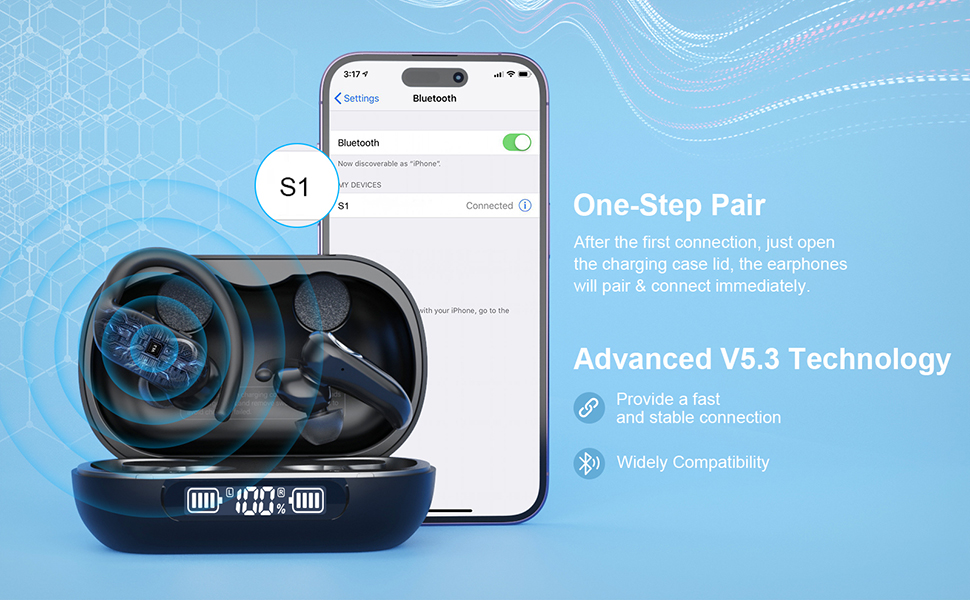
The TB100’s use of a modern Bluetooth 5.3 chip is its first, and most important, engineering choice.
* What it is: A recent, highly stable, and power-efficient wireless protocol.
* The “First Principle” (Why it Matters): This is not “old” tech in a new box. BT 5.3 provides “improved connection stability” and “simple and instant pairing.” It’s the “auto reconnection” that “just works.”
* The Proof: As “Kriss” noted, “Pairing with my devices was no trouble at all.” Another reviewer (“Rosemary”) was even more blunt: “the Bluetooth connected to my OnePlus phone without any problems.”
By investing in a modern chip, iLuv solved the #1 frustration of cheap earbuds: the connection itself.
## 2. The “Anti-Worry” Shield: IPX6 Waterproofing
The second fear of a TWS user is durability. If you’re going to use $20 buds for a sweaty workout or a run in the rain, will they die?
The TB100’s spec sheet promises IPX6 protection. This is a critical detail.
* IPX4 (The “Standard”): Most budget earbuds offer IPX4, which is “splash-proof.”
* IPX6 (The “Upgrade”): IPX6 is “water-resistant” against “powerful jets.” This is a much higher standard.
The First Principle (Why it Matters): This is the “worry-free” promise. This is a level of sealing that can “endure… sweat, heavy rain or spilled liquid.” For a user who wants one pair of earbuds for the gym, the commute, and work, this high-level waterproofing is a non-negotiable engineering feature that guarantees longevity.

## 3. The “Anti-Noise” Seal: Passive Isolation
A surprising number of 5-star reviews praise the “noise cancelling.” As one user (“Rosemary”) put it: “The noise cancelling is amazing. Better than wearing earplugs.”
This $20 earbud does not have Active Noise Cancellation (ANC). It has Passive Noise Isolation (PNI), and it does it exceptionally well.
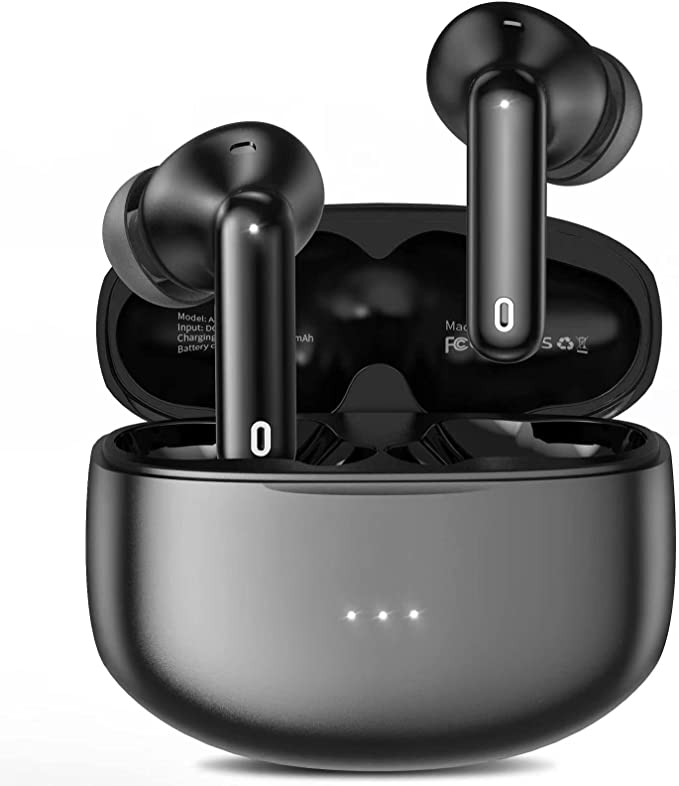
- The Engineering: PNI is the physical seal the earbud creates. The TB100 is an in-ear (not on-ear) design. It ships with 4 sizes of ear tips (Large, Medium, Small, X-Small).
- The First Principle (Why it Matters): By providing an “X-Small” tip, iLuv caters to users with smaller ear canals who cannot get a seal with standard buds. When you achieve this “perfect seal,” you are physically blocking noise.
- The “Audio” Benefit: This seal is also the secret to its “rich high-fidelity sound.” Bass is just a pressure wave. If the seal is broken, all the bass leaks out. A perfect seal (like “wearing earplugs”) traps all the bass, resulting in a “well balanced… rich” sound that seems impossible for $20.

## The Honest $20 Trade-Offs (The “Cons”)
To deliver BT 5.3 and IPX6 for $20, compromises must be made. The 75,000+ reviews are perfectly clear on what they are.
1. The “Tricky” Touch Controls:
The TB100 uses a “buttonless surface,” or touch controls.
* The Problem: As “Kriss” reports, “the touch controls can be a little tricky… if you don’t tap the earbuds quite right, you can start/stop the audio instead of skipping.” “Rosemary” agrees: “The touch is a bit sensitive.”
* The Analysis: This is the physical trade-off. A physical button is more expensive to seal and implement. A “touchy” sensor is the price of the $20 IPX6 design.
2. The “Proprietary” Eartips:
This is the hidden “gotcha.”
* The Problem: As “Kriss” discovered, “Only the ear tips that come from iLuv allow you to actually fit the earbuds in the case… all of them [3rd party tips] were too thick.”
* The Analysis: To make the case “compact,” the engineers designed it only for their “flat and thin” eartips. If you lose them, you must get replacements from iLuv, not a generic brand.
3. The “Average” Battery:
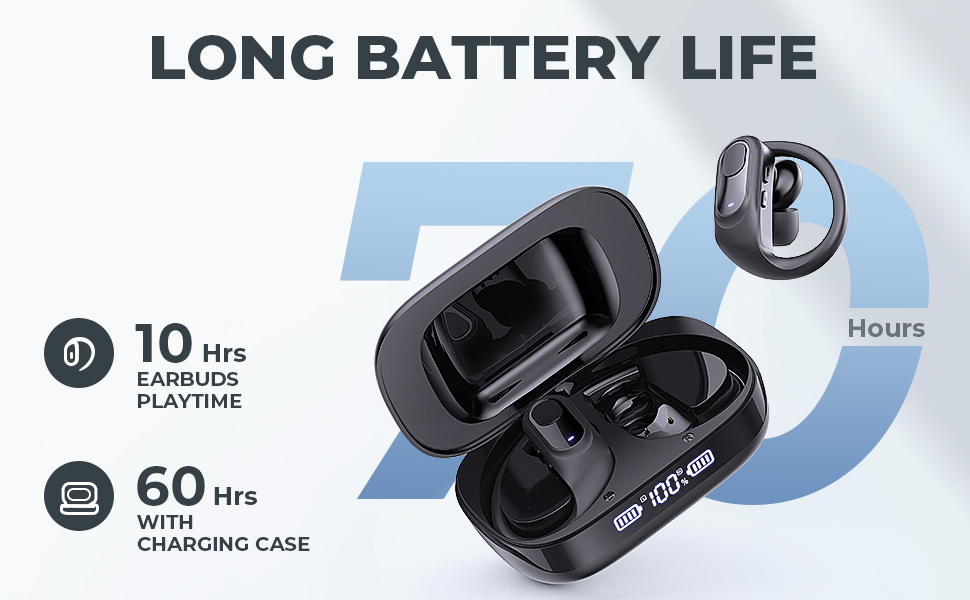
The 8-hour + 14-hour = 20-hour total system is not a strong spec. Competitors (like the Renimer Q13) offer 35-40 hours. This was a clear engineering compromise to keep the case “compact.”

## Coda: The Perfect “First” TWS Earbud
The iLuv myBuds TB100 is not a “pro” earbud. It is, perhaps, the perfect “first” TWS earbud.
It brilliantly solves the core anxieties of a new wireless user. It’s affordable (so you’re not afraid to lose it), it’s durable (IPX6, so you’re not afraid to sweat on it), and it’s reliable (BT 5.3, so it just works).
It is a masterclass in “good enough” engineering. It compromises on secondary features (battery capacity, touch controls) to over-deliver on the essential features (connectivity, waterproofing, passive isolation) that define a “worry-free” experience.