The Athlete's Audio Triathlon: Decoding the 3 Pillars of a True Sport Earbud
Update on Nov. 14, 2025, 8:28 p.m.
For any serious athlete or fitness enthusiast, gear is not an accessory; it’s a critical component of performance. You demand reliability from your shoes, your apparel, and your nutrition. Why should your audio gear be any different? Too often, standard wireless earbuds—designed for a quiet office or a gentle commute—fail spectacularly under the duress of a workout. They fall out, succumb to sweat, or die mid-session, betraying you when you need them most.
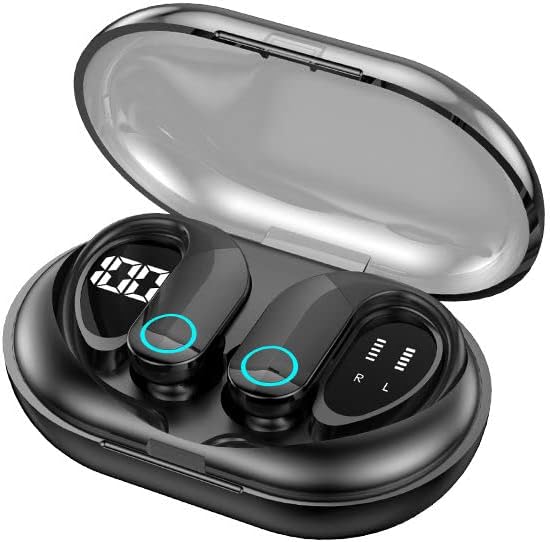
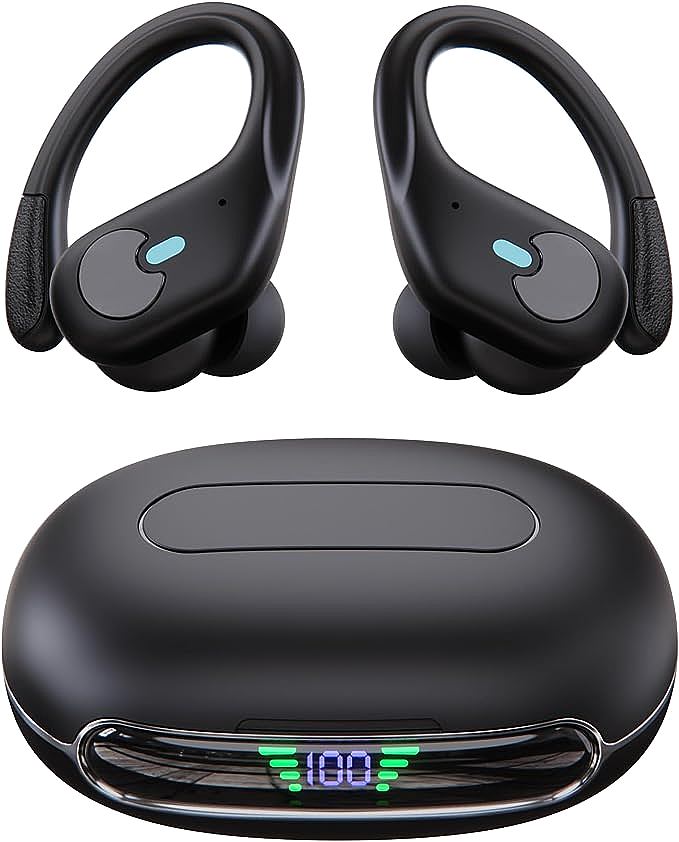
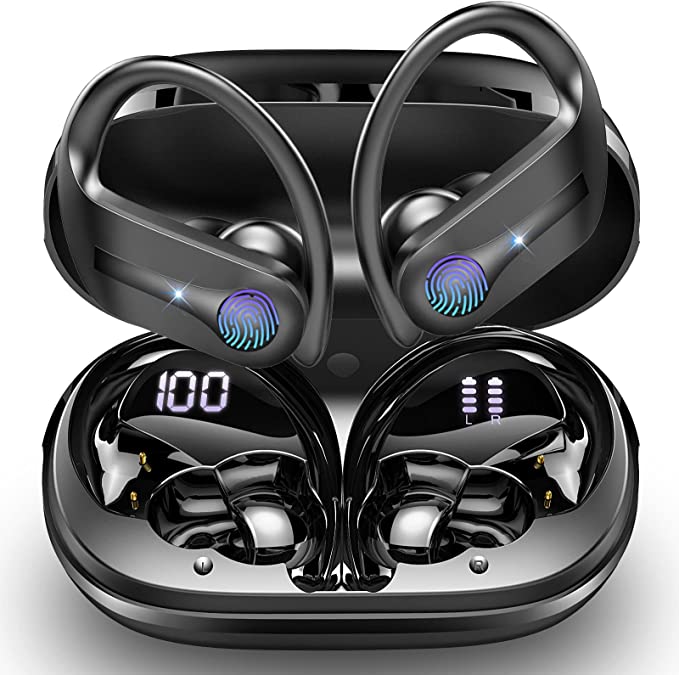
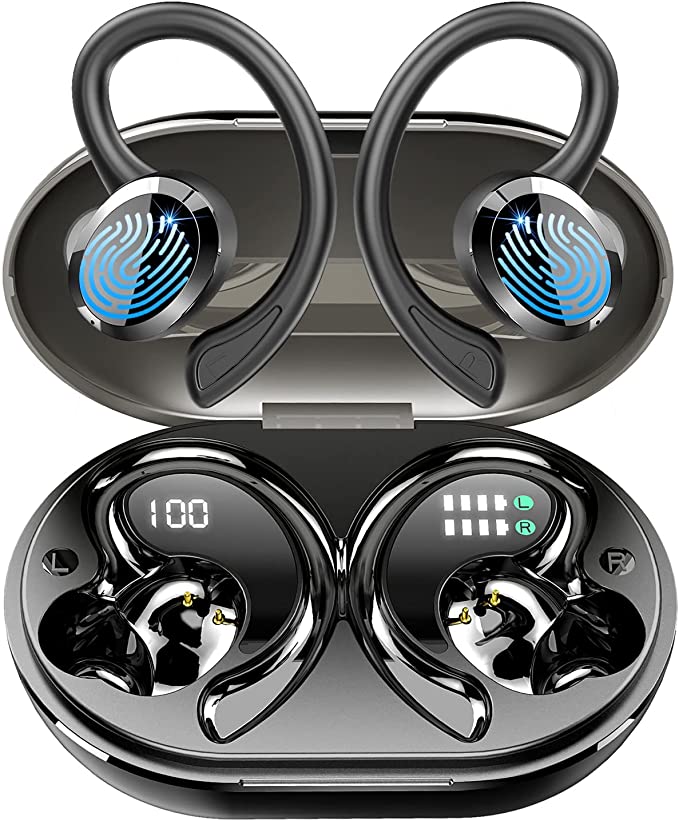
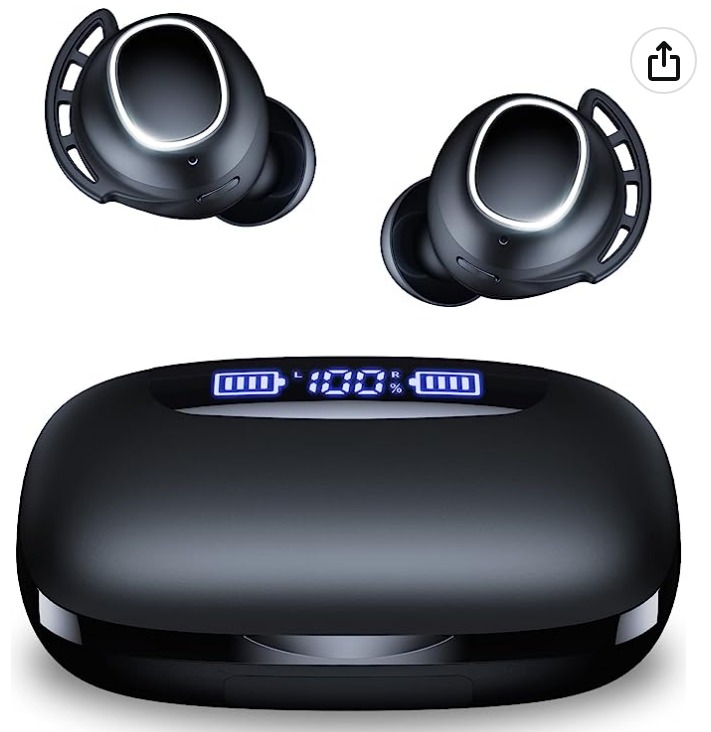
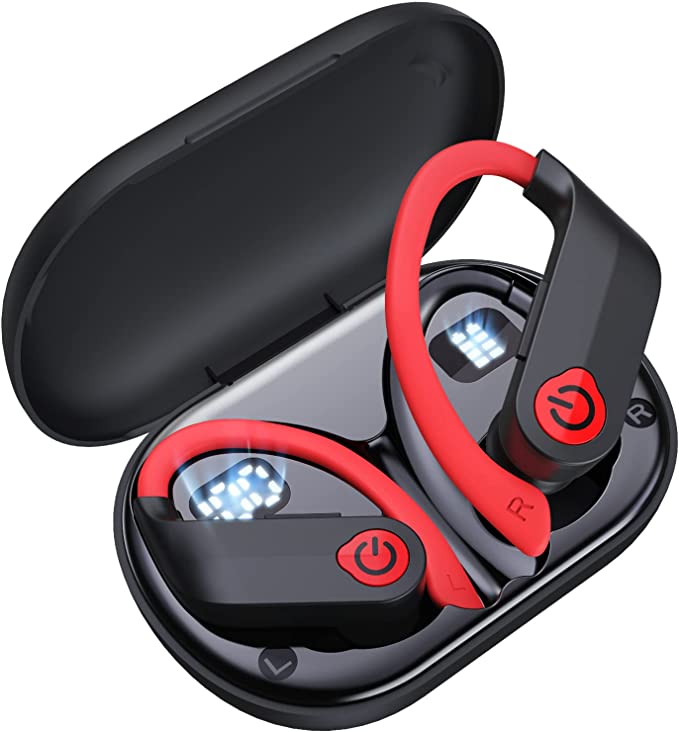
A true sport earbud is a different breed of technology. It’s not just about sound; it’s about survival. To earn a place in your gym bag, it must conquer a grueling engineering triathlon—a three-stage trial of stability, durability, and endurance. By understanding these three pillars, you can learn to identify a reliable training partner from a future piece of e-waste. Let’s decode this triathlon, using a purpose-built device like the VNMN 63-1 Wireless Sport Earbuds as our guide.
Stage 1: The Physics of Stability – Defying Gravity and Motion
The first and most immediate test is the battle against physics. An earbud that falls out mid-sprint is a failed piece of equipment. Standard in-ear buds, relying solely on friction, are often no match for the high-impact forces of running or the dynamic movements of a HIIT session.
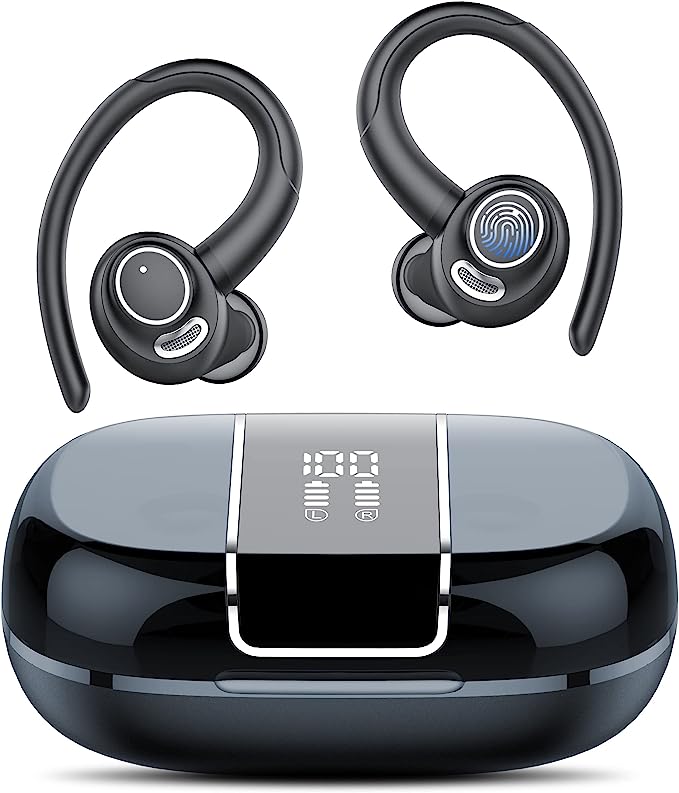
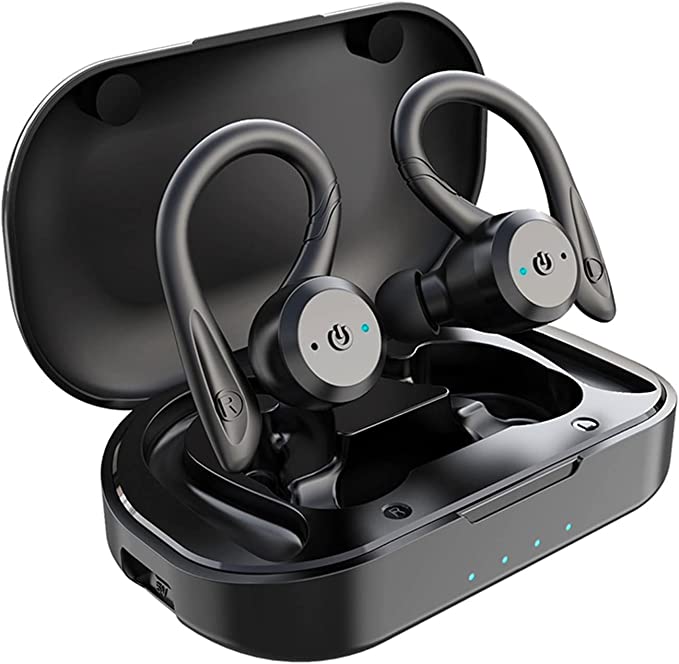
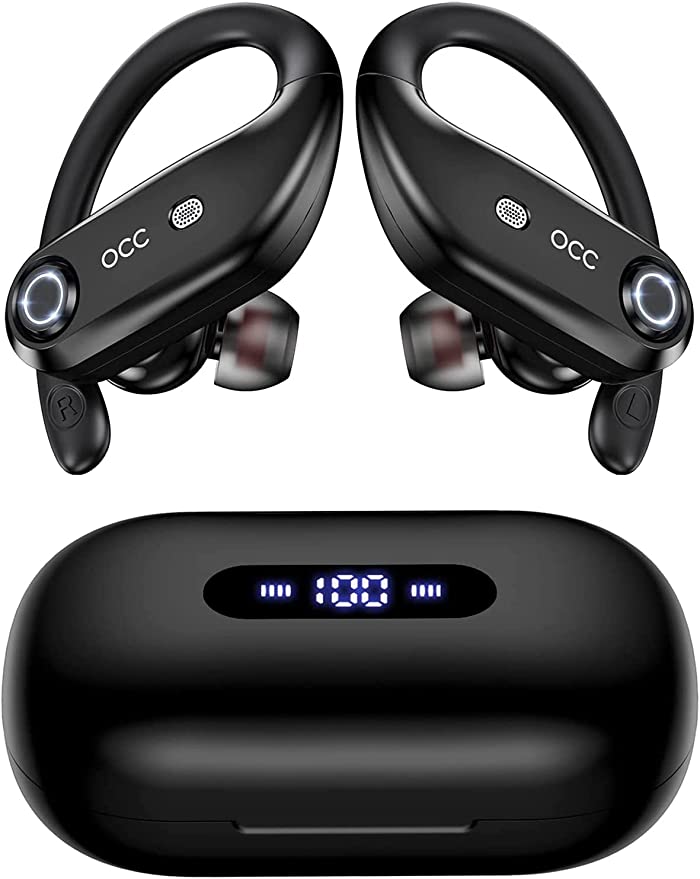
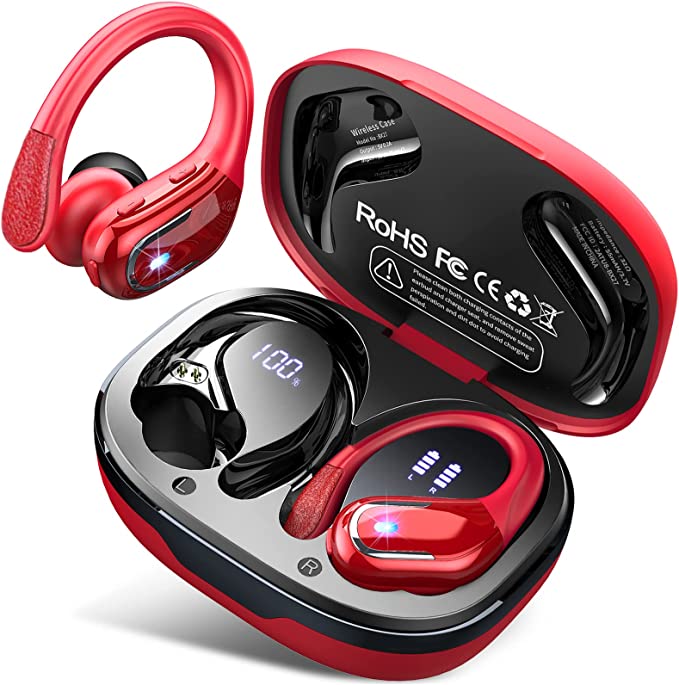
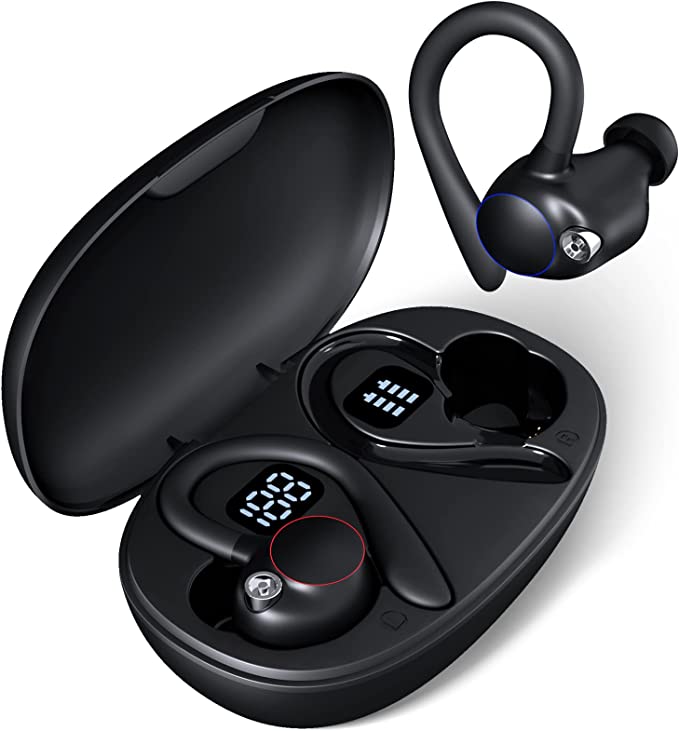
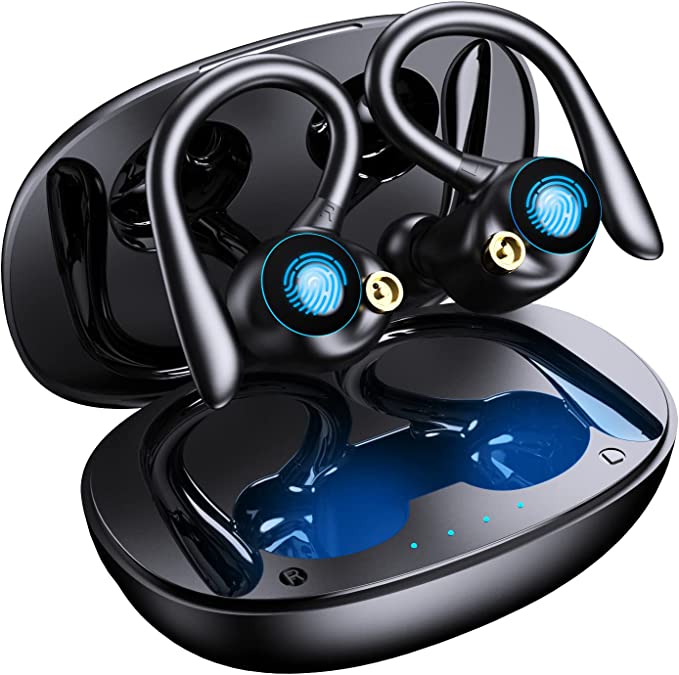
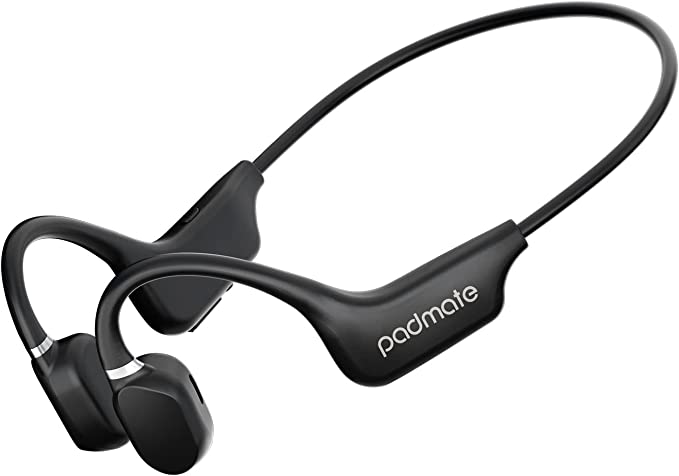
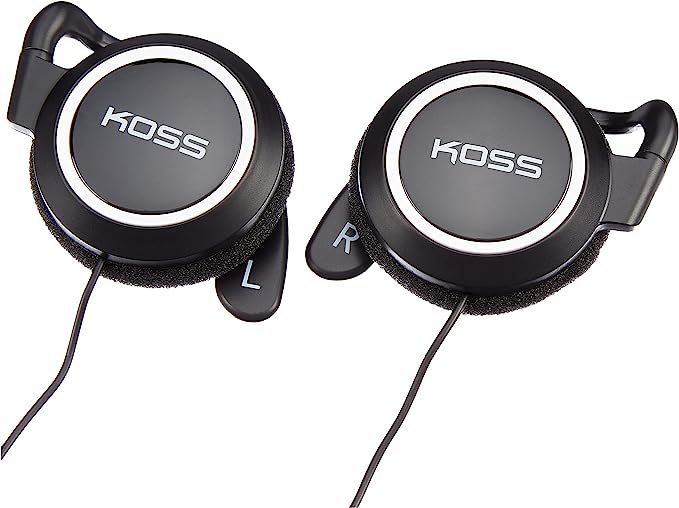
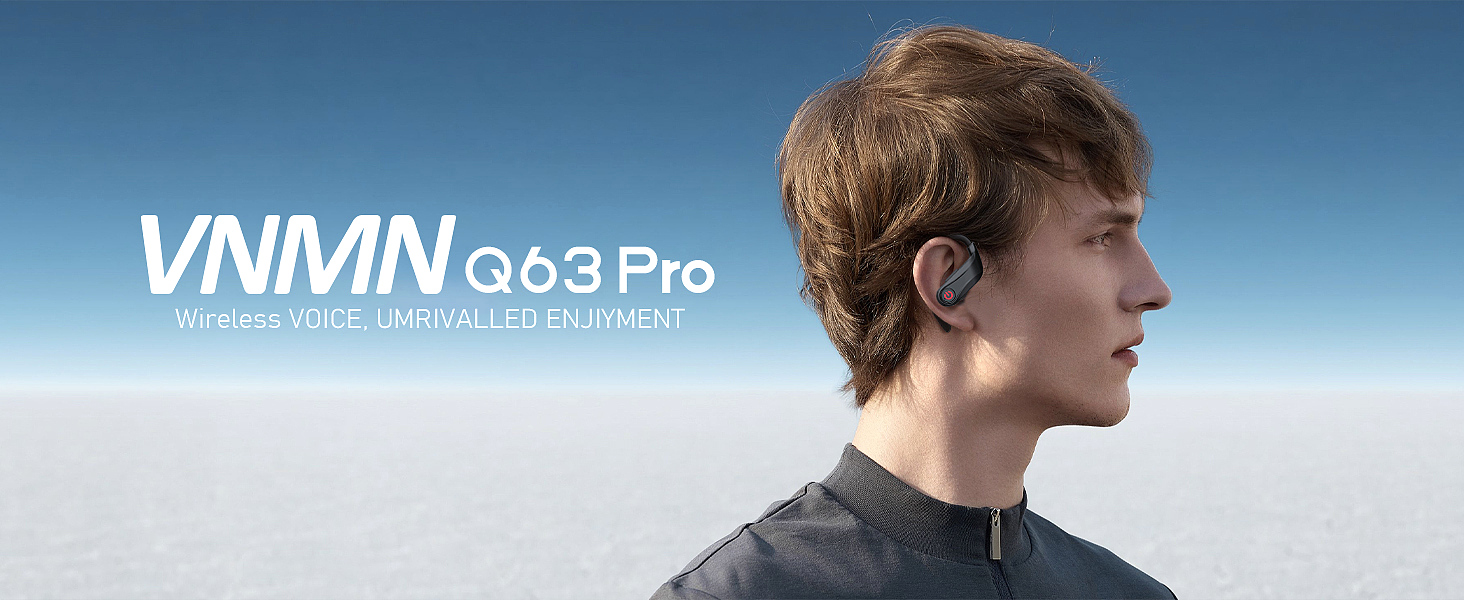
A true sport earbud solves this with purposeful ergonomic design. The most effective solution is the secure ear hook. This is not an aesthetic flourish; it’s an application of basic physics. By looping over the auricle (the external part of your ear), the soft, flexible hook creates a secure anchor point. It leverages the structure of your ear to counteract the forces of gravity and motion, ensuring the earbud remains locked in place. When users praise their earbuds because they “stay on the ear” and “won’t fall off even during intense workout,” they are validating the success of this fundamental engineering principle. It’s the essential foundation upon which all other features are built.
Stage 2: The Chemistry of Durability – A Treaty with Water
The second stage is a battle against chemistry. Sweat is the athlete’s constant companion, but its saline and acidic properties are relentlessly corrosive to electronics. A true sport earbud must be built to withstand this assault.
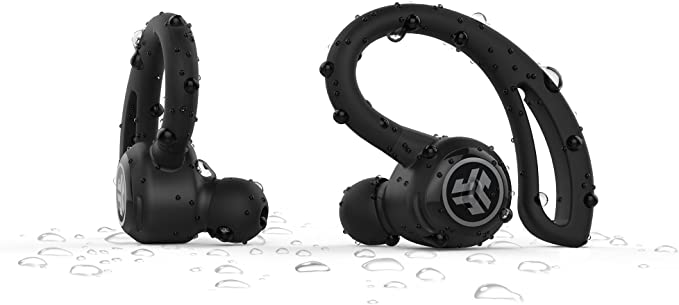
The standardized pact that guarantees this resilience is the IP (Ingress Protection) Rating. For sports, an IPX7 rating is a powerful benchmark. Let’s break it down: * IP: Ingress Protection. * X: Not rated for dust (common for sealed audio devices). * 7: Certified to survive full submersion in up to 1 meter of water for 30 minutes.
This isn’t merely “sweat-resistant.” It’s a scientifically verified guarantee that the device’s internal components are protected by a system of watertight seals and hydrophobic coatings. It is a treaty signed between the device and the elements, assuring you that your investment won’t be destroyed by your commitment to training. For an athlete, this means the freedom to push through a grueling session or a sudden downpour without a second thought for your gear.

Stage 3: The Engineering of Endurance – Conquering Battery Anxiety
The final and most grueling stage is a marathon of endurance. A device that dies halfway through your long run has failed the test. Conquering battery anxiety is a story of a quiet revolution in two parts: energy storage and energy efficiency.
1. The Energy Reservoir (Storage): The 2019 Nobel Prize in Chemistry was awarded for the development of the lithium-ion battery, a technology that revolutionized portable power. Its incredible energy density is what makes today’s compact, long-lasting devices possible. In sport earbuds, this is manifested in a “base camp” design philosophy. The earbuds themselves, like the VNMN 63-1, might hold an impressive 18 hours of charge, but the charging case acts as a support vehicle, carrying multiple refuels for a staggering total playtime of up to 120 hours. User reviews celebrating that they “only have to charge the case every other week” are a testament to this design’s success. It transforms charging from a daily anxiety into a rare inconvenience.
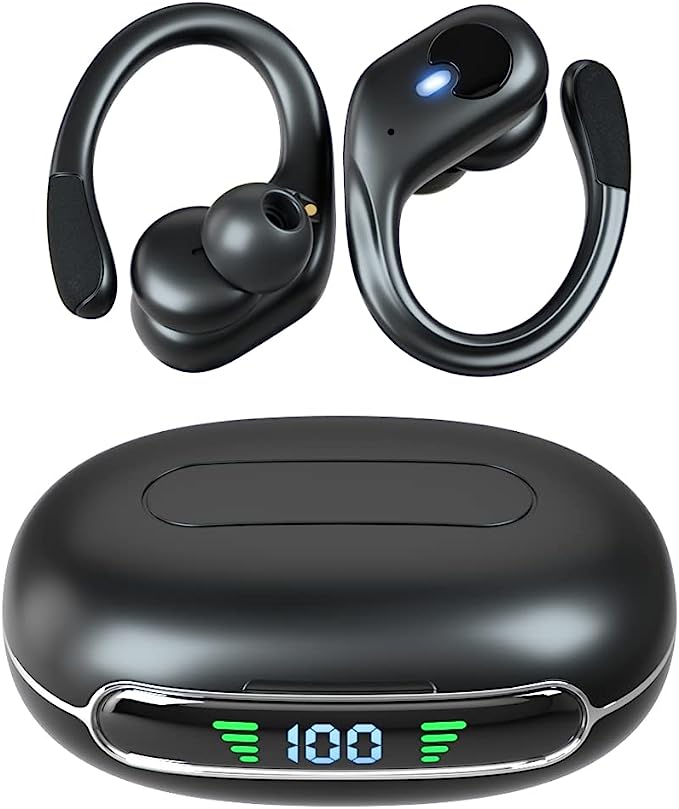
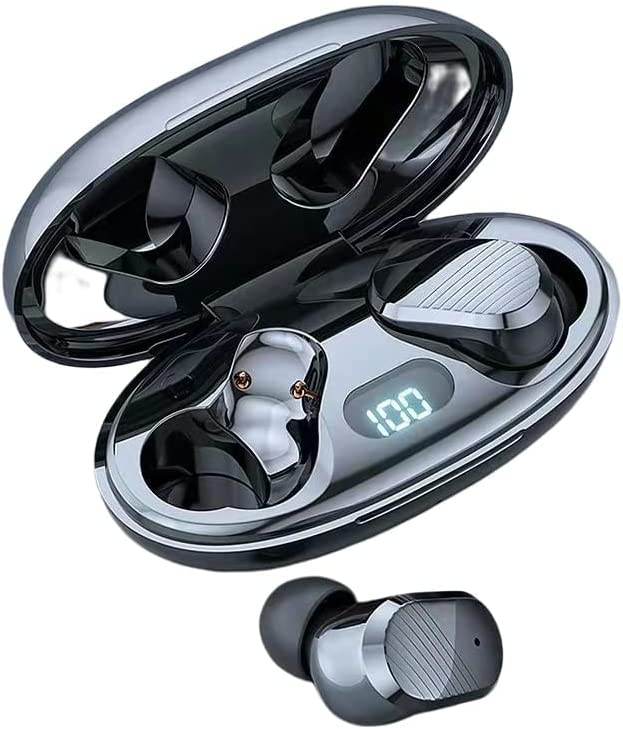
2. The Efficiency Engine (Efficiency): A large fuel tank is wasted on a gas-guzzling engine. Modern Bluetooth 5.3 technology acts as a hyper-efficient engine. Its Low Energy protocols are designed to sip power, maintaining a rock-solid, stable connection with minimal energy draw. This synergy between a massive power reserve and a highly efficient chipset is what delivers true endurance, ensuring your audio companion has the stamina to outlast your longest training session. The LED power indicator on the case then acts as your “fuel gauge,” giving you precise control over your energy reserves.

The Finish Line: Technology in Service of Performance
When you combine these three pillars—the physics of a secure fit, the chemistry of a waterproof seal, and the engineering of extreme endurance—the simple sport earbud is elevated. It becomes more than a device for listening to music; it becomes a piece of reliable, purpose-built performance gear.
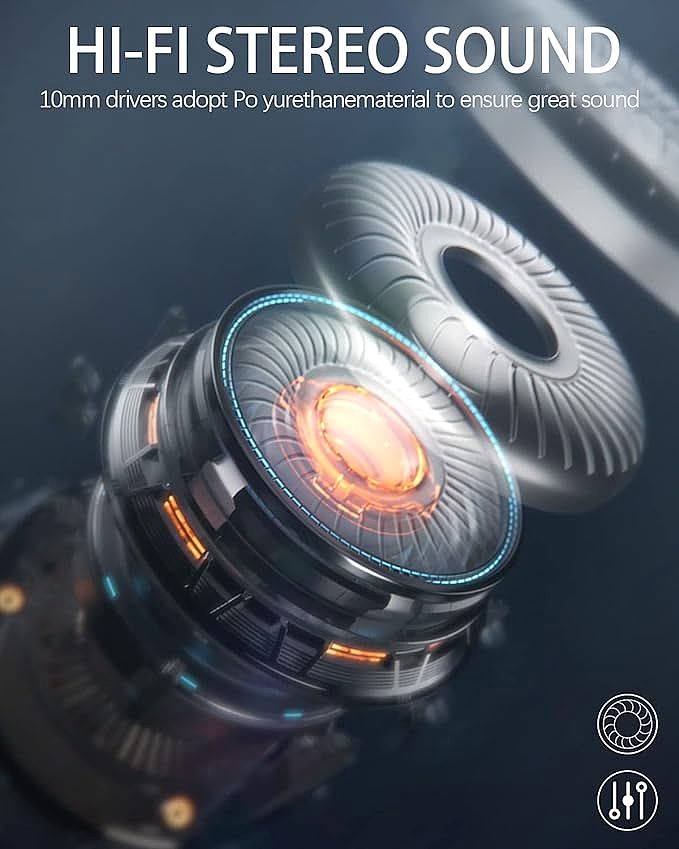
Features like the 10mm biocomposite membrane driver for powerful bass and CVC 8.0 noise-cancellation for clear calls are the rewarding outcomes, the crisp audio and clear communication you can enjoy because the foundational platform is so robust. The next time you shop for workout headphones, look beyond the simple specs. Ask if it can win the audio triathlon. Does it have the stability to stay put, the durability to survive your sweat, and the endurance to go the distance? When you find a device that can answer “yes” to all three, you’ve found more than a gadget—you’ve found a true training partner.