Chasing Infinite Playback: Thermodynamics and Micro-Acoustics
Update on March 7, 2026, 8:16 a.m.
In the landscape of modern hardware engineering, a profound shift is occurring beneath the surface of consumer aesthetics. The relentless pursuit of miniaturization has collided with the hard limits of chemical energy storage. As semiconductor fabrication approaches atomic scales, the batteries that power these silicon brains remain bound by the relatively slow evolution of electrochemical cell density. This persistent bottleneck has catalyzed a new engineering philosophy: the transition from daily tethered charging to extended energy autonomy.
The true challenge of untethered technology extends far beyond merely eliminating the audio cable; it involves entirely severing the psychological and physical umbilical cord connected to the electrical grid. This paradigm shift requires engineers to master not just electrical engineering, but thermodynamics, fluid dynamics, and biomechanics.

The Aluminum Heat Sink in Your Pocket
To decouple a portable device from the power grid, engineers must establish a massive localized energy reservoir. However, storing immense potential energy in a confined space immediately introduces severe thermodynamic challenges. During both charge and discharge cycles, the migration of lithium ions between the anode and cathode generates unavoidable Joule heating.
Thermal management is the critical parameter defining battery longevity. Elevated temperatures accelerate the degradation of the electrolyte and cause structural damage to the electrode materials, permanently reducing capacity. In standard consumer plastics, such as polycarbonate or ABS, thermal conductivity is exceptionally low. Plastic acts as a thermal insulator, trapping the generated heat within the device and cooking the internal chemistry over hundreds of charging cycles.
This scientific reality explains the material selection in high-endurance equipment. A prominent example is the integration of heavy, machined aluminum in charging cases. While often marketed simply as “premium build quality,” the use of metal serves a vital, fundamental physical purpose. Aluminum boasts excellent thermal conductivity, effectively transforming the entire outer shell of the storage case into a passive heat sink.
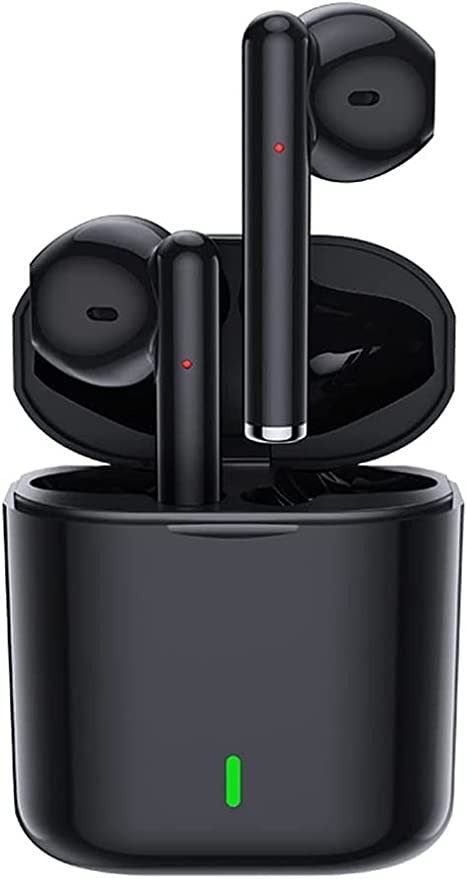
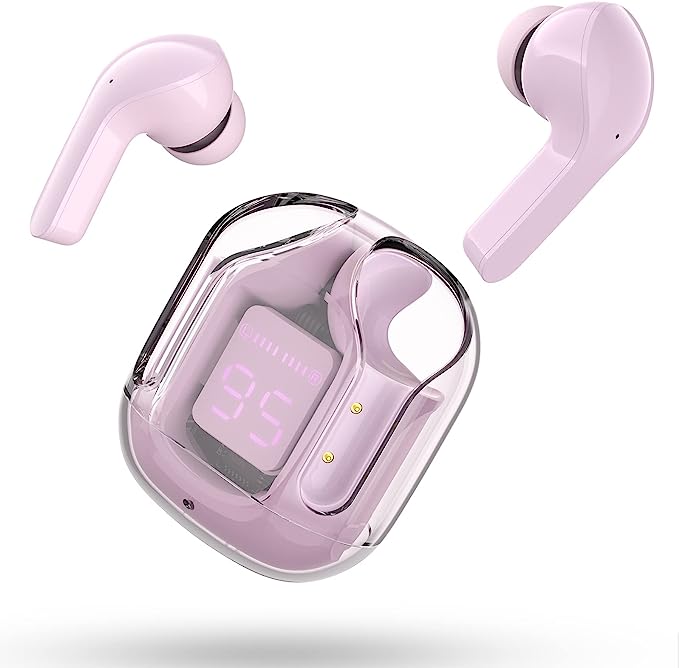
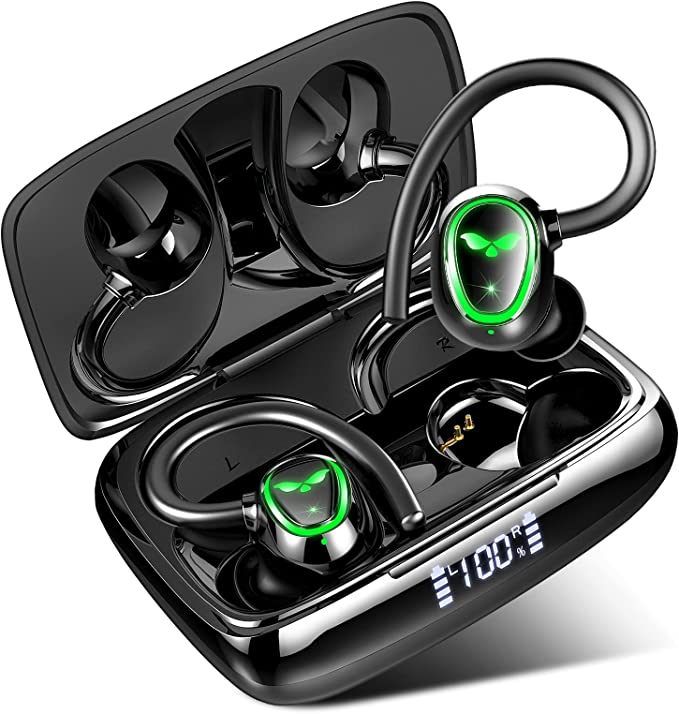
When a unit contains a dense 2600mAh reservoir—as seen in the Mifo O5 Plus Gen 2 true wireless earbuds—the sheer volume of chemical energy transfer demands rapid thermal dissipation. The aluminum chassis continuously wicks heat away from the internal lithium-ion cells, venting it into the ambient air. By stabilizing the internal thermal environment, the hardware preserves the chemical integrity of the battery over thousands of hours, ensuring that theoretical playback limits remain achievable years into the product’s lifecycle.
Sleeping Microchips Save More Energy Than Larger Cells
A massive energy reservoir is entirely rendered useless if the microprocessors drain it inefficiently. In wireless transmission, the radio frequency (RF) module is historically the most voracious consumer of power. Maintaining a continuous, active radio link requires constant electrical current.
The breakthrough that allows modern micro-acoustics to achieve over seven hours of continuous operation from a battery the size of a small coin is not chemical, but algorithmic. The Bluetooth 5.0 standard leverages Low Energy protocols that fundamentally alter the timing of transmission. Instead of keeping the RF module continuously awake, the system utilizes highly aggressive “duty cycling.”
Duty cycling slices time into microscopic fractions. The processor and radio awaken for incredibly brief microsecond intervals, just long enough to receive a compressed packet of audio data. Immediately after this transmission, the hardware drops into a deep sleep state. Because these sleep intervals occur in the fractions of a millisecond between audio frames, the human brain perceives a continuous, uninterrupted stream of music.
This mechanism is a profound triumph of silicon efficiency over chemical limitations. By artificially compressing the active operational time, the microchips stretch a tiny milliamp-hour rating across a vastly extended temporal horizon.
Why Do Sub-Millimeter Gaps Destroy Acoustic Efficiency?
Beyond the electrical architecture, the physical interface between the hardware and the human body dictates power consumption through the principles of fluid dynamics and acoustics. The human ear canal is not a perfect cylinder; it is a complex, dynamic ellipse that changes shape with jaw movement and facial expressions.
When establishing passive noise isolation, the goal is to create a hermetic seal. If the silicone or polyurethane tip fails to conform perfectly to the canal wall, sub-millimeter gaps remain. According to the laws of fluid dynamics, even microscopic acoustic leaks allow low-frequency sound waves from the external environment to penetrate the ear canal. Furthermore, the low-frequency energy generated by the speaker driver escapes outward instead of resonating against the eardrum.
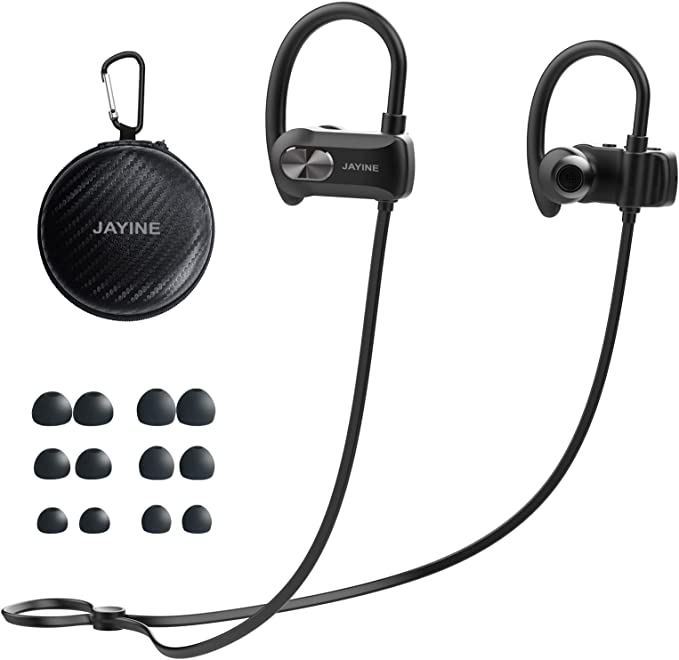
To compensate for this acoustic leakage, the user instinctively increases the volume. Because acoustic power requires exponential electrical power to produce linear increases in perceived loudness, a poor physical seal directly translates to severe battery drain. Engineering a secure seal requires providing multiple variations of elastomeric materials designed for specific deformation limits. Providing five or more distinct silicone geometries ensures that the material can undergo elastic deformation, bridging the gap between the rigid speaker nozzle and the soft tissue of the ear canal.
Furthermore, sealing a device to an IPX7 waterproof standard introduces a conflicting pressure variable. A device must block liquid water molecules, yet if it completely blocks air, the speaker diaphragm encounters immense pneumatic resistance, resulting in a muffled frequency response. Advanced hardware utilizes microscopic expanded polytetrafluoroethylene (ePTFE) membranes, allowing gas exchange to equalize barometric pressure while maintaining an impenetrable barrier to liquid water.
Balancing Tactile Force Against Ear Canal Pressure
The intersection of durability and human-computer interaction frequently results in complex engineering tradeoffs. In environments involving moisture, sweat, or heavy movement, capacitive touch sensors often fail or trigger accidental inputs. Consequently, physical tactile buttons are theoretically superior for definitive control.
However, implementing mechanical switches on micro-wearables initiates a biomechanical failure mode. To maintain severe waterproofing standards, mechanical buttons require thick internal silicone gaskets. These gaskets significantly increase the actuation force required to depress the switch.
When a user applies a Newton of force to push a button located on the faceplate, that kinetic energy transfers directly into the ear canal. If the required actuation force exceeds the static friction holding the silicone tip in place, the entire device plunges deeper into the ear. Following Boyle’s Law, as the volume of trapped air in the ear canal decreases, the internal pressure increases.
Users frequently describe this specific failure mode as feeling like a severe sinus infection or barotrauma. Navigating control schemes via complex hold patterns (one second, three seconds, six seconds) exacerbates this physical discomfort. Resolving this requires extreme precision in micro-switch tensioning—designing a button that resists water pressure but yields to a finger press before overcoming the friction coefficient of the ear canal wall.
When Ambient Modes Distort Reality
The modern requirement for situational awareness has popularized “transparency” or “ambient” modes, which utilize external microphones to pass environmental sound through the audio seal. While conceptually simple, the execution involves extreme digital signal processing (DSP) challenges.
Sound waves travel through the air at roughly 343 meters per second. When a microphone captures external sound, the analog-to-digital converter processes it, the DSP algorithm routes it, and the amplifier pushes it to the driver. This computational pipeline introduces latency.
If the processed, delayed artificial sound mixes with the faint, immediate acoustic sound bleeding through the physical seal, it creates phase cancellation. The overlapping waveforms interfere constructively and destructively, altering the frequency response. This phase interference is precisely why ambient modes frequently sound “robotic,” “metallic,” or heavily distorted.
Additionally, running the microphones, analog-to-digital converters, and DSP continuously in transparency mode fundamentally negates the power-saving benefits of duty cycling. The system is forced to remain fully awake, processing environmental variables in real-time, resulting in rapid energy depletion and occasionally causing abrupt software stutters when the processor is overloaded by background tasks.
Weight Versus Lifeline: The Power Bank Paradox
As the volumetric density of portable storage cases expands, hardware enters a phase of functional convergence. A case holding 2600mAh of potential energy represents a massive discrepancy relative to the 40mAh batteries located in the acoustic units themselves.
From an ecosystem perspective, isolating this energy pool solely for audio playback is highly inefficient. Implementing reverse-charging circuitry transforms the specialized accessory into a generalized emergency power bank. This convergence alters the user’s perception of the object’s physical footprint. A heavy, dense aluminum block is burdensome if it only charges audio drivers; it becomes a justifiable lifeline if it can rescue a primary communication device during critical scenarios.
This represents the highest tier of industrial design: solving multidimensional problems with a singular physical entity. It acknowledges that extreme power reserves are best utilized when they remain agnostic to the device they are feeding.
Moving Past Liquid Electrolytes
Looking toward the immediate future of hardware engineering, the reliance on volatile liquid electrolytes in lithium-ion chemistry must eventually end. The ongoing transition toward solid-state batteries will replace flammable liquid mediums with solid conductive ceramics or polymers.
Solid-state structures inherently prevent the formation of internal dendrites—microscopic metal spikes that cause short circuits—allowing components to be packed much tighter safely. This leap in volumetric energy density will permit identical acoustic capabilities in half the physical footprint, or double the lifespan in the current form factor.
Simultaneously, the integration of micro-energy harvesting—utilizing the Seebeck effect to draw trickle charges from the thermal delta between human body heat and ambient air, or piezoelectric films converting jaw movement into micro-watts—will eventually bridge the gap entirely. Until those technologies scale, the brute-force implementation of massive, thermally managed reservoirs paired with aggressively timed microchips remains the absolute pinnacle of untethered technological freedom.