The Invisible Force: How Personal Audio Devices Create Sound from Silence

OnePlus Buds Z True Wireless Earbuds
Open your hand. Now close it. You have just created sound — not through your vocal cords, but through the displacement of air molecules. That simple gesture generated a pressure wave that traveled outward at 767 miles per hour, eventually reaching your eardrums as an audible sensation.
This is the invisible force that fills concert halls and disturbs library quiet alike. Yet for all its everyday presence, sound remains one of the most misunderstood phenomena in human experience. We speak of audio equipment in vague terms — "rich," "crisp," "warm" — without grasping the actual physics that produce these sensations.
Personal audio devices represent one of the most elegant demonstrations of applied acoustics. Consider what happens when you insert those small casings into your ears: a miniature speaker driver inside vibrates, creating alternating regions of compressed and rarefied air molecules. Your eardrum responds to these pressure variations, and your brain translates the pattern into the experience we call sound.
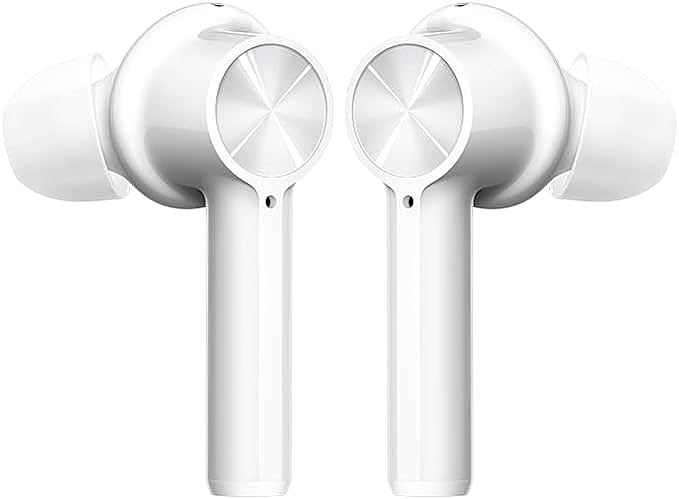
The paradox at the heart of this technology is remarkable. The driver membrane moves only fractions of a millimeter — barely visible — yet this microscopic motion creates pressure waves that fill entire rooms. The physics demands it: to generate low frequencies, substantial air must be displaced. The in-ear driver faces an impossible constraint in a shrinking package.
Engineers have developed clever solutions. Some drivers use passive radiators — additional membranes that vibrate in sympathy with the primary driver, effectively increasing air displacement without enlarging the driver itself. Others employ acoustic suspension systems that optimize the driver's range of motion. These aren't marketing buzzwords but genuine applications of wave mechanics.
The Wireless Revolution: When Radio Waves Become Sound
The journey from recorded music to your ears once required physical connection. A phonograph needle traced grooves in vinyl. A cassette head magnetized tape particles. The cable connecting your audio device to the stereo carried actual electrical signals through copper wire.
Wireless audio shattered this paradigm. The Bluetooth wireless standard, first released in 1999, brought radio frequency communication to personal audio. But calling it "radio" conjures images of vintage receivers with vacuum tubes — the reality is far more sophisticated.
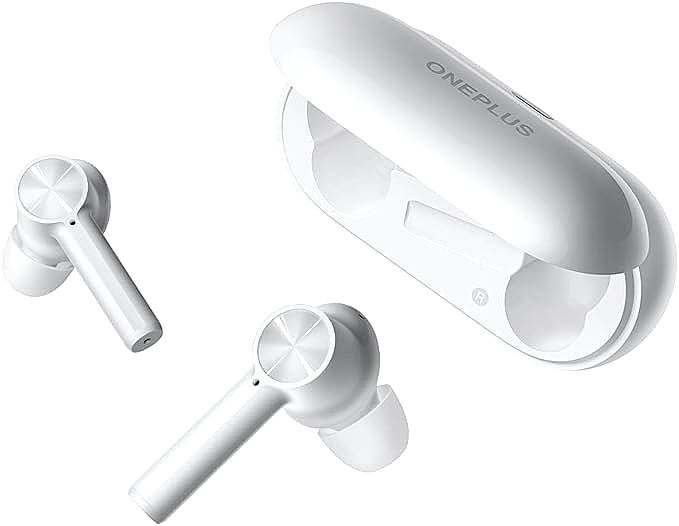
Bluetooth operates in the 2.4 gigahertz frequency band, which spans from 2.4 to 2.4835 GHz. This band sits alongside WiFi networks, microwave ovens, and countless other devices. The challenge: how to transmit audio data reliably through this congested electromagnetic environment?
The answer lies in frequency hopping spread spectrum technology. Bluetooth devices hop between 79 different frequencies within the band, making 1,600 hops per second. When interference appears on one frequency, the system simply skips to the next. This elegant solution improves what seems like a liability — a crowded frequency band — into an advantage. The rapid hopping means any single frequency carries only a tiny fraction of the total data, rendering the system remarkably robust against narrowband interference.
The audio data itself undergoes compression through codecs — compression algorithms optimized for different priorities. SBC, the default codec, prioritizes compatibility across all Bluetooth devices. AAC provides an alternative approach at similar bitrates. The aptX family introduced lower latency, crucial for video watching. Another codec maximizes bitrate for higher quality audio transmission.
Each codec represents engineering trade-offs. Lower latency often means more aggressive compression. Higher quality typically requires more bandwidth. No single codec dominates — the diversity reflects genuine technical constraints rather than marketing differentiation.
The Latency Problem: Why Your Mouth Moves Before You Hear
Watch a foreign film with poorly dubbed audio, and you immediately notice the disconnect between lip movements and sounds. Your brain evolved to detect such discrepancies — they signal that something in the environment has changed, potentially requiring attention. This sensitivity makes latency in wireless audio immediately perceptible.
Latency in wireless audio accumulates through multiple stages. The source must first encode audio data. The compressed data packet travels through the air. The receiving device buffers and decodes. Each stage introduces delay measured in milliseconds.
For phone calls, latency above 150 milliseconds creates conversational difficulties — you interrupt the other person because you think they've finished speaking, when in reality they're still formulating their response. For gaming, latency above 50 milliseconds affects reaction times in competitive scenarios. For music creation, any measurable latency interferes with monitoring.
Professional wireless microphone systems achieve latencies below 2 milliseconds using proprietary protocols. Consumer Bluetooth typically operates between 100-300 milliseconds. The gap reflects fundamental trade-offs: achieving lower latency requires more bandwidth and processing power, both of which conflict with battery life constraints in small personal devices.
Manufacturers have developed workarounds. Some personal audio devices analyze the video signal to predict audio timing, compensating for delays in the video stream rather than speeding up audio delivery. Others prioritize certain content types — music versus calls — accepting higher latency for one to optimize the other.
The Electrochemical Engine: Why Batteries Define Device Destiny
Every wireless audio device faces an unforgiving constraint: energy density. The physics of electrochemical storage hasn't fundamentally changed since the lithium-ion battery's commercialization in 1991. Energy must be stored chemically, released through controlled reactions, and replenished through reversal of those same reactions.
A lithium-ion cell stores energy through the movement of lithium ions between electrodes. During discharge, chemical reactions release electrons at the negative electrode (anode) and accept them at the positive electrode (cathode). The electron flow through an external circuit provides usable power. During charging, an external voltage drives the reactions in reverse.
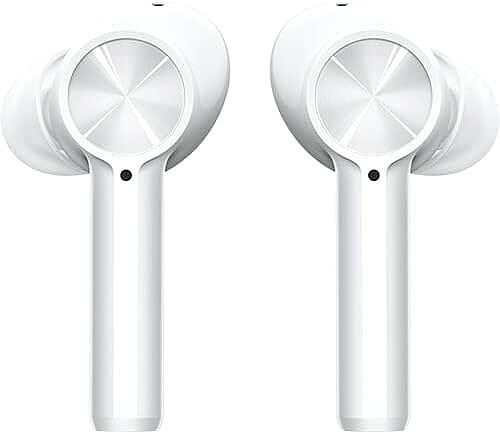
Fast charging exploits kinetic factors. Higher charging currents accelerate the rate of ion movement, reducing charge time. But speed has limits. Charging too quickly causes lithium plating — metallic lithium deposits on the anode surface rather than intercalating into its structure. This permanently reduces capacity and can create safety hazards.
Manufacturers balance multiple factors: total capacity, charging speed, cycle life, weight, and cost. The "10 minutes for 3 hours" specification in many personal audio devices reflects careful optimization. Achieving this requires high current acceptance in the battery cells, efficient charging circuitry, and thermal management systems that prevent overheating during rapid charging.
The environmental dimension matters increasingly. Lithium-ion batteries degrade through cycling, calendar aging, and exposure to temperature extremes. A device's usable lifespan depends not just on its initial specifications but on how the battery ages over months and years of use. Understanding battery chemistry helps explain why seemingly identical devices perform differently as they mature.
The Seal Principle: Why One Size Cannot Fit All
Insert a finger into your ear canal. Notice how the sensation changes as you go deeper. The ear canal isn't a simple tube — it narrows, curves, and terminates at the eardrum. Its shape is uniquely yours, determined by genetics and modified slightly by aging.
Ear tip design directly affects acoustic performance. A proper seal prevents sound leakage — both inward (external noise) and outward (your audio escaping to disturb others). The seal also affects bass response through acoustic impedance matching.
When a driver produces sound, it creates pressure inside the sealed canal. This pressure acts on the eardrum, causing vibration. If the seal leaks, pressure escapes, reducing the acoustic energy reaching your eardrum. Bass frequencies, which depend on substantial air displacement, suffer most from poor sealing.
Manufacturers provide multiple tip sizes because ear canal dimensions vary significantly across individuals. A medium tip that creates a secure seal in one person may leak badly in another. The silicone or foam material also affects the seal — foam conforms to ear canal shapes more completely but degrades faster. Silicone maintains its shape longer but requires more careful sizing.
The psychological dimension matters too. People perceive sounds differently based on how they expect them to feel. A tight seal creates a sense of immersion that affects perceived quality beyond actual acoustic measurements. This explains why changing ear tips can make the same device sound different — even when the measured frequency response remains unchanged.
Understanding Durability Specifications: What the Numbers Actually Mean
Electronic devices increasingly carry IP (Ingress Protection) classifications. The IP code provides standardized measurement of protection against solid objects and liquids.
The IP code consists of two digits. The first digit indicates protection against solid objects. A classification of 5 means protection against dust — the device won't allow ingress of dust that could interfere with operation. This isn't absolute hermetic sealing (which would be IP6X) but adequate protection for normal use.
The second digit indicates liquid protection. A classification of 5 means protection against water jets from any direction. Test conditions specify water projected through a 6.3mm nozzle at flow rate of 12.5 liters per minute from a distance of 3 meters. The device must withstand this for at least 3 minutes without harmful ingress.
The distinction matters. This rating does not mean the device survives submersion — that would require IPX7 or higher. It doesn't mean the device works during swimming or in heavy rain. It means the device can handle sweat during workouts, accidental splashes, and similar exposures without damage.
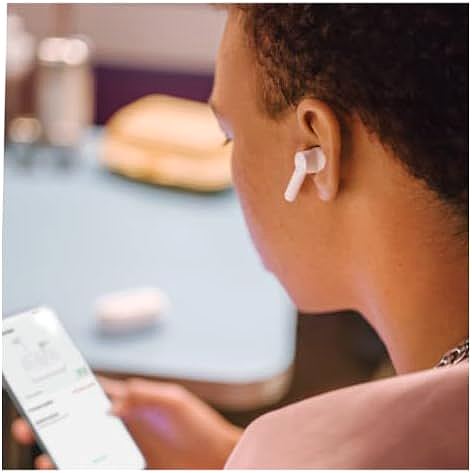
The actual implementation uses nano-coating on internal components, gaskets at seams, and hydrophobic materials that repel water. These treatments degrade over time, especially with exposure to sweat (which contains salts and oils that can degrade coatings), temperature extremes, and physical wear.
Users should understand IP ratings as indicators of designed resilience rather than absolute guarantees. A device with this classification represents careful engineering balance — achieving meaningful water resistance without the cost and weight penalties of higher classifications designed for submersion scenarios.
The Science of Audio Sensitivity: Why 97 Decibels Matters
Audio sensitivity specifications often appear in device datasheets. The figure 97 dB (decibels) specifically refers to the sound pressure level produced by the device when driven with 1 milliwatt of electrical power. Understanding this measurement reveals important performance characteristics.
The decibel scale is logarithmic rather than linear. An increase of 3 dB represents roughly a doubling of acoustic energy. An increase of 10 dB represents roughly a tenfold increase. These aren't perceptual doubles — our hearing responds logarithmically to intensity, so a 10 dB increase feels roughly twice as loud to most people.
A device with 97 dB sensitivity produces 97 dB SPL when receiving 1 mW of power. This represents reasonable efficiency — most listeners won't need to drive the device at maximum volume for comfortable listening in typical environments. A less sensitive device might produce only 90 dB with the same power, requiring substantially more amplification to reach the same loudness.
The 97 dB figure also relates to hearing safety. Sustained exposure above 85 dB can cause cumulative hearing damage over time. A device capable of producing 120 dB (roughly 20 times louder than 100 dB) poses genuine risk if used at high volumes. The sensitivity specification doesn't directly indicate safety — duration and volume patterns matter more — but it helps explain why some devices seem "louder" than others at the same volume setting.
Sensitivity specifications don't inherently relate to sound quality characteristics. Audiophiles sometimes prefer less sensitive devices because they allow finer control over volume with better amplifier matching. The relationship between sensitivity, amplifier quality, and perceived sound quality involves complex trade-offs that depend on listening preferences and usage patterns.
Conclusion: The Stillness Within the Storm
The speaker driver in your personal audio device vibrates millions of times per second to create the illusion of continuous sound. Yet if you could observe it directly, you would see almost nothing — a slight blur, perhaps, at the limits of visual perception.
This is the paradox at the heart of acoustic technology: substantial effects from microscopic motions, complex electromagnetic communication disguised as simple wireless convenience, electrochemical reactions powering experiences we take for granted. The devices in our ears represent decades of accumulated scientific understanding distilled into objects that weigh mere grams.
Understanding these principles won't necessarily make your music sound different. But it might help you appreciate why the technology you hold so casually represents genuine engineering achievement — a convergence of physics, chemistry, materials science, and signal processing that improves silence into the experiences that shape our days.
The next time you press those small casings into your ears, consider the invisible forces at work. The sound you hear began as a radio wave, traveled through compressed air, and arrived as microscopic membrane motion. Between the source and your consciousness lies an entire universe of physics, patiently operating each time you listen.
OnePlus Buds Z True Wireless Earbuds
Related Essays

The Science of Wireless Audio: How Your Earbuds Create Immersive Sound

Mood Pie C9 True Wireless Earbuds: Your Daily Jamming Companion

TECKNET TK-HS008 Wireless Headphones: Your Ideal Choice for Music on the Go

Wireless Earbuds Sound Quality: Drivers, Codecs and Touch Physics

The Invisible Freedom: When Technology Disappears Into Reliability

The Logic of the Affordable Miracle: Deconstructing Budget Audio Engineering

Kurdene S10 Wireless Earbuds: Experience Superior Sound with Bluetooth 5.2 Technology
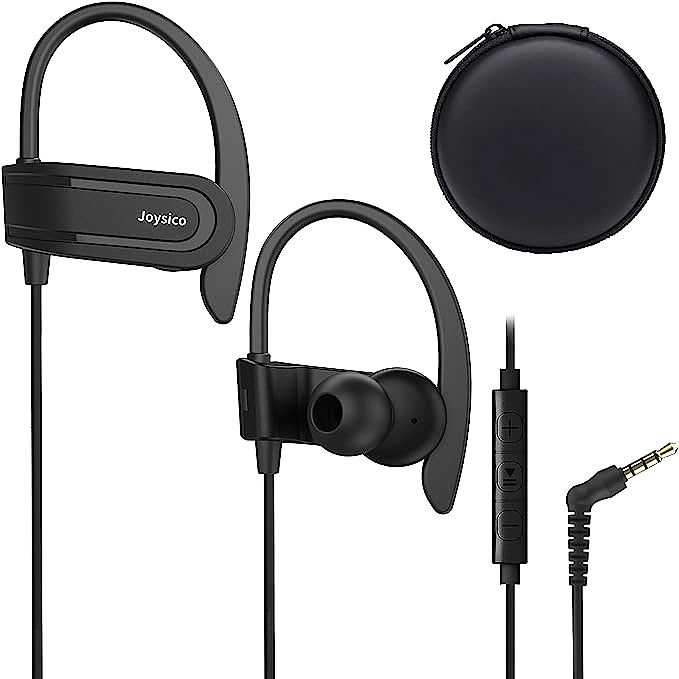
Joysico YS3: Your Ultimate Workout Companion for Uninterrupted Audio Bliss
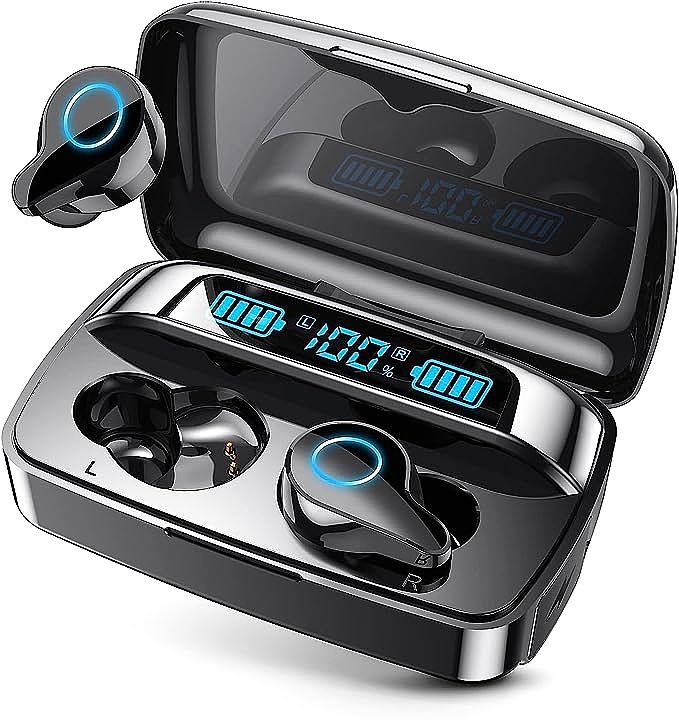
Unleash Your Inner Audiophile with the PIFFA A66 Bluetooth Headphones
