Premium ANC Headphone Technology: A Technical Analysis

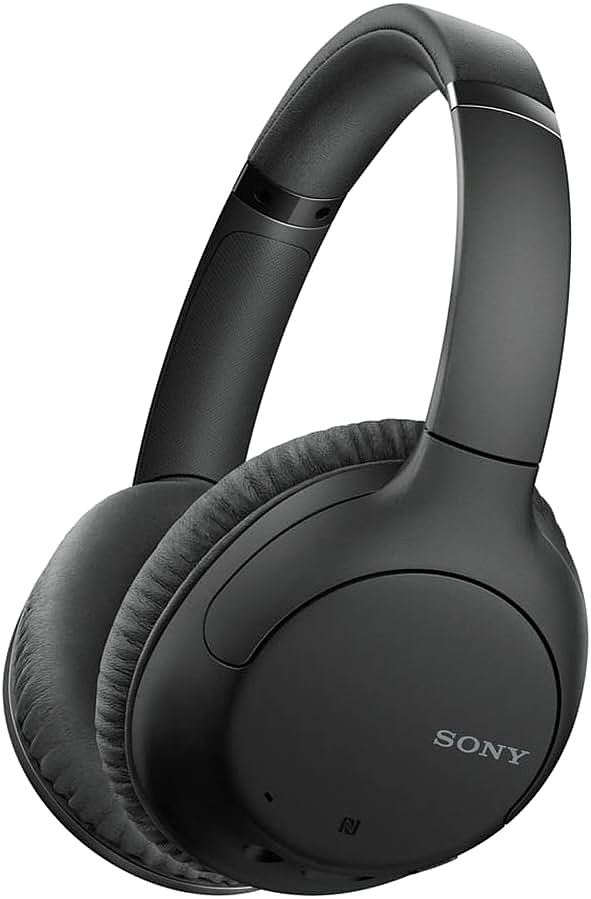
Sony WH-1000XM5
Understanding Active Noise Cancellation Technology

Active noise cancellation (ANC) represents one of the most significant advances in personal audio technology over the past two decades. The fundamental principle involves using microphones to detect ambient sound, then generating anti-phase waveforms that destructively interfere with unwanted noise before it reaches the listener's ear.
The Physics of Destructive Interference
When two sound waves meet, their amplitudes combine according to the principle of superposition. If one wave has a positive pressure peak while the other has a negative pressure trough at the same frequency and phase, they cancel each other out. This is the foundation upon which all active noise cancellation systems operate.
Modern ANC algorithms process audio at rates exceeding 44,100 samples per second, allowing real-time generation of anti-noise signals. The computational complexity increases with the number of frequencies being processed simultaneously.
Microphone Array Design
Premium wireless headphones typically employ multiple microphone configurations to achieve effective noise reduction across different frequency bands. Low-frequency sounds, such as aircraft engine rumble, require active cancellation because their long wavelengths can penetrate physical barriers. High-frequency sounds, like human speech, are more effectively blocked by passive isolation through ear cushion sealing.
Beamforming Techniques
Beamforming microphone arrays use signal processing to directionally capture sound from specific angles. By adjusting the phase relationships between multiple microphone elements, the system can focus on ambient noise sources while minimizing pickup of the desired audio signal.
Feedback and Feedforward Architectures
Feedback microphones positioned inside the ear cup monitor the sound actually reaching the listener's ear, allowing the system to correct for errors. Feedforward microphones placed on the exterior capture ambient noise before it enters the ear cup, enabling predictive cancellation.
Driver Technology and Acoustic Engineering
The transducers responsible for converting electrical signals into sound waves play a critical role in overall audio performance. Driver size, diaphragm material, and magnetic circuit design all influence frequency response, distortion characteristics, and power handling capabilities.
Carbon Fiber Composite Diaphragms
Advanced materials like carbon fiber composites offer high stiffness-to-weight ratios, reducing breakup modes at high frequencies. This results in cleaner transient response and improved detail retrieval from complex musical passages.
TriPort Acoustic Architecture
Some manufacturers utilize multi-chamber acoustic designs that optimize air flow and reduce resonance. These architectural approaches can improve bass extension without increasing driver size or power requirements.
Wireless Audio Transmission
Bluetooth technology
has evolved significantly, with newer versions offering improved bandwidth, range, and power efficiency. Codec support determines the quality of audio transmission between source devices and headphones.
High-Resolution Audio Codecs
Lossless or near-lossless audio codecs preserve more detail from the original recording compared to compressed formats. These codecs require greater bandwidth but deliver audible improvements in well-recorded material.
Multipoint Connectivity
Modern implementations allow simultaneous connection to multiple devices, automatically prioritizing audio sources based on activity type. This eliminates the need to manually disconnect and reconnect when switching between phone calls and media playback.
Comfort Engineering
Extended listening sessions demand careful attention to weight distribution, clamping force, and material selection. Ergonomic design considerations affect both immediate comfort and long-term wearability.
Weight Distribution Principles
Headband design plays a crucial role in distributing weight across the top of the head. Wider contact surfaces reduce pressure points and minimize fatigue during prolonged use.
Memory Foam Cushioning
Viscoelastic foam materials conform to individual ear contours, creating effective acoustic seals while maintaining comfort. Material density and resilience affect both isolation performance and durability over time.
Battery Technology and Power Management
Lithium-polymer batteries provide the energy density required for portable audio devices. Battery capacity directly influences playback duration, while charging speed affects convenience for users with busy schedules.
Quick Charge Technology
Emergency charging capabilities allow brief power supplementation during unexpected situations. Three minutes of charging providing several hours of playback represents significant convenience for travelers.
Replaceable Battery Designs
Some manufacturers offer user-replaceable battery options, extending product lifespan beyond typical lithium polymer degradation cycles. This approach reduces electronic waste and long-term ownership costs.
Computational Audio Processing
Digital Signal Processing (DSP) algorithms enhance audio quality through equalization, dynamic range compression, and spatial rendering. Advanced systems learn user preferences over time, automatically adjusting parameters based on listening habits.
Adaptive Sound Control
Machine learning algorithms analyze environmental conditions and user behavior to optimize audio settings automatically. This eliminates the need for manual adjustment in varying listening environments.
Voice Assistant Integration
Integration with virtual assistants provides hands-free control over music playback, calls, and smart home devices. Multi-year support ensures continued functionality as assistant platforms evolve.
Market Analysis and Value Assessment
The premium headphone market has matured significantly, with established manufacturers competing on technology, comfort, and brand reputation. Price points reflect different value propositions and target audiences.
Total Cost of Ownership
Beyond initial purchase price, factors like warranty coverage, replacement part availability, and software update longevity affect long-term value. Products with replaceable components offer better economics over extended ownership periods.
Resale Value Retention
Brand recognition and model popularity influence secondary market values. Technology-focused products often retain higher resale values among enthusiast communities.
Signal Processing Architecture
Digital signal processing forms the computational backbone of modern noise cancellation systems. The mathematics behind adaptive filtering algorithms enable real-time adjustment of anti-noise waveforms based on changing environmental conditions.
Adaptive Filter Algorithms
The Least Mean Squares (LMS) algorithm represents one of the most commonly employed techniques in consumer audio applications. This iterative method adjusts filter coefficients to minimize the error signal between desired and actual output. Convergence speed and stability characteristics determine practical implementation parameters.
Modified variants like the Normalized LMS algorithm address some limitations of the basic approach, providing improved performance across varying input signal levels. Computational complexity remains a consideration for battery-powered portable devices.
Phase Alignment Considerations
Precise phase relationship between the anti-noise signal and incoming acoustic energy determines cancellation effectiveness. Any delay in the signal chain introduces phase errors that reduce low-frequency cancellation performance. Group delay compensation techniques help maintain accuracy across the target frequency range.
Dynamic Range Management
Input signal levels from ambient noise vary considerably depending on environment. Automatic gain control circuits maintain optimal signal levels for processing while preventing clipping or excessive quantization noise.
Acoustic Seal Optimization
The quality of the physical seal between ear cushion and head significantly affects both passive isolation and active cancellation performance. Poor seal quality allows sound leakage that undermines the entire noise reduction system.
Cushion Material Science
Memory foam viscoelasticity provides conforming comfort while maintaining structural integrity under compression. Open-cell foam structures allow air movement necessary for pressure equalization while blocking direct sound transmission paths.
Surface texture and density affect both seal quality and long-term durability. Softer materials conform better but may degrade faster through repeated compression cycles.
Clamping Force Distribution
Headband tension must balance secure positioning against comfort constraints. Excessive force causes fatigue and headaches during extended wear, while insufficient force allows positional shifts that compromise the acoustic seal.
Ergonomic headband designs distribute pressure across wider contact areas, reducing point loading that causes discomfort. Adjustable sliders accommodate different head sizes while maintaining consistent clamp force across the adjustment range.
Electroacoustic Transduction Principles
The conversion of electrical signals to acoustic pressure waves involves complex electromechanical interactions. Driver design optimization requires balancing competing requirements for frequency response, distortion, power handling, and physical size.
Magnetic Circuit Design
Ferrite or neodymium magnets provide the static magnetic field necessary for voice coil interaction. Magnetic flux density and circuit geometry influence sensitivity and power handling capabilities.
Voice coil winding configuration affects mass, resistance, and inductance characteristics. These parameters jointly determine electrical damping and transient response behavior.
Diaphragm Dynamics
Membrane stiffness and mass distribution control resonance frequencies and breakup modes. Damping materials reduce unwanted resonances while preserving useful vibrational modes.
Conical or dome-shaped diaphragm geometries offer different advantages for dispersion characteristics and mechanical stability. Material selection balances stiffness, mass, and internal damping properties.
Power System Engineering
Battery technology selection involves trade-offs between energy density, discharge characteristics, charge cycle life, and safety considerations. Modern portable audio devices require sophisticated power management to maximize usage time.
Energy Density Considerations
Lithium-polymer chemistry offers higher volumetric energy density than earlier lithium-ion variants. This enables longer playback from compact form factors acceptable for wearable audio equipment.
Discharge curve characteristics affect usable capacity at different current drain levels. High-drain periods from peak audio demands reduce effective capacity compared to rated specifications measured at lower currents.
Charging Circuit Design
Constant-current constant-voltage charging profiles optimize cell lifespan while minimizing charge time. Temperature monitoring prevents dangerous conditions during fast charging operations.
Protection circuits guard against overcharge, over-discharge, and short-circuit conditions. These safety features are essential for consumer products utilizing energy-dense battery chemistries.
Final Analysis
Premium wireless headphones represent sophisticated integration of acoustics, electronics, and computational processing. Understanding the underlying technology helps consumers make informed purchasing decisions based on their specific requirements rather than marketing claims alone.
The continuous evolution of driver materials, DSP algorithms, and battery chemistry promises further improvements in performance and convenience. As manufacturing costs decrease, advanced features become accessible to broader audiences.
Technical literacy regarding audio reproduction principles empowers consumers to evaluate products objectively and select equipment matching their priorities and usage patterns.
Sony WH-1000XM5
Related Essays

Xmenha Smallest Invisible Sleep Earbuds: Tiny Comfort for Side Sleepers

How Compact Speakers Defy Bass Physics

Cleer Goal Sport Earbuds: Hear Your Surroundings, Fuel Your Workout

GoArgin K9 Bone Conduction Headphones: Dive into Sound with Open-Ear Freedom

Kurdene S10 Wireless Earbuds: Experience Superior Sound with Bluetooth 5.2 Technology

Hypertech X EP1 Bluetooth Headphones: The Must-Have Active Noise Cancelling Neckband for Fitness Freaks
Silence the World: Understanding Active Noise Cancellation with the Sony WH-CH710N

Decoding Sound: Understanding Active and Environmental Noise Cancellation in Headphones

The Audio Cable That Outlasted Every Wireless Standard
