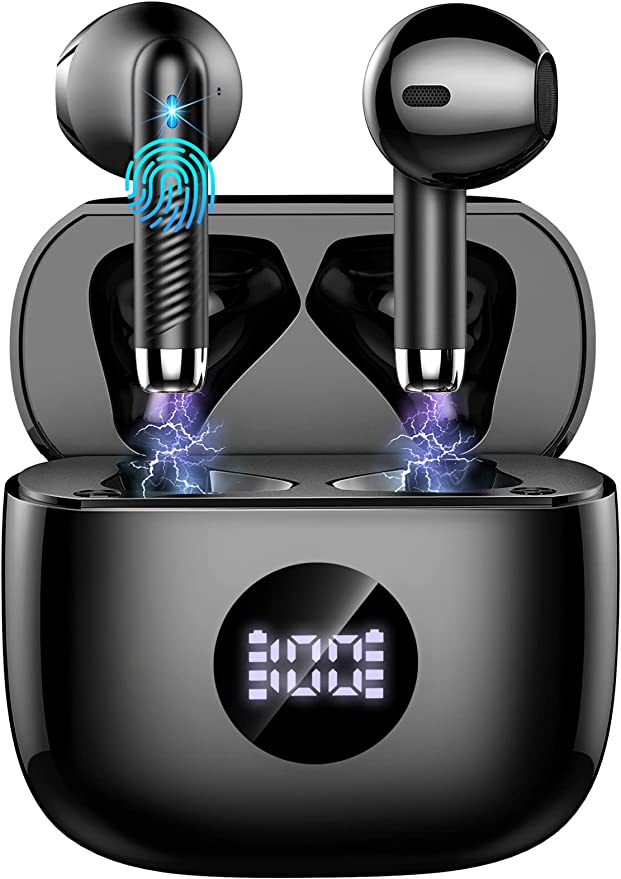
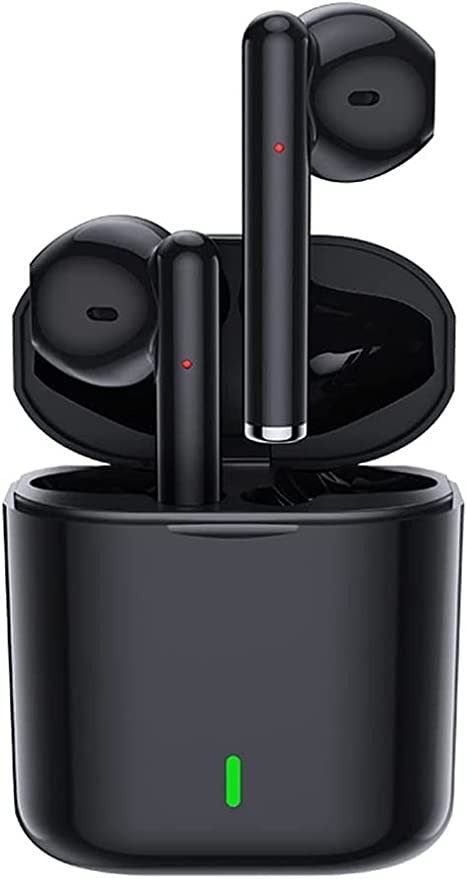
The Physics of "Open Voice": Why Your Canal Needs to Breathe
Update on Dec. 8, 2025, 6:22 a.m.
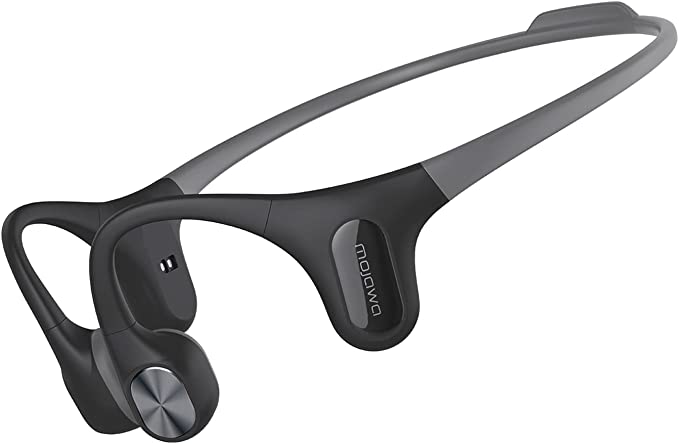
Your ear canal is a humid ecosystem. Seal it with a silicone tip for an hour during a workout, and the relative humidity spikes, creating a petri dish for bacteria while simultaneously blocking 90% of environmental acoustic data (The Contrarian Stat). The industry’s answer has long been bone conduction, but the FREEDOTS C1-FD001 represents a divergent evolutionary path: Directional Air Conduction. This is not about vibration; it is about precision aerodynamics for sound.

The Myth of Bone Conduction
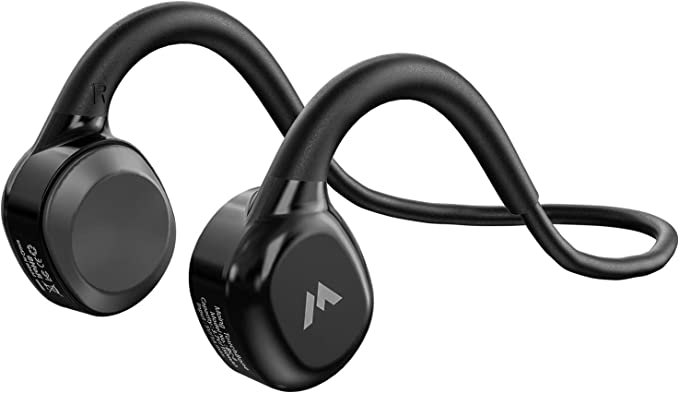
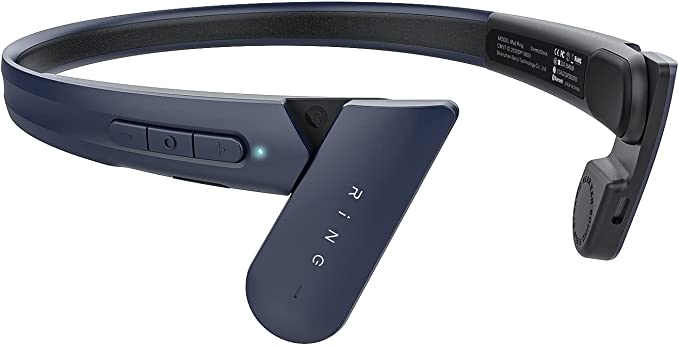
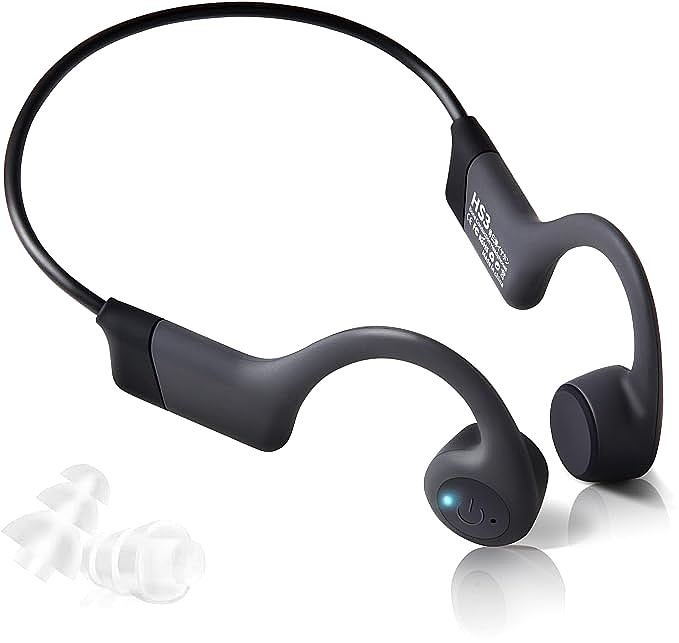
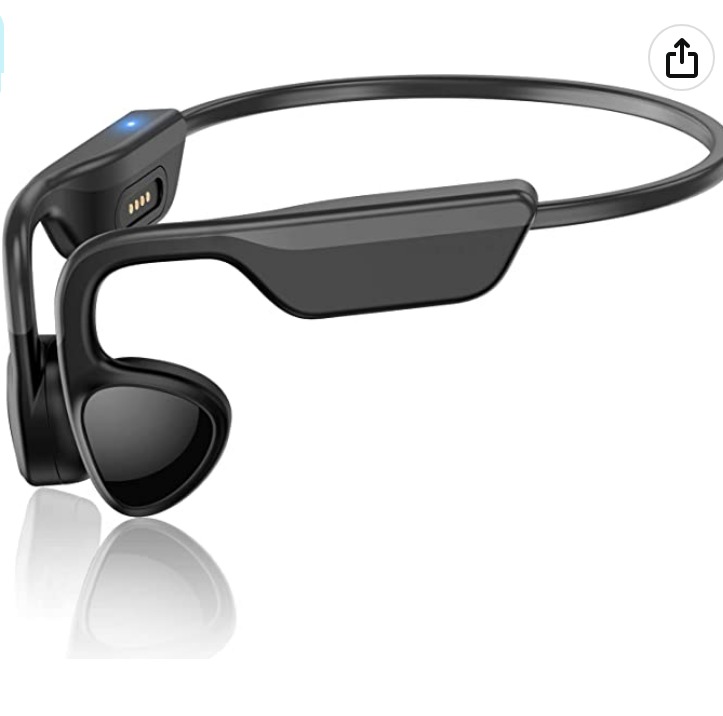
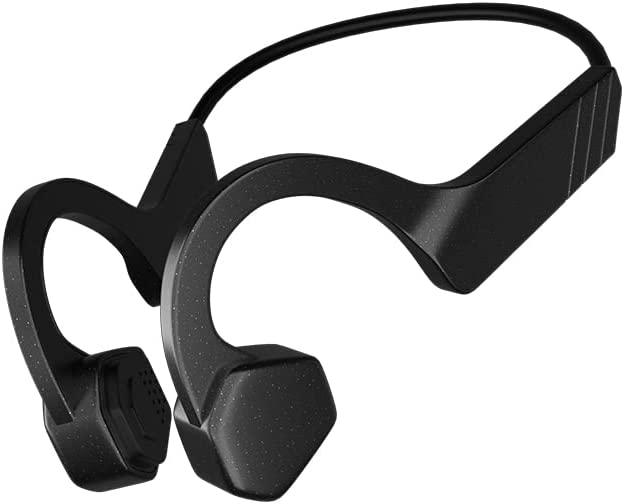
A common misconception in the “Open-Ear” market is that every device sitting outside the ear relies on osteology (bone transmission) to work (Thesis). This is false. True bone conduction transducers require significant clamping force to transmit frequencies through the zygomatic arch, which often results in “temple fatigue” and a muddied frequency response above 10kHz (Physics).
The “Open Voice” Mechanism
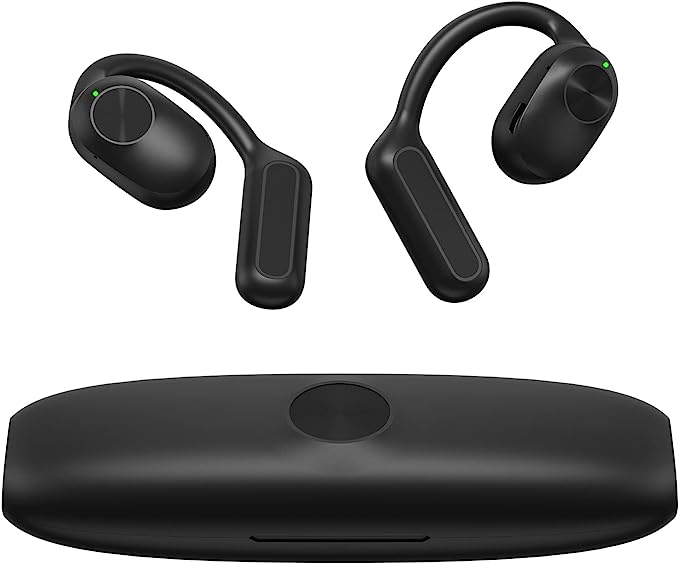
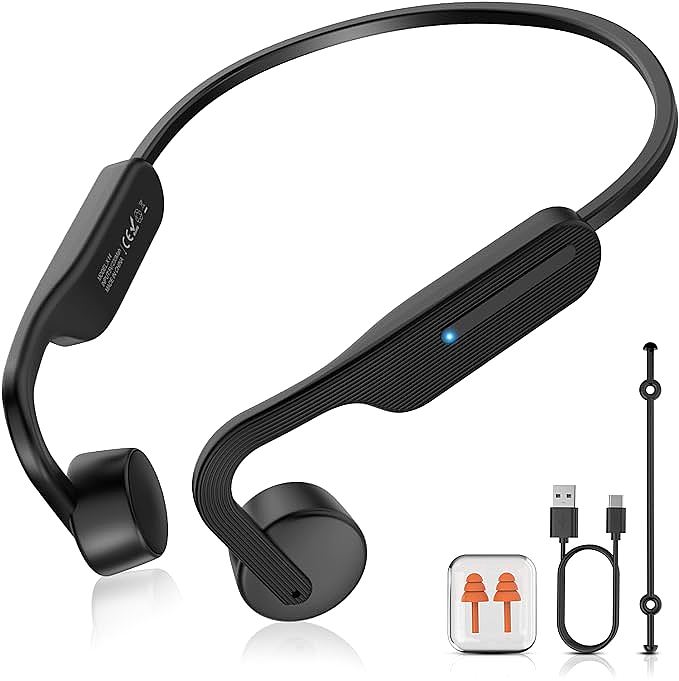
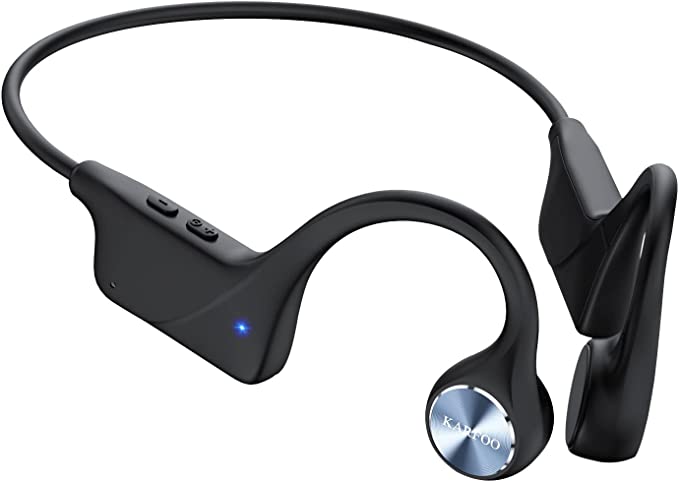
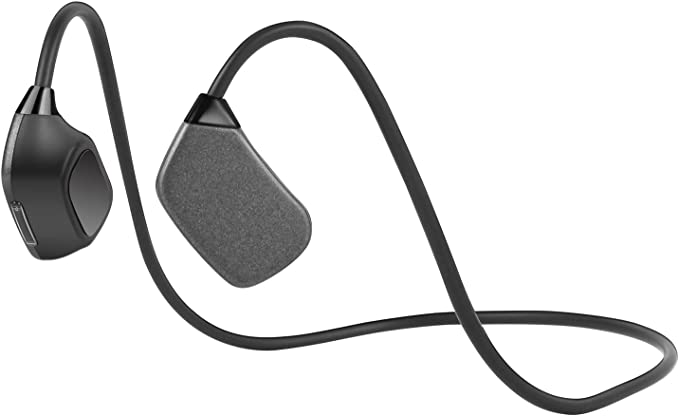
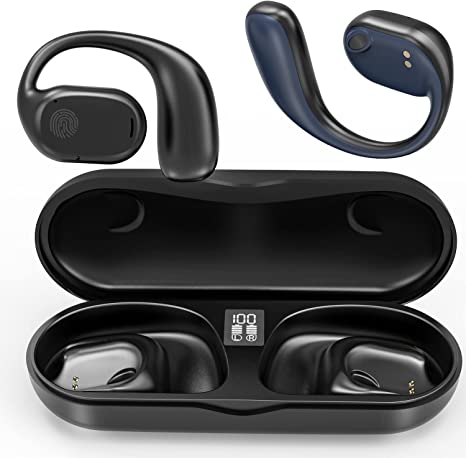
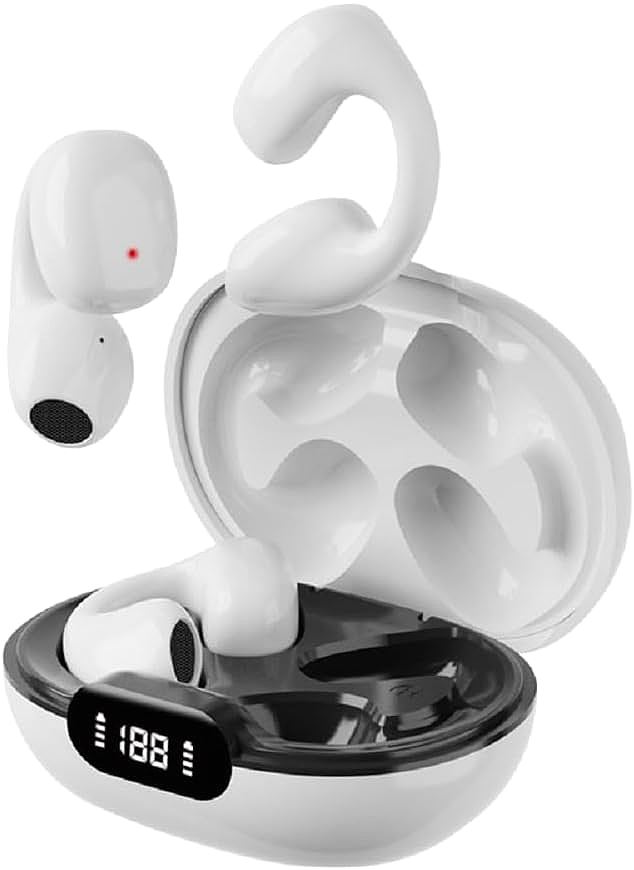
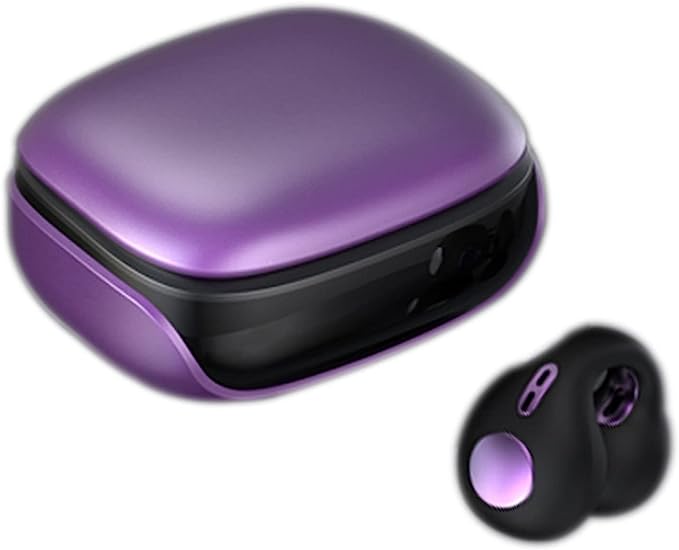
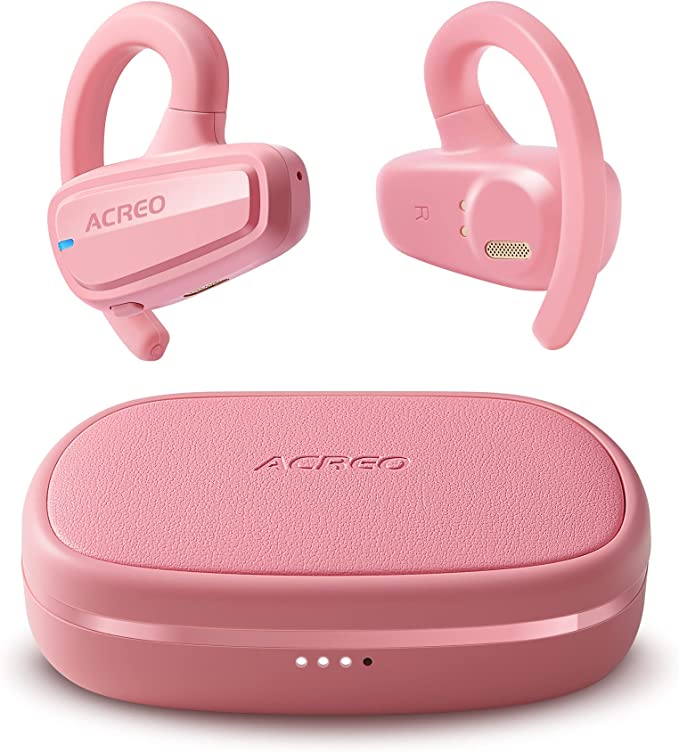
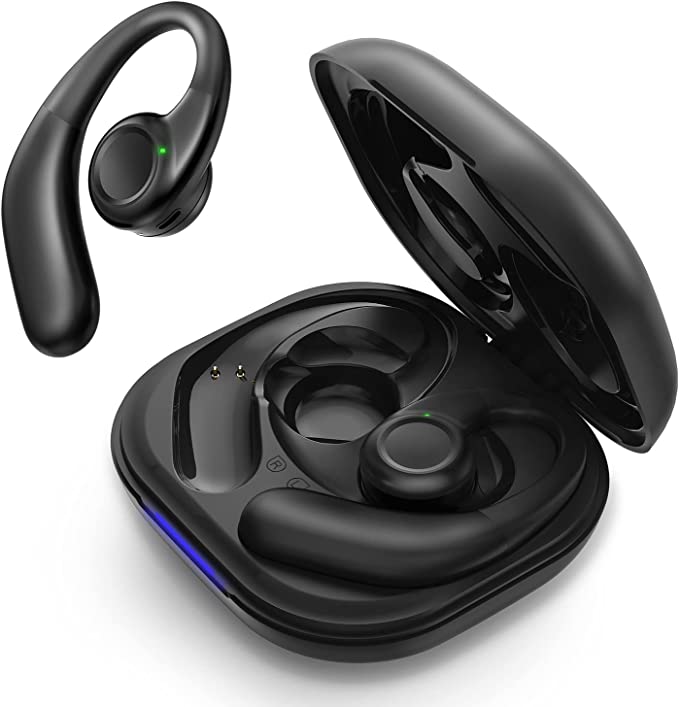
The FREEDOTS C1 utilizes what they brand as OPEN VOICE™ technology. In engineering terms, this is a dipole speaker array. Unlike bone conduction, which bypasses the eardrum, these units fire focused sound waves directly into the pinna (outer ear) (Mechanism). This approach leverages the ear’s natural funneling ability, preserving the “airiness” and high-frequency detail that bone conduction physically dampens.
Acoustic Leakage Control
The primary engineering challenge with air conduction is leakage—everyone around you hearing your playlist. To combat this, the C1 likely employs phase cancellation principles (Physics). By projecting a primary wave into the ear and a secondary, inverted wave outwards, the sound pressure cancels out at a distance, isolating the audio bubble to the user’s immediate proximity (Nuance). However, physics is stubborn; at volumes above 70%, some leakage is inevitable compared to sealed in-ear monitors (Challenge).
Field Note: Because these rely on air conduction, the perceived bass response is highly dependent on alignment. If the C1 sounds “tinny,” do not just turn up the volume. Use the hinge to angle the driver output 5 degrees closer to your ear canal entrance. This small vector change can increase perceived bass by 3dB without draining extra battery.
Ergonomic Thermodynamics
Comfort is not just about softness; it is about heat management. Traditional earbuds create a “occlusion effect,” trapping body heat. The C1’s 11g chassis hovers over the ear, maintaining an open loop with the ambient environment (Data).
The Heat Dissipation Factor
For runners and cyclists, this design facilitates convective cooling of the ear cartilage. There is zero heat buildup within the canal, which significantly lowers the rate of perceived exertion during high-intensity interval training (Scenario). You are not just hearing the world; your body is thermally interacting with it naturally.
The 120° Hinge Logic
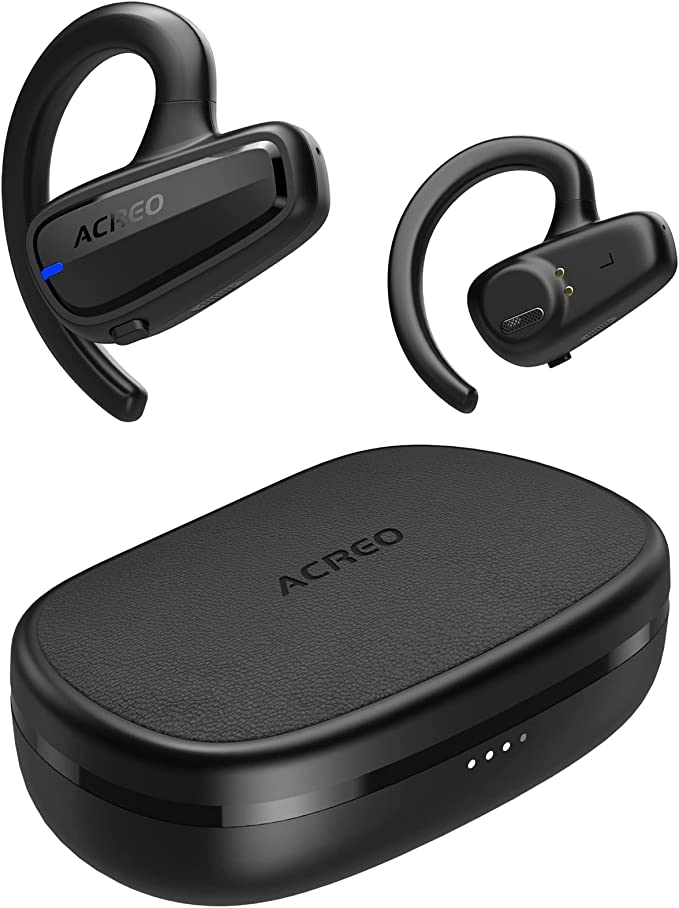
Human ears are non-standard biological geometries. A rigid ear hook often leads to pressure points on the helix or mastoid bone. The COMFORT TURN™ system allows for a 120° rotational variance, accommodating different ear sizes and shapes (Thesis). This is a critical mechanical inclusion. It transforms the device from a static clamp into an adaptable fixture. However, moving parts introduce mechanical wear points—a topic we will dissect in the durability analysis (FMEA Tease).
TCO Analysis: * Initial Cost: ~$109.59 * Hygiene Savings: By avoiding canal occlusion, users prone to otitis externa (swimmer’s ear) may save on medical visits and antibiotic drops. * Battery Lifecycle: With 8 hours per charge, the cycle count accumulation is slow. Expect 2-3 years of usable battery health before degradation becomes noticeable. * Hidden Cost: The lack of replaceable ear hooks means a snapped hinge renders the unit e-waste.

The Safety Bandwidth
The ultimate value proposition of the C1 is “Auditory Transparency.” In urban environments, isolation is dangerous. Electric vehicles, for instance, are notoriously quiet at low speeds.
Signal-to-Noise Ratio (SNR) in Reality
With the C1, your SNR is balanced. You can listen to a podcast at 60dB while still registering a car horn at 90dB or a bicycle bell at 75dB (Data/Scenario). This is not “Pass-Through” mode on noise-canceling headphones, which is a digital recreation of sound. This is raw, uncompressed acoustic reality. There is no latency between the car honking and you hearing it, a split-second difference that digital transparency modes sometimes struggle with (Nuance).
The Bass Trade-off
It is crucial to set expectations: you cannot cheat physics. Without a seal to pressurize the ear canal, sub-bass frequencies (below 60Hz) dissipate rapidly into the air (Physics). If you are a “bass head” looking for skull-rattling drops, this device will fail you. But for vocals, podcasts, and acoustic tracks, the mid-range boost noted by users like Nila (“voices very clearly”) is a direct benefit of this open acoustic design (User Voice).