The Athlete's Advantage: Why Physical Buttons on Sport Earbuds Are a Feature, Not a Flaw
Update on Nov. 14, 2025, 8:36 p.m.
In the world of consumer electronics, “sleek,” “minimalist,” and “touch-sensitive” have become the holy trinity of modern design. Physical buttons are often seen as a relic, a clunky necessity on the path to a seamless, button-free future. But in the demanding arena of sports and fitness, this pursuit of minimalism often betrays the user. For an athlete, a satisfying, tactile click can be infinitely more valuable than an elegant but unreliable swipe.
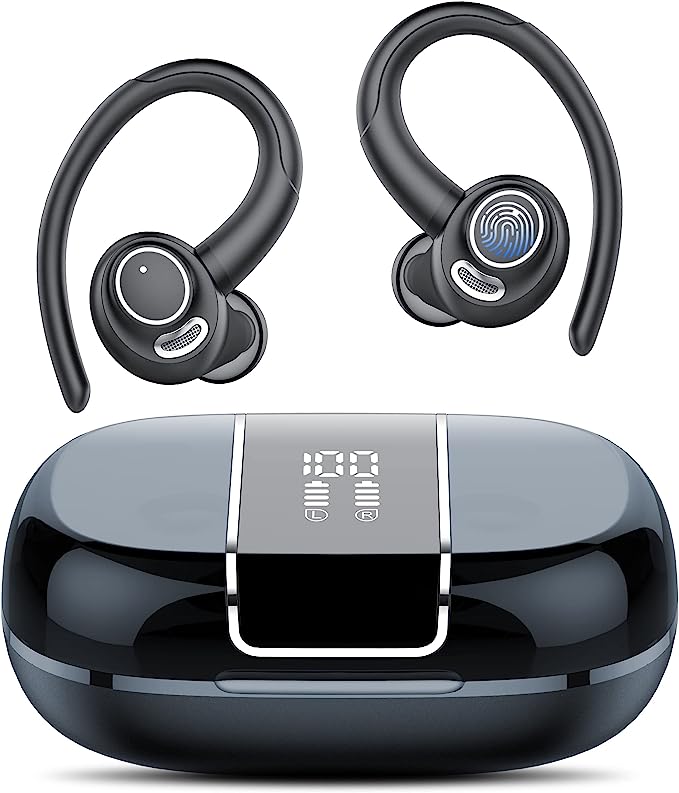
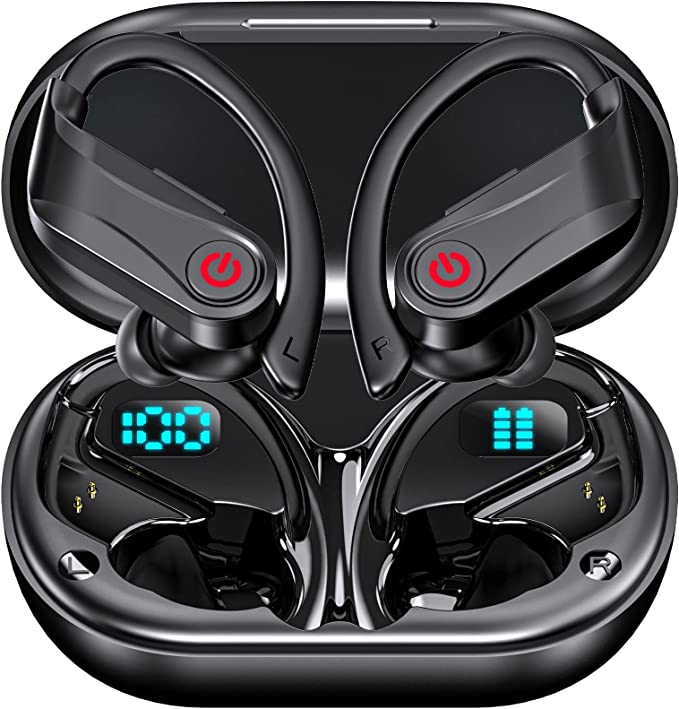
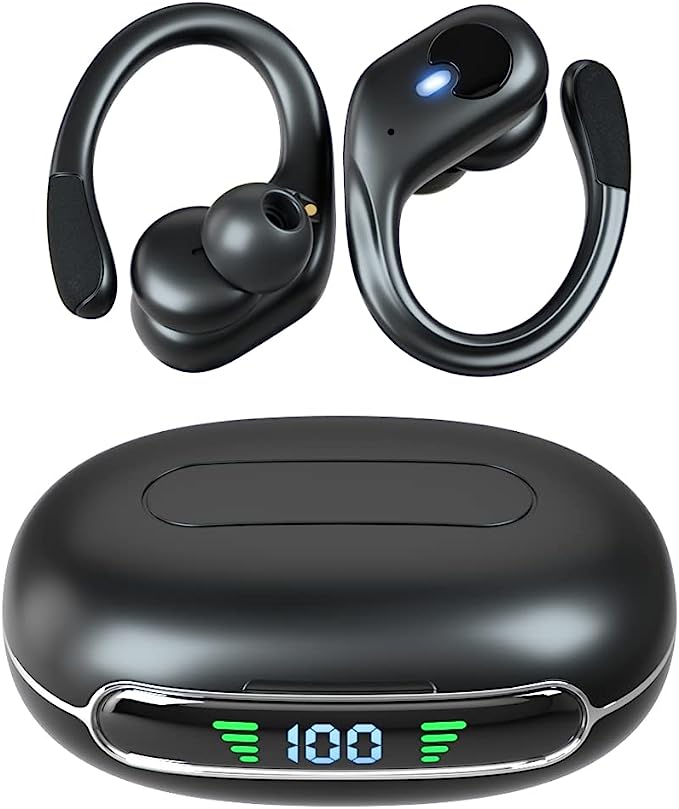
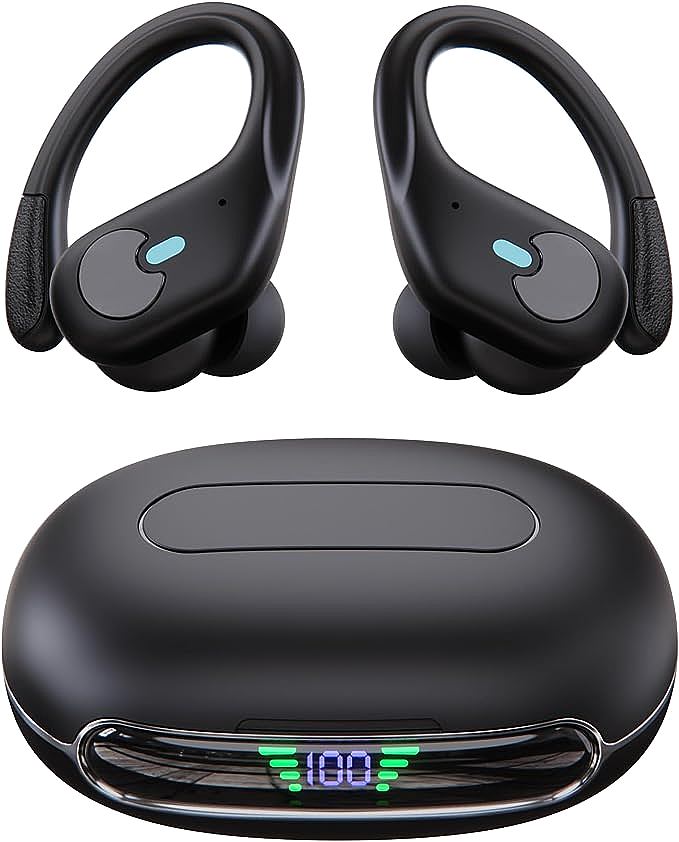
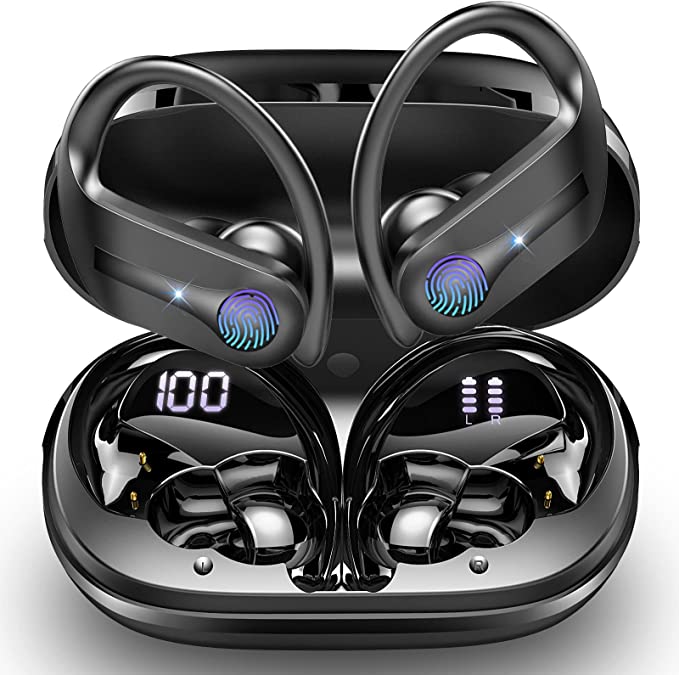
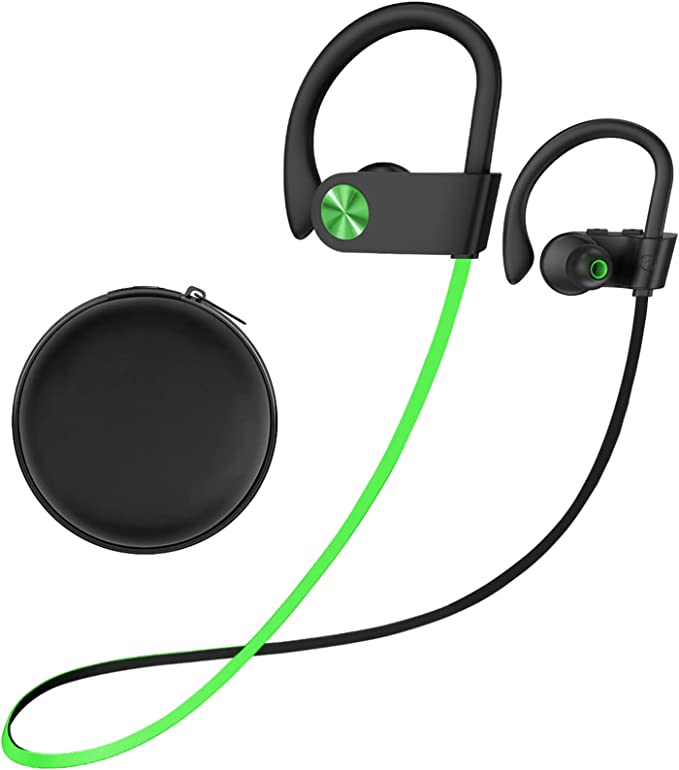
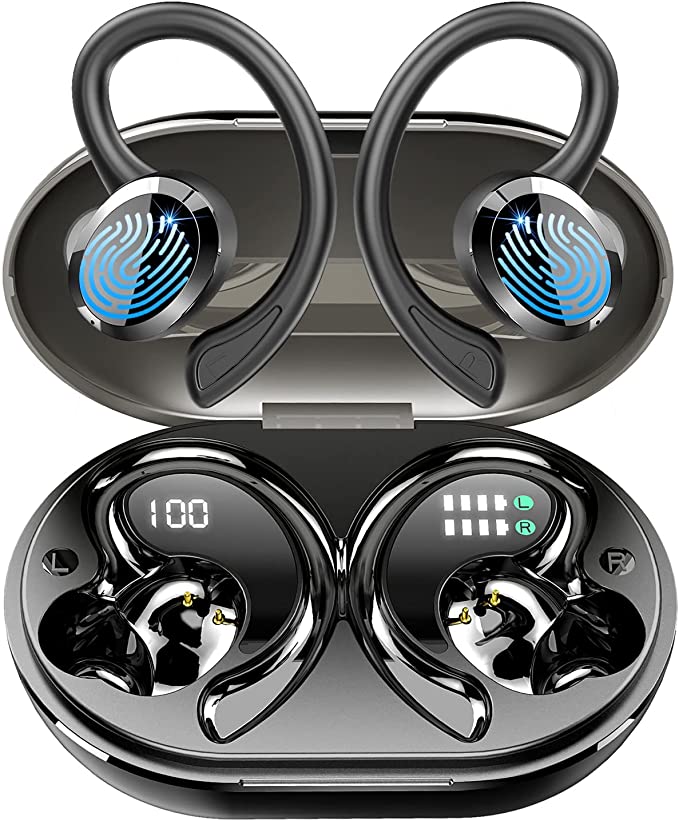
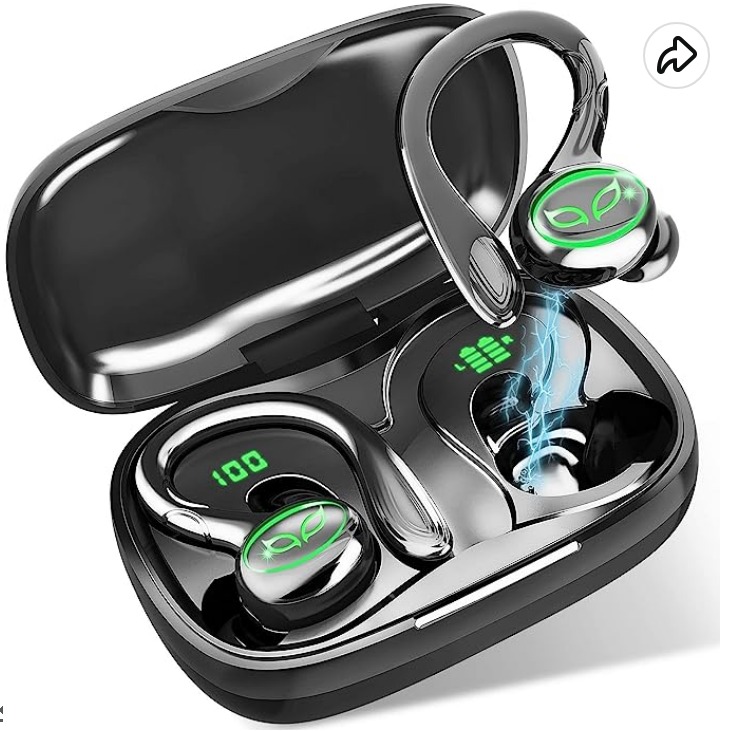
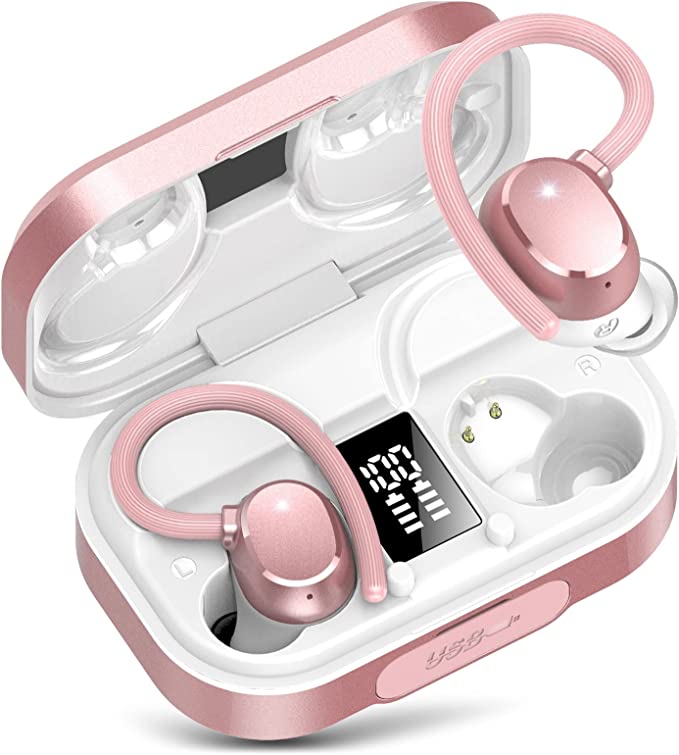
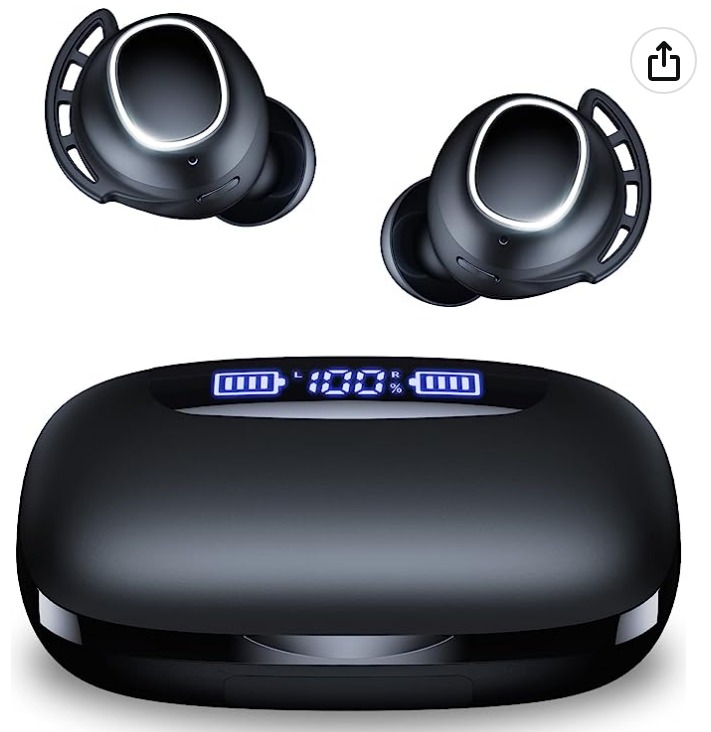
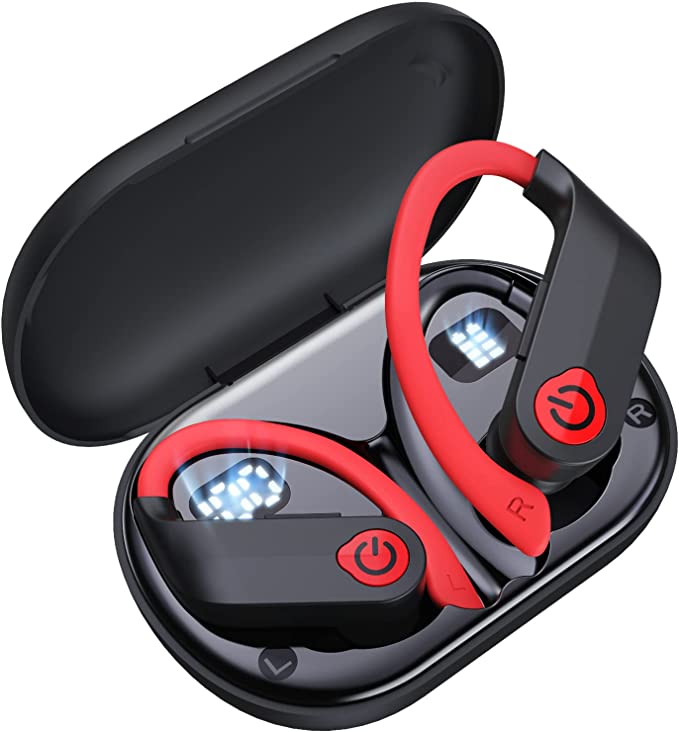
This is a story about a design philosophy that prioritizes function over form, and reliability over fleeting trends. It’s about understanding why, for a true sport earbud, a physical button isn’t a sign of being outdated—it’s a mark of intelligent, purpose-built design. By examining a product celebrated by tens of thousands of users for its performance during exercise, like the APEKX BE1032 True Wireless Earbuds, we can decode the two pillars of reliability that every athlete should demand from their audio gear.
Pillar 1: Structural Reliability – The Unbeatable Ear Hook
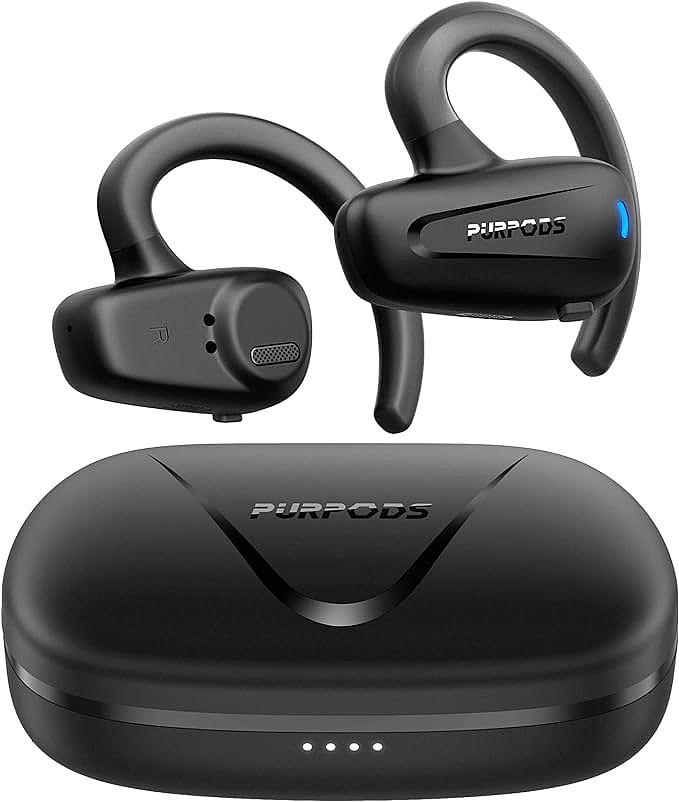
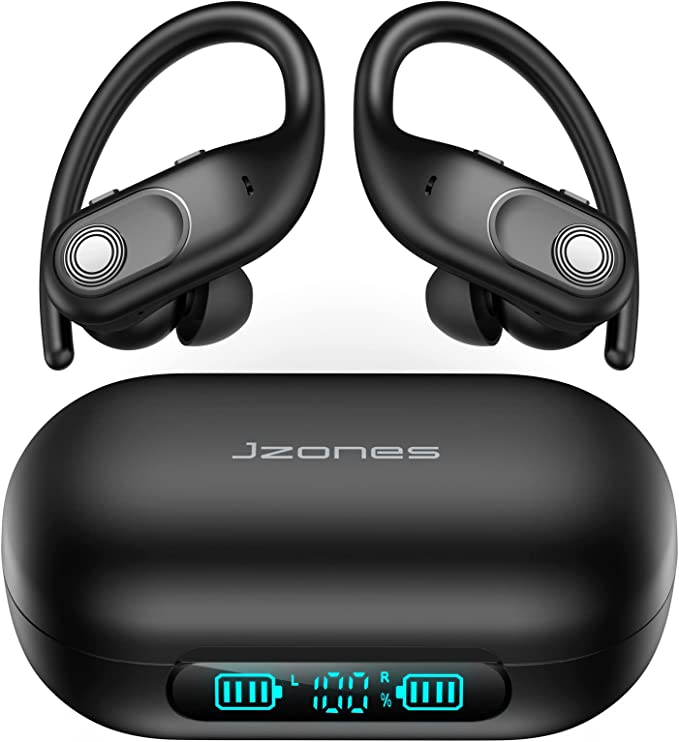
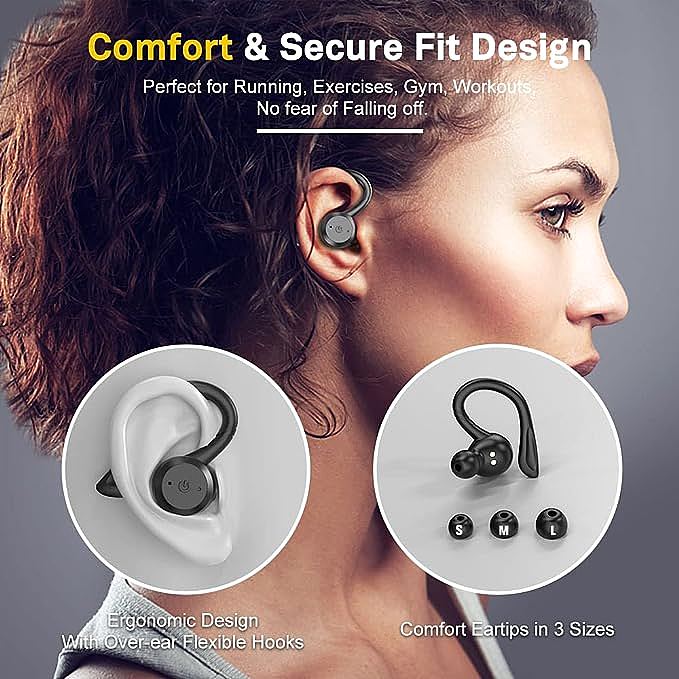
The first challenge any sport earbud must overcome is the relentless force of motion. A standard earbud that relies on simple in-ear friction will almost inevitably fail during a high-impact workout. The solution is rooted in basic ergonomics and physics: the ear hook.
An ear hook is not just a piece of plastic; it’s a structural anchor. By looping over the top of your ear, it creates a secure, load-bearing point of contact that works with your body’s own anatomy. It counteracts the multi-axis forces of running and jumping, ensuring the earbud remains perfectly in place. This is the pillar of structural reliability. When thousands of users report that their earbuds “stay firmly” and “don’t fall out no matter how much you move,” they are validating the success of this fundamental design choice.
Pillar 2: Interactional Reliability – The Case for the Humble Button
Here lies the most overlooked, yet critical, aspect of sport headphone design. In the quest for a sleek profile, most modern earbuds have adopted capacitive touch controls. They work by sensing the tiny electrical charge in your fingertip, which disrupts an electrostatic field on the earbud’s surface. In a dry, clean office, this is an elegant solution.
In a gym or on a running trail, it’s a recipe for frustration.
The problem is simple: water is conductive. Sweat, rain, or even the condensation in a steam room can disrupt that same electrostatic field, causing the earbuds to register “ghost” touches. This is why your music mysteriously pauses, skips tracks, or your volume suddenly maxes out the moment things get sweaty. As one insightful user discovered, “Touch sensitive technology reacts to water… It was SO annoying!”
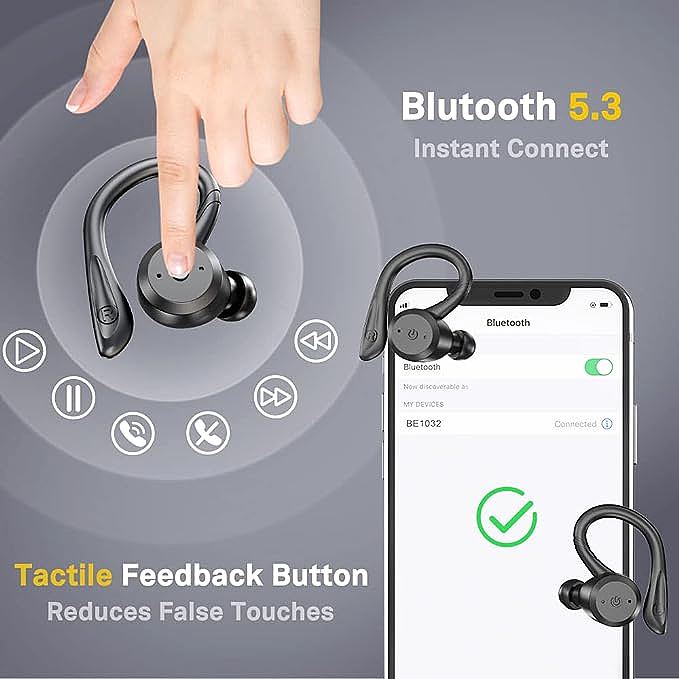
This is where the humble physical button reveals itself as a superior piece of engineering for athletic use. A physical button is a binary, mechanical switch. It offers: * Unambiguous Input: It is either pressed or it is not. There is no ambiguity. Water and sweat cannot accidentally trigger it. * Tactile Feedback: The satisfying click provides confirmation that your command has been registered, something you can feel even through gloves or with numb fingers in the cold.
Choosing physical buttons, as seen on the APEKX BE1032, is a deliberate design trade-off. It sacrifices a degree of minimalist aesthetics for a massive gain in real-world reliability. It acknowledges that for an athlete, the certainty of a command is more important than the elegance of its execution.
The Supporting Foundation: Waterproofing and Power
These two pillars of reliability are supported by a foundation of durability. An IPX7 waterproof rating is the shield that makes this entire design philosophy viable. It ensures that the device can withstand not just the sweat that disrupts touch controls, but full immersion, protecting the internal electronics from the corrosive effects of moisture. It’s the guarantee that allows you to train in any weather without fear of equipment failure.
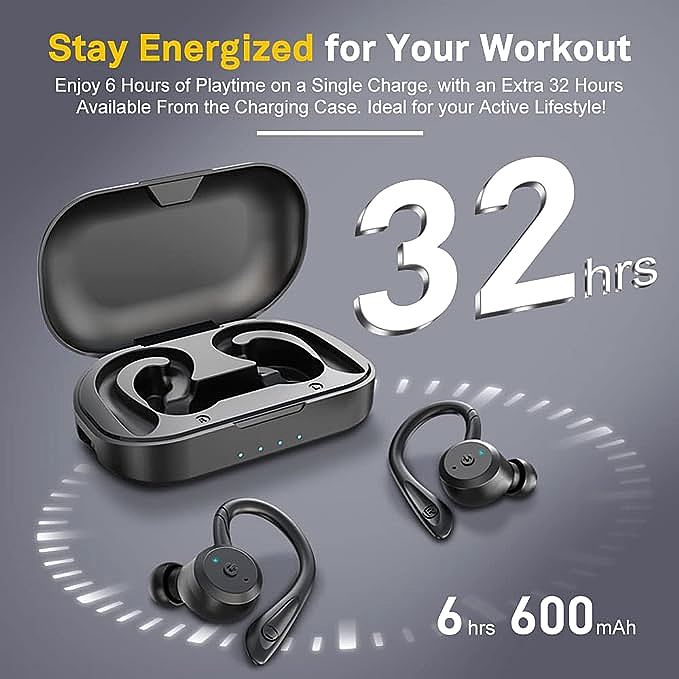
Finally, adequate battery life ensures that this reliable system is ready when you are. A portable charging case that provides multiple recharges for a total of over 20 hours of playtime means your training partner won’t quit before you do.
Conclusion: A Philosophy of Purpose-Built Design
In the end, choosing the right sport headphones is about understanding the philosophy behind their design. Are they built for an idealized, sterile world, or are they built for the chaotic, sweaty reality of a workout?
The success of a product that proudly features ear hooks and physical buttons is a powerful message from the market: for athletes, reliability is the ultimate feature. The structural security of an ear hook and the unambiguous certainty of a physical button are not flaws or old-fashioned compromises. They are a competitive advantage. They are a testament to a design philosophy that understands its user, respects the environment of use, and delivers a product that simply works when it matters most.