Energy Autonomy: The Physics of 90-Hour Endurance and Acoustic Scale
Update on Dec. 20, 2025, 10:37 a.m.
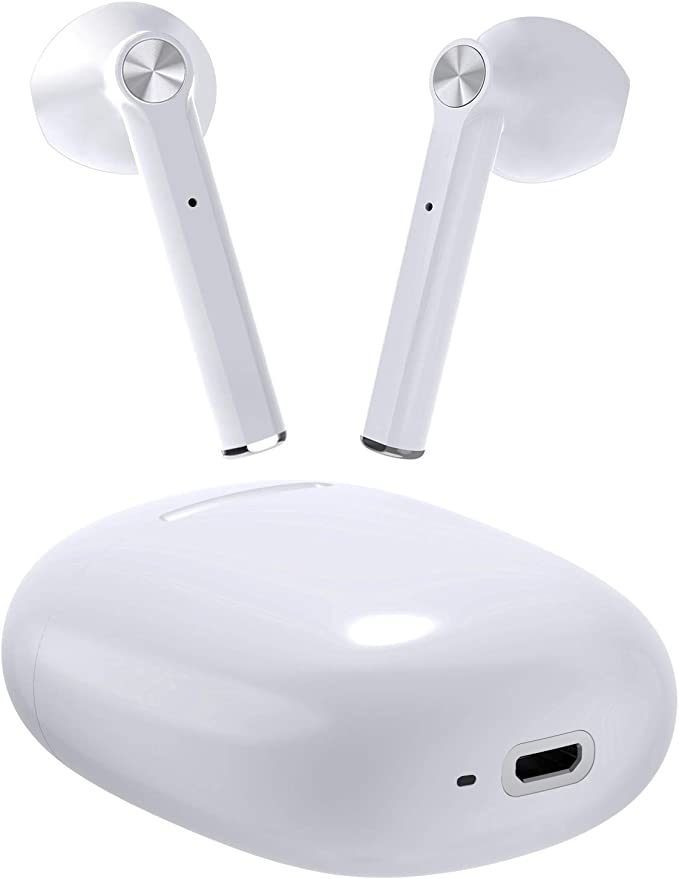
In the hierarchy of needs for portable electronics, battery life sits at the base of the pyramid. Without power, the most sophisticated drivers and algorithms are inert silicon. For years, the industry standard for True Wireless Stereo (TWS) earbuds hovered around 24 hours of total playback. This necessitated a ritualistic, almost daily charging habit. However, a shift is occurring. Devices like the OFNEX X19 are pushing the envelope to 90 hours, fundamentally altering the user’s relationship with energy.
This leap isn’t just about a bigger battery; it’s about “Energy Autonomy.” It represents a threshold where the device detaches from the wall outlet for weeks at a time, shifting the cognitive load of “charging management” from a daily chore to a monthly afterthought.
The Math of Endurance
Achieving 90 hours requires a holistic approach to efficiency. It starts with the Bluetooth 5.3 protocol, which drastically reduces the power consumption of the radio chipset during standby and transmission. But the heavy lifting is done by the charging case.
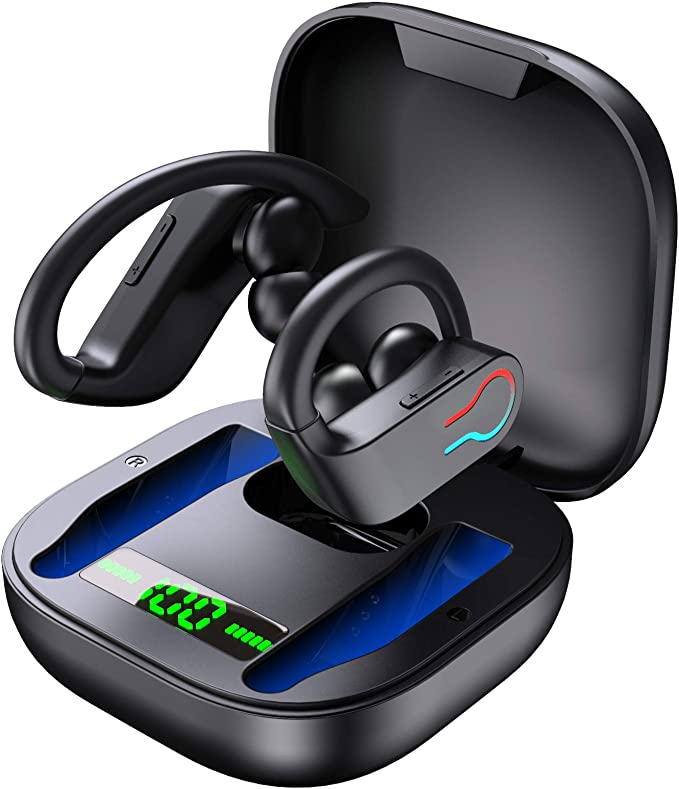
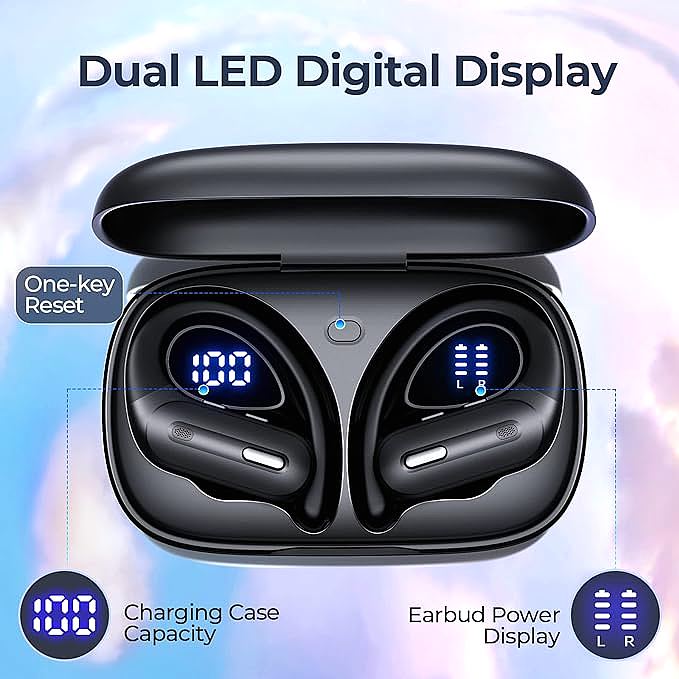
By adopting an over-ear hook design, the X19 gains a slightly larger volumetric footprint compared to tiny in-ear dots. This extra space allows for a significantly larger Lithium-Polymer cell in the case. The result is a power bank that can recharge the earbuds over 10 times. When combined with the visual feedback of a Dual LED Display, this system provides total transparency. Users can see the exact percentage of the “fuel tank,” eliminating the guesswork that often leads to premature charging or unexpected dead batteries.
Macro-Acoustics: The 14.2mm Advantage
While battery life provides the “time,” the driver provides the “experience.” In the realm of sport audio, there is a constant battle against wind noise and the lack of a perfect seal (which is often intentional for safety). This leaks low frequencies, making music sound tinny.
To combat this physics problem, the X19 employs a massive 14.2mm Driver. To put this in perspective, typical earbuds use 6mm to 10mm drivers. The surface area of a 14.2mm diaphragm is nearly double that of a 10mm unit. This allows it to move a much larger volume of air with every stroke.
This “Macro-Acoustic” approach compensates for the loose seal by simply generating more sound pressure, particularly in the bass register. Combined with a Dual-Chamber design, which physically separates the bass resonance from the mid/high frequencies to prevent muddying, this setup delivers a “Hi-Fi Stereo” experience that retains impact even in open environments. It’s a brute-force engineering solution to a delicate acoustic problem, and for sports, it works.