Why Your Commute Deserves Its Own Playlist


Able Planet BT400B Headphones
In 1920, hobos riding freight trains created songs about their journeys. They called it "riding the rails," and their ballads spoke of a peculiar psychological state—the liminal space between where you were and where you were going. Songs like "Big Rock Candy Mountain" weren't just entertainment; they were psychological technology, a way to transform the monotony of endless tracks into something bearable, even magical.
The hobo folk tradition understood something that science has only recently begun to explain: transit creates a unique psychological space, neither here nor there, and that space demands its own soundtrack.
In 2026, professionals in hybrid work schedules curate playlists for their morning commutes. They call it "my transit playlist," and their songs serve the same fundamental purpose: to transform passive transit into something meaningful. These two groups never met across a century of human history, yet they faced identical psychological challenges and independently discovered the same solution.
Audio as a threshold between worlds.
A Visual History of Transit Audio
From hobo freight trains to modern electric buses, audio has always accompanied human transit.

The science of how music affects the commuting brain reveals why your playlist matters.
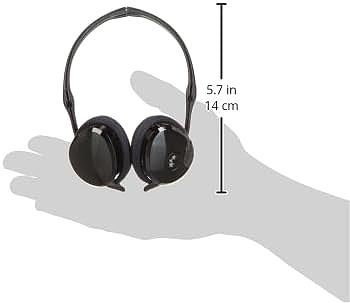
Modern audio technology enables the psychological benefits that decades of research have documented.
The commute represents one of humanity's most peculiar daily rituals. It is neither here nor there—it is the bridge between the private self and the public self, between home and work, between who you were last night and who you will become at your destination. Research from Edison Research reveals that 97% of commuters listen to audio during their travels, consuming an average of 87 minutes of audio content daily. This isn't mere entertainment; it is a deliberate act of psychological engineering.
Yet most commuters treat their audio choices as an afterthought, throwing on whatever playlist randomly surfaced or surrendering to the algorithmic suggestions of some streaming service. This approach wastes a remarkable opportunity. The commute is not dead time to be endured; it is prime psychological real estate to be optimized.
This essay argues that the commute deserves something more deliberate: its own curated playlist, designed with the same intentionality that we might apply to a workout routine or a meditation practice. The science behind this claim spans cognitive psychology, neuroscience, transportation safety research, and a century of cultural evolution—all pointing toward the same conclusion.
The commute playlist is not a luxury. It is a cognitive tool, a safety device, and a portal to what psychologists call "flow state." To understand why requires a journey through the science of how music transforms the commuting brain—and why your particular commute deserves its own carefully constructed audio experience.
A Century of Transportation Soundtracks
The connection between transportation and music runs deeper than most people realize. Transportation planners at Kittelson & Associates have documented how music has accompanied human travel for over a century, evolving alongside the modes that carry us from place to place. This historical perspective reveals that our current moment is not revolutionary but rather the latest iteration of a very old human pattern.
The railroad era of the 1920s and 1930s gave birth to hobo folk songs—ballads sung by wandering workers who rode freight trains in search of employment. These weren't simply songs about travel; they were songs created during travel, in the unique psychological space that transit creates. The hobos understood instinctively what researchers would later confirm: the experience of transit shapes the music we create and consume within it.
Consider "Big Rock Candy Mountain," perhaps the most famous hobo folk song. The lyrics describe a fantastical place where "the bluebirds sing" and "the streams are full of fish," offering relief from the harsh reality of boxcar travel. But the song's power came not from escapism alone but from its relationship to the physical experience of transit. The rhythmic quality of the melody mimics the gentle rocking of a moving train, creating an audio experience that harmonizes with the physical sensation of travel. This wasn't coincidental; it was sophisticated psychological engineering by people who understood their environment intimately.
The fiddle tempo of "The Orange Blossom Special" represents another fascinating example. This instrumental piece, composed by Ervin Ruse in 1938, deliberately mimics the rhythm and sounds of a moving train—the clacking of wheels on track joints, the whistle's call, the rhythmic pulse of the engine. The music doesn't compete with the experience of train travel; it collaborates with it, creating a layered sensory experience that transforms otherwise monotonous motion into something rich and engaging.
The public transit era of the 1940s brought different sounds to different travelers. Duke Ellington's "Take the A Train," composed in 1939, celebrated the New York City subway as a symbol of community and opportunity. The song's swinging rhythm and optimistic melody reflected the energy of urban transit at its peak—millions of Americans riding trains together, creating a shared rhythmic experience that synchronized their daily lives. Meanwhile, "The Trolley Song," popularized by the MGM chorus in 1944, captured a nostalgic romance with public transit that would later fade with the rise of the automobile. These songs reflected something important: the commute was becoming a shared cultural experience, a daily ritual that millions of Americans performed together, and music helped make that ritual meaningful.
The automobile era of the 1950s and 1960s transformed music listening from a shared public experience into a deeply personal one. With the advent of car radios and eventually personal cassette players, commuters no longer had to share their audio experience with fellow travelers. The car became a mobile private space, and music became its soundtrack. Beach Boys songs like "I Get Around" celebrated this newfound automotive freedom, reflecting the consumer culture and suburban expansion that defined the era.
The shift from communal transit listening to personal automotive audio was psychologically significant. When you listen to music on a train, you're aurally immersed in a shared acoustic environment—your music mingles with the sounds of other passengers, the announcements, the mechanical rhythms of transit. When you listen in your car, you create an acoustic bubble, isolated from other travelers but connected to your own psychological experience. This shift opened new possibilities for commute audio as personal psychology while losing something of the communal ritual that had characterized earlier transit experiences.
The energy crisis of the 1970s brought a temporary shift. Songs like "Midnight Train to Georgia" reflected a more complicated relationship with travel, as fuel shortages forced Americans to reconsider their transportation choices. The train, once obsolete, began its slow return as an alternative to expensive gasoline. The musical culture of transit evolved accordingly, with artists beginning to explore themes of return and homecoming that would become more prominent in subsequent decades.
The rise of the personal stereo in the 1980s—pioneered by Sony's Walkman—created another revolution in transit audio. For the first time, commuters could carry their entire music collections with them, creating personalized soundtracks for every journey. This democratization of audio choice meant that commute playlists could now be truly individual, reflecting personal taste rather than whatever the car radio happened to be playing or what the train's shared speakers broadcast.
Today, the streaming era has made the commute playlist effectively infinite. Services like Spotify and Apple Music provide access to tens of millions of songs, while algorithmic recommendation systems attempt to predict what commuters might want to hear. The hybrid work revolution has further transformed the landscape. According to cultural analysts at Mr. Pop Culture, the commute has shifted from "endless survival" to "opening credits"—a rare moment of transition that hybrid workers, now commuting less frequently, have begun to consciously curate.
When you commute every day, it becomes invisible routine, something your brain processes automatically without active attention. When you commute twice a week, it becomes a deliberate threshold worth soundtracking properly. The rarity transforms the psychological meaning. A commute that felt like prison sentence when endured daily becomes something almost ceremonial when experienced only occasionally—and that ceremonial quality demands appropriate audio curation.
This historical evolution reveals something profound: humans have always sought to enhance the transit experience through audio. The technology has changed—from hobo ballads to streaming services—but the fundamental psychological need remains constant. We want our commutes to be more than just travel. We want them to be experiences.
What Music Does to the Commuting Brain
To understand why music so powerfully transforms the commute experience, we need to examine what happens in the brain when we listen to audio during transit. Cognitive science has provided us with remarkably detailed answers, revealing that the commute playlist is not merely pleasant background but active cognitive technology.
Research published in Cognitive Research: Principles and Implications (Springer Nature, 2025) examined how background music impacts cognitive task performance, introducing the concept of "sonic energy"—the physiological arousal that music creates in listeners. This research distinguishes between low-arousing music (calming, ambient sounds) and high-arousing music (energetic, upbeat tracks), demonstrating that both types increase physiological activation while enhancing pleasure during task execution.
The implications for commute research are significant. Both calming and energizing music can improve cognitive performance during transit—the key is matching the type of music to the demands of the commute. A stressful, high-traffic morning commute might benefit from calming music that reduces frustration and maintains steady attention. A monotonous late-night drive home might benefit from more energizing music that counteracts drowsiness.
The study found that music's arousal properties interact with task demands to mobilize cognitive resources effectively. This finding challenges the common assumption that any music is better than no music for commute cognitive performance. The research suggests that appropriate music—matched to the specific psychological needs of the commute—significantly outperforms arbitrary music selection.
Consider what happens neurologically when you're stuck in traffic and decide to put on some music. As the first notes reach your ears, your auditory cortex begins processing the acoustic information—the melody, rhythm, harmony, and timbre of the music. But almost simultaneously, other brain regions become engaged. The limbic system, responsible for emotional processing, evaluates whether the music is pleasant or unpleasant, triggering appropriate emotional responses. The prefrontal cortex, hub of executive function, integrates the musical experience with your ongoing situation—recognizing that you're in traffic, that you might be late, that you need to maintain attention.
Meanwhile, the mesolimbic pathway—your brain's reward center—begins releasing dopamine when the music provides pleasure. This neurotransmitter doesn't just make you feel good; it also enhances memory consolidation and attention, making you more likely to remember what you're hearing and more capable of sustained focus. The dopamine release is particularly pronounced for music that creates anticipatory pleasure—when you know a favorite part is coming and your brain responds to that anticipation with elevated dopamine levels.
The commute is, fundamentally, a cognitively demanding task requiring sustained attention. Whether driving or riding public transit, commuters must maintain awareness of their surroundings, process constant streams of visual and auditory information, and make split-second decisions when unexpected events occur. This cognitive load creates stress on the attentional systems that evolved for simpler environments.
The research demonstrates that background music, when properly selected, can actually improve performance on these attention-demanding tasks. Music creates what psychologists call "cognitive migration"—a shifting of mental resources from internal distracting thoughts to external musical engagement. When you're focused on an engaging playlist, you're less likely to ruminate on the stress of traffic or wander mentally into unproductive territory.
The concept of "masking" explains part of how music helps. Traffic sounds, passenger conversations, construction noise, and the mechanical sounds of transit vehicles all compete for your attentional resources. Music—particularly music with steady rhythmic patterns—creates an acoustic mask that covers these distractions, reducing their effective interference with your cognitive processing. This is why the research found that 80% of surveyed workers reported that listening to music increased their productivity by masking external distractions.
But the benefits go beyond simple masking. The rhythmic structure of music actually entrains brain waves, synchronizing neural activity to the tempo of what you're hearing. This entrainment can enhance cognitive performance in specific ways. Faster tempo music tends to increase physiological arousal—elevating heart rate, breathing rate, and alertness. Slower tempo music can promote relaxation and reduce stress hormones like cortisol. The commuter who strategically selects music based on their route's demands is essentially programming their own neurochemical response.
The research on word production fluency is particularly interesting for commuters who navigate complex routes with frequent turns or freeway merges. The study found that background music improved executive control-related attentional abilities and word production fluidity. While "word production" might seem irrelevant to driving, it actually reflects a broader cognitive function: the ability to rapidly access and deploy learned information. Navigating complex traffic situations requires precisely this kind of cognitive flexibility—the ability to quickly access learned responses and apply them to novel situations.
For commuters, these findings have practical implications that extend beyond simple playlist curation. The next time you're stuck in traffic, consider what your audio choices are doing to your brain. That randomly shuffled playlist might be working against you, creating cognitive dissonance rather than the focused alertness that safe driving requires. But a deliberately curated commute playlist—one that matches your route, your time of day, and your psychological needs—can transform your brain from a distracted mess into a finely tuned processing machine.
The neuroscience is clear: music is not passive background entertainment. It is active cognitive technology, shaping neural activity in real-time to optimize mental states for the demands of transit.
The Self-Therapy Hypothesis
Psychologists have long been fascinated by why humans spend so much time and energy listening to music. This question has occupied researchers for decades, generating a substantial body of literature on the psychological functions of music listening. A comprehensive review published in Frontiers in Psychology identified three distinct psychological dimensions that explain music listening behavior: regulating arousal and mood, achieving self-awareness, and social relatedness.
Of these three, arousal and mood regulation emerged as the most important functions—precisely the functions most relevant to the commute experience. This finding aligns with everyday observation: when people describe why they listen to music during commutes, they typically mention wanting to feel better, stay alert, or relax—precisely the mood and arousal regulation that the research identifies as primary functions.
The concept of "self-therapy" appears repeatedly in transportation research, describing how commuters use music to treat their own psychological states without professional guidance. A study published in the International Journal of Environmental Research and Public Health examined in-vehicle music listening and driving performance, finding compelling evidence that music serves as a form of self-administered therapy for commuters. The researchers documented how music listening mitigates boredom and drowsiness—two states that pose significant risks to driver safety—while simultaneously reducing stress and improving emotional states.
The self-therapy function operates through several mechanisms. Most directly, music influences autonomic nervous system activity, affecting heart rate, breathing rate, and the release of stress hormones. Upbeat music typically increases heart rate and breathing, activating the sympathetic nervous system responsible for the "fight or flight" response. Calming music does the opposite, activating the parasympathetic nervous system that promotes relaxation and recovery. Commuters can deliberately leverage these physiological effects by selecting music appropriate to their needs.
The psychological mechanisms are equally powerful. Music provides what researchers call "emotional containment"—a way to process and regulate difficult feelings without suppressing them or being overwhelmed by them. When you're frustrated in traffic, listening to angry music doesn't increase your anger—it provides a structured way to experience and release that anger, allowing you to process the emotion rather than letting it build unaddressed. When you're anxious about an upcoming meeting, calming music provides a soothing counterweight that gradually reduces the anxiety.
What makes the self-therapy hypothesis so compelling is its universality. The research found that automobiles have become the most popular location for music listening in recent decades, surpassing homes, offices, and all other environments. This is not coincidental. The commute creates a unique psychological space—isolated from others (at least psychologically), yet simultaneously engaged with the demands of navigation and safety. In this space, music becomes the ideal therapeutic tool: present enough to affect mood, yet not demanding enough to distract from the primary task of transit.
The commute is fundamentally a transitional experience, carrying us from one psychological state to another. In the morning, we transition from the relaxation of home to the alertness required for work. In the evening, we transition from the demands of work to the decompression of home. These transitions are psychologically demanding—they require us to restructure our mental models, adjust our emotional registers, and prepare for fundamentally different types of engagement.
Music facilitates these transitions by providing a soundtrack for introspection and psychological restructuring. The research on self-awareness—the second dimension identified in the psychology literature—describes how music listening allows commuters to reflect on their internal states, process emotions, and prepare psychologically for what lies ahead. The morning commute becomes a transition from the private self (just awakened, still in home mode) to the public self (ready to engage with colleagues and challenges). Music provides a scaffold for this psychological restructuring.
Social relatedness, the third dimension, operates differently in the commute context. While commuting is typically a solitary activity, music connects commuters to broader social worlds. The playlist you choose reflects and reinforces your social identity. The music of your commute tells a story about who you are, who you aspire to be, and which social groups you identify with.
When you create a commute playlist, you're not just selecting songs—you're curating an identity. The research shows that people use music choices to signal group membership, express values, and manage how others perceive them. Even when alone in your car, you're constructing a social identity that will influence how you engage with the world upon arrival at your destination.
The implications for commute playlist design are significant. Effective commute music is not simply "music you like"—it is music that serves these psychological functions deliberately. A commute playlist should be designed to regulate your arousal level appropriately for the time of day, to process the emotions of your morning or evening transition, and to express the identity you want to bring to your destination.
Consider the difference between a morning and evening commute. Morning transit requires alertness, mood elevation, and psychological preparation for the day ahead. High-energy, upbeat music often serves this function well, providing the physiological activation that helps shake off sleep and the emotional positivity that sets expectations for the day. Evening transit, conversely, often requires decompression, emotional processing, and psychological transition back to home mode. More mellow, reflective music may serve this function better, allowing the accumulated stresses of the workday to be processed and released.
The same person might need dramatically different music for these two contexts—yet how many commuters use the same shuffle for both? The self-therapy hypothesis suggests that this one-size-fits-all approach wastes significant therapeutic potential.
The self-therapy hypothesis also explains why commute playlists should evolve over time. As your life circumstances change—new job, new relationship, new stressors—the therapeutic needs of your commute change correspondingly. Music that served you well during one life phase may no longer serve the same function. The commuters who benefit most from audio are those who regularly reconsider and revise their playlists based on their current psychological needs.
This is why the "random shuffle" approach to commute audio so often fails. Shuffled playlists ignore the specific therapeutic needs of the commute context, serving up songs that may be individually enjoyable but collectively incoherent as a psychological tool. A proper commute playlist requires intentionality—understanding what you need from your audio experience and selecting music that delivers it.
Against Drowsiness: Music as Fatigue Countermeasure
One of the most significant safety findings in transportation research concerns music's role as a countermeasure against driving fatigue. This has life-or-death implications that every commuter should understand, particularly those with long or monotonous routes.
Transportation Research Part F published a study specifically examining music as a fatigue countermeasure for drivers, and the findings were remarkable. The research confirmed that listening to music while driving is a commonly adopted fatigue-coping strategy—indeed, one that most drivers use instinctively without realizing the scientific basis for its effectiveness. More importantly, the study confirmed that music does have positive acute effects on both objective and subjective measures of driving fatigue.
The objective measures included things like lane position variability, reaction time, and steering precision—concrete metrics of driving performance that can be measured and compared. The subjective measures included driver self-reports of alertness, tiredness, and driving difficulty. In both cases, music produced measurable improvements in driver performance and experience.
The study's findings on what kind of music works best are particularly valuable for commuters seeking to optimize their playlists. High intensity, high tempo, danceable, non-instrumental music tends to be most effective at combating fatigue. This makes intuitive sense: such music increases physiological arousal, elevating heart rate and alertness in ways that directly counteract the drowsiness that makes fatigued driving so dangerous.
The research also introduced the Malleable Attentional Resources Theory (MART), which provides a framework for understanding why music works as a fatigue countermeasure. According to MART, driving requires attentional resources that can be depleted over time, much like a battery running down. When these resources are depleted, drivers become fatigued and performance suffers. This depletion happens faster on monotonous routes—highway driving at constant speed with minimal stimulation—where the brain receives little new information to process and gradually becomes understimulated.
Music, when properly selected, can replenish these resources by providing a form of cognitive stimulation that maintains engagement without competing with the primary task of driving. The key phrase is "without competing"—music that requires active attention to follow (complex classical compositions, podcasts with dense information) might actually increase cognitive load rather than reducing fatigue. Music that provides ambient stimulation with minimal demands on attention—the rhythmic pop song, the familiar track with steady tempo—can maintain engagement without overtaxing the limited resources needed for safe driving.
Consider the implications for long commutes or monotonous routes. Highway driving, in particular, is notorious for inducing drowsiness due to its constant speed, minimal stimulation, and rhythmic engine sounds. The AAA Foundation for Traffic Safety has documented that drowsy driving causes thousands of crashes annually, many of them fatal. Yet many of these crashes might be prevented with something as simple as a properly selected playlist.
The research from the International Journal of Environmental Research and Public Health adds another dimension to this safety picture: crash risk itself appears to be lower when driving with music than without. The mechanisms involve both the arousal effects we discussed (maintaining alertness) and the mood effects (reducing frustration that might lead to risky behaviors like aggressive lane changing or tailgating). Music creates what researchers call a "protective psychological environment" that makes safer driving more likely.
The safety benefits extend beyond the individual commuter. When you drive more alertly, you drive more predictably—maintaining consistent speeds, smooth lane changes, and appropriate following distances. This predictability benefits everyone on the road, reducing the cascade effects where one drowsy driver causes congestion or accidents that affect hundreds of other commuters.
For commuters, these findings suggest several practical applications. First, if you drive a long commute or one that includes monotonous highway segments, your playlist should include high-energy options specifically designed to maintain alertness. This isn't about what music you enjoy most—it's about what music will keep you alive on the road.
Second, you should change your music when you notice yourself becoming drowsy—switching from mellow to energetic audio can serve as an immediate countermeasure, buying you the alertness needed to safely reach your destination or a place where you can pull over and rest. Many drowsy driving crashes occur in the "I'll just push through" mentality; having a playlist ready for this situation provides a practical tool for breaking that dangerous pattern.
Third, the 15-25 minute effectiveness window suggests that longer commutes might benefit from strategic playlist changes, moving from energizing to calming music as you approach your destination. This mirrors the natural arc of arrival—you don't want to walk into a presentation buzzing with high-energy music, nor do you want to pull into your driveway still keyed up from aggressive beats.
The fatigue countermeasure function is particularly important because it addresses one of the most dangerous aspects of commuting: the false confidence that comes with familiarity. Commuters often drive the same route daily, which leads to automaticity—the dangerous assumption that muscle memory can substitute for active attention. You've made this turn hundreds of times; how could anything go wrong?
Music can help break this automaticity, maintaining the cognitive engagement that safe driving requires. When your brain is actively processing musical content, it's better prepared to notice the unexpected—the child who might dart into the street, the car that suddenly merges without signaling, the construction zone that appeared overnight. This is why research on music and driving performance consistently shows that music keeps drivers more alert and more responsive to unexpected events.
The Architecture of the Ideal Commute Playlist
Given everything we've explored about the psychology and neuroscience of commute audio, we can now synthesize the principles that should guide commute playlist construction. Creating an effective commute playlist is not simply about collecting songs you like; it is about architecting a psychological experience with deliberate attention to structure and function.
The concept of "playlist architecture" comes from music psychology research. Effective playlists, like effective stories, have structure—a beginning, development, and ending that create a coherent emotional journey. For commute playlists, this architecture must also account for the physiological journey of transit: the departure from home, the transit itself, and the arrival at destination. The playlist should shape the psychological experience of each phase.
Cultural analysts have proposed a formula for transit playlists that aligns well with the research we've reviewed. The structure includes an "Exit Track" for the first zero to five minutes, a "Build" phase of increasing energy, a "Peak" phase of maximum engagement, and a "Cool Down" phase as you approach your destination. This architecture mirrors the natural arc of the commute experience itself, providing the appropriate psychological scaffolding for each phase.
The Exit Track serves a crucial psychological function that many commuters overlook. Transition research in psychology demonstrates that humans need a psychological "buffer" between different life roles—the private self and the public self don't switch instantly but require a gradual transition. When you arrive at work still mentally "at home," you may struggle with focus and productivity. When you arrive home still mentally "at work," you may struggle with relaxation and connection with family.
The first song or two of your commute playlist should facilitate this transition, gradually drawing your attention away from domestic concerns and toward the task of transit. For morning commutes, this might mean starting with something moderately engaging that gives your brain time to wake up fully. For evening commutes, this might mean starting with something that acknowledges the stress of the workday before gradually transitioning to relaxation.
The Build phase should introduce gradually increasing energy, particularly important for morning commutes when alertness needs to climb throughout the commute rather than hitting maximum immediately. This is where tempo and musical intensity should trend upward, preparing your brain for the cognitive demands ahead. The key word is "gradually"—abrupt shifts from mellow to energetic can actually increase cognitive load rather than reducing it, creating a jarring transition rather than a smooth build.
Research on musical dynamics supports this gradual approach. Music that starts soft and builds to a climax activates more sustained attention than music that begins at maximum intensity. The anticipation of building energy keeps the brain engaged, expecting and preparing for the peak that will eventually arrive. This principle, well-established in music psychology, applies directly to commute playlist design.
The Peak phase represents the psychological high point of your commute, where you want maximum engagement and positive mood. This is typically the middle portion of your commute—after you've built energy but before you need to begin your psychological descent toward arrival. For morning commutes, this might be uptempo music that generates enthusiasm for the day, setting a positive emotional trajectory for what lies ahead. For evening commutes, this might be personally meaningful songs that provide emotional satisfaction, helping you process the day's events.
The Cool Down phase prepares you for arrival, whether at work or home. This phase should feature music that gradually reduces physiological arousal, bringing you to an appropriate state for whatever lies ahead. Research suggests that the final minutes of commute audio significantly impact how well-prepared commuters are for their destination—too much energy and you arrive frazzled, struggling to settle into focused work mode; too little and you arrive disengaged, lacking the activation needed for productive activity.
The cool down is also important for safety. Arriving at your workplace parking lot or home driveway still physiologically activated from high-energy music can lead to rushed parking, distracted transitions into buildings, or failure to notice hazards in the immediate environment. The music you play in the final minutes of your commute should facilitate a smooth psychological landing.
Beyond this temporal architecture, effective commute playlists must account for several other factors. The type of transit matters significantly. Driving requires music with minimal lyrical distraction during complex maneuvers—entering highways, navigating intersections, merging with traffic—but can tolerate more engagement during steady-state highway cruising where cognitive demands are lower. Public transit, where the primary cognitive task is personal safety awareness rather than navigation, can support more complex or emotionally demanding music.
The time of day, as we've discussed, should influence energy levels. Morning and evening commutes have fundamentally different psychological requirements. Your brain needs different musical support at 7:43 AM than at 6:17 PM. This suggests maintaining separate playlists for morning and evening commutes—distinct audio architectures designed for distinct psychological needs.
Your destination matters as well. Music appropriate for arriving at a high-pressure meeting differs from music appropriate for arriving home to relaxation with family. If your morning commute ends in different types of destinations (client meetings versus internal meetings versus creative work), you might even consider destination-specific playlist variations.
Research on music and driving performance provides additional guidance for playlist architecture. Familiar music, studies show, reduces mind wandering during cognitive tasks, likely because it requires less active processing to enjoy and anticipate. This has an interesting implication: commute playlists should heavily feature songs you know well, saving cognitive resources that can be redirected toward the task of transit. New music that you're still learning can be explored during non-commute time, when your full cognitive resources are available for the pleasure of discovery.
The presence of lyrics requires particular attention in commute playlist design. Lyrics engage language processing regions of the brain that might compete with the cognitive resources needed for driving. Research suggests that purely instrumental music creates less cognitive load during complex driving tasks, while lyrics are more tolerable during simpler driving conditions like highway cruising. For commute playlists, this might mean including primarily instrumental tracks during the phases when you're navigating complex traffic, while allowing lyrical songs during more straightforward transit segments.
The ideal commute playlist is thus a deeply personal construction, requiring experimentation and self-knowledge. What energizes you in the morning? What helps you decompress in the evening? How does your route's traffic patterns affect your psychological needs? These questions can only be answered through thoughtful experimentation with your own audio choices.
Keep a commute journal, if you're serious about optimization. Note how different types of music affect your alertness, mood, and arrival state. Over time, you'll develop intuitions about what works for you—and those intuitions, informed by the research we've explored, can guide increasingly sophisticated playlist architecture.
The Technology That Makes It Possible
The psychological and neurological mechanisms we've explored require technological delivery systems to actualize in modern commuting. Understanding audio technology helps explain why certain listening experiences work better than others—and what commuters should demand from their equipment to optimize the psychological benefits of commute audio.
The foundation of modern wireless audio is the Bluetooth Advanced Audio Distribution Profile (A2DP), maintained by the Bluetooth Special Interest Group. This technical standard defines protocols for high-quality stereo audio distribution over Bluetooth connections, enabling the wireless listening experience that modern commuters take for granted. Without A2DP, the wireless commute audio revolution would be impossible.
A2DP specifies the SBC codec as a mandatory baseline for all Bluetooth audio devices. This codec uses perceptual audio coding to compress audio data for wireless transmission, exploiting the limitations of human hearing to reduce file size while maintaining apparent audio quality. SBC is functional and universally supported, but it represents the minimum standard—not the optimal experience.
Beyond SBC, additional codecs offer improved audio quality. AAC (Advanced Audio Coding) provides better performance than SBC, particularly on Apple devices where the codec is hardware-optimized. Qualcomm's aptX family of codecs offers low latency and good quality, making it popular for video synchronization and gaming applications. Sony's LDAC supports the highest bitrates (up to 990 kbps), approaching CD quality in ideal conditions. The choice of codec affects what you hear—particularly noticeable in the subtle details that contribute to musical enjoyment.
For commuters, codec selection affects the final listening experience in ways that go beyond simple sound quality. The compression algorithms used in different codecs have different characteristics—some preserve more treble detail, others maintain better bass response, still others prioritize consistent timing that reduces audio-visual sync issues when watching video content. Understanding these tradeoffs helps commuters make informed equipment choices.
But perhaps more important than codec quality for commuters is active noise cancellation (ANC). This technology has transformed the commute audio experience, and understanding it is essential for optimizing your transit listening. Industry testing reveals that the critical frequency range for transit noise spans 50-300 Hz—covering bus engines, subway rumbles, and HVAC systems that characterize public transit environments. These low-frequency sounds are particularly fatiguing for commuters because they create constant acoustic pressure that requires ongoing psychological processing.
High-quality ANC can reduce noise in this range by 35-40 decibels, effectively transforming a noisy transit environment into a relatively quiet listening space. A 40-decibel reduction means the sound pressure level is reduced to one-ten-thousandth of its original value—the difference between a busy subway platform and a quiet library. This transformation is not merely pleasant; it has direct cognitive benefits.
The significance of this noise reduction extends beyond mere comfort. Cognitive psychology research demonstrates that background music works partly by masking environmental distractions. When ANC reduces the noise floor, music can more effectively create its psychological bubble, improving the cognitive benefits that music provides. The masking effect becomes more complete, the psychological containment more effective, the cognitive load reduction more pronounced.
This is why commute audio equipment decisions should prioritize ANC performance in the critical 50-300 Hz range rather than overall frequency response or maximum volume. A device that emphasizes treble clarity while neglecting low-frequency noise cancellation will underperform for transit use, regardless of its specifications in other domains.
Modern ANC systems have evolved considerably from early implementations. Feedforward systems use microphones on the outside of earcups to capture ambient noise and generate opposing waveforms before the sound reaches the listener's ear. This approach works well for predictable noise patterns but can create artifacts with sudden sounds.
Feedback systems use microphones inside the earcup to detect what the listener actually hears and adjust accordingly. This approach can more precisely match the noise cancellation to the actual acoustic environment reaching the ear, but can potentially introduce instability if not properly designed.
The most effective systems combine both approaches in hybrid configurations, using multiple microphones to capture and cancel noise across a wider frequency range and with greater precision. Sony's WH-1000XM series represents the current state of the art in hybrid ANC, using multiple microphones and advanced signal processing to achieve industry-leading noise reduction while maintaining audio quality.
For commuters using public transit, these technical details matter practically. A transit commuter facing bus engines and subway rumbles needs strong low-frequency ANC performance. An airplane commuter faces different noise characteristics dominated by engine roar at specific frequencies, requiring ANC optimization for those particular patterns. A remote worker walking through urban streets might prioritize awareness of surroundings over maximum noise cancellation, perhaps using a transparency mode that lets some environmental sound through for safety.
The technology of personalized audio also includes features beyond simple playback. Spatial audio creates the illusion of sound coming from specific directions, potentially enhancing the immersive quality of commute listening and providing a more complete psychological escape from the transit environment. Adaptive sound adjusts audio characteristics based on environment detection, automatically optimizing for different transit contexts without requiring manual adjustment.
Voice assistant integration allows commuters to control playback without looking at their devices—important for maintaining attention on transit safety. The ability to say "next song" or "turn up volume" without breaking visual focus on the road represents a meaningful safety improvement over physical controls.
Understanding these technologies helps explain why commute audio has become increasingly sophisticated. The psychological mechanisms we've explored—arousal regulation, mood management, fatigue counteraction—all depend on the quality of audio delivery. When noise pollution disrupts your commute playlist's effectiveness, the psychological benefits diminish correspondingly. Investing in proper audio technology is thus not luxury but practical optimization of a cognitive tool.
For commuters seeking to optimize their audio experience, the recommendation is clear: prioritize ANC performance in the 50-300 Hz range, choose codecs that preserve the musical details that engage you, and select equipment with features that support your specific transit patterns. The investment pays returns in cognitive performance, safety, and psychological well-being every commute.
The Threshold Crossed
We began with hobos and hybrid workers, two groups separated by a century yet united by the same psychological need: to transform transit from passive travel into meaningful experience. Throughout this exploration, we've discovered that the commute playlist is far more than entertainment—it is cognitive technology, safety equipment, and identity expression wrapped in a single daily ritual.
The science is remarkably consistent across disciplines. Cognitive psychology demonstrates that background music improves executive function and attention during demanding tasks. Neuroscience reveals the neural mechanisms through which music regulates mood and arousal in real-time, providing tangible explanations for experiences every commuter recognizes. Transportation safety research confirms that appropriate music reduces fatigue and crash risk, transforming the commute playlist from pleasant background to potential lifesaver. A century of cultural evolution shows that humans have always sought to soundtrack their travels, revealing that our current moment is not revolutionary but rather the latest iteration of an ancient pattern. And practical psychology explains why the commute playlist serves functions as fundamental as identity expression and emotional transition.
What emerges is a picture of the commute playlist as a deliberately constructed psychological tool—one that should be designed with the same intentionality we bring to other health and wellness practices. We carefully select the foods we eat, understanding that nutrition affects everything from energy levels to mood stability. We deliberately choose exercise routines, knowing that different activities produce different physiological adaptations. We meditate, practice mindfulness, engage in therapy—all deliberate interventions in our psychological well-being.
Yet many of us surrender our commute audio to random shuffles and algorithmic guesses, treating as chance what deserves to be designed. The random shuffle of algorithmic streaming services cannot substitute for the deliberate curation that effective commute audio requires. Your morning commute has different psychological needs than your evening commute. Your highway driving requires different audio than your subway ride. Your Friday commute differs from your Monday commute. These variations demand thoughtful attention.
The threshold metaphor we introduced at the beginning deserves final reflection. In architecture, a threshold—the lintel, the doorframe, the boundary between inside and outside—is not merely a physical feature but a psychological one. It signals transition, marking the passage from one state to another. Ancient Romans understood this, building elaborate thresholds that declared the significance of movement from public to private space.
The commute is a threshold, a daily passage between who you were at home and who you become at work, between the private self and the public self. How you soundtrack that passage shapes how you experience it and who you become on the other side. The research we've explored suggests that commute audio is not passive background but active participant in this transformation.
When you board your morning train or settle into your car for the daily commute, consider what audio experience you're choosing. Are you letting algorithmic shuffle determine your psychological state? Or are you deliberately constructing the threshold that will carry you from who you were at home to who you will become at work?
Are you treating the commute as dead time to be endured, or as prime psychological real estate to be optimized?
The commuters who benefit most from audio are not those with the most sophisticated equipment or the largest music collections. They are those who approach their commute audio with intentionality—who understand that music is not passive background but active psychological technology, and who design their listening experiences accordingly.
Your commute happens twice a day, five days a week, for perhaps 240 hours each year. That's 240 hours of potential cognitive enhancement, mood regulation, and safety protection—or 240 hours of wasted potential, surrendered to random shuffles and algorithmic guesses. The choice, ultimately, is yours.
But now you understand why that choice matters. The science is in. The history is clear. And the psychology explains exactly what's at stake in every commute playlist decision.
The next time you settle into your seat for the morning transit, ask yourself: what threshold am I about to cross, and what soundtrack will carry me across?
Your brain is listening. Give it something worth hearing.
This article explored the cognitive science, historical evolution, and practical principles behind commute audio playlists. Key research cited includes studies from Cognitive Research: Principles and Implications on background music and cognitive performance, the International Journal of Environmental Research and Public Health on music and driving safety, Frontiers in Psychology on the psychological functions of music listening, and Transportation Research Part F on music as a fatigue countermeasure. Historical analysis draws from Kittelson & Associates' documentation of transportation music evolution and contemporary cultural research on hybrid work transit patterns.
The Neuroscience of Musical Preference and Commute Optimization
Understanding why certain music resonates with us during commutes requires diving deeper into the neuroscience of musical preference. The research on this topic reveals fascinating insights that can inform how we construct our commute playlists.
When you hear a song you love, your brain responds with a cascade of neural activity. The ventral striatum, part of the brain's reward system, becomes highly active, releasing dopamine in anticipation of the pleasure the music will provide. This is the same region that responds to other pleasurable activities like eating, social connection, and sex. The implication is profound: your commute playlist is essentially a tool for stimulating your brain's reward system in a controlled, healthy way.
But musical preference is highly individual. What activates one person's reward system may leave another person indifferent. This individual variation explains why generic "mood music" playlists often fail—they assume universal triggers when in reality each person's musical preferences are wired differently by their unique combination of genetics, cultural background, personal experiences, and current emotional state.
Research suggests that musical preference develops through a process of "auditory conditioning" where songs become associated with significant life moments. A song you heard during your first road trip might trigger completely different neural responses than the same song heard for the first time at a party. This conditioning means that commute playlists should include songs with personal meaning—tracks that your brain has learned to associate with positive states.
The concept of "musical nostalgia" is particularly relevant for commute optimization. Songs from your formative years tend to trigger the most intense emotional responses because they became embedded in your brain during periods of heightened emotional learning. Including nostalgic tracks in your commute playlist can leverage this nostalgia effect, producing stronger psychological benefits than songs you simply like in the present moment.
However, nostalgia must be balanced with variety. The brain adapts quickly to familiar stimuli—listening to the same playlist repeatedly can reduce its psychological effectiveness as your brain becomes habituated to the content. The most sophisticated commute optimization strategies include periodic playlist refreshment, introducing new tracks while maintaining core favorites that provide stable psychological anchors.
The research on "musical chills"—the goosebumps response some people get when hearing particular passages—reveals another dimension of musical experience. These chills indicate intense emotional processing, with the brain experiencing a flood of dopamine that creates the physical sensation of chills. Not all music produces this response in all people, but identifying which songs produce chills in you can help optimize your commute playlist for maximum emotional impact.
For commuters, these neuroscientific insights suggest a multi-layered approach to playlist construction. Include familiar favorites for reliable mood regulation. Introduce nostalgic tracks to leverage emotional conditioning. Add variety periodically to prevent habituation. And pay attention to which songs produce the most intense responses—that's your brain telling you which tracks have the strongest psychological potential.
The Commute as Flow State Gateway
One of the most promising findings in commute audio research concerns the relationship between music and flow states. Flow—the psychological state of complete absorption in an activity, characterized by heightened focus, reduced self-awareness, and intrinsic enjoyment—has been extensively studied in athletic and creative contexts. Emerging research suggests that commute audio can facilitate flow-like states during transit.
The concept of flow, first systematically studied by psychologist Mihaly Csikszentmihalyi, requires specific conditions to emerge. The activity must have clear goals, provide immediate feedback, and offer a balance between challenge and skill—neither too easy (leading to boredom) nor too difficult (leading to anxiety). Commuting, when properly audio-optimized, can approximate these conditions.
Music provides the clear goal structure—get to your destination feeling energized and alert. It offers immediate feedback through its emotional effects—you know instantly whether a particular track is serving your psychological needs. And a well-designed playlist creates the optimal challenge-skill balance, providing enough engagement to maintain alertness without overwhelming cognitive resources.
The connection between commute audio and flow has practical implications for how we structure our listening. Unlike passive background listening, flow-oriented audio engagement requires active attention to the music itself. This means selecting tracks that reward close listening rather than those that merely provide ambient sound.
The research suggests that instrumental music may be particularly effective for flow states during driving, as lyrics can compete with the attentional demands of navigation for cognitive resources. However, vocal tracks can also support flow when the lyrics are deeply familiar and require minimal active processing to enjoy.
The time dilation effect of flow is relevant here. Research shows that people in flow states perceive time as passing more quickly than clock time would suggest. For commuters facing long transit durations, inducing even mild flow states through audio could make the experience feel significantly shorter while simultaneously improving psychological outcomes.
The Social Dimension of Commute Audio
While we've focused primarily on individual psychological effects, commute audio also operates in a social dimension that deserves exploration. Even when commuting alone, your audio choices connect you to broader social worlds in ways that affect your experience and even your identity.
Consider the phenomenon of "musical commuting tribes"—groups of commuters who share similar audio preferences and often develop shared playlist cultures. Social media has facilitated these communities, with people sharing commute playlist recommendations, discussing their audio routines, and even coordinating playlists for shared transit experiences. These social dimensions add meaning to what might otherwise be solitary audio consumption.
The identity expression function of commute audio operates socially as well. When you choose your commute playlist, you're not just selecting music for yourself—you're also potentially signaling identity to any passengers who might overhear, or even to your future self when you remember the playlist associated with a particular life period. This social identity function adds another layer of intentionality to what might otherwise be random audio selection.
Research on "musical eavesdropping"—accidentally overhearing others' audio—reveals that commute audio creates social atmospheres that affect people beyond the listener. When someone plays music loudly on public transit, they're creating an acoustic environment that others must navigate. This social dimension suggests that commute audio ethics include consideration of how our listening affects others' transit experience.
The emergence of shared transit audio spaces—like podcasts that have become communal experiences with millions of listeners discussing episodes together—represents another social evolution. Commute audio becomes a way of belonging to invisible communities of shared listening experience, connected by the content we consume during our daily transits.
These social dimensions suggest that commute audio optimization isn't purely individual—it has collective aspects as well. The playlists we create and share contribute to broader cultures of transit listening that shape how entire communities experience their daily commutes.
Designing Your Personal Commute Audio System
Having explored the science and psychology of commute audio, we can now synthesize a practical framework for designing your personal commute audio system. This isn't about finding the perfect playlist—it's about developing an ongoing, adaptive system for optimizing your transit psychological experience.
The foundation of an effective commute audio system is self-monitoring. Before you can optimize, you need to understand how different audio affects your specific commute experience. Keep a simple journal tracking your alertness, mood, and arrival state after different commutes with different audio approaches. Over time, patterns will emerge that can guide optimization.
Based on the research, key variables to experiment with include: music tempo (faster for morning alertness, slower for evening decompression), familiarity (familiar tracks for reliable regulation, new tracks for novelty and discovery), lyrics versus instrumental (instrumental for complex driving, lyrics for passive transit), and audio energy arc (building energy versus steady state versus gradual wind-down).
Consider also the role of audio format diversity. While music is the primary focus, podcasts and audiobooks offer different psychological benefits. Podcasts provide information and social connection through voices and ideas. Audiobooks offer immersive narrative experiences. Some commutes may benefit from the engagement of spoken content while others are better suited to musical background. A complete commute audio system includes diverse formats for different needs.
Technology integration can enhance commute audio optimization. Modern streaming services track listening patterns and could theoretically optimize playlists based on commute-specific goals, though such sophisticated optimization remains rare. In the meantime, manually curated playlists with deliberate attention to commute-specific needs outperform algorithmic recommendations that prioritize engagement metrics over psychological optimization.
The system should evolve over time. What works today may not work next year as your commute, life circumstances, and psychological needs change. Build in regular review periods—perhaps quarterly—to reassess whether your current approach remains optimal.
Finally, remember that commute audio is one component of a broader transit optimization system that also includes physical comfort, visual environment, temporal planning, and other factors. Improving your commute audio can have synergistic effects with other optimizations, creating cumulative benefits that exceed what any single change could provide.
The goal isn't perfect optimization—that's neither achievable nor necessary. The goal is deliberate attention to a significant portion of daily life that most people treat as passive routine. Even small improvements in commute audio quality compound over years of daily practice, producing meaningful cumulative benefits for psychological well-being and transit safety.
Your commute is a significant life ritual. Treat it accordingly.
Able Planet BT400B Headphones
Related Essays

Planar Magnetic Drivers in In-Ear Monitors: Engineering Constraints and Performance Variability

SoundPEATS TrueFree2 Wireless Earbuds: The Budget Kings of True Wireless

The Science of Vocal Alchemy: How Digital Pitch Correction Transformed Home K...

Why the RODE Wireless PRO Microphone Changes Everything About Wireless Audio

50mm Drivers Explained: How Driver Size Shapes Headphone Sound Quality

The Invisible Symphony: How Driver Size Shapes Your Audio Experience

Sports Headphone Waterproof Ratings and Secure Fit: The...

The Physics of Acoustic Sealing: Why Fit Is the Foundation...

The Physics of Sound Isolation: Why Your Earbuds Sound...

