Utility in Design: The Mechanics of Durability and Ergonomics in Personal Audio
Update on Jan. 30, 2026, 9:36 a.m.
In the realm of personal technology, the distinction between “luxury” and “utility” is defined by environmental resilience and functional reliability. Audio devices, once confined to quiet living rooms, are now standard equipment for high-intensity interval training, rainy commutes, and open-plan offices. This shift in usage context necessitates a rigorous approach to mechanical design and environmental hardening.
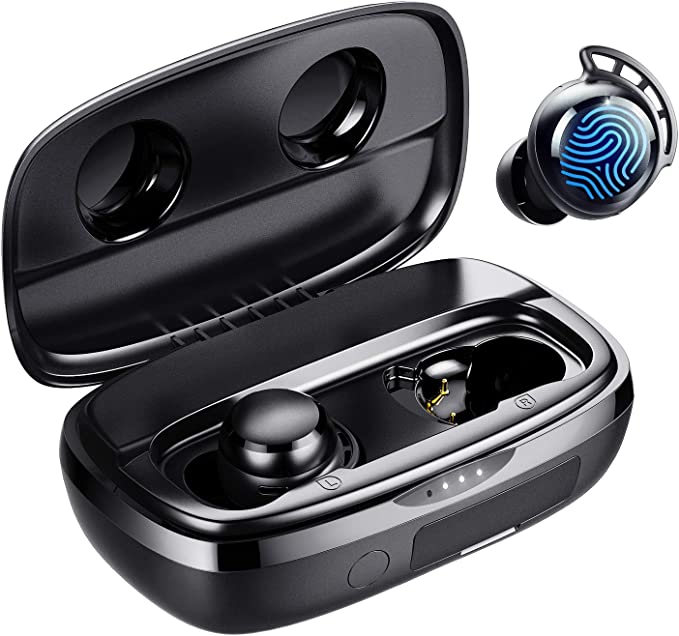
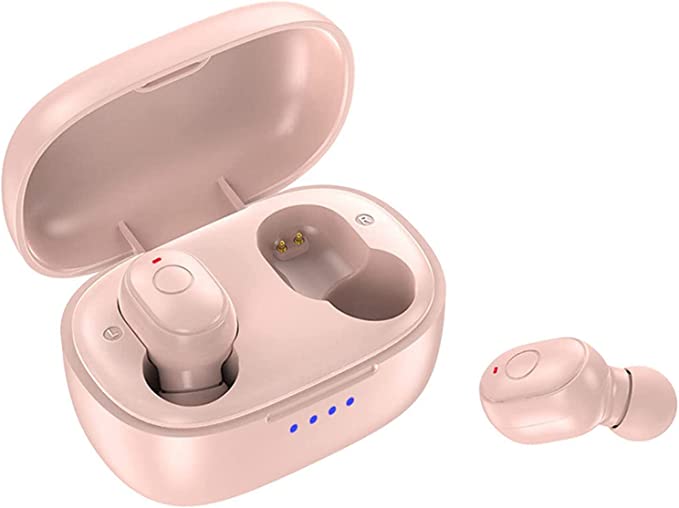
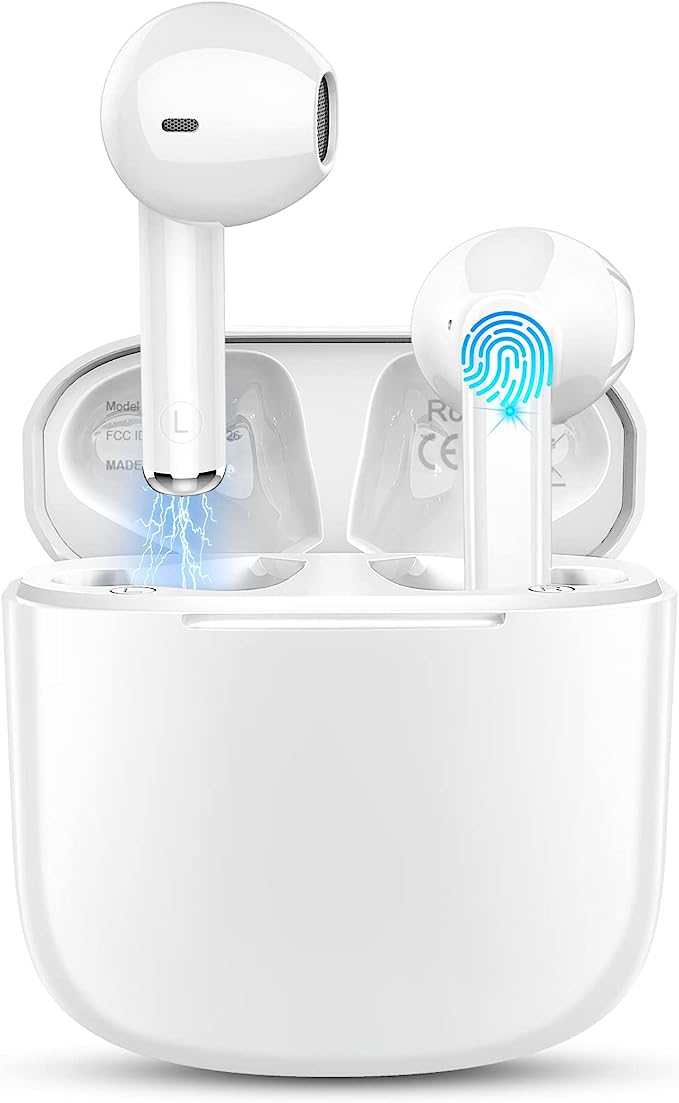
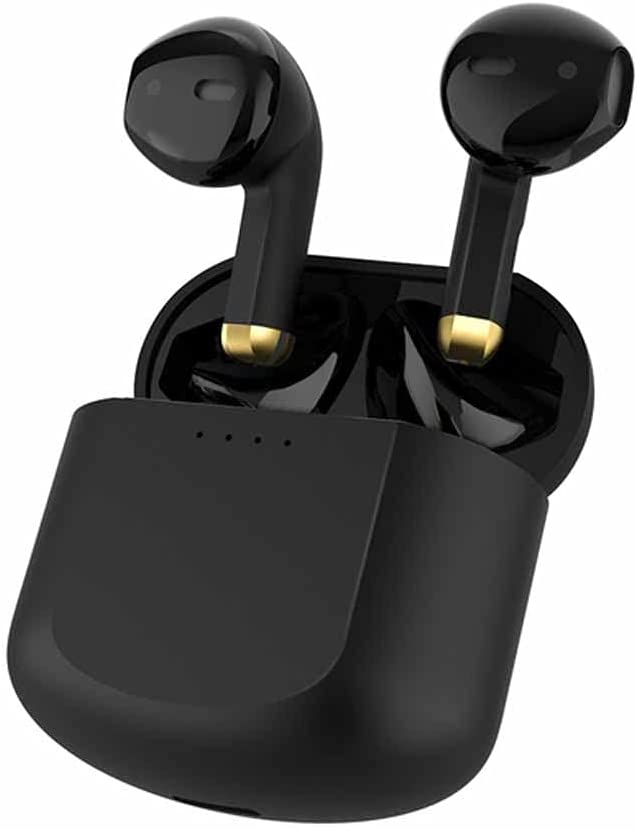
The engineering behind modern “Everyday Carry” (EDC) audio devices involves specific protocols for ingress protection and transducer miniaturization. The JLab Go Air Pop serves as a relevant example of how these industrial standards—specifically IPX4 waterproofing and MEMS microphone integration—are implemented to create devices that survive the rigors of daily life while maintaining their primary acoustic function.
The Physics of Ingress Protection: Decoding IPX4
Electronics and electrolytes do not mix. Sweat, a conductive saline solution, poses a significant threat to the sensitive circuitry within an earbud. To quantify a device’s resistance to such threats, the International Electrotechnical Commission (IEC) established the IP (Ingress Protection) Code standard 60529.
The JLab Go Air Pop carries an IPX4 rating. To understand this specification, we must dissect the code: * X: This placeholder indicates that the device was not formally tested for solid particle (dust) ingress. However, the seals required for liquid protection generally provide a substantial barrier against dust as well. * 4: This numeral defines the liquid protection level. Specifically, level 4 certifies protection against “splashing of water.”
In engineering terms, achieving IPX4 requires that the enclosure withstand water sprayed from an oscillating tube or nozzle from any direction for at least 10 minutes. The water volume is substantial—10 liters per minute. To pass this test, the Go Air Pop utilizes internal gaskets at the seam lines of the plastic housing and hydrophobic mesh coverings over the driver and microphone ports. These meshes rely on surface tension principles; their weave is tight enough that water droplets, due to their surface tension, cannot force their way through at low pressures, effectively “beading up” and rolling off. This makes the device impervious to sweat or rain, though it is structurally distinct from IPX7, which would allow for full submersion.
Micro-Electro-Mechanical Systems (MEMS): The Voice Interface
The utility of earbuds extends beyond passive listening to active communication. The component responsible for this is the microphone. In compact devices, traditional electret condenser microphones are often replaced by MEMS (Micro-Electro-Mechanical Systems) microphones.
MEMS microphones are manufactured using semiconductor fabrication techniques, etching pressure-sensitive diaphragms directly onto a silicon chip. This process results in a component that is significantly smaller and more consistent than its predecessors. In the Go Air Pop, a MEMS microphone is integrated into each earbud.
The technical advantages of MEMS in this application are threefold:
1. Thermal Stability: MEMS microphones are highly resistant to temperature variations, ensuring consistent performance whether the user is in a freezing commute or a hot gym.
2. Vibration Resistance: The low mass of the silicon diaphragm makes it less susceptible to mechanical vibration noise (handling noise).
3. Space Efficiency: The microscopic footprint allows for optimal placement within the earbud shell to maximize voice pickup while minimizing wind noise.
The “Dual Connect” feature leverages these microphones independently, allowing a single earbud to act as a complete mono-headset, a critical redundancy for users who need to maintain situational awareness in one ear while communicating.
Ergonomics and Passive Acoustic Isolation
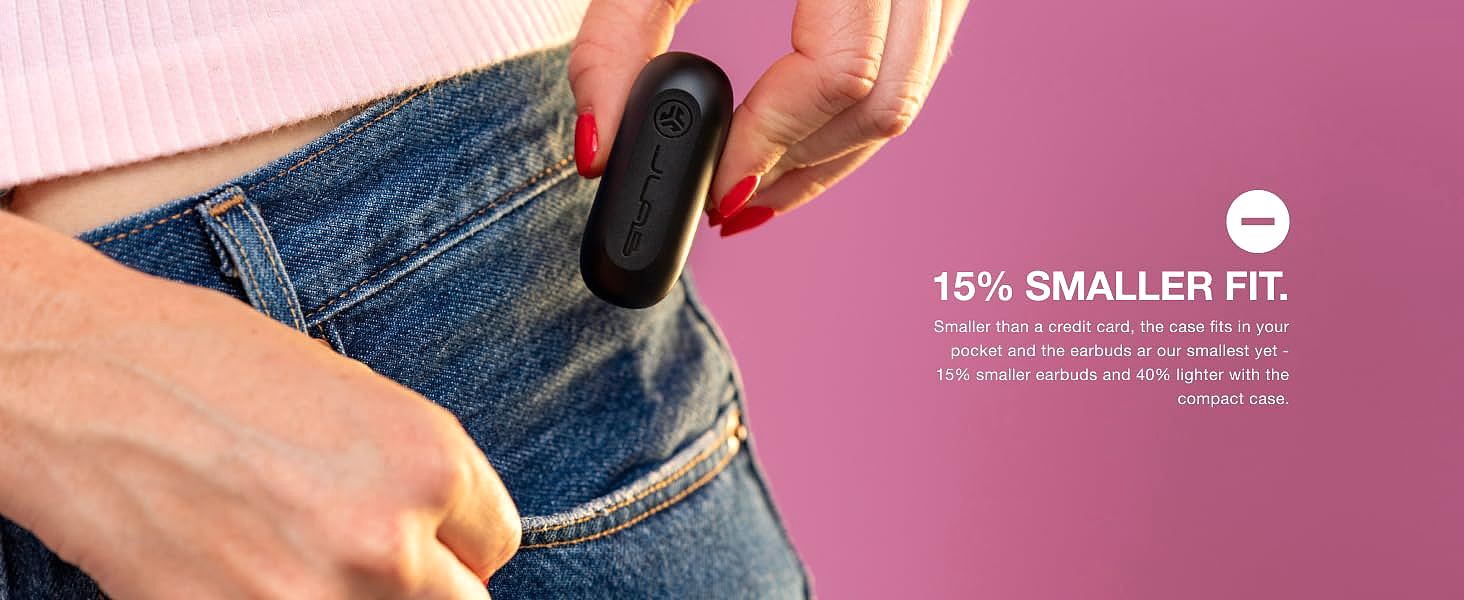
The interaction between the hardware and the human anatomy is perhaps the most critical variable in audio performance. An earbud does not merely sit in the ear; it must couple with the ear canal to form an acoustic system. The JLab Go Air Pop is designed with a chassis that is 15% smaller than previous generations, addressing a wider range of anthropometric variance.
The primary goal of this fit is to achieve Passive Noise Isolation. Unlike Active Noise Cancellation (ANC), which uses power to generate anti-noise, passive isolation relies on a physical seal. This seal is created by the silicone gel tip expanding against the ear canal walls.
- The Seal Logic: A hermetic seal is essential for bass response. Low-frequency sound waves are omnidirectional and will escape through any gap between the tip and the canal, resulting in a thin, tinny sound. The inclusion of three sizes of gel tips (Small, Medium, Large) is not a luxury but a technical necessity to accommodate different canal diameters (typically ranging from 7mm to 14mm).
- Stability: The 40% reduction in weight in the Go Air Pop minimizes the pendulum effect, where the mass of the earbud hanging outside the ear canal creates torque that loosens the seal during movement. A lighter, more compact mass center ensures the device remains secure during physical activity.
The Democratization of Industrial Standards
The engineering evident in devices like the JLab Go Air Pop illustrates a broader trend in the electronics industry: the democratization of durability. Technologies like IPX4 sealing and MEMS microphones, once reserved for premium ruggedized gear, have become baseline expectations. For the end user, this means that reliability is no longer a premium feature but a standard utility. The focus has shifted from “Will this break?” to “How does this fit my workflow?”—a shift enabled by robust, purpose-driven engineering.