PSIER NC1 Wireless Earbuds: Escape the Noise with Active Noise Cancellation


PSIER NC1 Wireless Earbuds
The Symphony of Silence: Why We Crave Quiet
We live in a world saturated with sound. From the relentless hum of traffic to the insistent chatter of open-plan offices, our ears are constantly bombarded. While some sounds enrich our lives – music, laughter, the chirping of birds – others, often categorized as noise, can be detrimental. Noise pollution isn't just annoying; it's been linked to increased stress levels, reduced productivity, and even long-term health issues. It's no wonder, then, that we often crave moments of quiet, a sanctuary from the auditory onslaught. This is where the science of sound, and specifically, active noise cancellation, comes into play.
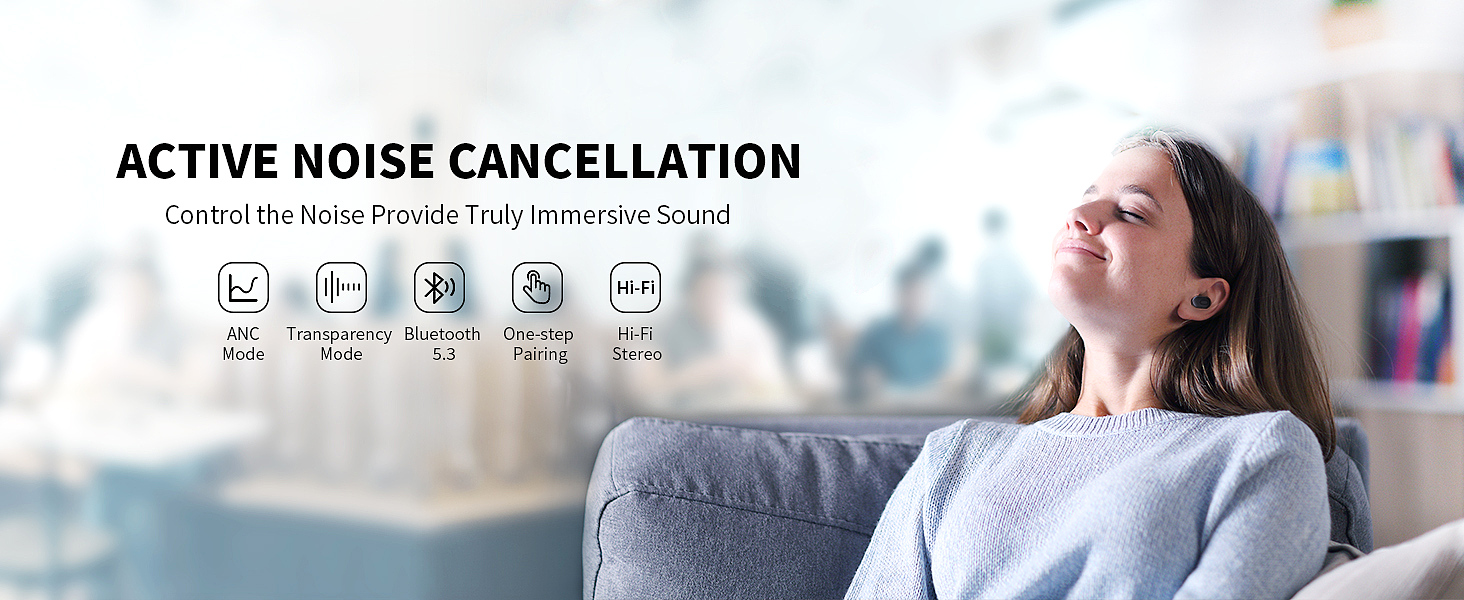
Waves of Sound, Waves of Quiet: Unmasking Active Noise Cancellation
To understand active noise cancellation (ANC), we first need to understand a little about sound itself. Sound travels in waves, like ripples across a pond. These waves have peaks and troughs, representing areas of high and low pressure. Now, imagine throwing a second pebble into the pond, perfectly timed to create ripples that are the opposite of the first set. The peaks of one set of ripples would meet the troughs of the other, effectively canceling each other out. This, in essence, is how ANC works.
ANC technology utilizes microphones to "listen" to the surrounding noise. Then, sophisticated electronics, often including a Digital Signal Processor (DSP), analyze these sound waves and generate an "anti-noise" signal. This anti-noise is a sound wave that is precisely 180 degrees out of phase with the original noise. When these two waves – the noise and the anti-noise – are played together through the earbud's speaker, they interfere destructively, significantly reducing the perceived volume of the external noise. It's not about blocking all sound; it's about intelligently canceling out the unwanted frequencies, leaving you with a much quieter, more peaceful auditory environment.

PSIER NC1: Your Personal Sound Sanctuary
The PSIER NC1 wireless earbuds are designed to be your personal escape from the noise. They incorporate a hybrid ANC system, which likely means they use both feedforward and feedback microphones (though this isn't explicitly stated in the provided materials, it's a common and effective approach). Feedforward microphones are located on the outside of the earbud and analyze noise before it reaches your ear. Feedback microphones are positioned inside the ear cup and monitor the sound that does make it through, allowing for further refinement of the noise cancellation.
The NC1 earbuds boast a noise cancellation depth of up to 30dB. What does this mean in practical terms? Decibels (dB) are a logarithmic unit used to measure sound intensity. A 10dB increase represents a perceived doubling of loudness. So, a 30dB reduction is significant, effectively reducing the perceived volume of many common noises by a substantial amount. Imagine the drone of an airplane engine, the clatter of a train, or the buzz of a busy street – all significantly diminished, allowing you to focus on your music, podcast, or simply enjoy the quiet.

Speak Freely, Hear Clearly: The Magic of 4-Microphone Call Technology
Clear communication is crucial, whether you're taking a business call on the go or catching up with friends. The PSIER NC1 tackles the challenge of noisy environments during calls with a four-microphone system, two in each earbud. This isn't just about having more microphones; it's about how they work together.
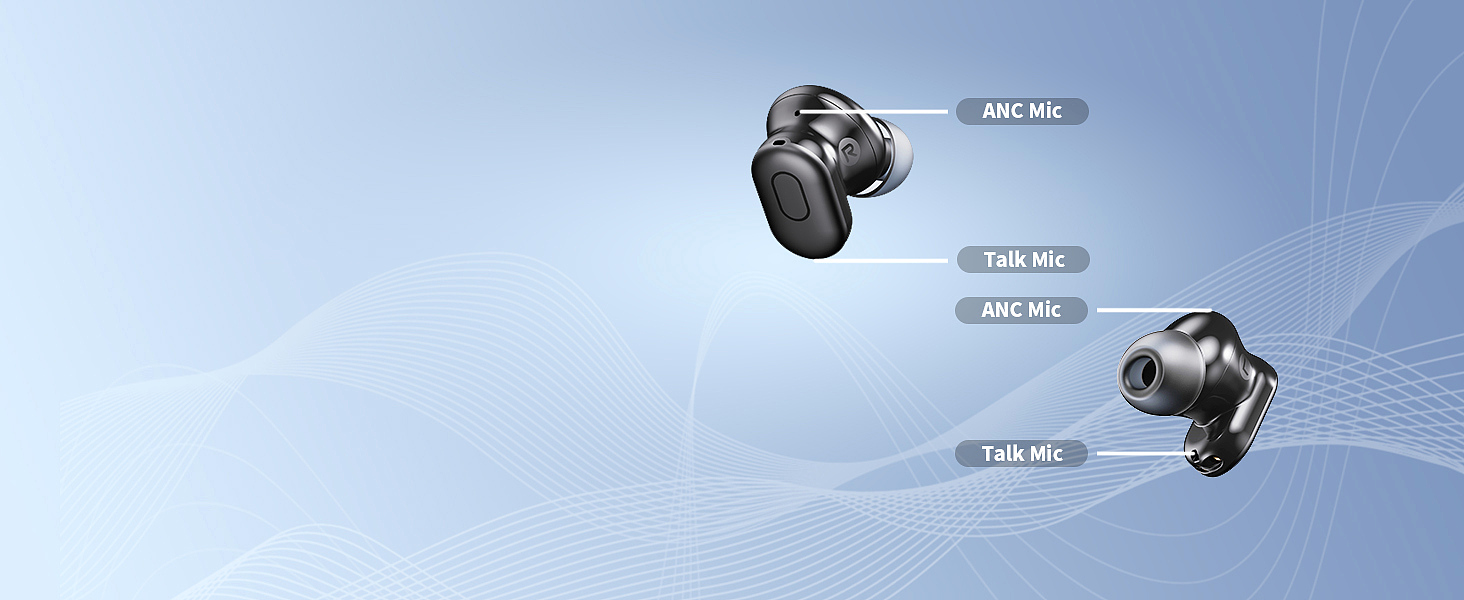
This system likely utilizes a technique called beamforming. Imagine each microphone as a tiny antenna. By carefully analyzing the signals received by each microphone, the earbuds can determine the direction of the desired sound source – your voice. The system then focuses its "listening" power in that direction, effectively creating a virtual "beam" that captures your voice while suppressing sounds coming from other directions. This is further enhanced by algorithms that filter out common background noises like wind and traffic, ensuring your voice comes through crisp and clear, even in challenging acoustic environments.
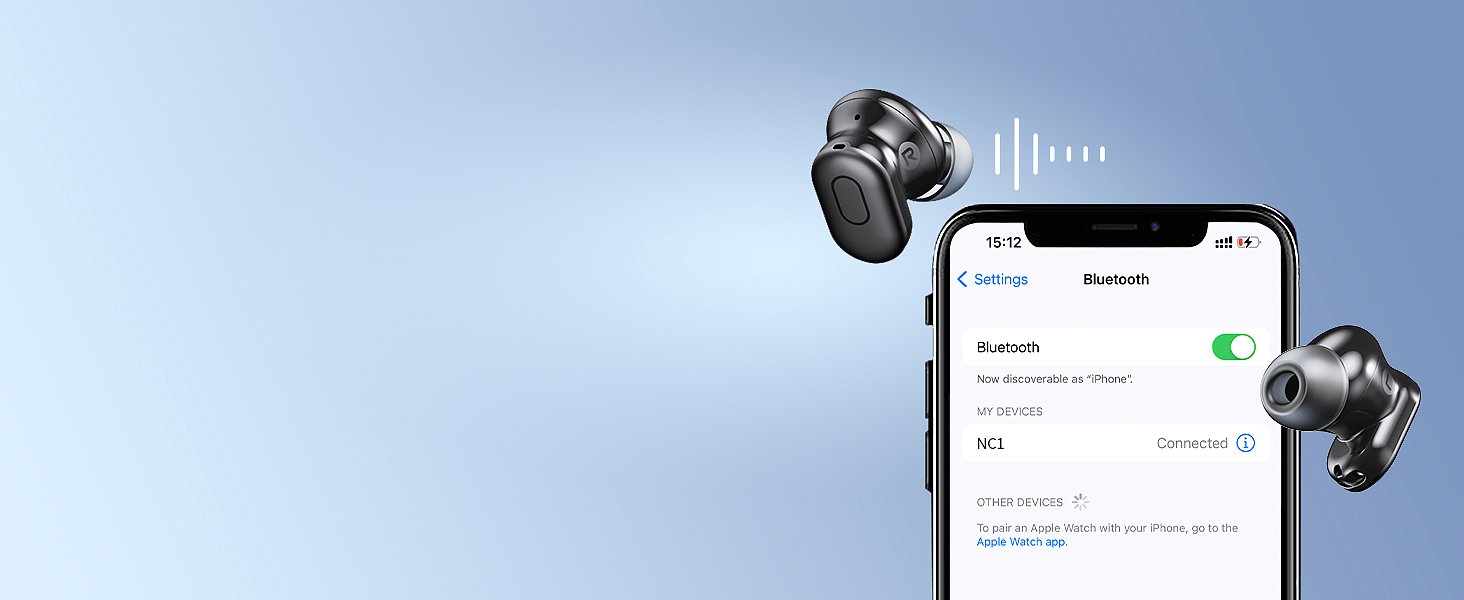
Bluetooth 5.3: Cutting the Cord, Not the Quality
The PSIER NC1 earbuds utilize Bluetooth 5.3, the latest iteration of this ubiquitous wireless technology. While Bluetooth has been around for years, each new version brings significant improvements. Bluetooth 5.3 is all about enhanced efficiency and reliability.
One of the key advancements is improved connection stability. This means fewer dropouts and interruptions, even in environments with a lot of wireless interference (like crowded cafes or airports). Bluetooth 5.3 also offers lower latency, which is particularly important for video calls and gaming, where even a slight delay between audio and video can be disruptive. Finally, 5.3 is designed for lower power consumption, contributing to the NC1's impressive battery life. While the provided information doesn't explicitly state support for LE Audio (the next-generation Bluetooth audio standard), the presence of Bluetooth 5.3 suggests that the NC1 could be compatible, potentially offering even better audio quality and power efficiency in the future.
Beyond Silence: A Rich Audio Landscape
While noise cancellation is a headline feature, the PSIER NC1 earbuds are also designed to deliver a high-quality listening experience. They feature 10mm oversized composite drivers. The size of the driver is significant; generally, larger drivers can move more air, which translates to richer bass and a more powerful sound. The term "composite" suggests that the driver diaphragm (the part that vibrates to create sound) is made from multiple materials, carefully chosen to balance rigidity and responsiveness. This allows the earbuds to reproduce a wide range of frequencies, from deep lows to clear highs, with minimal distortion.
The earbuds likely use the standard SBC Bluetooth audio codec, and possibly AAC, which is commonly supported by Apple devices and offers slightly better quality than SBC. While the information doesn't mention support for higher-end codecs like aptX or LDAC (which offer near-lossless audio quality), the combination of a good driver design and a stable Bluetooth 5.3 connection should still provide a very enjoyable listening experience for most users.

Power Through Your Day: Battery Life That Lasts
One of the biggest frustrations with wireless earbuds is running out of power at the wrong moment. The PSIER NC1 addresses this with an impressive battery life. You get up to 7 hours of playtime on a single charge (at 50% volume), and the charging case provides an additional 23 hours, for a total of 30 hours. Even with ANC enabled, which consumes more power, you can still expect up to 5 hours of listening time. This means you can enjoy your music, podcasts, or calls throughout the day without constantly worrying about recharging. The charging case itself is compact and portable, making it easy to keep your earbuds topped up on the go.
Ready for Anything: Durability and Design
The PSIER NC1 earbuds aren't just about sound; they're also built to withstand the rigors of daily life. They boast an IPX6 waterproof rating. This means they're protected against powerful water jets – think sweat during an intense workout, or getting caught in a heavy downpour. While they're not designed for submersion (don't go swimming with them!), they can handle significant exposure to water without damage.
The earbuds are also designed for comfort. They feature an ergonomic design that conforms to the shape of the ear, ensuring a secure and comfortable fit. The inclusion of three different sizes of eartips allows you to customize the fit, which is crucial not only for comfort but also for optimal noise isolation and sound quality. A good seal between the earbud and your ear canal is essential for both passive and active noise cancellation to work effectively.
The Future of Sound: What's Next for Wireless Earbuds?
The PSIER NC1 represents a significant step forward in accessible audio technology, but the evolution of wireless earbuds is far from over. We can expect to see even more sophisticated ANC algorithms in the future, perhaps leveraging AI and machine learning to adapt to different noise environments in real-time. Imagine earbuds that can automatically identify and cancel out specific types of noise, like a crying baby on an airplane or the keyboard clicks in a busy office.
We'll also likely see further improvements in battery life and charging technology, perhaps with even faster wireless charging capabilities. And, of course, the quest for even better sound quality will continue, with advancements in driver technology and the wider adoption of high-resolution audio codecs. The future of wireless earbuds is one of increasingly personalized and immersive audio experiences, seamlessly integrated into our daily lives.
PSIER NC1 Wireless Earbuds
Related Essays

PloutoRich Wireless Earbuds with LED Display Charging Case – A Stylish and Versatile Choice
RICOO F8 Wireless Earbuds: Uninterrupted Sound for Your Active Lifestyle

PSIER T12 Wireless Earbuds: Long-Lasting Audio Freedom with Bluetooth 5.3

HYIEAR TW-X08-WH Wireless Earbuds: Long-Lasting Battery and Superior Sound

Extreme Battery Endurance: The Physics of 120-Hour Earbuds

KENKUO K68 Wireless Gaming Earbuds: Immerse Yourself with ANC & Low Latency

Kinetic Audio: The Physics of Sound in Motion

OMFG BB13 Wireless Earbuds - Advanced Features and Comfortable Design

Bubbacare Wireless Bluetooth Headset – Enjoy Music On the Go

