The Decibel Guard: The Science of Volume Limiting and Hearing Preservation in Children
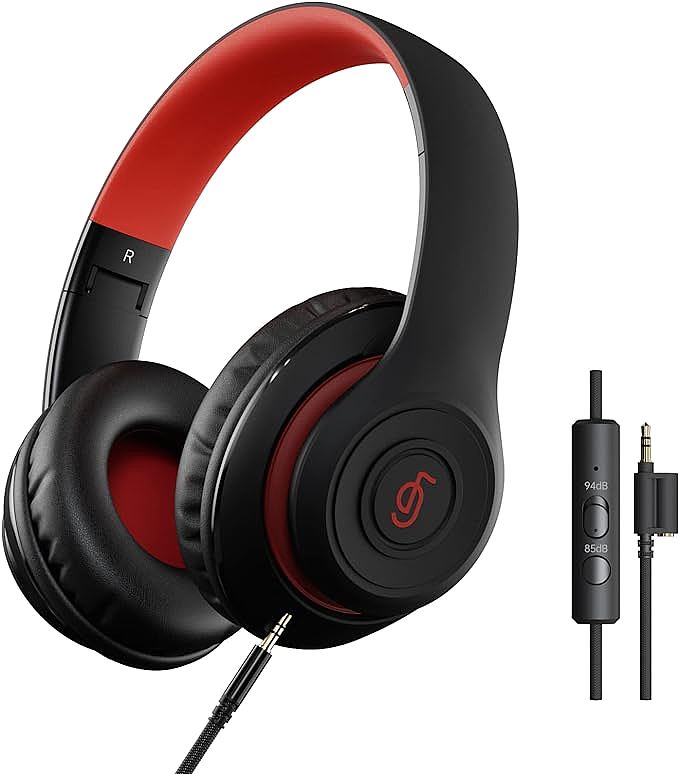
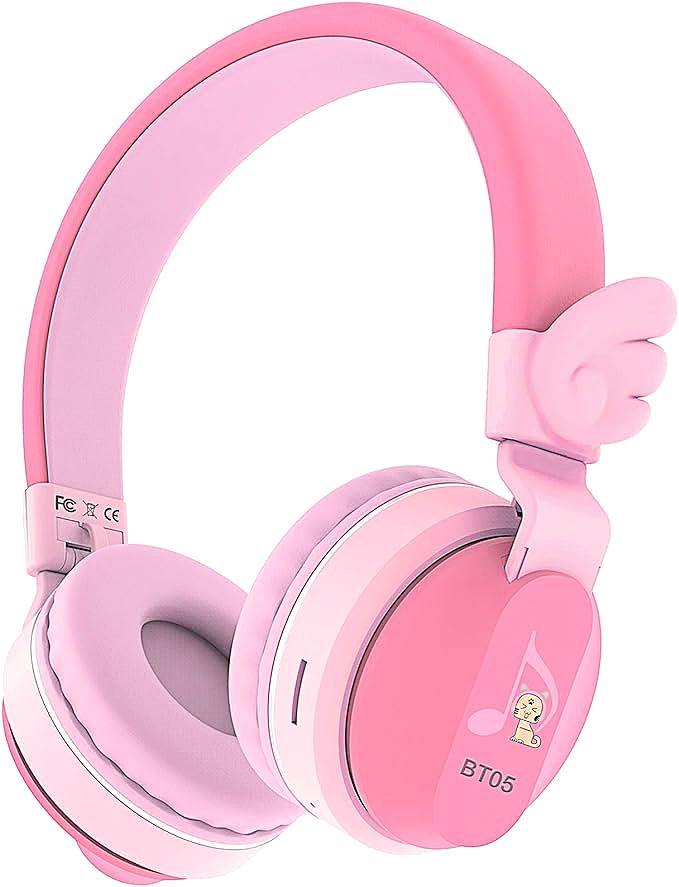
FINGERTIME Foldable Kids Headphones
Childhood is a time of sensory exploration. From the bright colors of a cartoon to the catchy melody of a nursery rhyme, sensory inputs shape the developing brain. However, in the realm of audio, "more" is not always better. The modern child is exposed to a density of digital sound—tablets, gaming consoles, online classes—that is unprecedented in human history.
This exposure brings a hidden risk: Noise-Induced Hearing Loss (NIHL). Unlike a scraped knee, damage to the inner ear is often painless, invisible, and permanent.
This is why the FINGERTIME Foldable Kids Headphones are not just a toy; they are a medical necessity. With their built-in 85dB/94dB Volume Limiter, they act as a "Decibel Guard," standing between the raw power of an amplifier and the delicate structures of a child's cochlea. This article explores the science of pediatric hearing, the physics of sound pressure, and why limiting volume is the most important feature a parent can look for.
The Physiology of Vulnerability: Why Kids' Ears are Different
Are children's ears just smaller versions of adult ears? Anatomically, yes, but acoustically, no. * Ear Canal Resonance: The ear canal acts as a resonator (like a flute). Because children have smaller ear canals, their natural resonant frequency is higher than that of adults. This effectively "amplifies" high-frequency sounds before they even reach the eardrum. A sound that is 85dB for an adult might effectively be 88dB or higher at a child's eardrum due to this physical amplification. * Hair Cell Fragility: The stereocilia (hair cells) in the cochlea are the sensors that convert sound into electricity. They do not regenerate. In a developing auditory system, these cells are particularly susceptible to metabolic exhaustion caused by continuous loud noise.
The Magic Number: Decoding 85dB
The World Health Organization (WHO) and OSHA generally cite 85 decibels (dB) as the threshold for safety. But what does this mean physically?
* Logarithmic Scale: The decibel scale is logarithmic, not linear. An increase of 3dB represents a doubling of sound energy.
* 85dB is safe for 8 hours.
* 88dB is safe for 4 hours.
* 91dB is safe for 2 hours.
* 94dB is safe for 1 hour.
* The FINGERTIME Limiter: The headphones feature a switchable limiter.
* 85dB Mode: Limits the voltage reaching the driver to ensure the output SPL (Sound Pressure Level) stays safe for long-duration listening (like schoolwork).
* 94dB Mode: Allows for a higher ceiling. Why? In a noisy environment like an airplane (which has a background noise of ~80dB), an 85dB limit might be inaudible due to Masking. The 94dB mode provides the necessary Signal-to-Noise Ratio (SNR) to hear the audio over the engine roar, but crucially, it should be time-limited by the parent.
The Engineering of the Limiter: Resistors and Voltage
How does a headphone limit volume without a battery or software?
It uses a Passive Limiter Circuit.
* Resistor Network: Inside the ear cup, there is a specific resistor in series with the speaker driver. This resistor drops the voltage coming from the iPad or phone.
* Impedance Matching: By carefully selecting the resistance value, engineers cap the maximum power the driver can receive. Even if the child cranks the iPad volume to 100%, the physical resistor prevents the voltage across the driver from exceeding the threshold required to produce >85dB.
This is a fail-safe mechanism. Software limiters (in apps) can be bypassed or bugged. A physical resistor is immutable physics.
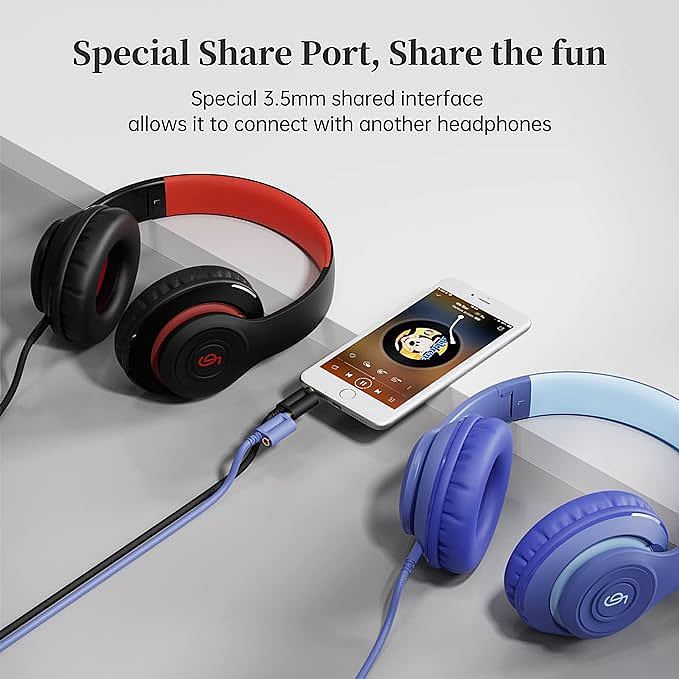
The Hidden Danger: Earbud vs. On-Ear
Why choose an On-Ear (Supra-aural) design like the FINGERTIME over earbuds? * Insertion Depth: Earbuds sit deep in the canal, closer to the eardrum. This reduces the volume of air between the driver and the eardrum, increasing pressure. * Leakage: On-Ear headphones like the FINGERTIME do not create a hermetic seal. They allow some air (and sound pressure) to escape. This "leakiness" is actually a safety feature, preventing the build-up of excessive pneumatic pressure that can fatigue the eardrum.
Conclusion: Investing in the Future
Hearing health is a lifelong asset. Once lost, it cannot be recovered.
The FINGERTIME Kids Headphones represent a proactive investment in a child's future. By integrating the science of Volume Limiting directly into the hardware, they remove the burden of constant monitoring from the parent. They allow children to explore the digital world with curiosity and joy, without paying the hidden tax of hearing loss. In the noisy landscape of the 21st century, the most advanced feature of a headphone isn't bass or treble—it's safety.
FINGERTIME Foldable Kids Headphones
Related Essays
The Guardian in the Garden: A Parent's Guide to Kids' Hearing Safety
Riwbox CT-7S: Safe and Fun Headphones for Kids | Volume Limiting
Riwbox BT05 Kids Headphones: A Safe, Fun Listening Experience for Little Ears
