Why IPX8 Waterproofing Matters: Wireless Earbud Durability Science
Update on March 9, 2026, 9:01 p.m.
The rain starts at mile four. Not a drizzle—a sudden downpour that turns the trail into a mud slide and soaks through your shirt in seconds. Your hand goes up to check the earbuds. Not because you doubt the music will keep playing. Because you’ve been burned before by “waterproof” gear that died in light rain.

This is the moment that separates marketing from engineering.
Manufacturers throw around “waterproof” like it’s a single standard. But there’s a vast gulf between IPX4 splash resistance and IPX8 submersion protection. One survives a sweaty gym session. The other survives being dropped in a puddle, forgotten in a rain-soaked backpack, or subjected to months of corrosive sweat exposure.
IPX8 certification isn’t a feature. It’s a promise that the engineering team didn’t cut corners on seals, didn’t skip pressure testing, and didn’t rely on marketing language to do what actual certification couldn’t.
What IPX8 Actually Means (And Why Most “Waterproof” Claims Don’t)
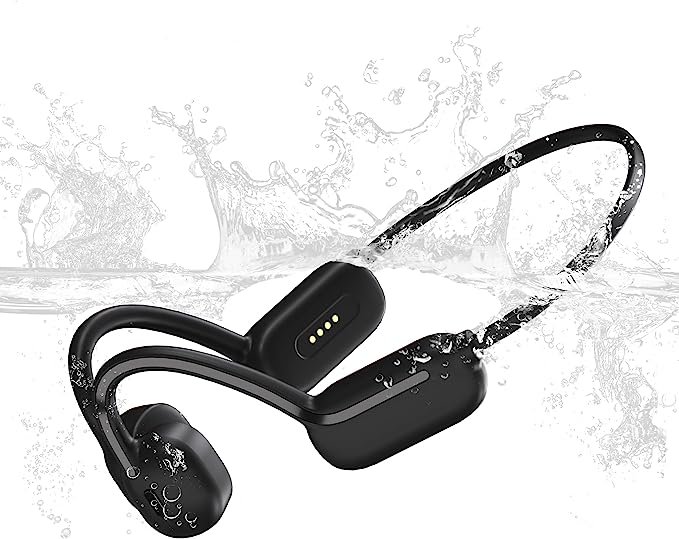
The IEC 60529 standard defines Ingress Protection ratings with mathematical precision. The “X” means no dust rating was tested. The “8” means something specific: continuous immersion in water deeper than 1 meter for at least 30 minutes.

Compare this to IPX4, which covers most “water-resistant” earbuds. IPX4 means water splashed from any direction causes no damage. It’s the equivalent of surviving a light jog in drizzle. IPX5 adds water jets from a nozzle. IPX6 handles powerful jets. IPX7 allows temporary immersion up to 1 meter for 30 minutes. IPX8 goes further—manufacturer-specified depth and time, typically exceeding IPX7.
The testing protocol is brutal. Devices are submerged in carefully controlled water temperature (15-35°C) with monitored pressure. After immersion, they’re inspected for water ingress and tested for functionality. No “worked for five minutes then died.” Either they pass or they fail.
Most wireless earbuds in the sub-$100 category carry IPX4 or IPX5 ratings. Some claim IPX7 without certification. The language is deliberately vague: “water-resistant,” “sweat-proof,” “all-weather.” None of these terms have legal definitions. IPX8 does.
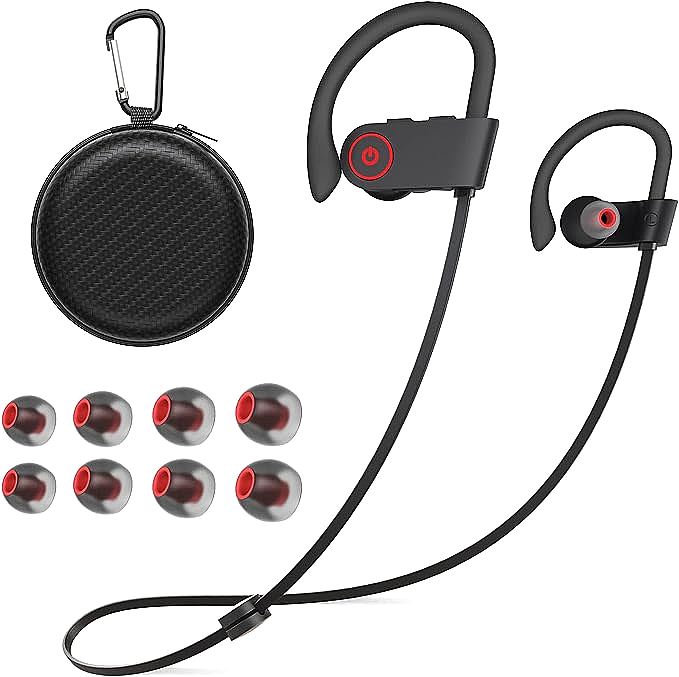
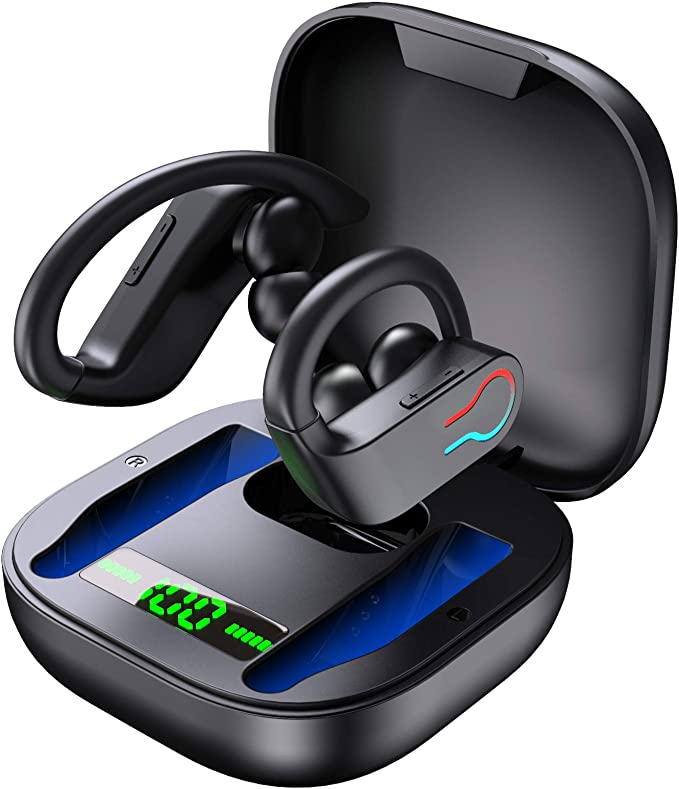
The Monster MH11903 Champion carries genuine IPX8 certification. This matters because certification requires third-party validation. Any company can print “waterproof” on a box. IEC 60529 certification requires passing the test.
Seals, Coatings, and the Engineering of Dry Electronics
Achieving IPX8 requires a multi-layered approach to water exclusion. The engineering challenge is genuine: earbuds need acoustic vents for sound quality, charging contacts for power, and buttons for control. Every opening is a potential failure point.
Mechanical seals form the first line of defense. Precision-molded rubber gaskets sit at every junction—charging case lid, earbud seam, button interface. The tolerances are tight. A gap larger than 0.1mm can compromise the seal under pressure. These gaskets aren’t glued; they’re compression-fit, relying on precise geometry to maintain contact through thermal expansion and contraction.

Nano-coating technology provides the second layer. A hydrophobic coating—typically parylene or similar polymer—covers the internal PCB and components at molecular thickness. Water molecules bead up and roll off rather than spreading across conductive surfaces. The coating is thin enough (2-4 micrometers) that it doesn’t affect electrical connections or acoustic performance.
Pressure equalization is the hidden challenge. When you descend into water, external pressure increases. Without a vent, pressure differential can push water past seals or even crack housings. Some IPX8 devices use Gore-Tex vents—microporous membranes that allow air through but block water molecules. The pore size (typically 0.1-0.2 micrometers) is smaller than water droplets but larger than air molecules.
The manufacturing process matters as much as the design. Automated dispensing systems apply adhesive with 0.05mm precision. Vacuum chambers remove air bubbles from seals. Every unit undergoes pressure decay testing—a non-destructive test that detects leaks by measuring pressure change in a sealed chamber.
Why Sweat Destroys Earbuds Faster Than Rain
Rain is pure water—H₂O with dissolved atmospheric gases. Sweat is chemically aggressive. It contains sodium chloride (salt), urea, lactate, ammonia, and amino acids. The pH ranges from 4.5 to 7.0, acidic enough to accelerate corrosion.
When sweat dries on earbud surfaces, it leaves behind salt crystals. These crystals are hygroscopic—they absorb moisture from the air, creating a persistent conductive layer. Over weeks of gym sessions, this layer creeps into seams, bridges contacts, and causes corrosion that pure water never could.

A 2020 study in Corrosion Science examined electronics exposed to artificial sweat versus distilled water. Salt fog testing showed corrosion rates 3-5× faster than pure water immersion. The mechanism is electrochemical: chloride ions penetrate oxide layers on metals, accelerating oxidation. Copper traces corrode. Solder joints weaken. Conductive pathways form where they shouldn’t.
IPX8 engineering accounts for this. The same seals that block water under pressure also block sweat ingress. Nano-coatings protect against both. But there’s a difference between “survives sweat” and “designed for sweat.” Devices with IPX8 certification have proven they can handle submersion—sweat exposure is a lesser challenge they’re overqualified for.
This is why IPX8 matters for gym-goers, not just swimmers. If a device survives 30 minutes at 1 meter depth, months of sweaty workouts are within its design envelope. An IPX4 device might survive the sweat, but the corrosion clock is ticking.
The Psychology of Trusting Your Gear
There’s a specific anxiety that kicks in when rain starts and you’re wearing “water-resistant” earbuds. Your attention splits. Part of you monitors the gear—is that a glitch in the left earbud? Did water just get in?—instead of monitoring your pace, your breathing, the terrain.

Sports psychologists call this “external focus disruption.” Attention that should flow outward toward performance instead turns inward toward equipment monitoring. A 2018 study in Psychology of Sport and Exercise found that equipment uncertainty reduced flow state indicators by 23% in endurance athletes.
Flow state—that zone where action and awareness merge—requires trust. You can’t enter flow if part of your brain is babysitting fragile gear. This is why certification matters beyond durability. IPX8 certification provides cognitive offloading. You know the rating. You know what it survived in testing. The question mark disappears.
Confidence under stress compounds. When gear works reliably in bad conditions, you push harder in good conditions. The athlete who knows their earbuds survived a downpour doesn’t hesitate when the forecast looks questionable. The runner who trusts their equipment doesn’t modify their route to avoid puddles.
This is the hidden value of over-engineering. IPX8 is overkill for dry gym sessions. But that overkill buys something measurable: the mental bandwidth to focus on performance instead of preservation.
Certification vs. Marketing: Reading Between the Lines
The wireless earbud market is crowded with vague claims. “Water-resistant” appears on products that failed IPX4 testing. “Sweat-proof” has no regulatory definition. “All-weather” is marketing poetry, not engineering specification.
Third-party certification exists because manufacturers lie. Not always intentionally—engineers might believe their design “should” survive water exposure. But “should” and “tested” are different. IEC 60529 certification requires independent lab validation. The lab has no stake in the product’s success. They follow the protocol. They report pass or fail.

Why do some brands skip certification? Cost and complexity. IPX8 testing runs $5,000-15,000 per product. The test destroys units—water damage is irreversible even for survivors. Small brands launching on tight margins often skip certification and hope marketing language suffices.
There’s also the problem of batch variation. A brand might certify one production run, then switch seal suppliers or change molding tolerances to cut costs. The certified design survives. The cost-reduced version might not. Reputable brands recertify after major changes. Budget brands don’t.
Reading between the lines requires looking for specificity. “IPX8 certified” with a test report beats “waterproof” every time. Brand reputation for honoring specs matters. User reports of water failures are red flags. When a $60 earbud claims IPX8, skepticism is warranted—not impossible, but requiring verification.
The Rain Test
Waterproofing is easy to verify when it fails. The music cuts out. The left earbud dies. Condensation fogs the housing. By then, the purchase decision is hindsight.
The IPX8 standard exists to move verification before purchase instead of after failure. It transforms “I hope this survives” into “I know what this survived in testing.” That knowledge isn’t about product specifications. It’s about selecting gear that disappears into the background, leaving attention free for the actual work.
Rain keeps falling. The run continues. The earbuds play on—not because they’re lucky, but because they were tested for exactly this moment.