Air Conduction Audio: Why Open-Ear Headphones Change Everything
Update on March 8, 2026, 2:06 p.m.
What If Your Headphones Disappeared While You Were Wearing Them?

Close your eyes and imagine: you place headphones on, press play, and then… nothing. No clamping pressure. No weight pulling down. No buds digging into your ear canals. Twenty minutes later, you reach up to adjust them — only then realizing they’re still there.
This isn’t fantasy. It’s air conduction technology — a fundamental break from seven decades of headphone design.
For most of us, headphones have always meant compromise. We accepted ear fatigue as the price of personal audio. We tolerated isolation without questioning whether constant disconnection was truly desirable. That familiar relief when removing earbuds after a long day? As if our ears needed a vacation from the technology entertaining them.
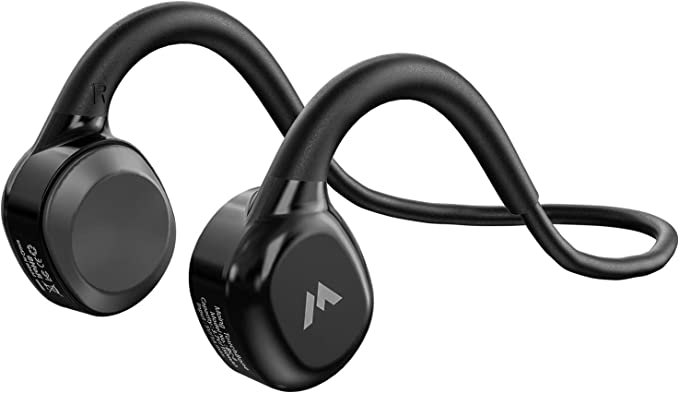
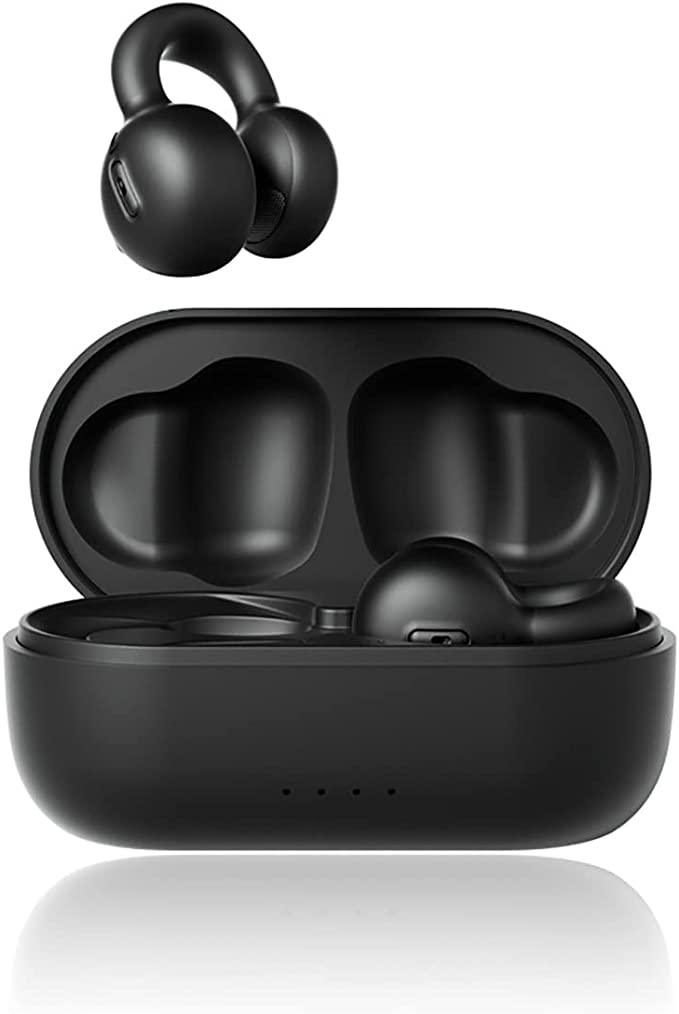
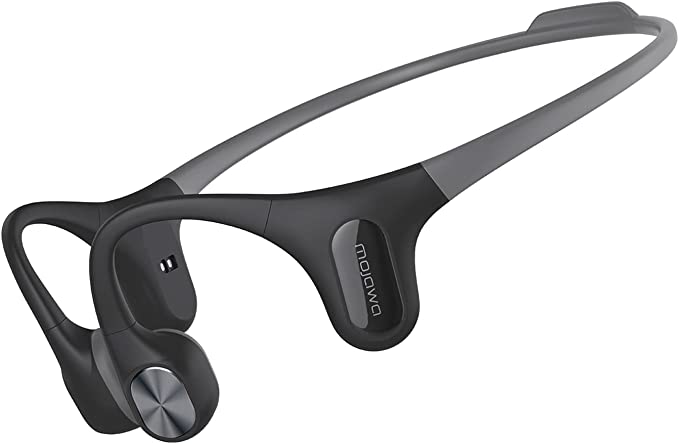
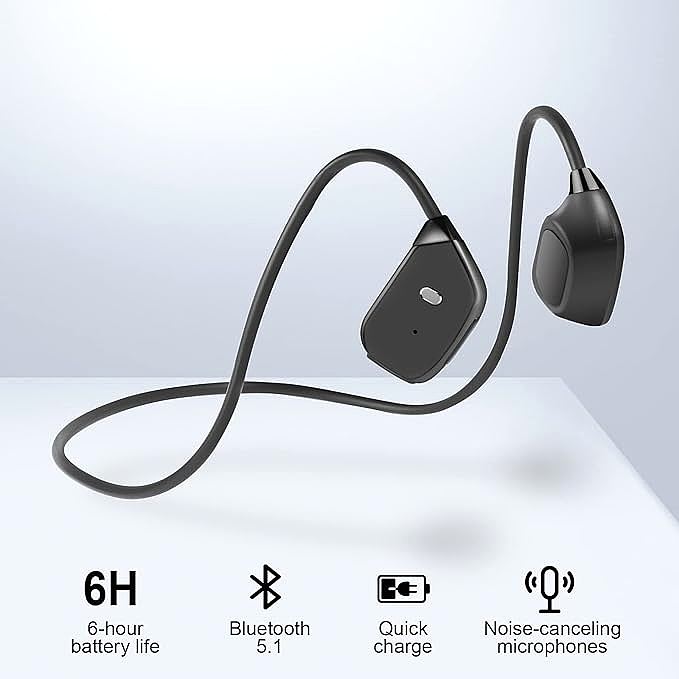
Air conduction changes this. At roughly 16 grams — lighter than most wireless earbuds in their charging case — it demonstrates that premium audio doesn’t require weight, pressure, or occlusion. Sound delivers without touching your ear canal, feeling less like wearing headphones and more like personal speakers positioned millimeters from your eardrums.
From Earbuds to Air: The 70-Year Journey Away from Your Ears
Personal audio’s story reveals an unexpected paradox: as headphones got smaller, they also got more intrusive.
The Isolation Era (1950s-2000s) began with headphones resembling medical equipment. The Beyerdynamic DT 48, introduced in 1937, weighed over 250 grams and clamped like a vice grip. Designed for studio monitoring, not comfort, they created a seal — acoustic isolation was the goal. You wore headphones to escape the world.
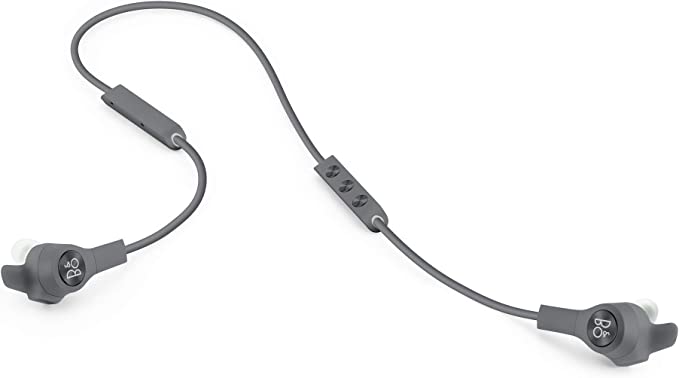
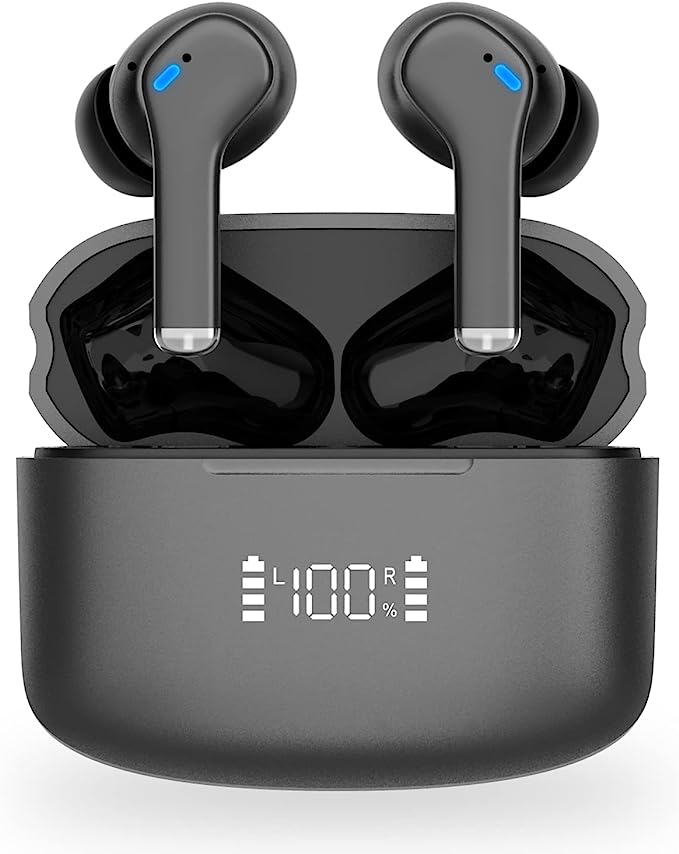
The 1980s Sony Walkman brought mainstream personal audio. Suddenly, headphones were for commuters, joggers, students, workers. But design philosophy remained rooted in isolation. In-ear monitors, developed for musicians on loud stages, trickled to consumers. The earbud normalized having something permanently lodged in your ear canal.
The Wireless Revolution (2000s-2010s) eliminated cables but kept core problems. Bluetooth freed us from tangling wires, but true wireless earbuds still required ear canal insertion. Weight distribution improved, but prolonged listening meant prolonged pressure on sensitive tissue. Ergonomic research documented ear fatigue — discomfort, soreness, pain from extended use. Users reported needing “ear breaks” after 2-3 hours.
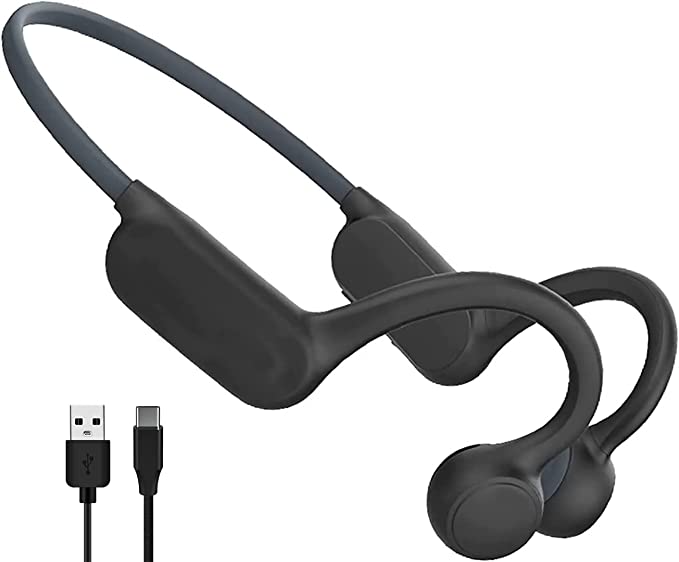
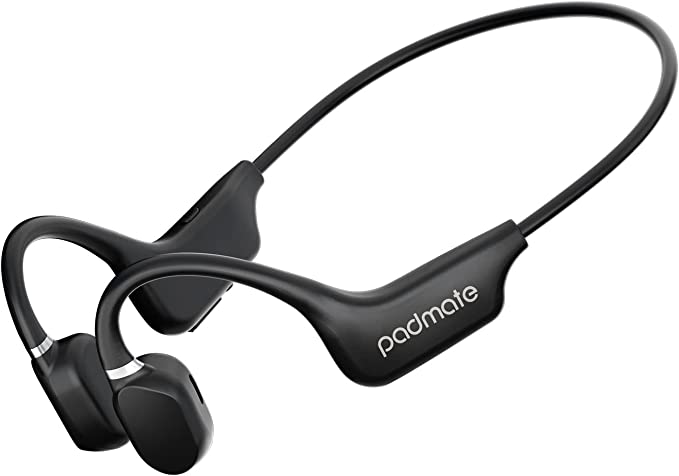
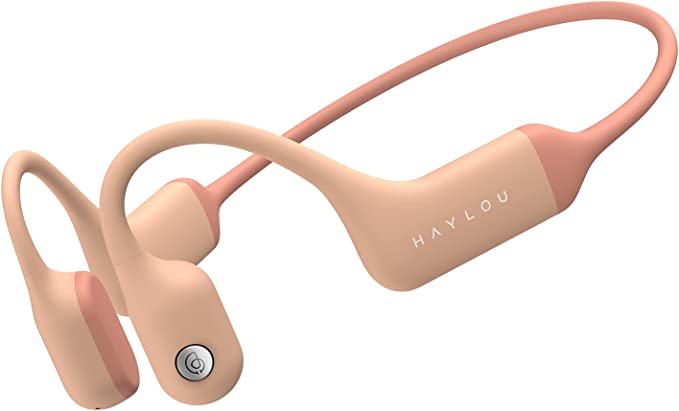
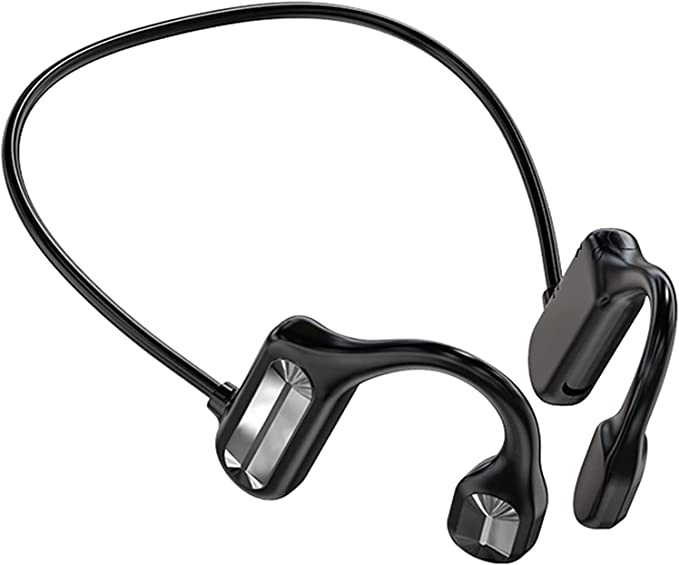
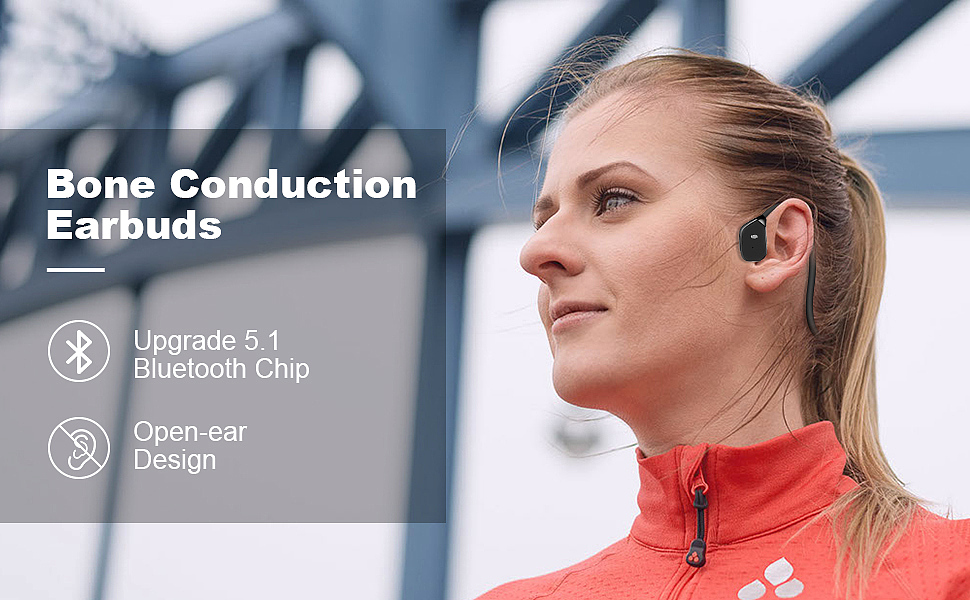
The Bone Conduction Detour (2010s-present) transmitted sound through cheekbones directly to the inner ear, bypassing the eardrum. Marketing promised: open ears, awareness maintained, no fatigue. But compromises emerged. Sound quality lacked fidelity. Bass response limited by bone vibration physics. A constant tickling vibration against the cheekbone distracted some users.
Bone conduction remained niche because it trades ear fatigue for cheekbone fatigue, and audio quality for situational awareness.
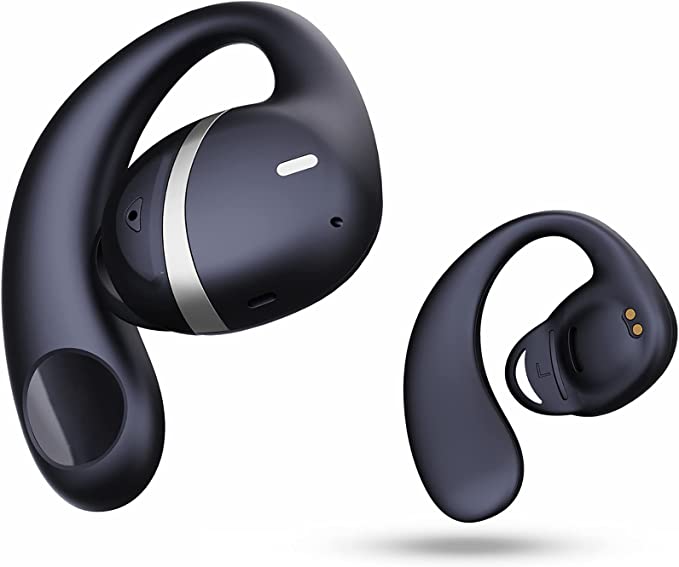
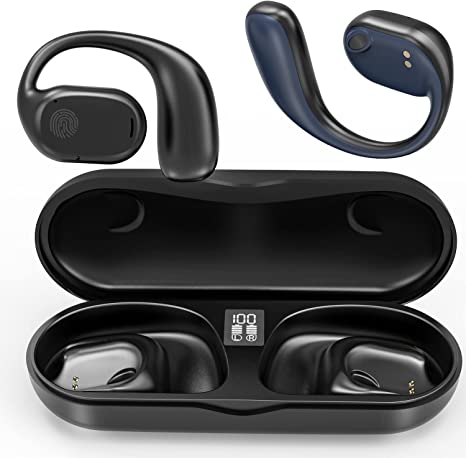
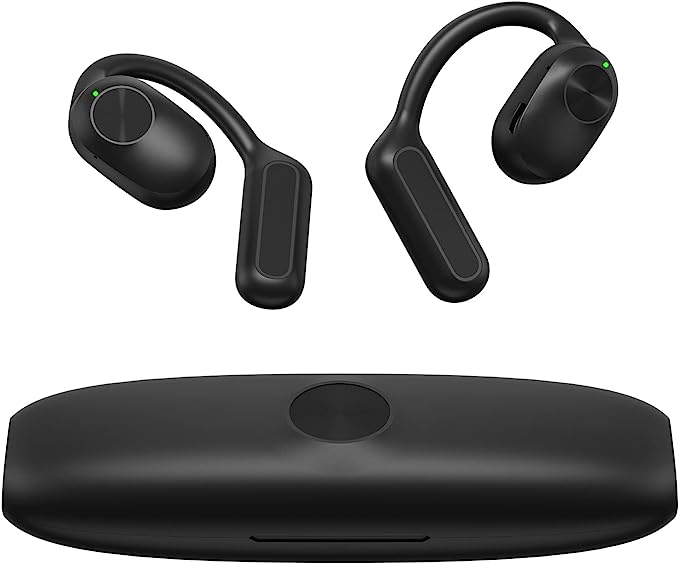
Air Conduction Technology learns from bone conduction’s mistakes. It doesn’t bypass the ear’s natural pathway. Instead, precisely positioned drivers and acoustic chambers direct sound waves through air, into your open ear canal — following the exact path ears evolved to process.
| Technology | Sound Pathway | Ear Contact | Typical Weight | Situational Awareness |
|---|---|---|---|---|
| Traditional In-Ear | Direct insertion | Full occlusion | 4-8g per bud | None |
| Traditional Over-Ear | Driver over ear | Full enclosure | 250-350g | Minimal |
| Bone Conduction | Through cheekbone | Pressure on bone | 25-35g | Full |
| Air Conduction | Directed air waves | None (open) | 16-25g | Full |
Air conduction achieves awareness benefits without sacrificing audio quality or creating unusual physical sensations.
Sound Without Touch: The Counter-Intuitive Physics
How can you hear something that isn’t touching you?
Traditional headphones operate on an unquestioned principle: earbuds create seals, over-ear drivers press against your pinna. Physical contact seems necessary for sound transmission.
Air conduction challenges this with an elegant solution: directed streams of air pressure waves build invisible audio conduits traveling through air itself.
Directed Audio Pathways Explained
Drivers aren’t conventional speakers. They’re precisely engineered acoustic projectors creating “near-field audio beams.” Think of a flashlight for sound. Regular speakers broadcast in all directions — why you hear music across rooms. These create focused beams traveling centimeters, targeted directly at your ear canal opening.
Focusing combines driver positioning and acoustic chamber design. The driver sits at a specific angle, calibrated to direct sound waves at approximately 45 degrees toward the ear. An acoustic chamber shapes the wavefront, preventing wild dispersion. Audio reaches your ear with minimal leakage — you hear music clearly, while someone a meter away hears almost nothing.
The Open-Ear Acoustic Chamber
Because your ear canal remains open, ambient sound enters naturally. This design works with, not against, environmental sounds. The acoustic chamber positions the audio beam to merge with ambient sound rather than compete.
Your brain separates audio sources remarkably well. When music and environmental sounds enter through the same pathway (your open ear canal), auditory processing centers distinguish between them. You listen to podcasts while clearly hearing traffic, conversations, or announcements. Sounds coexist without masking.
Why This Matters for Health
Implications extend beyond comfort. Extended ear canal occlusion — something blocking your ear for hours — creates warm, moist environments promoting bacterial growth. Dermatologists and audiologists document “earbud otitis” — inflammation and infection from prolonged earbud use. Constant contact with sensitive ear canal skin causes micro-abrasions and irritation.
Air conduction eliminates these issues by design. No occlusion means no trapped moisture. No contact means no pressure points. Your ears remain in their natural state — ventilated, dry, unobstructed.
The Weight Breakthrough
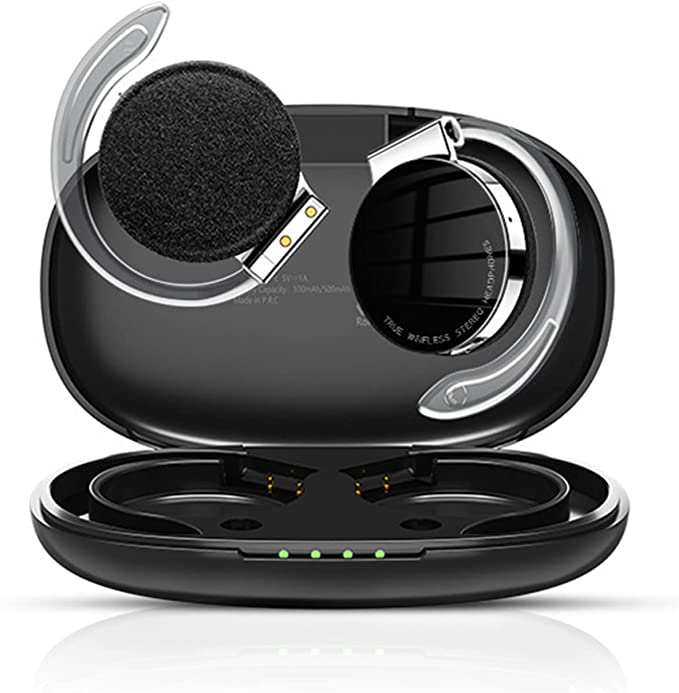
Achieving this at roughly 16 grams represents materials science achievement. Memory titanium frames provide exceptional strength-to-weight ratios. The “memory” property means frames flex thousands of times, always returning to original shape. This enables secure positioning without clamping force.
Compare to traditional headphones:
- In-ear buds: 4-8g each, concentrated entirely in ear canals
- Over-ear headphones: 250-350g, distributed but creating clamping pressure
- Bone conduction: 25-35g, concentrated on cheekbone contact points
- Air conduction: 16g total, distributed across frames resting gently around ears
At 16 grams — less than a standard AA battery — neck muscles barely register presence. This is the threshold where headphones transition from “something you wear” to “something you forget you’re wearing.”
Five Moments When Open-Ear Audio Becomes Essential
Open-ear headphones aren’t for every situation — precisely why they’re essential for specific ones.
The Commuter’s Dilemma
8:15 AM. Walking to the train station, earbuds in, listening to morning podcasts. At crosswalks, you instinctively pull out one earbud for traffic. At stations, you remove both for platform announcements. By the office, you’ve handled earbuds six times — small but cumulative annoyance.
Now imagine the same commute differently. Your podcast plays clearly, but crossing signals chirp and you hear them. Conductors announce platform changes — you’re aware. Music doesn’t stop; the world doesn’t go mute. You exist in both spaces simultaneously — your audio bubble and the physical environment.
This isn’t just convenience — it’s safety. The National Safety Council reports “inattention blindness” from audio isolation contributes to pedestrian accidents. Open-ear audio maintains “situational awareness” — the ability to perceive and process environmental cues while engaged with media.
The Remote Worker’s All-Day Call
Modern remote workers live in video meetings. Back-to-back calls from 9 AM to 5 PM means eight hours with headphones on. By hour three, traditional earbuds create discomfort. By hour six, ears ache. By hour eight, you’re physically exhausted from cumulative pressure.
Open-ear design solves this through two mechanisms. First, negligible weight means no single pressure point bears significant load. Second, open-ear design eliminates the vacuum effect creating ear fatigue in sealed designs.
Built-in microphones become crucial here. Positioned optimally for voice capture, colleagues hear you clearly without loud speaking. Bluetooth 5.1’s multi-point pairing connects to both laptop and phone simultaneously — when calls come in on your phone during laptop video, transitions are seamless.
Consider: customer support representatives working from home wear these for entire 8-hour shifts. They take calls continuously, switch between work laptops and personal phones effortlessly, and at 5 PM, remove headphones with no ear fatigue. This is all-day comfort realized.
The Runner Who Needs Traffic Awareness
Running with traditional headphones creates a dangerous paradox: music motivates, but isolation endangers. A Los Angeles runner was struck by a cyclist because noise-canceling headphones blocked bicycle bells. A New York runner didn’t hear car warning horns while jogging with earbuds at high volume.
Open-ear headphones resolve this contradiction. Ergonomic designs stay secure during running — they don’t fall out because they don’t go in. Sweat resistance protects electronics. Critically, you hear approaching vehicles, cyclists, pedestrians, and other runners.
The psychological benefit is significant too. Many runners report anxiety when isolated from their environment. With open-ear design, background stress disappears. You’re present in your run and present in your music.
The Office Worker in Shared Spaces
Open-plan offices create audio conflicts: you want focus music, but also need to hear when colleagues approach. Traditional headphones send “do not disturb” signals — not always appropriate. Constantly removing and reinserting earbuds for quick conversations is awkward and interrupts flow state.
Open-ear offers a third way. You listen to focus playlists, but when colleagues walk up to ask questions, you hear them immediately. Conversations happen naturally without the “let me take out my earbuds” dance. Professional appearance matters too — sleek designs don’t scream “gamer headset” or “gym earbuds.” They look appropriate in professional settings.
The Content Creator Monitoring Audio
Video editors, podcast producers, audio engineers spend hours monitoring playback. Traditional headphones create fatigue affecting decision-making. Editors working 4-hour sessions with sealed headphones experience cumulative fatigue that alters their perception of audio quality.
Open-ear monitoring provides different reference points. Bluetooth 5.1 offers stable connections to editing workstations with minimal latency. Sound reproduction is accurate enough for dialogue editing and general mixing. Critically, editors work for hours without cumulative fatigue clouding judgment.
For content creators who also take calls — interviewing subjects, coordinating with clients, participating in production meetings — built-in microphones and multi-point pairing create seamless workflows. One device handles both creative monitoring and communication.

These five scenarios reveal patterns: open-ear audio excels wherever awareness, comfort, and extended wear intersect. It’s not about replacing all headphones — it’s about having the right tool for specific situations where traditional designs create problems.
When Headphones Fail: Understanding the Limits
Honesty about limitations builds more trust than inflated claims. Open-ear headphones represent different trade-offs, not universal upgrades. Understanding where they fall short is as important as celebrating where they excel.
What Open-Ear Cannot Do
Active Noise Cancellation (ANC) requires seals. Microphones enabling ANC need to measure external sound in controlled acoustic environments — which means headphones must isolate your ear from the environment. Open-ear design, by definition, cannot provide this. If you frequently fly on commercial aircraft relying on ANC to reduce engine drone, open-ear headphones will disappoint. They don’t cancel noise — they let noise in by design.
Bass response presents another trade-off. Sealed headphone designs create closed acoustic chambers enhancing low-frequency reproduction. When ear canals are sealed, bass frequencies build pressure more effectively. Open-ear designs can’t create this pressure differential. They deliver bass, but won’t have the chest-thumping low-end of good over-ear headphones or the surprising bass punch of premium in-ear monitors. For most music, this is acceptable. For bass-heavy genres like EDM or hip-hop, audiophiles might notice differences.
Loud environments create fundamental challenges. Because open-ear headphones don’t isolate, ambient noise competes with your audio. In quiet offices, this isn’t an issue. In noisy coffee shops during rush hour, you’ll increase volume to overcome ambient chatter. There’s a limit to how loud you should drive any headphone, and in very noisy environments, that limit may not be sufficient for comfortable listening.
Who Should NOT Buy Open-Ear Headphones
Frequent flyers top this list. The combination of constant engine noise and inability to use ANC means frustration on planes. You’ll either crank volume to unsafe levels or accept constant competition with aircraft. Invest in good over-ear ANC headphones for air travel instead.
Audiophiles seeking maximum fidelity should also pause. While delivering very good sound quality for the category, open-ear cannot match acoustic performance of high-end sealed designs. The open nature means some sound energy escapes rather than being directed into your ear canal. Critical listening sessions demanding absolute fidelity are better served by traditional audiophile headphones.
Users in consistently noisy workplaces face similar challenges. Construction sites, manufacturing floors, busy restaurant kitchens — these environments exceed what open-ear audio can effectively compete with. In these cases, either traditional isolating headphones or specialized communication headsets designed for noisy environments are more appropriate.
The Sweet Spot
When does open-ear become the obvious choice? Three criteria:
-
Extended wear requirements: If you need headphones for 4+ hours continuously, the comfort advantage becomes decisive.
-
Situational awareness needs: If your activities require environmental monitoring — commuting, running, office work — safety and convenience benefits outweigh fidelity trade-offs.
-
Ear fatigue sensitivity: If traditional earbuds cause discomfort after an hour or two, open-ear design offers genuine relief.
This honest assessment prevents mismatched expectations. Open-ear headphones aren’t failing when they don’t excel at noise isolation — they were never designed to. They succeed when they enable all-day comfort and environmental awareness.
The Open-Ear Future: What Comes Next
Technology evolves fastest at category intersections. Open-ear headphones sit at such an intersection — audio hardware meeting ergonomic design meeting situational awareness. Understanding where this category heads next reveals both potential and limitations.
Next-Generation Features
Current-generation air conduction technology will likely address two main trade-offs: bass response and sound isolation on demand.
Bass enhancement without occlusion presents engineering challenges. Solutions might include larger or more efficient drivers moving more air, acoustic chamber redesigns better directing low frequencies, or digital signal processing enhancing perceived bass without requiring additional physical pressure.
Some manufacturers experiment with hybrid designs — open-ear for awareness mode, with optional ear tips creating seals for isolation mode. This “best of both worlds” approach adds complexity but offers flexibility.
Health monitoring integration represents another frontier. The same open-ear design enabling awareness could house sensors for heart rate monitoring through the temporal artery, body temperature tracking, or posture and head position sensing. These features would transform headphones from audio devices into wellness platforms. All-day wearability makes them ideal for continuous health monitoring — though this remains speculative for now.
The Competitive Response
Traditional headphone manufacturers are watching. Sony, Bose, Sennheiser — companies that built empires on sealed acoustic designs — face choices: dismiss open-ear as niche or adapt product lines.
Evidence suggests adaptation is underway. At CES 2023, multiple major brands showcased open-ear concepts. Some are licensing air conduction patents. Others are developing proprietary variations. This competitive influx will drive down prices through economies of scale, accelerate feature innovation, and legitimize the category for skeptical consumers.
Price point evolution typically follows patterns: early adopters pay premium prices, mass adoption brings competition, competition drives efficiency, efficiency lowers prices. Within two years, comparable open-ear headphones will likely appear at lower price points, with budget options emerging.
Building Your Audio Stack
Rather than viewing headphones as single purchases, think in terms of audio stacks — multiple headphones optimized for different use cases. Open-ear earns its place in this stack, not by replacing all other headphones but by owning specific scenarios.
A rational audio stack might include:
- Open-ear headphones: Office work, commuting, running, all-day calls, situations requiring awareness
- Over-ear ANC headphones: Air travel, loud environments, critical listening sessions, deep focus work
- In-ear monitors: Gym workouts where sweat resistance and secure fit are paramount, backup travel headphones
This multi-headphone approach costs more upfront but delivers better experiences across all scenarios. Open-ear handles the majority of daily listening for most knowledge workers — the 4-8 hours of office work and commuting where comfort and awareness matter most.
The open-ear future isn’t about replacing all headphones. It’s about expanding the toolkit — giving users options for scenarios where traditional designs create problems. This sits at the leading edge of expansion today. Tomorrow’s versions will be better, cheaper, and more feature-rich. But the core insight — that headphones can disappear while you’re wearing them — is here to stay.