The Ergonomics of Invisibility: A Guide to Earbuds for Small Ears and Side Sleepers
Update on Nov. 14, 2025, 6:38 p.m.
For a significant portion of the population, the wireless earbud revolution has come with a persistent, nagging problem: pain. The one-size-fits-all approach of many mainstream designs simply doesn’t account for the vast diversity of human ear shapes. For those with small ear canals, what is advertised as a snug fit often feels like a painful, oversized intrusion. For side sleepers, any earbud with bulk becomes an instrument of torture when pressed against a pillow.
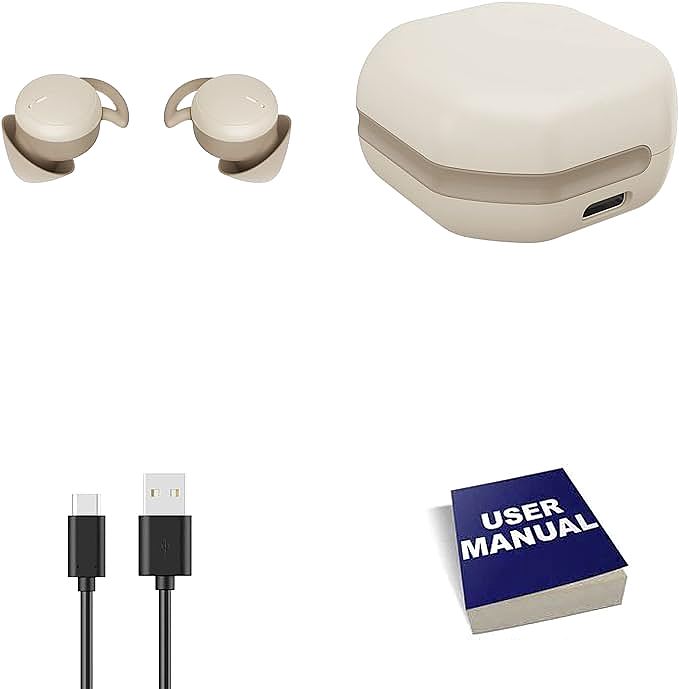
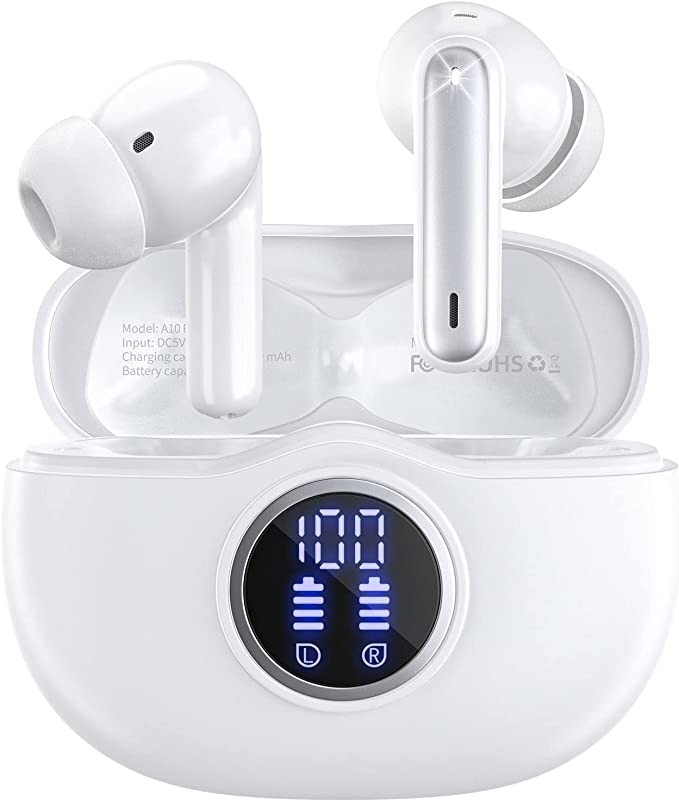
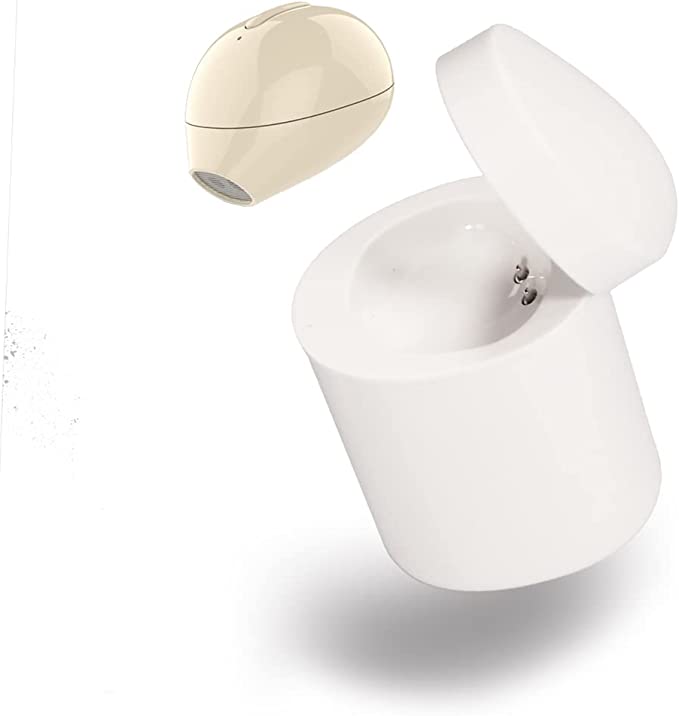
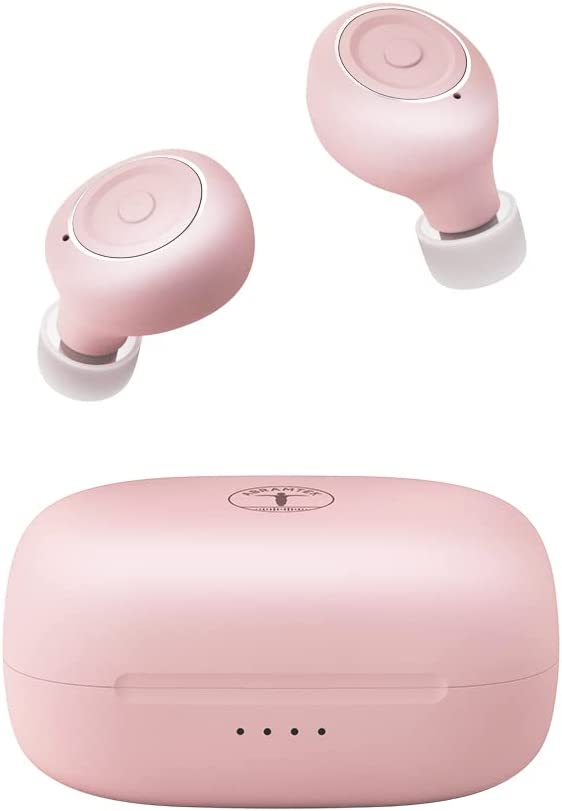
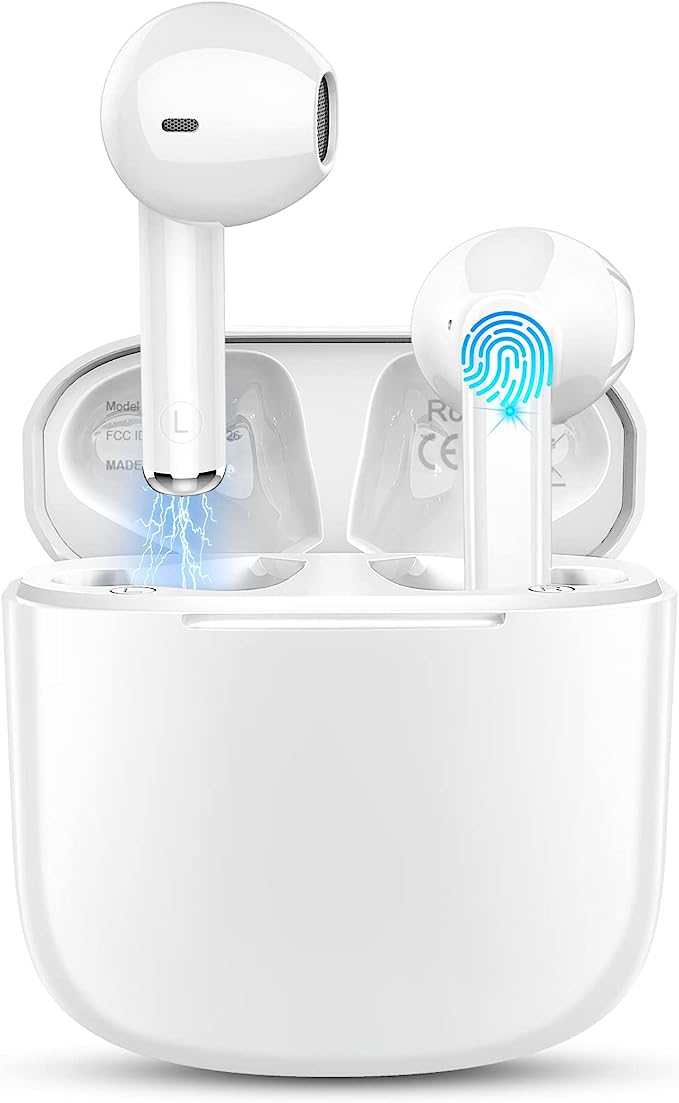
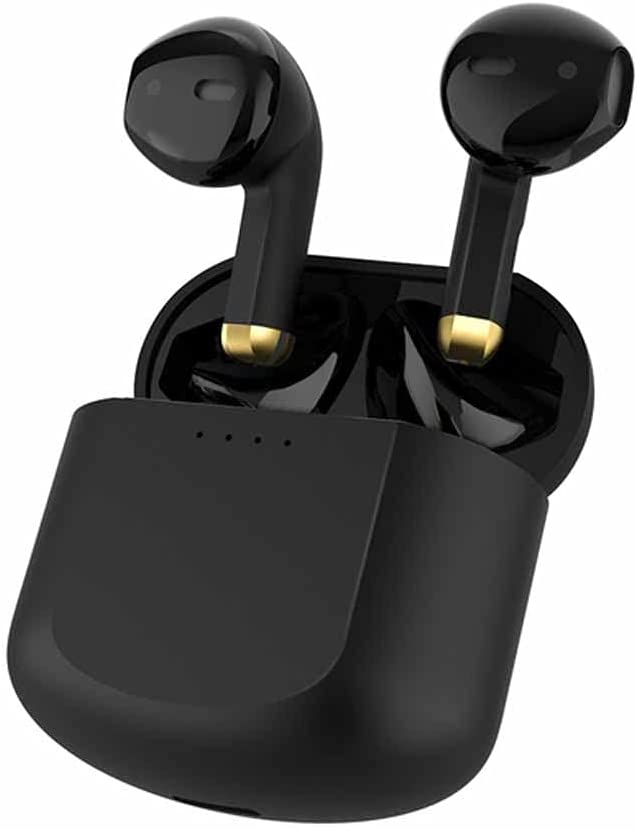
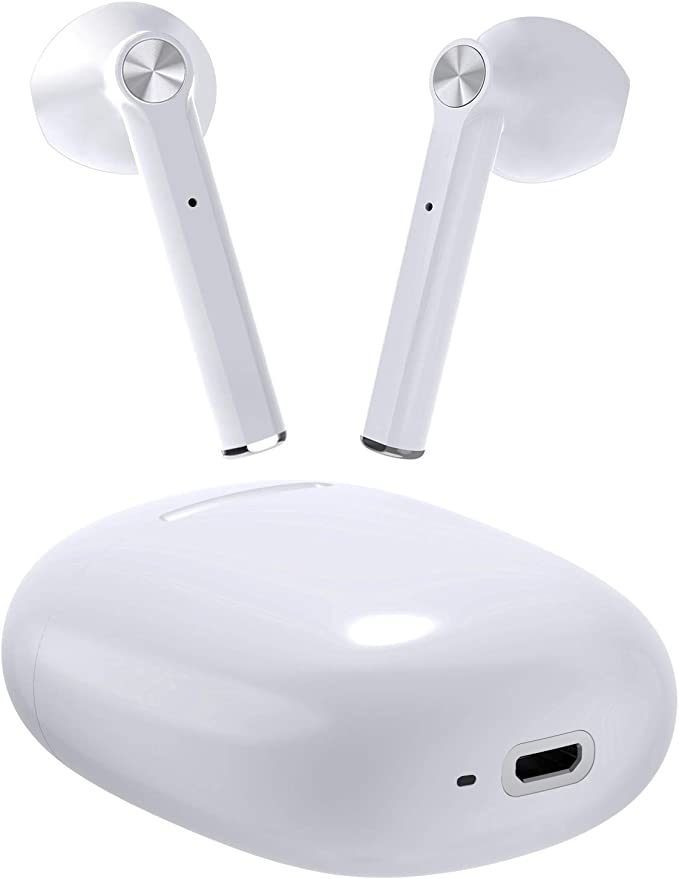
This widespread issue has created a demand not just for earbuds that sound good, but for earbuds that feel like nothing at all. This is the quest for ergonomic invisibility. Rather than another “best of” list, this is a guide to the engineering principles that make such comfort possible. By deconstructing the key design pillars of a purpose-built device like the SQRMINI MY002 Mini Wireless Earbuds, we can empower you to identify a truly comfortable audio companion.

Pillar 1: The Physics of a Featherweight—Why Mass and Profile Matter
The foundation of long-term comfort is the minimization of pressure. The human ear, particularly the cartilage of the concha and the sensitive skin of the ear canal, is not designed to bear weight or sustained force. This is where the science of micro-engineering comes into play.
-
Mass and Gravity: A specification like the SQRMINI MY002’s weight of 2.7 grams (0.095oz) is more than a number; it’s a statement of ergonomic intent. An earbud’s weight directly translates to the gravitational force it exerts on your ear. While a few grams may seem trivial, over several hours this constant, focused pressure is a primary cause of soreness and what is known as “ear fatigue.” A truly lightweight design is the first step toward achieving a “forget-you’re-wearing-it” experience.
-
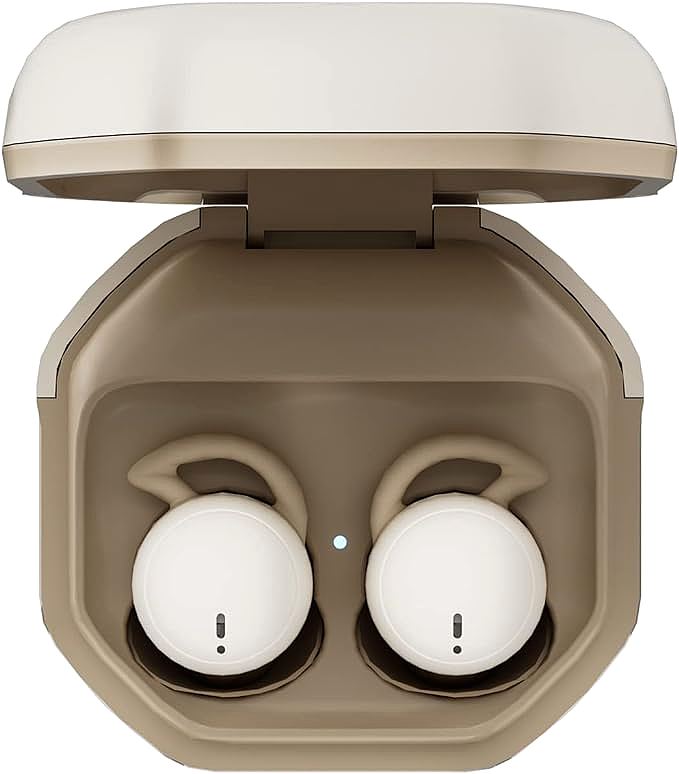
Profile and Pressure (The Side-Sleeper Test): For side sleepers, the enemy is leverage. Any part of an earbud that protrudes from the ear—a stem, a bulky body—acts as a lever when pressed against a pillow, multiplying the force and creating an intense pressure point. The ideal sleep earbud, therefore, must have an ultra-low profile. A design described as having “no hangy-down part” and a minimal dimension, such as the 1.3cm (0.51 inch) profile of the MY002, is specifically engineered to sit flush within the concha of the ear, minimizing this lever effect and allowing for comfortable side sleeping.

Pillar 2: The Science of the Gentle Seal—Passive Noise Isolation
For both focus and sleep, creating a bubble of quiet is essential. In compact earbuds, this is achieved not with power-hungry electronics, but with an elegant physical principle: Passive Noise Isolation (PNI).
PNI is essentially using the earbud itself as a high-tech earplug. Its effectiveness depends entirely on the quality of the seal the eartip creates in your ear canal. The SQRMINI MY002 utilizes soft silicone eartips with an “umbrella shape.” This design is intentional: * Conformity: The soft silicone is designed to flex and conform to the unique shape of an individual’s ear canal. * The Seal: The “umbrella” flange gently seals off the ear canal, creating a physical barrier that blocks a significant amount of external sound waves, particularly in the mid to high-frequency range (like chatter and ambient hiss).
This seal serves a dual purpose. It isolates you from distractions, allowing you to listen at a lower, safer volume. It also creates a closed acoustic chamber, which is crucial for good bass response. Without a proper seal, low-frequency sound waves escape, leading to a thin, tinny sound.
The Inevitable Trade-Offs of Miniaturization
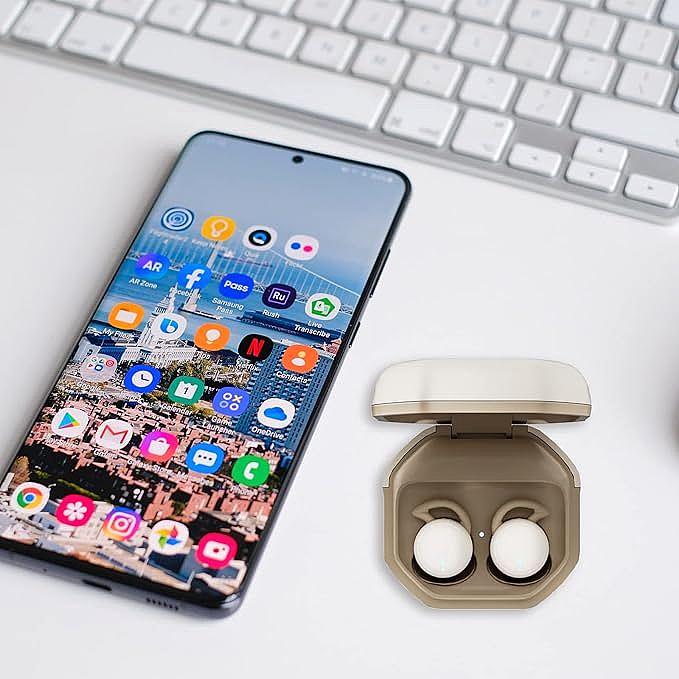
Creating a device this small, especially at an affordable price point, requires brilliant but necessary engineering compromises. Understanding these trade-offs is key to having realistic expectations.
- Acoustic Volume: An 8mm driver in an ultra-compact housing has physical limitations. While capable of producing clear sound, it may struggle to produce the same volume and deep sub-bass as larger earbuds. This is a common theme in user feedback for many mini earbuds—the sound is decent, but may not be loud enough for very noisy environments.
- Battery Capacity: Physics is unforgiving. A tiny shell can only hold a tiny battery. The design relies on a system: a modest battery in the earbuds (providing ~6 hours of playtime) supplemented by a charging case that acts as a portable power bank. While the total playtime is respectable, the single-charge duration reflects the compromise made for size.
- Durability and Controls: Miniaturizing components can sometimes impact long-term robustness. As some user experiences suggest, charging contacts or internal components can be delicate. Similarly, touch controls on a tiny surface can be less feature-rich than on larger models.
These are not necessarily flaws, but rather the inherent physics and economics of creating a specialized, ultra-compact device.
Conclusion: A Purpose-Built Solution
The quest for a comfortable earbud, especially for those with small ears or who sleep on their side, is a search for a device that respects the unique ergonomics of the human ear. It is a problem that cannot be solved by simply making mainstream earbuds smaller, but requires a ground-up design philosophy centered on minimizing mass, profile, and pressure.
By understanding the key engineering pillars—a featherlight and low-profile form factor, and a soft, effective sealing eartip—you can look beyond marketing hype and identify a product truly designed for your needs. A device like the SQRMINI MY002 is not an all-purpose audiophile product; it is a specialized tool, meticulously engineered to solve a very specific and very human problem: the desire to listen in absolute, unobtrusive comfort.