The Architecture of Silence: Managing Tinnitus Through Acoustic Engineering
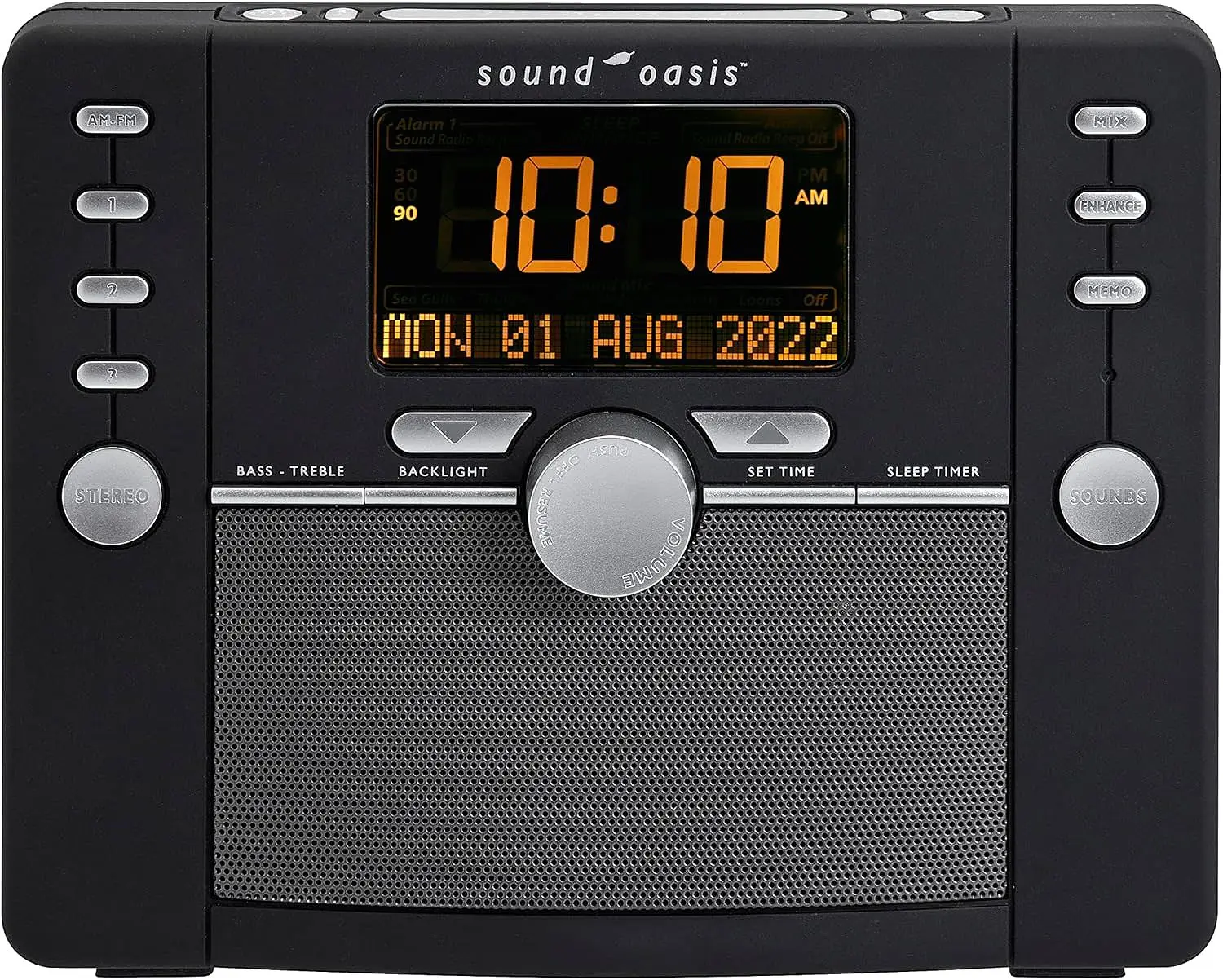
Sound Oasis S-6000 Deluxe Bluetooth Sleep Tinnitus Sound Machine
True silence is not a void; it is a signal. In the absence of external sound, the human auditory system does not simply switch off. Instead, it searches. Like a radio increasing its gain to catch a faint transmission, the brain amplifies its sensitivity when deprived of auditory input. For millions of people, this amplification results in a "phantom" perception—a ringing, hissing, or roaring known as tinnitus.
This phenomenon is often rooted in maladaptive neuroplasticity. When the hair cells in the cochlea are damaged (often by age or noise exposure), they stop sending signals to the brain. The auditory cortex, expecting input, compensates by spontaneously firing neurons. This creates a feedback loop: the brain generates the very noise it is straining to hear. Managing this condition requires not the removal of sound, but the strategic introduction of it—a process known as acoustic masking.
The Physics of Sound Colors: Why Hardware Matters
In the realm of sound therapy, not all noise is created equal. Engineers categorize sound based on its spectral density—how energy is distributed across frequencies.
- White Noise: Has equal energy per frequency. It sounds like intense radio static and can be harsh to sensitive ears.
- Pink Noise: Energy decreases by 3 decibels per octave. It sounds balanced, like steady rain.
- Brown (Red) Noise: Energy decreases by 6 decibels per octave. This concentrates power in the low frequencies, creating a deep, rumbling texture similar to a distant waterfall or heavy surf.
For many tinnitus sufferers, Brown Noise is the most effective therapeutic tool because low-frequency sounds are less fatiguing over long periods. However, reproducing Brown Noise presents a physical challenge. Low-frequency sound waves have long wavelengths that require significant air displacement to be audible.
This brings us to a critical engineering constraint: driver size. Most compact sleep machines use small, single drivers that physically cannot reproduce the deep lows of Brown Noise. They simply chop off the bottom end of the spectrum, turning a soothing rumble into a thin hiss. Devices like the Sound Oasis S-6000 address this by integrating a dedicated subwoofer into the chassis. This allows the system to move the necessary volume of air, delivering the visceral, physical presence of low-frequency sound that is essential for effective masking.

Sculpting the Mask: The Role of Equalization
Tinnitus is highly individual. One person may hear a 4000Hz pure tone, while another hears a broad hiss centered around 8000Hz. A generic masking sound might cover one but miss the other entirely. This is why customizability is the frontier of modern sound therapy.
Clinical studies suggest that "notched" music or frequency-matched noise can help induce habituation—the process where the brain learns to ignore the tinnitus signal. By adjusting the bass and treble (equalization), a user can shape the masking sound to overlap with their specific tinnitus frequency.
The S-6000 facilitates this via its companion app and on-device controls, allowing users to modify the frequency response of the therapy tracks. By boosting specific bands, the user creates a "sonic bandage" that covers the phantom sound without requiring excessive volume, protecting the ears from further fatigue.
The Biophilic Connection
Beyond the physics of noise, there is the biology of comfort. The Biophilia Hypothesis suggests that humans possess an innate tendency to seek connections with nature. Evolutionarily, the sounds of a calm environment—flowing water, rustling leaves, crickets—signal safety.
Research indicates that high-fidelity natural soundscapes can lower cortisol levels and activate the parasympathetic nervous system (the "rest and digest" state). However, the brain is an excellent pattern recognition machine. If a sound machine utilizes short, low-quality loops (e.g., a 10-second recording of rain repeated endlessly), the brain detects the pattern. Instead of relaxing, it becomes alert, anticipating the repetition. This "loop anxiety" defeats the purpose of the therapy.
High-end systems utilize long, complex, non-repeating algorithms or high-bitrate recordings to maintain the illusion of a natural environment. When the soundscape is convincing, the brain creates a cognitive map of a safe environment, facilitating the transition into deep sleep stages.

Reclaiming the Auditory Environment
The goal of modern tinnitus management is not to cure the condition—which remains elusive—but to alter the brain's reaction to it. By understanding the neuroscience of phantom sound and utilizing tools built on solid acoustic principles, individuals can reclaim their auditory environment.
Whether through the deep physics of Brown noise facilitated by a subwoofer or the precise application of frequency equalization, the technology exists to turn a nightly battle into a peaceful coexistence. It is a testament to how engineering can interface directly with human biology to restore the vital necessity of rest.
Sound Oasis S-6000 Deluxe Bluetooth Sleep Tinnitus Sound Machine
Related Essays

Sound Oasis Deluxe Bluetooth Sleep Tinnitus Sound Machine: Your Oasis of Tranquility in a Noisy World

Engineering Acoustic Camouflage: The Mathematics of Auditory Masking

Analog Alchemy: The Physics of the Marshall Mode EQ

The Physics of Frugality: Deconstructing High-Fidelity Audio on a Budget

The Architecture of Air: Deconstructing the Open-Back Soundstage via the Sennheiser HD 579

The Science of Silence: Deconstructing ANC and Efficiency in Modern Audio

The Latency Paradox: Why 'Perfect' Wireless Sound is a Matter of Timing

Beyond the Hype: Understanding Hi-Res Audio, 72H Playtime & Studio DNA

Falebare Q99-01 Wireless Bluetooth Headphones : Excellent Sound and Endless Playtime
