The Silent Classroom: Cognitive Load, Acoustic Isolation, and the Tool of Focus
Update on Jan. 1, 2026, 2:05 p.m.
Learning is a fragile process. It requires the brain to construct new neural pathways, a task that demands immense energy and concentration. Yet, the modern classroom is often an acoustic battlefield. The scrape of chairs, the murmur of group work, the hum of projectors—this cacophony creates a “Noise Floor” that every student must mentally overcome before they can even begin to process the lesson.
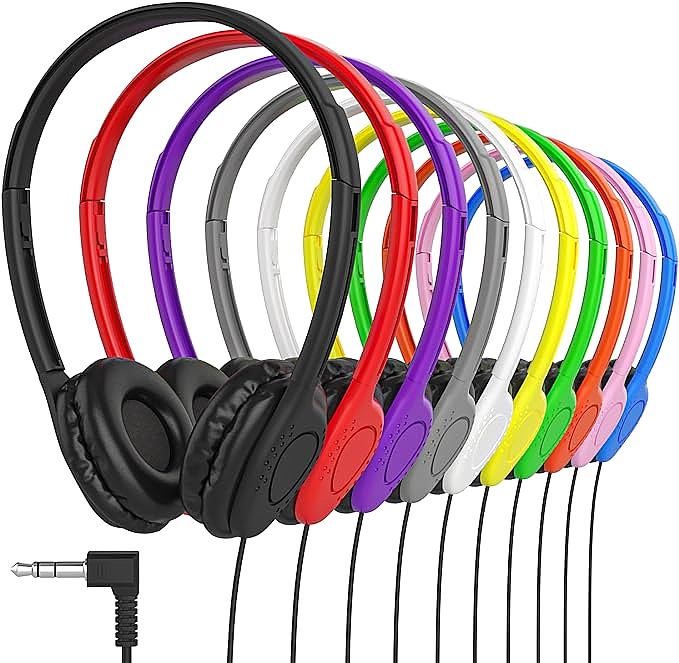
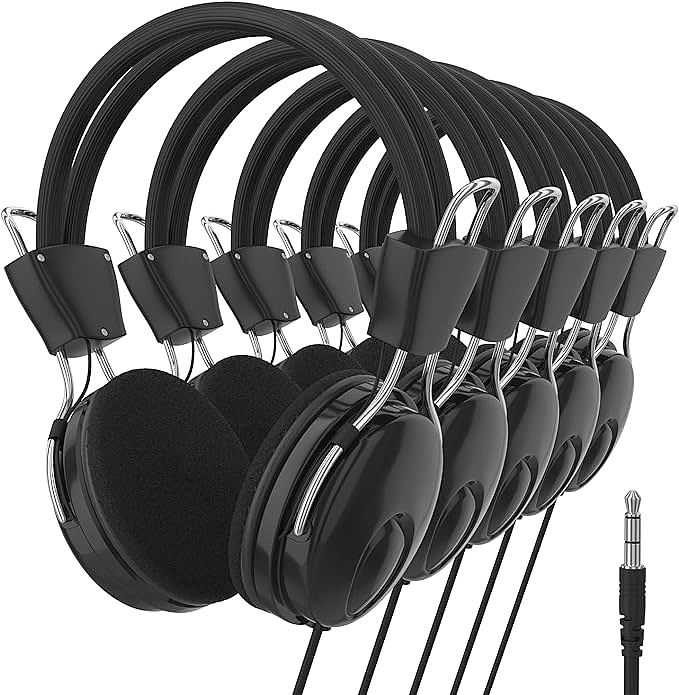
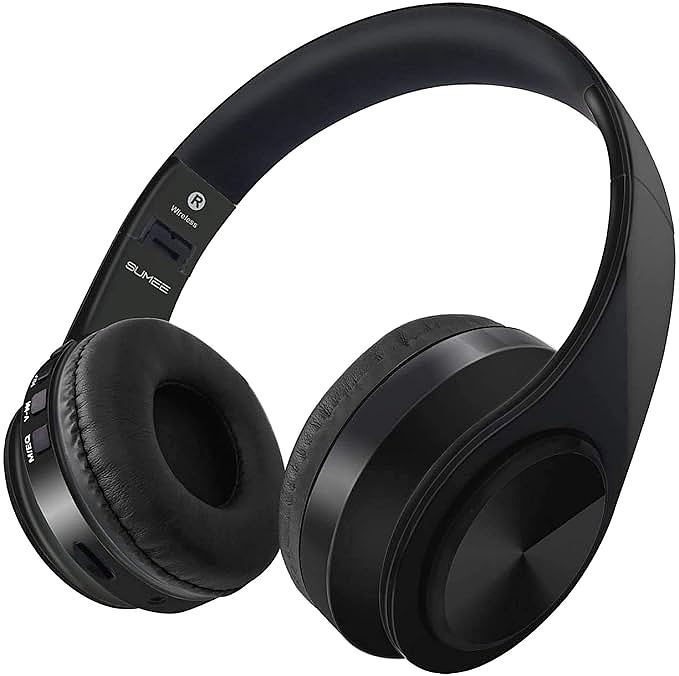
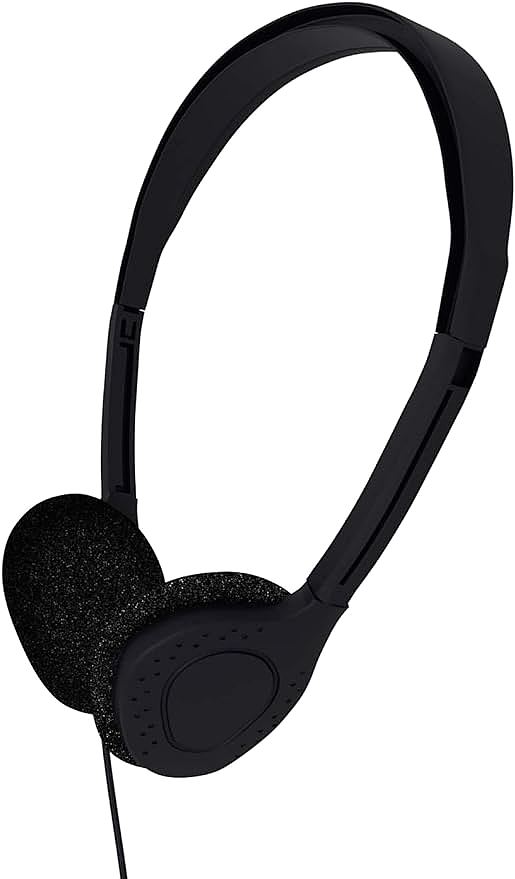
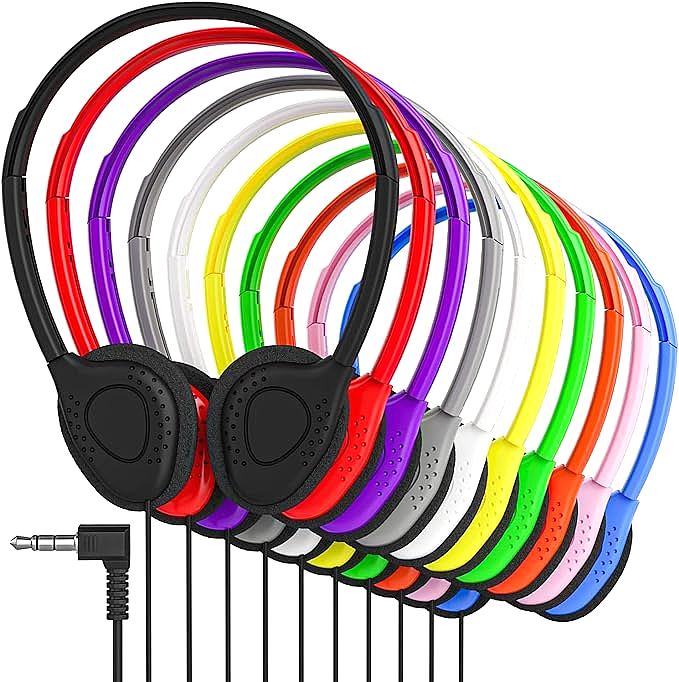
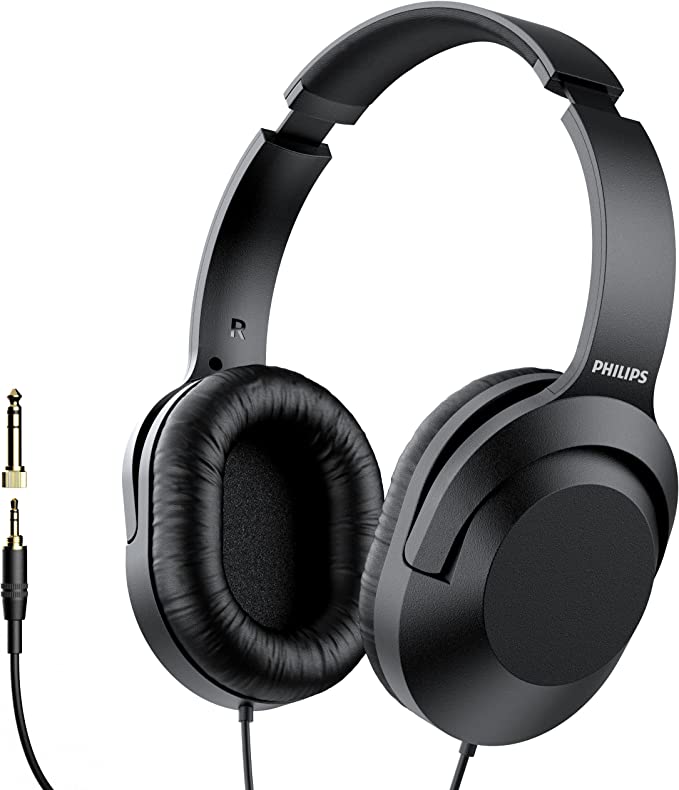
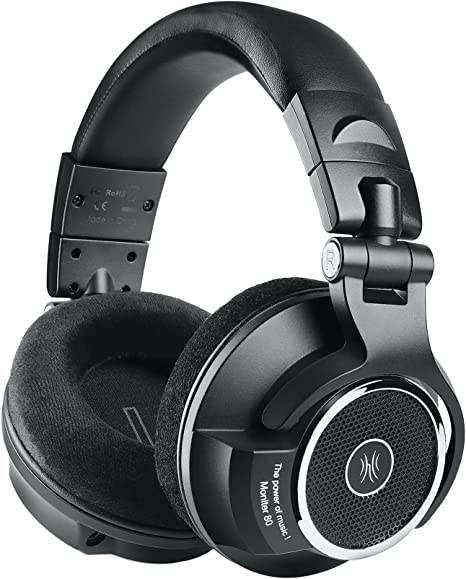
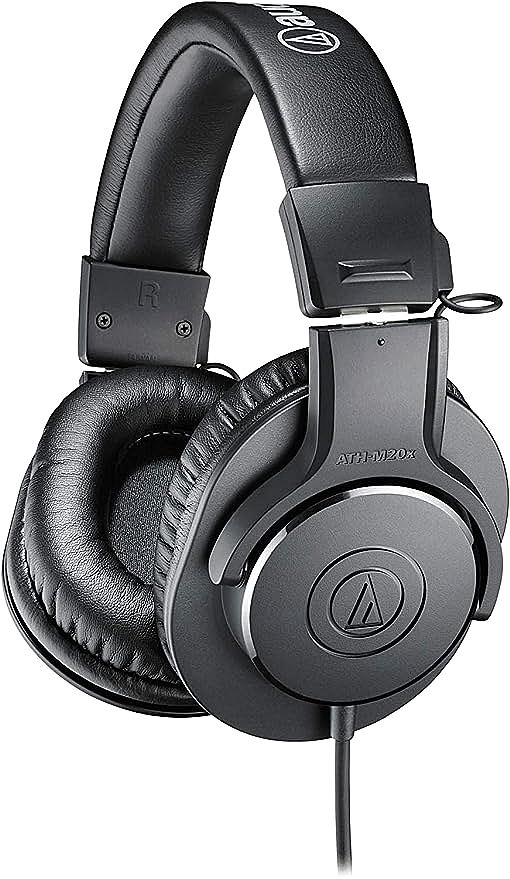
This is where the humble headphone transforms from an accessory into a critical piece of educational infrastructure. Devices like the Maeline Bulk Wired Headphones are not designed for audiophile appreciation; they are designed for Cognitive Protection. By physically sealing the ear and delivering direct audio, they lower the cognitive load on the student, creating a private “bubble of focus” amidst the chaos.
This article explores the intersection of Educational Psychology and Acoustic Engineering. We will dissect Cognitive Load Theory, the physics of Passive Isolation, and why a simple pair of over-ear headphones might be the most effective tool for boosting academic performance in shared spaces.
The Invisible Tax: Noise and Cognitive Load
Cognitive Load Theory, developed by John Sweller, posits that our working memory has a limited capacity. * Intrinsic Load: The difficulty of the subject matter itself (e.g., calculus). * Extraneous Load: The mental effort required to filter out distractions (e.g., noise).
The Filter Cost
Every time a student hears a distraction, their brain must process it to decide to ignore it. This “filtering” consumes the same metabolic resources needed for learning. In a noisy classroom, a significant percentage of a student’s brainpower is wasted just maintaining focus. * The Threshold: Studies show that background noise levels above 60dB significantly degrade reading comprehension and memory retention in children, whose auditory filtering mechanisms are not yet fully developed.
The Physical Firewall: Passive Noise Isolation
The Maeline headphones employ Passive Noise Isolation. Unlike Active Noise Cancellation (ANC), which uses batteries and processing, passive isolation relies on physics: Mass and Seal. * Circumaural Design: The “Over-Ear” cups encompass the entire pinna. The soft leatherette cushions form a seal against the skull. * Transmission Loss: The plastic shell acts as a barrier. High-frequency sounds (speech, rustling paper) have short wavelengths that are easily blocked by physical mass.
Creating the “Focus Bubble”
By physically attenuating external noise by 15-20dB, the headphones artificially lower the noise floor for the student. This reduces Extraneous Load. The brain stops fighting the environment and redirects that energy to the Intrinsic Load of the lesson. It is a mechanical solution to a neurological problem.

The Signal-to-Noise Ratio (SNR) in Learning
For auditory learning (language apps, video lectures), the Signal-to-Noise Ratio (SNR) is paramount. * Open Air: Listening to a tablet speaker in a classroom means the audio fights the room noise. The SNR is low. Intelligibility suffers. * Headphone Delivery: By placing the driver 2cm from the ear canal and sealing it, the signal (lesson) is dominant. The noise is suppressed. The SNR skyrockets.
This clarity is crucial for Phonemic Awareness—distinguishing between similar sounds (e.g., ‘b’ vs ‘p’), which is the foundation of literacy and language acquisition.
Universal Design: The Ergonomics of Inclusion
Classrooms are diverse. A headphone must fit a 1st grader and a 12th grader.
* Adjustable Headband: The retractable mechanism allows the vertical dimension to change, accommodating different cranial heights.
* Swivel Cups: The 90-degree swivel allows the earcups to align with the unique angle of the user’s jaw, ensuring the seal is maintained regardless of head shape.
This adjustability ensures that the acoustic benefits are consistent across the entire student population, making it an inclusive tool.
Conclusion: The Architecture of Attention
In the digital age, attention is the scarcest resource. The Maeline Bulk Wired Headphones serve as “Attention Architects.” They construct a temporary, portable wall against distraction.
By understanding the science of Cognitive Load, educators can see these devices not just as hardware, but as essential cognitive aids. They provide the silence necessary for thought, the clarity necessary for understanding, and the focus necessary for learning.