Why Your Earbuds Always Die Too Soon: The Physics of Battery Anxiety
Update on March 13, 2026, 2:36 p.m.
It’s 6:47 AM. You’re three miles into your morning run, halfway through that podcast episode you’ve been waiting all week to hear. Then the voice cuts through: “Battery low.” By mile four, silence. You’re standing on a wet sidewalk, holding a useless piece of plastic, feeling a frustration that seems disproportionate to the situation.
This isn’t really about the podcast. It’s about technology failing to match human endurance. Your body can run for hours. Your earbuds cannot. And that mismatch—between biological capacity and electronic limitation—reveals something profound about the engineering trade-offs that shape our daily relationship with technology.
The wireless earbud in its modern form has existed for less than a decade. In that time, it has become as ubiquitous as the smartphone it depends on. Yet the fundamental constraint remains unchanged: we are trying to pack days worth of energy into a space smaller than a grape. The solutions engineers have devised to solve this problem touch on electrochemistry, materials science, and the psychology of why a blinking red light triggers stress responses that feel oddly primal.

The Psychology of the 20% Warning
Battery anxiety is a distinctly modern phenomenon. No one experienced “horse anxiety” when their carriage had limited range. No one felt “steam engine anxiety” before refueling. Yet today, an estimated 53% of smartphone users report stress when their battery drops below 20%, according to research published in the Journal of Consumer Psychology.
The number is arbitrary. A lithium-ion battery at 20% still contains substantial energy. But 20% represents something psychologically real: the transition from abundance to scarcity. Above 20%, you have options. Below 20%, you are dependent. That threshold triggers what psychologists call “resource vigilance”—a heightened state of awareness about your remaining capacity.
Earbud manufacturers have responded by extending total playtime far beyond what most users actually need. The average wireless earbud session lasts 2-3 hours, according to usage pattern studies. Yet products now advertise 48 hours, 72 hours, even 100 hours of cumulative playtime. This isn’t engineering excess—it’s psychological necessity. The goal isn’t to match actual usage. It’s to push the anxiety threshold beyond the typical use cycle.
When you don’t have to think about charging every night, something subtle shifts. The technology recedes into the background. It becomes reliable not because it’s perfect, but because it’s predictable. And predictability, in the context of consumer electronics, is often indistinguishable from quality.
The Fuel Tank in Your Ear
A milliampere-hour is a unit of electric charge. The analogy: it’s the fuel tank capacity for electrons. A 950mAh battery can theoretically deliver 950 milliamperes for one hour, or 475 milliamperes for two hours, or 95 milliamperes for ten hours. The total energy available remains constant. Only the draw rate changes.
For context, a typical wireless earbud driver consumes 30-50 milliwatts during playback. At the standard 3.7V nominal voltage of lithium-ion batteries, that’s roughly 8-14 milliamperes of current draw. Simple division suggests a 950mAh battery could power such a driver for 68-119 hours. Reality is less generous.
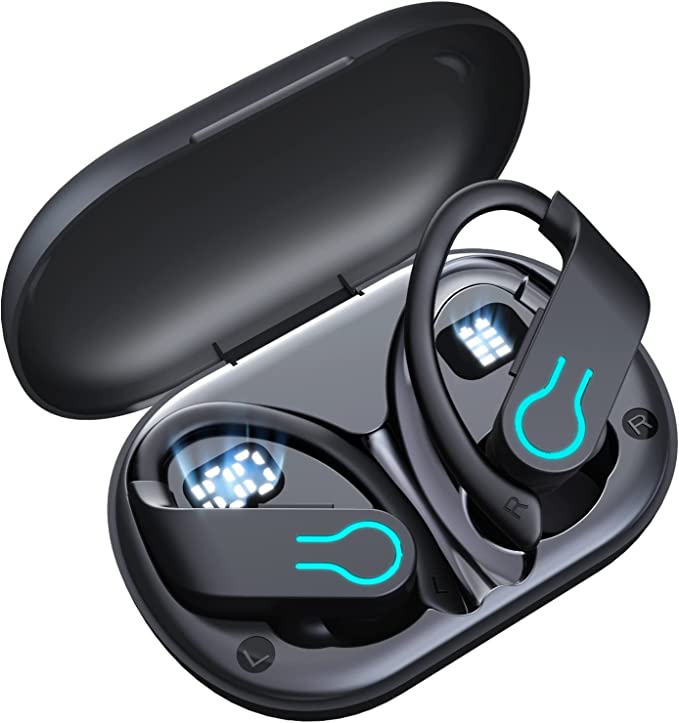
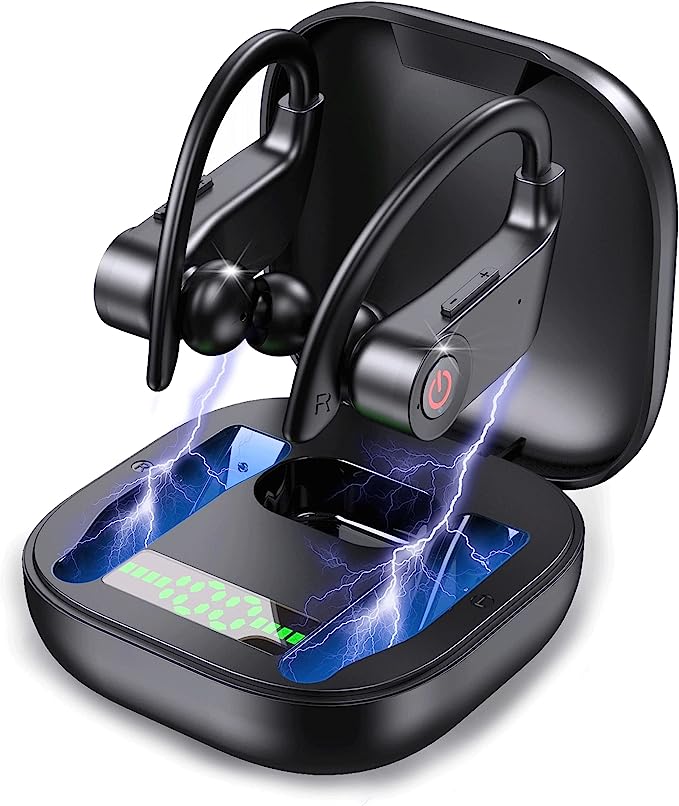
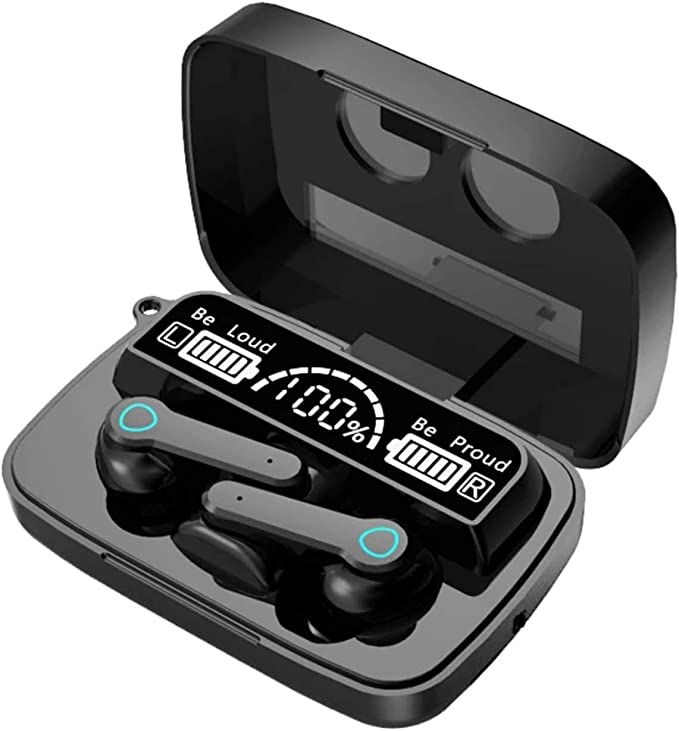
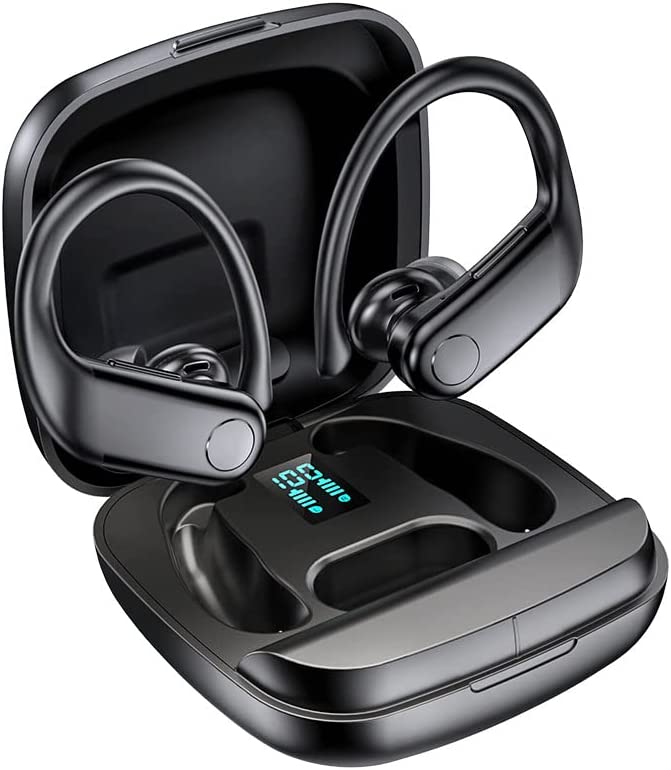
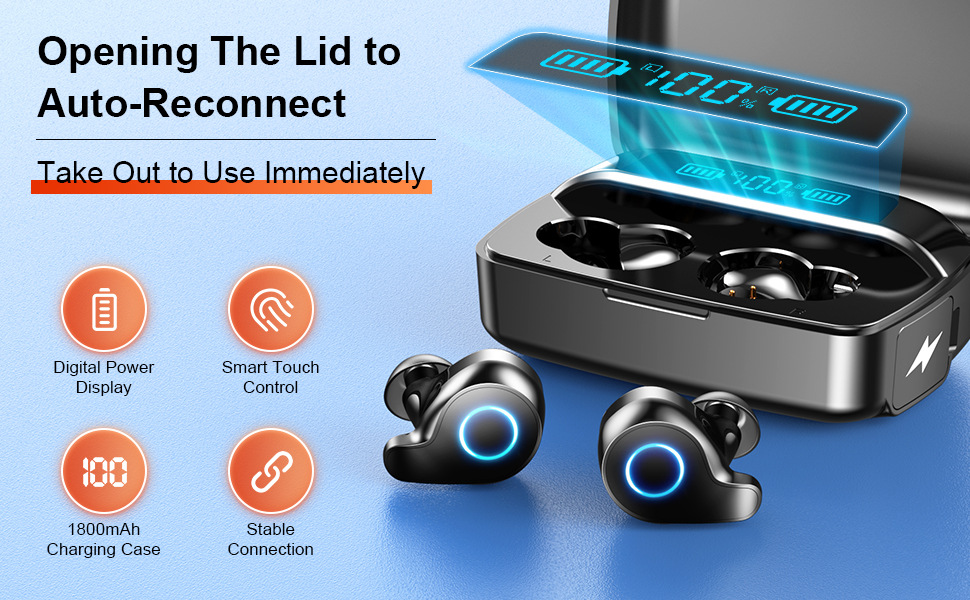
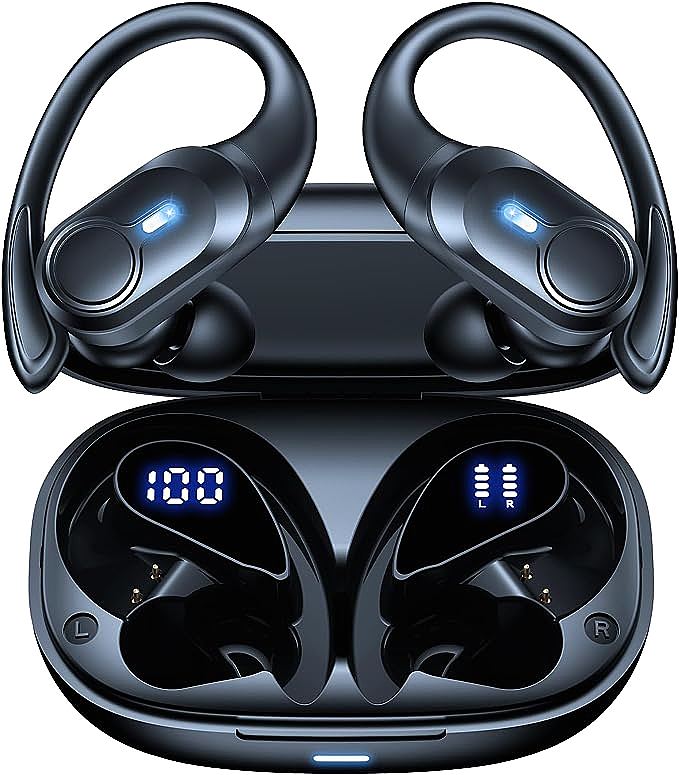
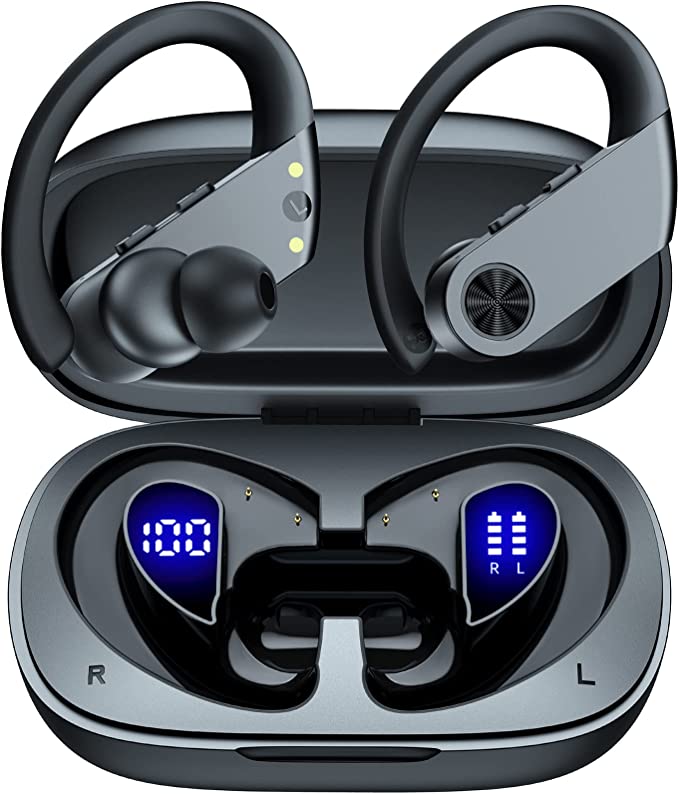
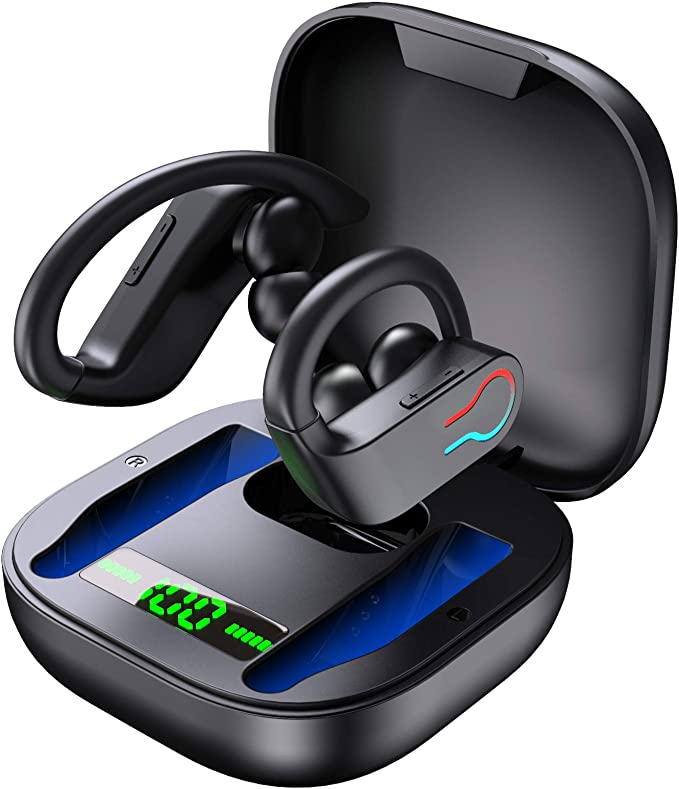
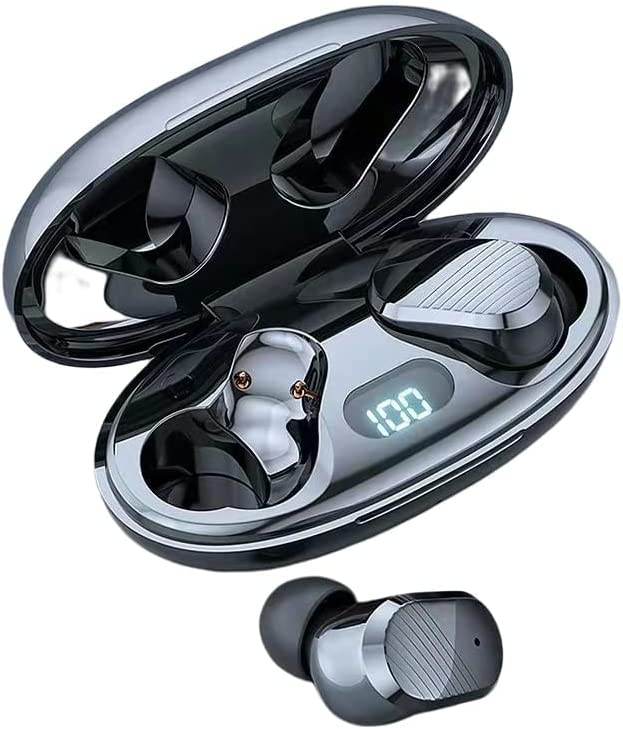
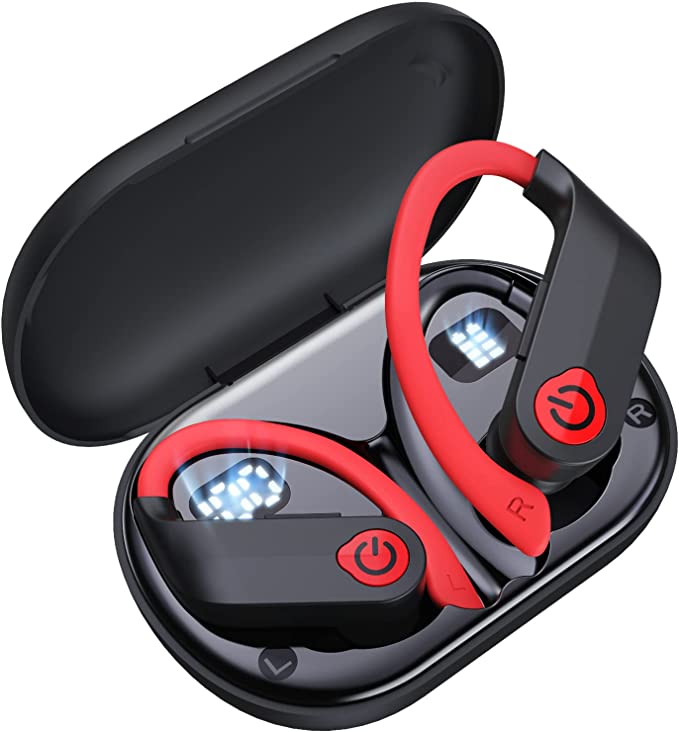
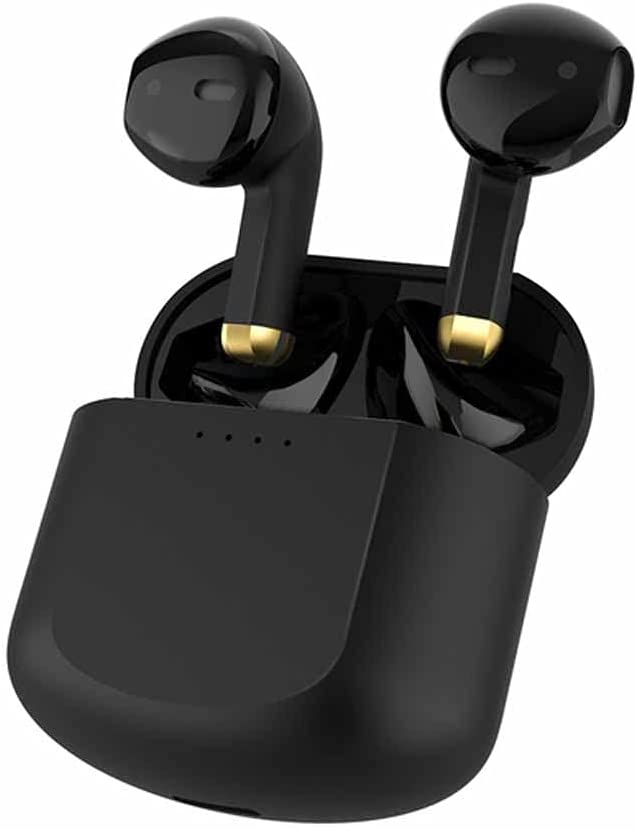
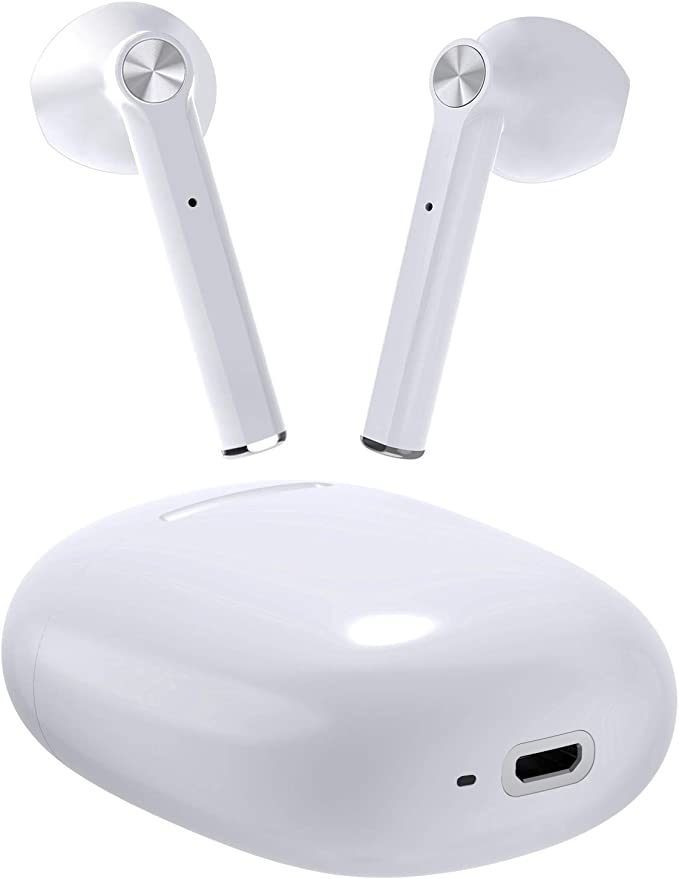
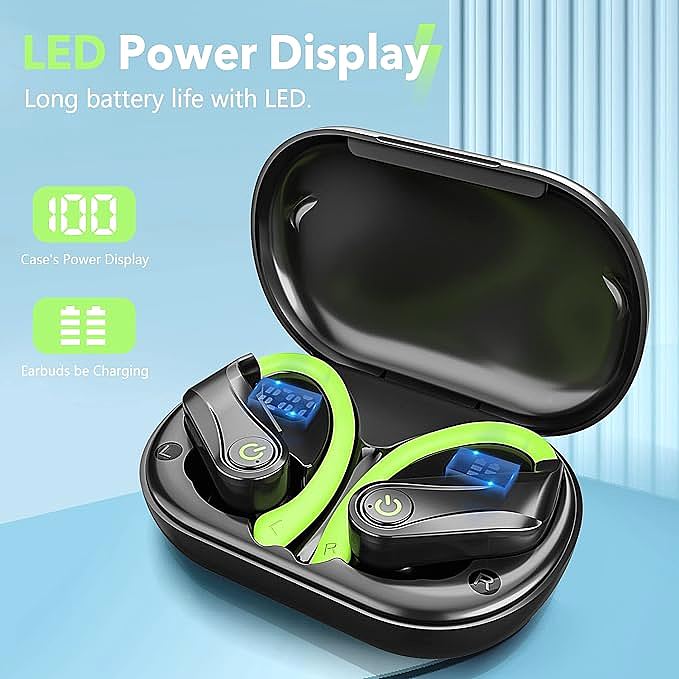
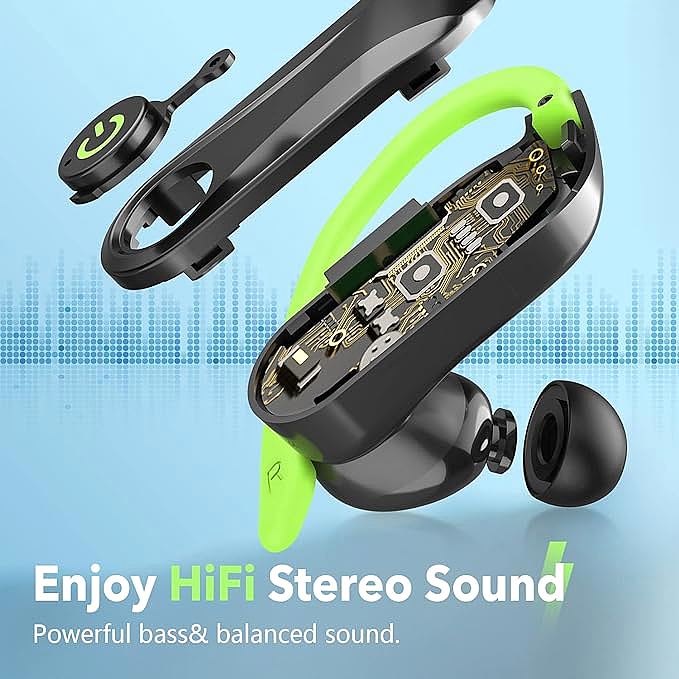
Most sports earbuds use a two-part power system. The earbuds themselves contain small batteries—typically 40-60mAh each—that must fit within the earbud housing. The charging case contains the larger battery that acts as a portable power bank. The “48 hours” claim represents cumulative playtime: the earbuds drain, you return them to the case for a quick charge, they drain again, repeat. The case provides approximately 4-5 full recharges before needing wall power itself.
This architecture solves a fundamental constraint: you can’t fit a 950mAh battery in something that fits comfortably in your ear canal. The engineering compromise is to split the capacity between the wearable device and its companion case. You carry the fuel tank in your pocket, not on your head.
Energy density in lithium-ion batteries has improved steadily—about 5-7% per year—but physics imposes limits. Current lithium-ion chemistry achieves roughly 250 watt-hours per kilogram. A 950mAh battery at 3.7V stores 3.5 watt-hours, which means the battery alone weighs approximately 14 grams. Add the case structure, charging circuitry, and safety components, and you’re looking at 50-70 grams total.
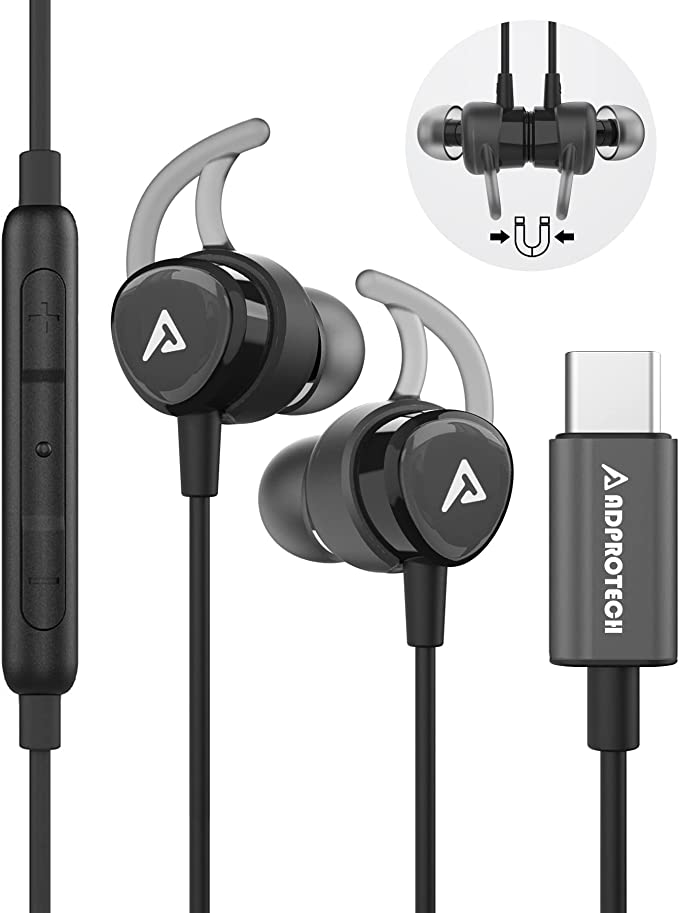
This is noticeable but acceptable. The alternative—daily charging—creates its own friction. Multi-day battery life means one less thing to manage, which paradoxically makes the technology feel more reliable even though it’s the same underlying chemistry. The inclusion of USB Type-C charging matters more than it might seem. Type-C’s reversible connector eliminates the “which way does it go” frustration, but more importantly, it supports higher power delivery than older micro-USB connectors. A one-hour full charge time suggests the charging circuit can accept 1-2 amps at 5V, which is standard USB 2.0 power delivery. This isn’t exotic fast charging, but it’s fast enough that overnight charging becomes unnecessary.
The Invisible Efficiency Revolution
Bluetooth version numbers feel like marketing one-upmanship. Version 5.0 gave way to 5.1, then 5.2, then 5.3—each increment suggesting improvement without clarity about what actually changed. But the evolution tells a story about shifting priorities in wireless engineering.
Version 5.0, released in 2016, was about raw capability: double the speed, quadruple the range, eight times the broadcast capacity. It was a horsepower race, the wireless equivalent of muscle cars. By 2021, when 5.3 arrived, the focus had shifted. Most audio applications didn’t need more speed. They needed better efficiency. The wireless spectrum had gotten crowded. Users wanted all-day battery life, not faster file transfers.
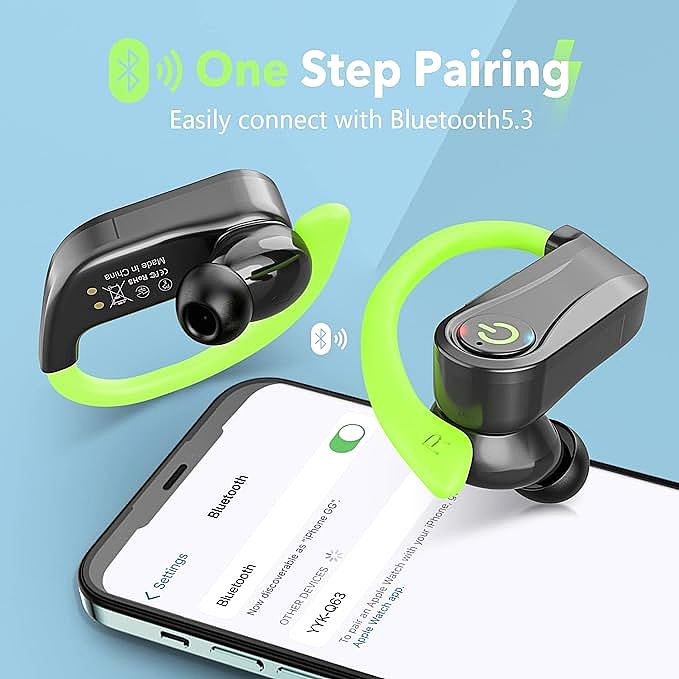
The most significant innovation in 5.3 is a feature called connection subrating. Here’s what that means in practice: earbuds can now request faster connection intervals only when needed, then return to low-power mode. Think of it as a conversation where both parties agree to check in briefly every few seconds rather than maintaining constant eye contact. For audio playback, this translates to lower latency without the power drain of a perpetually high-speed connection. For standby time, it means the earbuds sip power instead of gulping it.
The estimated improvement: 5-15% better battery life compared to 5.2 in typical use patterns. This isn’t revolutionary. It’s accretive—the engineering equivalent of compound interest. Each generation saves a little more power, extends battery life a little further, until the cumulative effect becomes noticeable.
One limitation worth acknowledging: Bluetooth 5.3 supports the LC3 codec, part of the LE Audio standard, which delivers better audio quality at lower bitrates. However, codec support is optional. Manufacturers decide which codecs to license and implement. Without explicit specification listing aptX, LDAC, or LC3, earbuds likely use the universal SBC codec. This isn’t necessarily a dealbreaker. Well-tuned SBC can sound perfectly acceptable for sports use, where environmental noise masks subtle audio details. The point isn’t to maximize technical capability. It’s to match implementation to use case.
The Weight of Energy
The relationship between battery capacity and device weight is governed by unyielding physical law. Energy density—the amount of energy stored per unit of mass—is the fundamental constraint that all portable electronics must obey.
Current lithium-ion technology achieves approximately 250 watt-hours per kilogram. This number has improved from about 100 Wh/kg in the 1990s, thanks to advances in cathode chemistry, electrolyte formulation, and manufacturing precision. But the improvement rate—5-7% annually—is glacial compared to Moore’s Law in computing. Batteries are chemistry, not silicon. Chemistry changes slowly.
To understand what this means practically: doubling battery capacity requires doubling battery mass. A 48-hour earbud case weighs 50-70 grams. A 96-hour case would weigh 100-140 grams. A 200-hour case would approach 300 grams—noticeable bulk that most users would reject. There is no engineering trick to escape this relationship. You can optimize packaging, reduce dead weight, improve charging efficiency. But you cannot violate the energy-density equation.
This constraint explains why the industry has converged on similar battery specifications across price points. A $30 earbud and a $300 earbud often have comparable battery life because they’re subject to the same physical limits. The difference lies in other attributes: sound quality, build materials, brand prestige. But the battery? Physics is democratic.
The Charging Ritual
How people charge their earbuds reveals something about their relationship with technology. Some users charge every night, reflexively, like brushing teeth. Others wait until the battery warning appears, then scramble for a cable. Both patterns are rational. Neither is objectively correct.
The nightly charger prioritizes certainty. They wake each morning with full batteries, never facing the anxiety of mid-day depletion. But they’ve also accepted a daily ritual—a small but recurring friction that accumulates over years of use.
The opportunistic charger embraces uncertainty. They charge when convenient, when they remember, when the battery dips low enough to trigger action. They experience more anxiety, but also more freedom. No nightly ritual. No cable dependency. Just usage until the warning comes, then a quick top-up.
Multi-day battery life serves both patterns. The nightly charger can skip a few nights without consequence. The opportunistic charger can go days between charges without thinking about it. The engineering achievement isn’t just the capacity. It’s the optionality it creates.
Type-C charging has standardized this ritual across the industry. The reversible connector, the higher power delivery, the universal compatibility—all reduce friction at the moment of reconnection. A one-hour full charge time means you can pop the case on a charger while you shower, dress, make coffee, and leave with full batteries. The ritual becomes invisible. That’s the goal.
What Reviews Reveal About Real-World Endurance
Product reviews, when analyzed for patterns rather than isolated opinions, reveal how battery claims hold up in actual use. The themes that emerge tell a story about the gap between specification and experience.
Users consistently praise multi-day battery life. This isn’t surprising. The engineering is straightforward—big case battery—and the benefit is immediately noticeable. What’s notable is how often reviewers mention forgetting to charge for several days without consequence. This suggests the 48-hour claim reflects realistic use, not optimistic lab conditions.
Most negative reviews cluster around two issues: one earbud stops charging, or connection becomes intermittent after weeks or months of use. These aren’t design flaws. They’re quality control variance inherent to budget manufacturing. Individual units may have weak solder joints, slightly misaligned charging contacts, or battery cells that degrade faster than average. The counterpoint: positive reviews often mention months of daily abuse without issues. This bimodal distribution—very satisfied or very disappointed—is characteristic of the budget electronics segment. Quality control is statistical, not absolute.
The charging case itself becomes a point of reliance. Users describe it as a “lifeline,” a “safety net,” a “portable outlet.” The language reveals something important: the earbuds alone are not trusted. The case is the real power source. The earbuds are just the delivery mechanism. This two-part architecture has become so standard that users rarely question it. But it’s worth noting: we’ve accepted a design where the primary device is dependent on a secondary device for its core function. That dependency is the price of miniaturization.
The Endurance Trade-Off
Every engineering decision is a trade-off disguised as a solution. Multi-day battery life comes at a cost, even if that cost isn’t immediately visible.
The most obvious trade-off is size. A 950mAh case is larger than a 500mAh case. It’s heavier, bulkier, less pocketable. For some users, this doesn’t matter. The case lives on a nightstand, never seeing a pocket. For others—runners, travelers, minimalists—every gram counts. They’d prefer smaller capacity if it meant smaller size.
The less obvious trade-off is battery degradation. Lithium-ion batteries lose capacity over time, typically 20% after 300-500 charge cycles. A 950mAh battery that starts at full capacity will deliver 760mAh after a year of daily use. This is unavoidable chemistry. The electrolyte breaks down. The electrodes accumulate deposits. The internal resistance increases. Manufacturers can’t prevent this. They can only slow it.
The final trade-off is cost. Larger batteries cost more. Better charging circuitry costs more. Quality control to reduce variance costs more. At the budget price point, these costs must be balanced against other priorities: sound quality, build materials, marketing budget. The result is a product that excels in one dimension—battery life—while compromising in others. This isn’t a criticism. It’s a recognition that no product can optimize everything simultaneously.
Choosing Based on Endurance Needs
Technology evaluation isn’t about finding the “best” device. It’s about matching capabilities to use cases. For battery endurance, the question isn’t “how many hours?” It’s “how do I use this, and when do I want to think about charging?”
If you charge nightly and use earbuds for 1-2 hours daily, a 24-hour total capacity is sufficient. You’ll charge at 50% remaining, never facing anxiety. The extra capacity is insurance you don’t need.
If you charge opportunistically and use earbuds for 3-4 hours daily, a 48-hour capacity matches your pattern. You can go 2-3 days between charges without thinking about it. The anxiety threshold stays beyond your typical use cycle.
If you travel frequently, forget to charge, or simply hate cable dependency, maximum capacity matters. A 72-hour or 100-hour spec becomes meaningful. You’re paying for optionality, not just playtime.
The engineering is the same across price points. Lithium-ion chemistry doesn’t care about branding. What differs is how manufacturers balance capacity against other priorities. Some optimize for size. Some optimize for cost. Some optimize for endurance. None can optimize all three.
When technology aligns with use case, it disappears. You don’t think about battery chemistry, charge cycles, or capacity ratings. You just use the device, trusting it to work when needed. That trust is the real measure of battery engineering. Not the spec sheet number. Not the marketing claim. The absence of anxiety. The 48-hour earbud isn’t impressive because of its battery capacity. It’s impressive because it lets you forget that capacity exists.