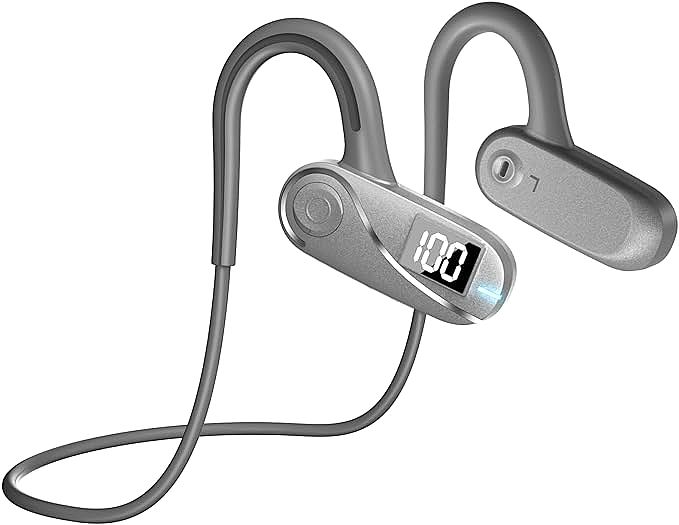
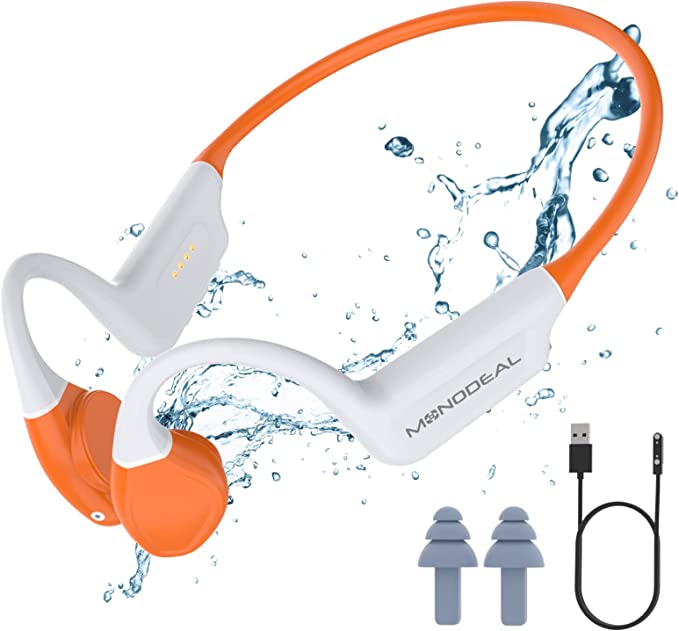
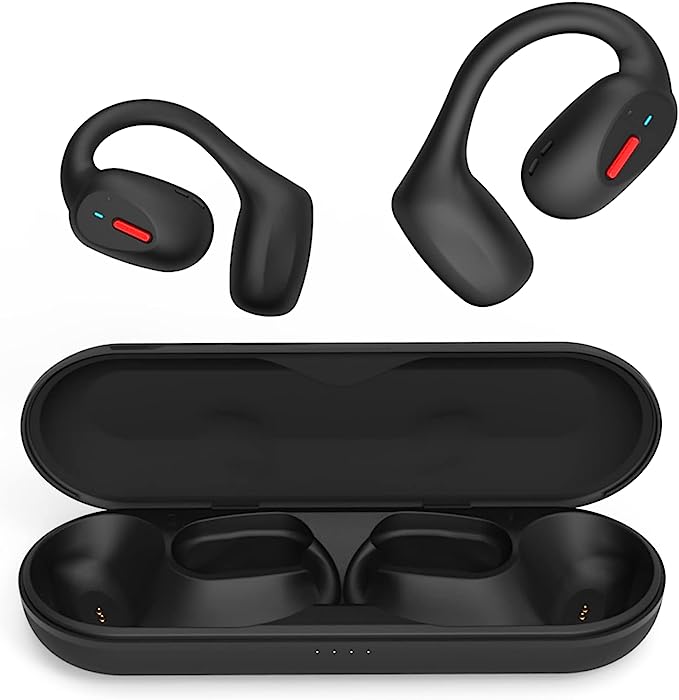
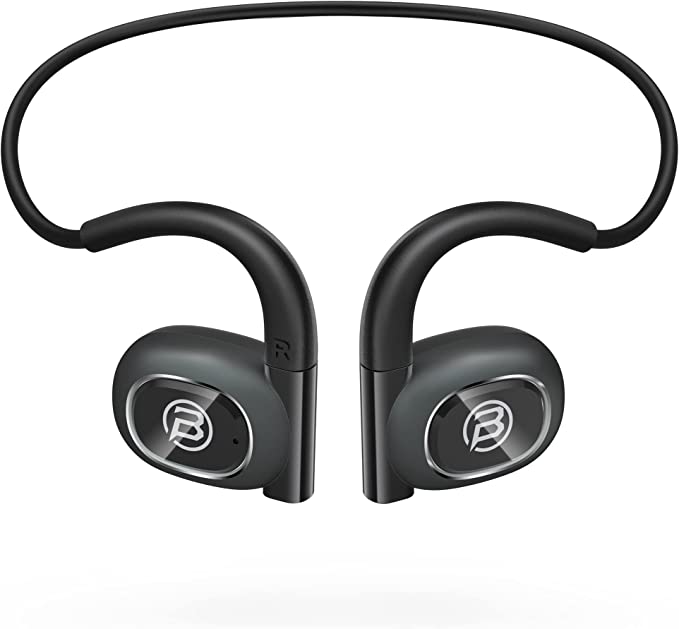
The Anatomy of Safety: Situational Awareness, Titanium Memory, and Material Science
Update on Jan. 11, 2026, 9:39 a.m.
In the world of outdoor sports, isolation is dangerous. The runner who can’t hear the electric car approaching from behind, or the cyclist unaware of the shout of a pedestrian, is at risk. Traditional headphones create a “Cognitive Tunnel,” focusing the brain entirely on the audio while blinding (or deafening) it to the environment.
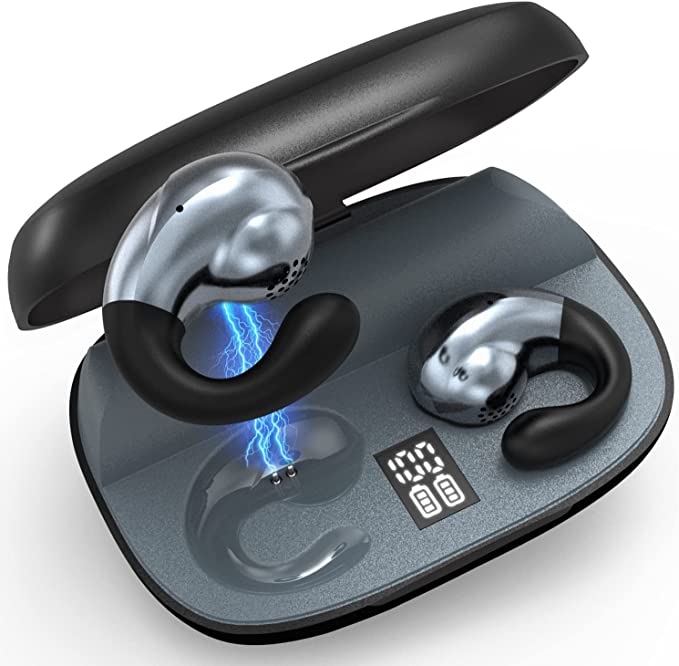
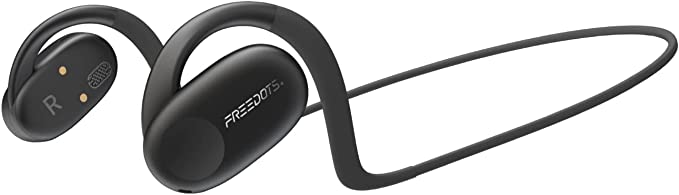
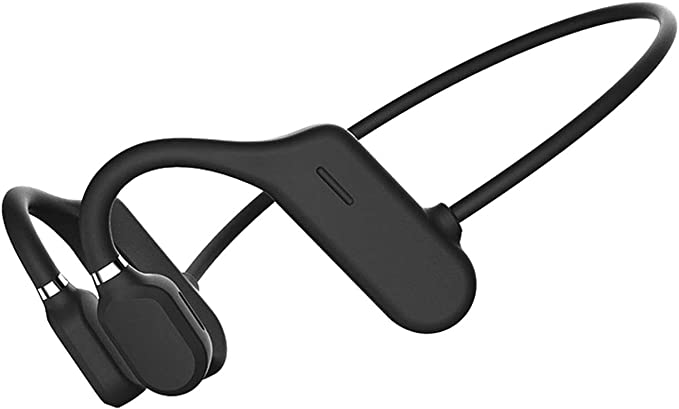
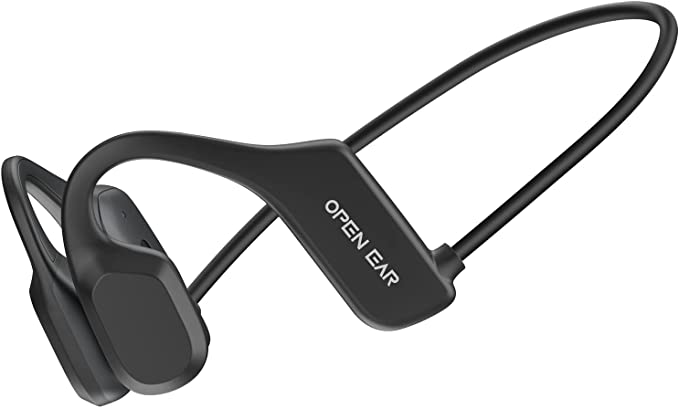
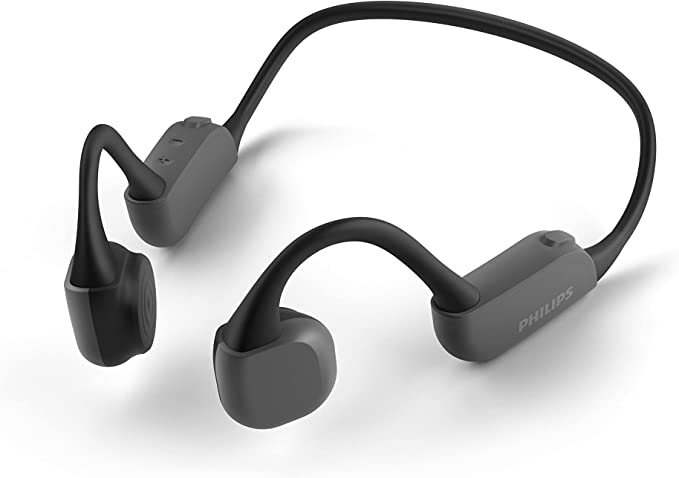
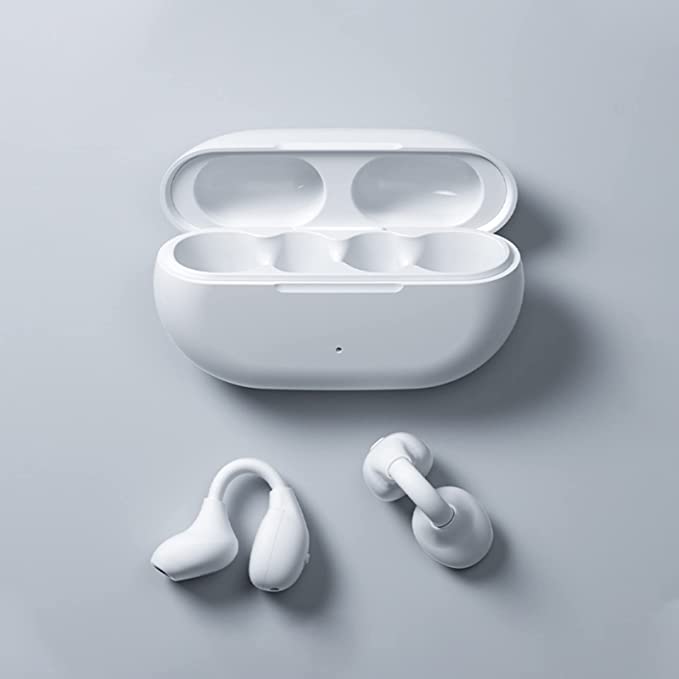
The JekaDabe M1 is engineered to break this tunnel. By leaving the ear canal open, it preserves the body’s natural alert systems. This article explores the neuroscience of Situational Awareness, the material science of Titanium Alloy, and the engineering of IPX6 waterproofing.
The Neuroscience of Awareness: Binaural Localization
Our brains are hardwired to locate threats using sound. This is called Binaural Localization. * Interaural Time Difference (ITD): The brain calculates the microsecond difference between a sound hitting the left ear vs. the right ear to determine direction. * Pinna Filtering: The folds of the outer ear modify the sound frequency to tell us if a sound is coming from above, below, or behind.
When you plug your ears with earbuds, you disrupt these natural cues. Even with “Transparency Mode” on ANC headphones, the signal is digitized and often lacks the precise spatial cues of natural hearing.
Open-Ear designs like the M1 preserve the natural acoustic path. The outer ear (pinna) and ear canal are unobstructed. The brain receives raw, unprocessed environmental audio data, allowing for instant, reflexive reaction to threats. This is not just convenience; it is a biological safety feature.
Titanium Alloy: The Memory Metal
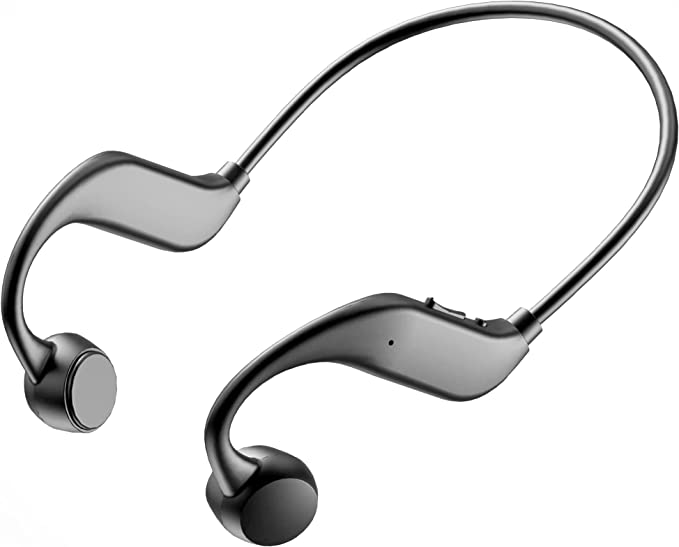
The headband of the JekaDabe M1 is made from Titanium Alloy. This isn’t just for marketing prestige; it’s a functional necessity for bone conduction.
Bone conduction relies on Clamping Force. The transducers must be pressed firmly against the cheekbones to transmit vibrations efficiently. If the band is too loose, the sound is weak. If it’s too tight, it causes headaches.
Titanium possesses a property called Superelasticity (or shape memory). It can be bent, twisted, and stretched, yet it always returns to its original shape. * Constant Force: This allows the headband to apply a consistent, calculated clamping pressure regardless of head size. * Durability: Unlike plastic, which fatigues and cracks over time (creep), titanium maintains its structural integrity over millions of cycles. This makes the headset virtually indestructible in a gym bag.
IPX6: The Sweat Barrier
The M1 carries an IPX6 rating. * IP: Ingress Protection. * X: Not rated for dust (though generally sealed). * 6: Protection against powerful water jets.
This rating is specifically targeted at Sweat and Rain. Sweat is corrosive. It contains salts and lactic acid that can eat through adhesives and corrode copper contacts. An IPX6 rating implies a sealed chassis, likely using ultrasonic welding or heavy-duty gasketing, to prevent moisture ingress even under the pressure of a heavy downpour or a rinse under the tap.
Note that it is not IPX8 (swimming). The dynamic pressure of swimming strokes exceeds the IPX6 threshold. This distinction is crucial for user expectations.

Conclusion: The Safe Soundtrack
The JekaDabe M1 prioritizes safety and durability over absolute audio fidelity. It is a tool for the active individual who views music as a soundtrack to their environment, not a replacement for it.
By leveraging the memory properties of titanium and the biological necessity of open ears, it offers a way to stay connected to the digital world without disconnecting from physical reality.