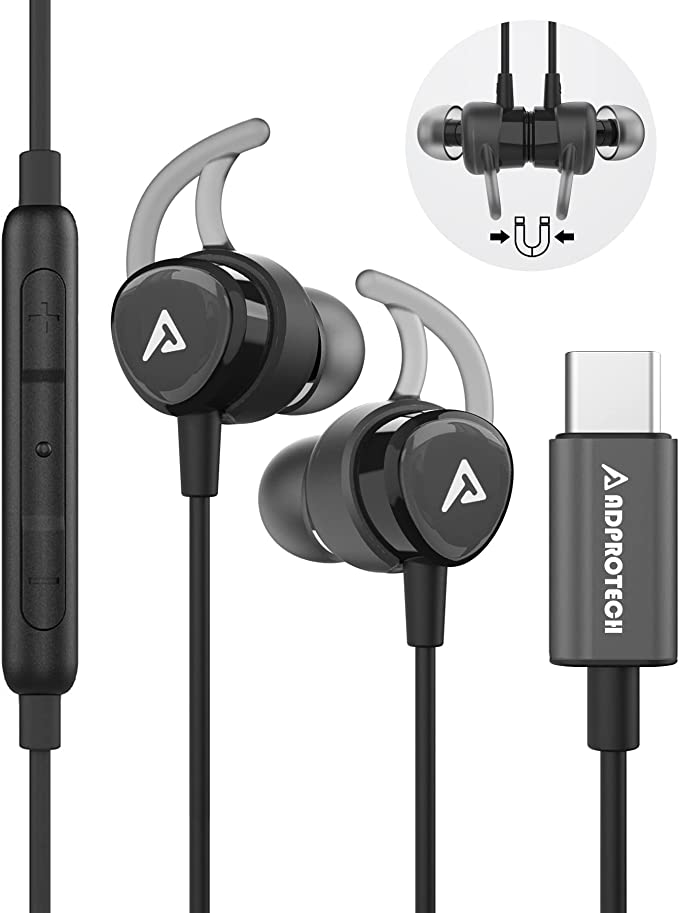
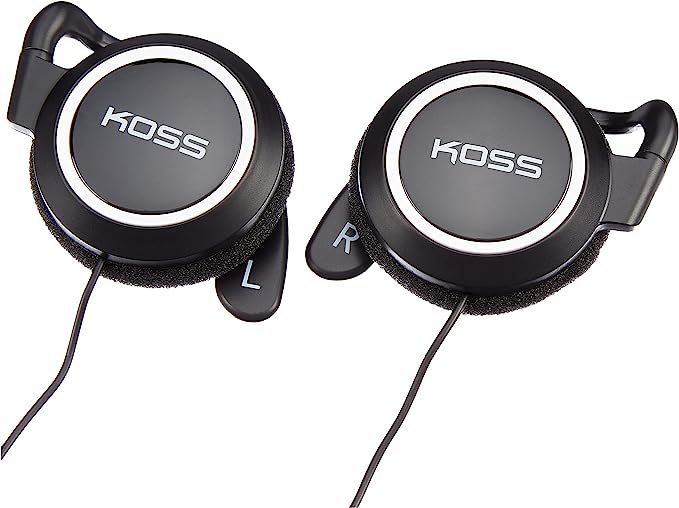
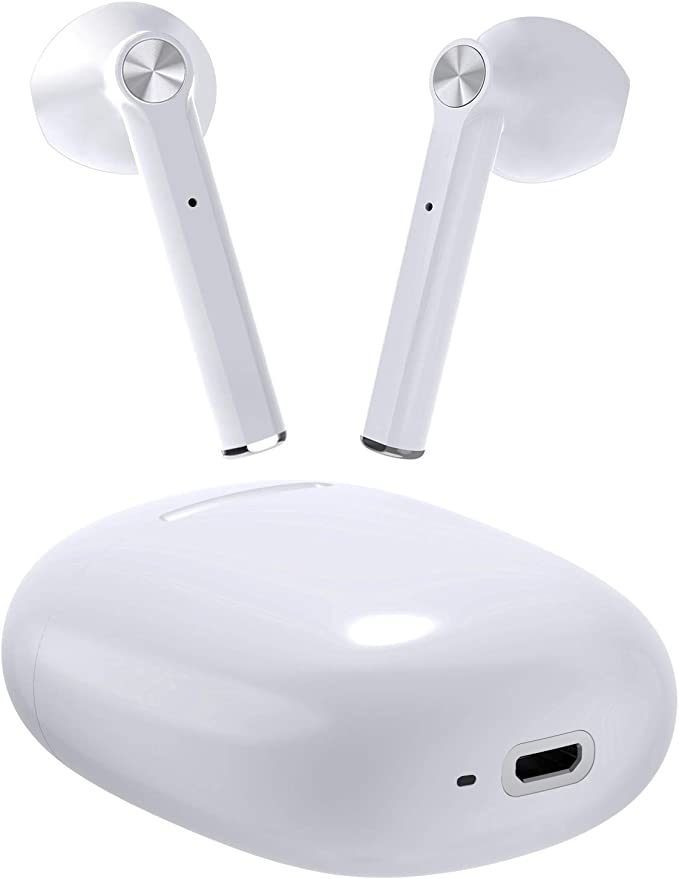
EUQQ Q63-5 Wireless Earbuds and the Engineering of Extreme Battery Endurance
Update on March 11, 2026, 7:09 p.m.
A marathon runner trains for months to sustain energy over 26 miles. A sprinter explodes with power for 100 meters. In portable audio, the same distinction exists between devices built for brief daily use and those engineered for extended endurance.
When a wireless earbud claims 120 hours of playtime, it challenges conventional expectations. Standard true wireless earbuds deliver 4 to 8 hours per charge. A 120-hour claim represents a fundamentally different engineering philosophy—one that prioritizes extended operation over compact form.
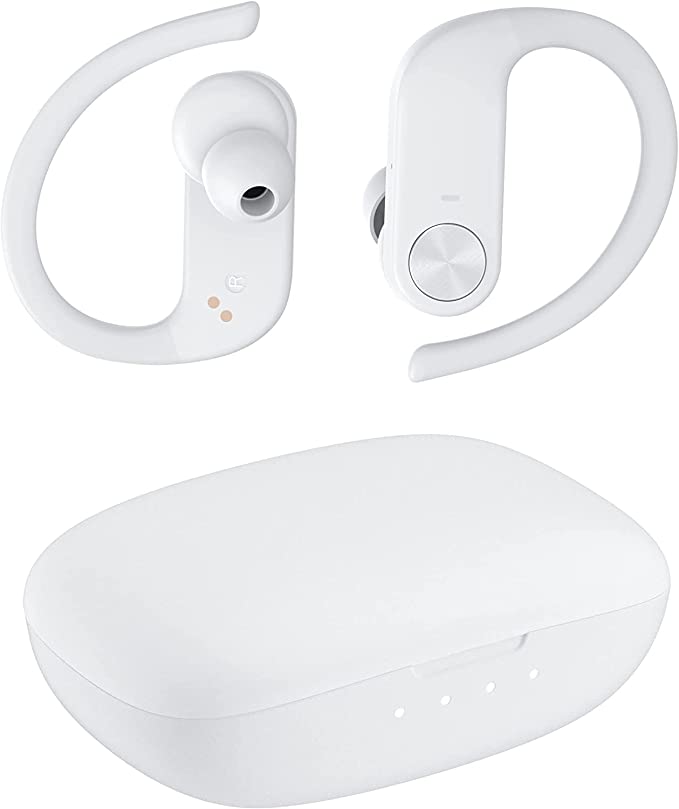
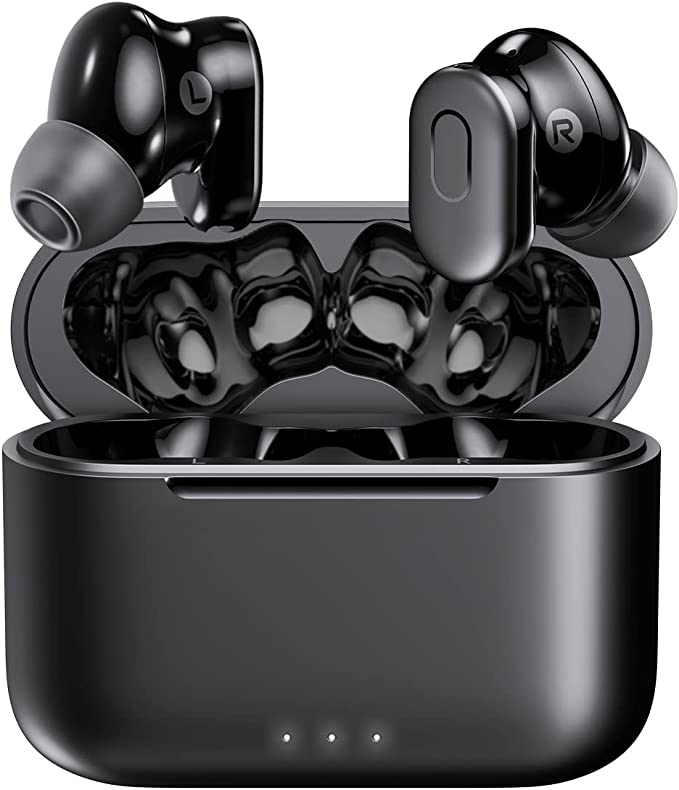
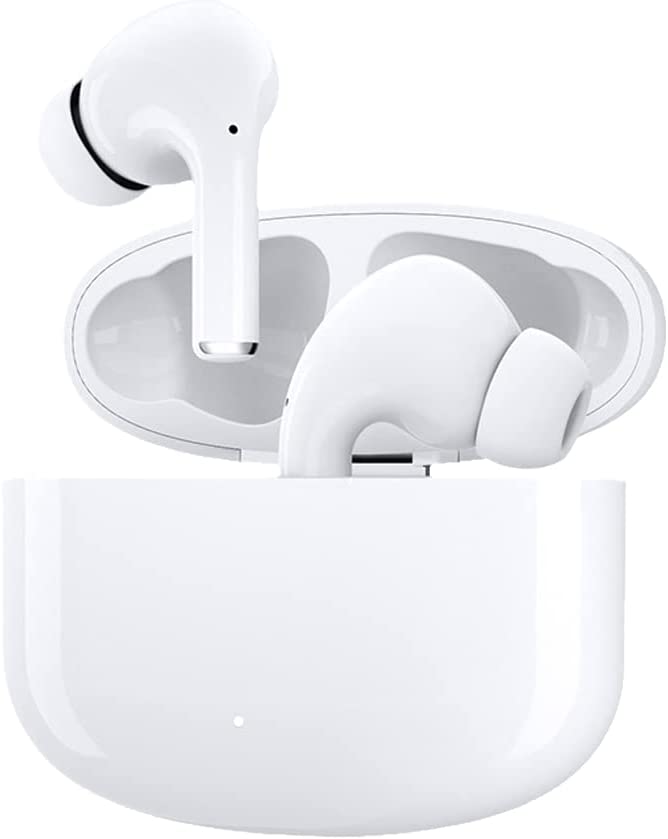
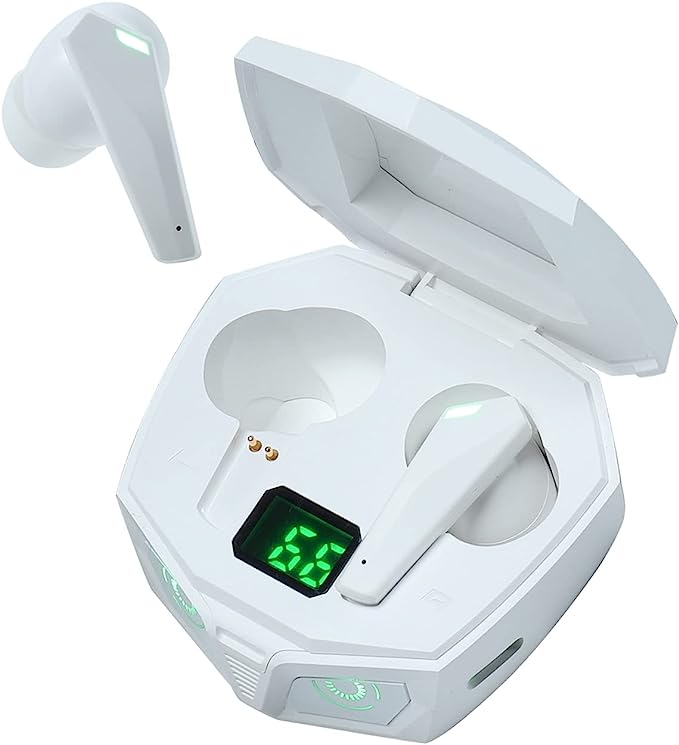
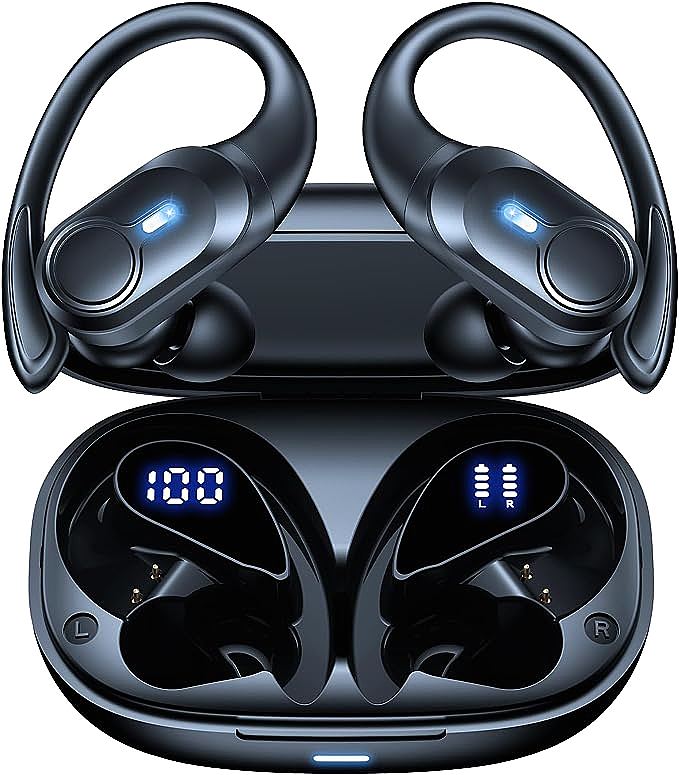
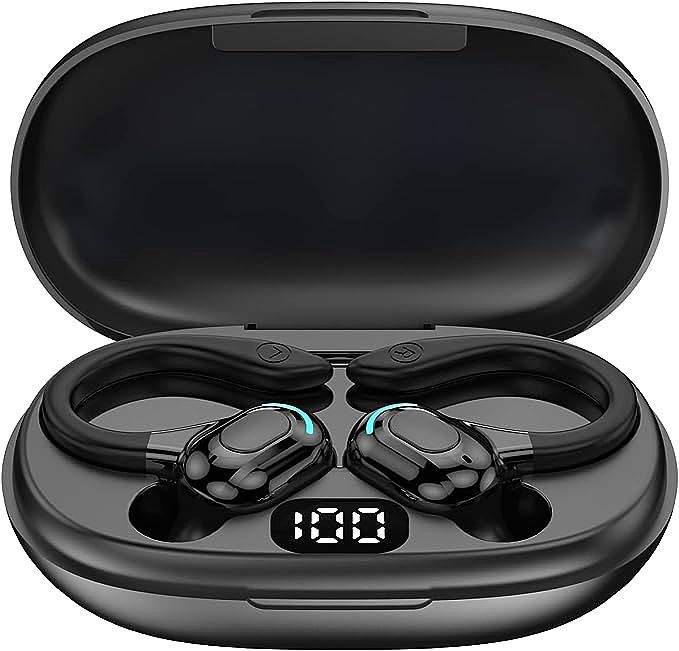
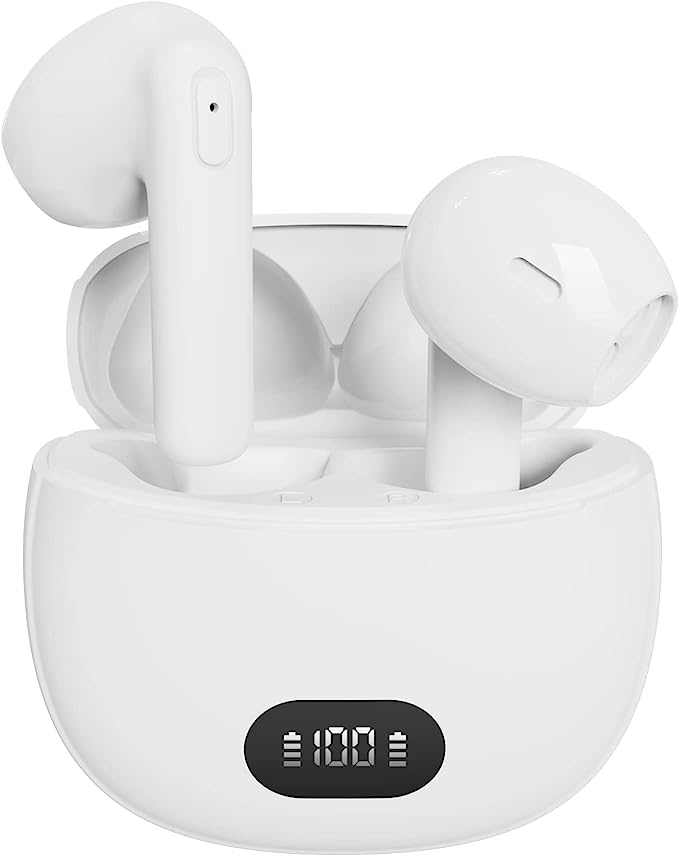
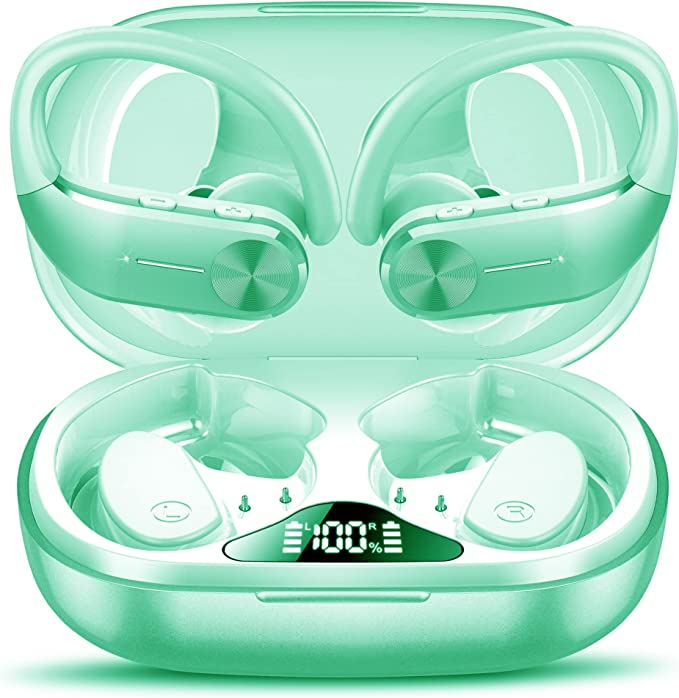
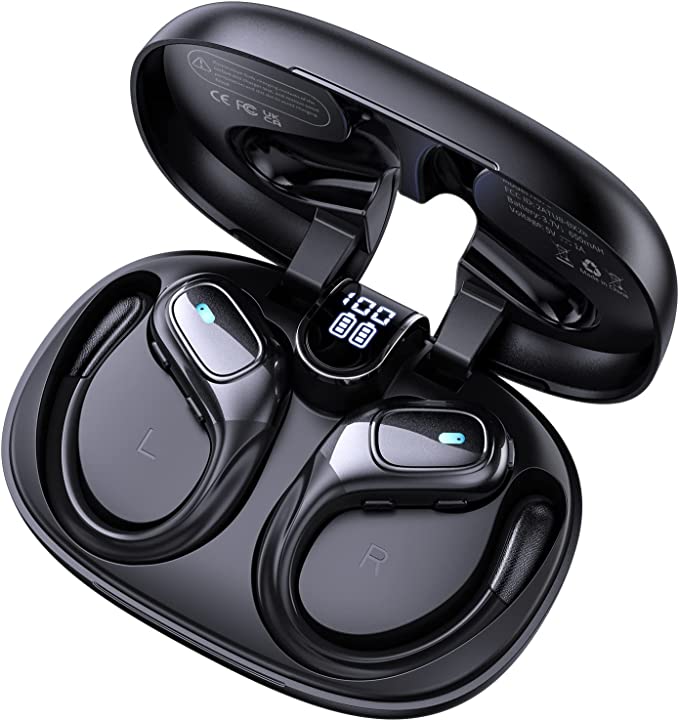
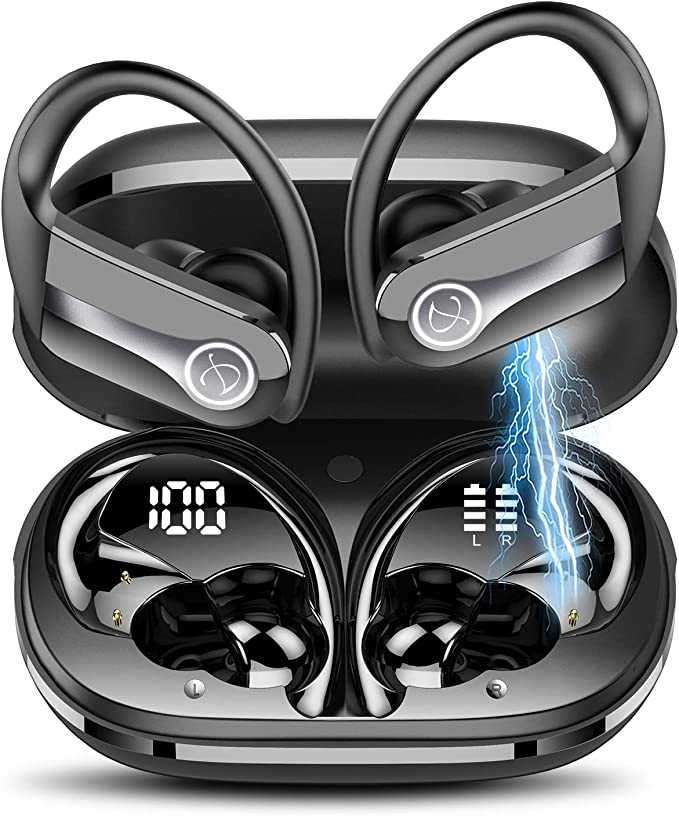
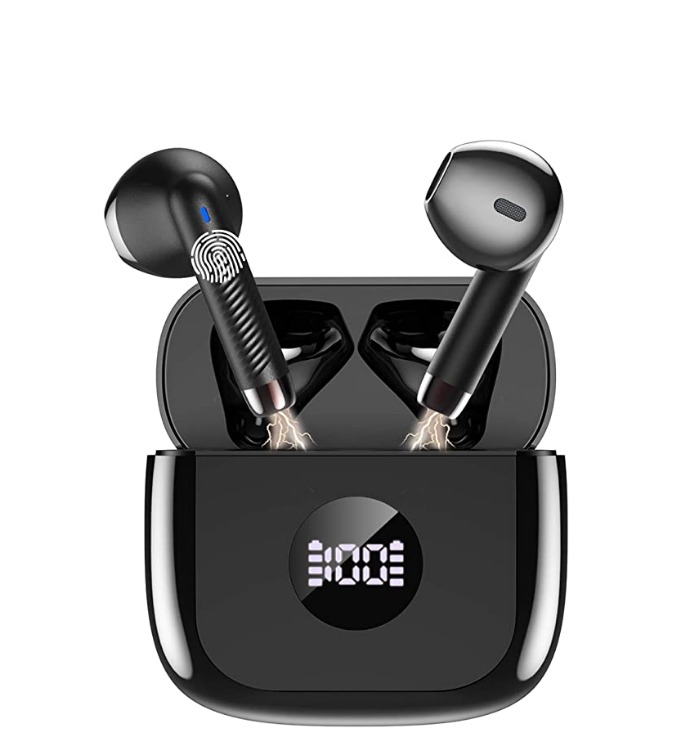
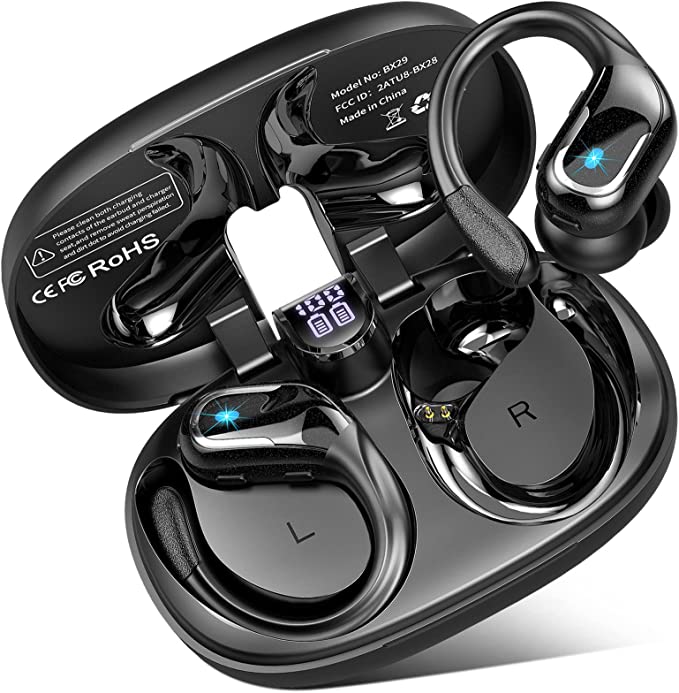
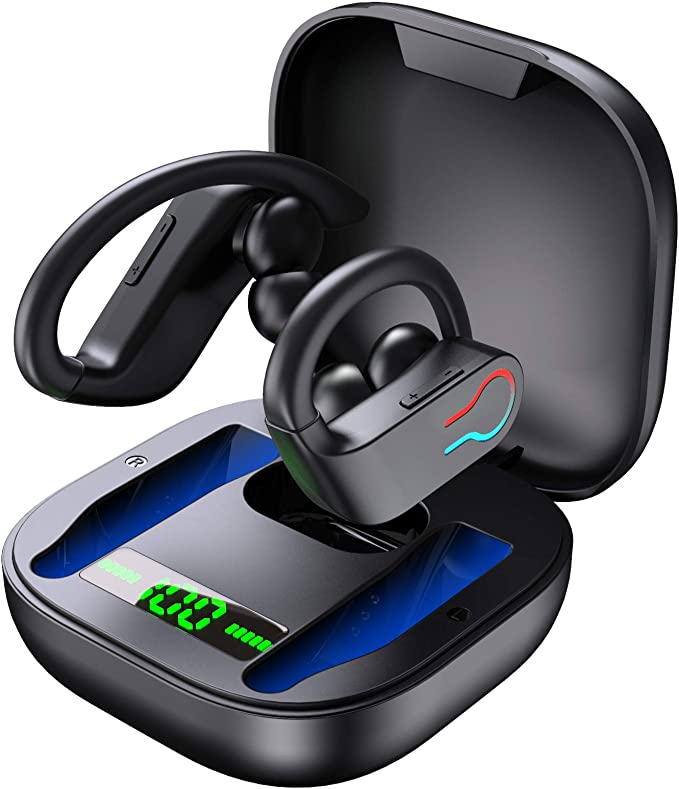
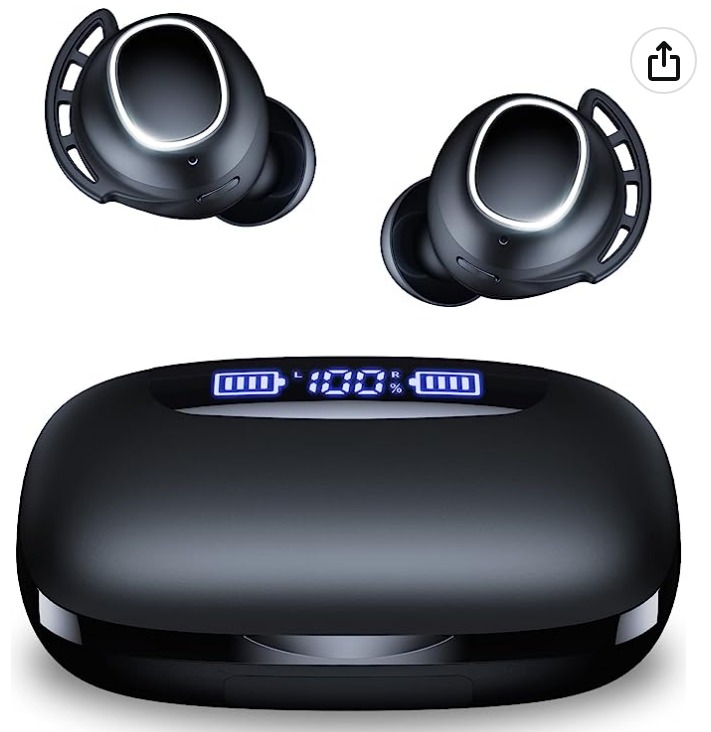
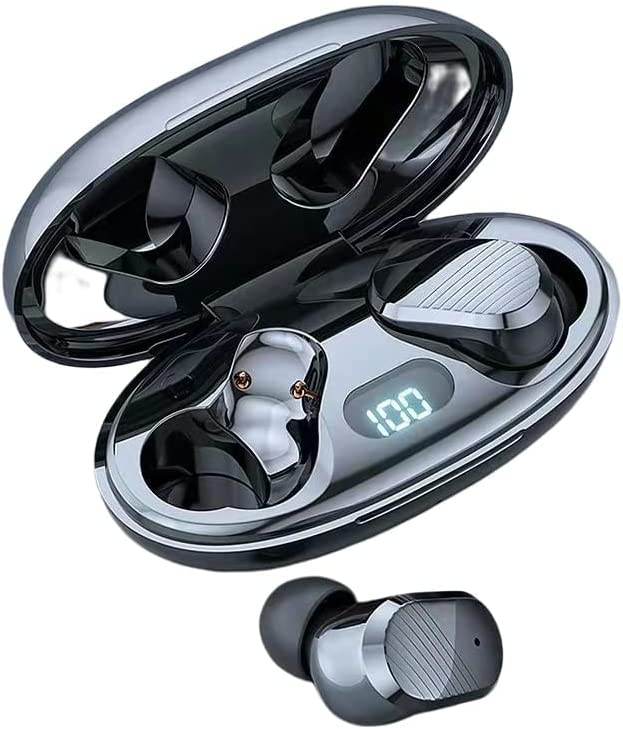
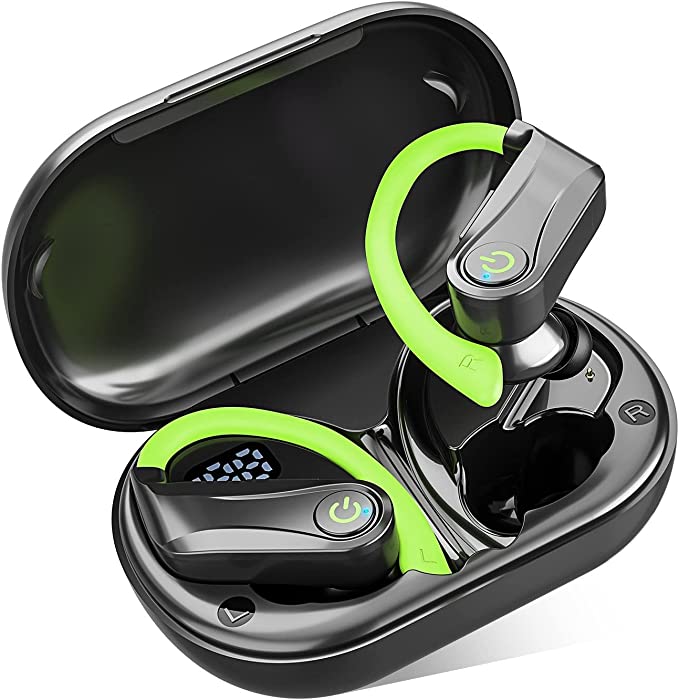
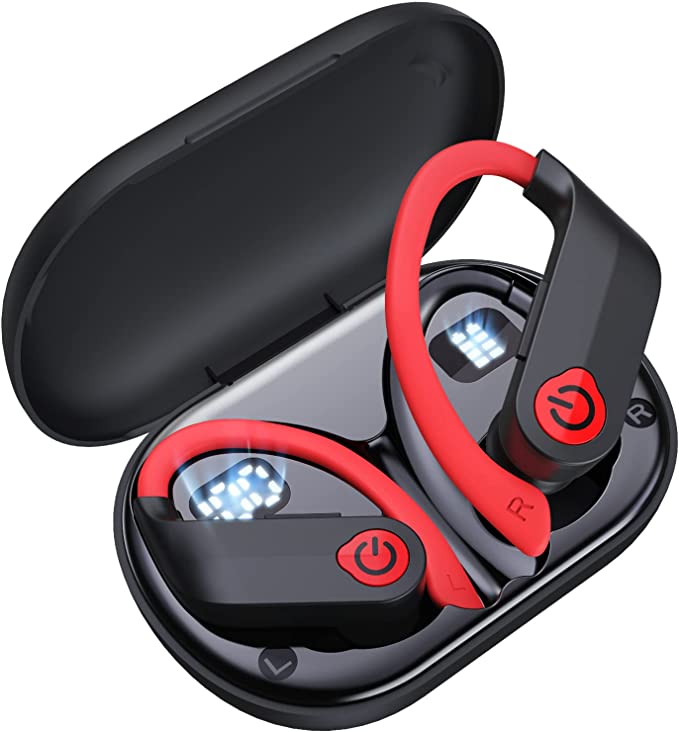
The EUQQ Q63-5 Wireless Earbuds exemplify this “extreme endurance” approach. With Bluetooth 5.3 efficiency, an LED power display, and an earhook design for sports stability, this device demonstrates how battery technology, power management, and mechanical design converge to solve a specific user problem: battery anxiety during extended activity.
This article explores the physics behind such claims, the engineering trade-offs required, and why this design philosophy matters for athletes, travelers, and remote workers.

The Two-Part Power System: Sprinter and Marathon
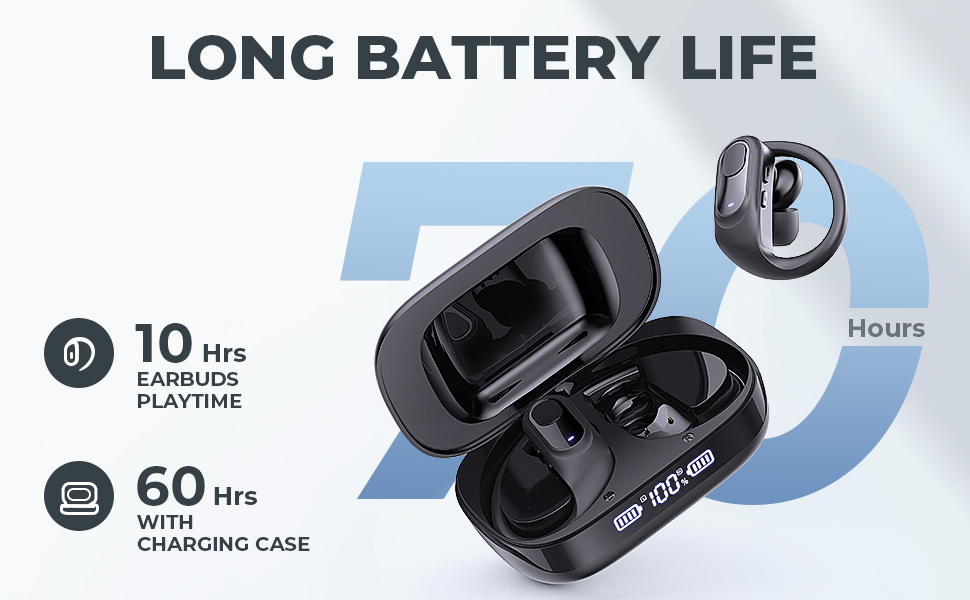
The 120-hour figure is not the battery life of a single earbud charge. It represents the total system playtime—the combined capacity of the earbuds’ internal batteries plus a high-capacity charging case. Understanding this distinction reveals the engineering strategy.
The Sprinter: Earbud Battery
Each earbud contains a small lithium-polymer battery, typically in the 30 to 80 milliampere-hour (mAh) range. This battery must power the Bluetooth radio, digital signal processor, and audio driver while fitting within a compact enclosure.
At moderate listening volumes, a single earbud might achieve 6 to 10 hours of playback. This is the “sprint” endurance—sufficient for a full workday, several gym sessions, or a long flight. But it falls far short of the 120-hour claim.
The Marathon: Charging Case as Power Bank
The remaining capacity comes from the charging case. To achieve 120 total hours with earbuds that draw roughly 5-8 mAh per hour, the case must store enough energy for 12 to 15 full recharges.
This implies a case battery capacity of 800 to 1,200 mAh—substantially larger than the 300-500 mAh typical of standard TWS cases. For context, this approaches the battery capacity of some budget smartphones.
The Physics of Energy Storage
Lithium-polymer batteries achieve energy densities of approximately 100 to 265 watt-hours per liter (Wh/L). To store 1,000 mAh at 3.7V (3.7 watt-hours), a battery requires roughly 14 to 37 cubic centimeters of volume—depending on cell quality and packaging efficiency.
This volume requirement explains why “extreme endurance” earbuds often have larger cases than their standard counterparts. The physics of energy density imposes a minimum size constraint: more capacity requires more physical space for the battery cells.
Bluetooth 5.3 Efficiency
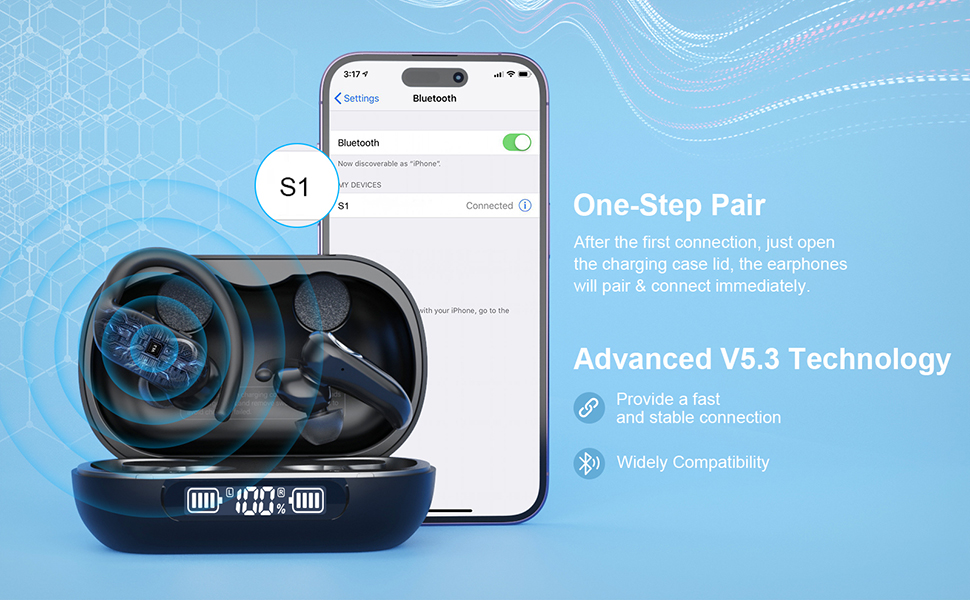
The 120-hour claim also depends on power consumption assumptions. Bluetooth 5.3 (released in the Bluetooth Core Specification 5.3 in 2021) introduced several power-saving enhancements:
- Improved connection efficiency: Reduced overhead in the connection protocol means less time spent in high-power transmission states
- LE Audio support: Low Energy Audio mode reduces power consumption by transmitting audio more efficiently
- Enhanced sleep modes: Better power management during idle periods
Compared to Bluetooth 5.0, version 5.3 can reduce power consumption by approximately 10-15% in typical use. This efficiency gain directly translates to extended playtime without increasing battery capacity.
The LED Power Display: Managing Large Energy Reserves
When a device holds over 100 hours of power, a simple blinking LED becomes an inadequate “fuel gauge.” Users need to know whether they have 110 hours remaining or 10—information that a single indicator light cannot provide.
The Precision Requirement
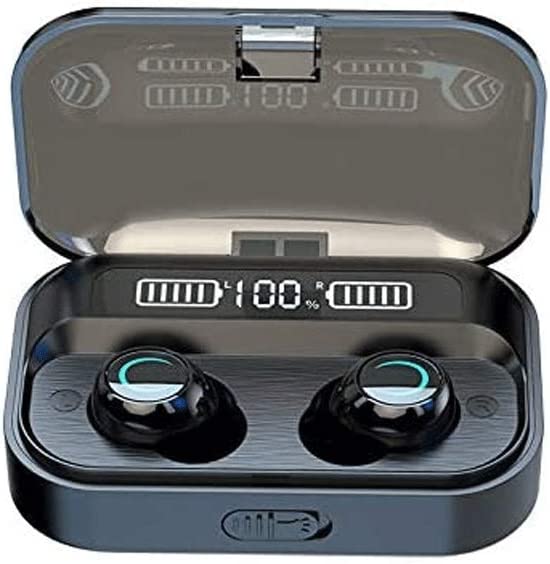
The LED power display on extreme-endurance earbuds serves a critical function: it provides granular visibility into the remaining charge. A numerical percentage display (1-100%) allows users to plan accordingly:
- 80-100%: No charging needed for days or weeks
- 20-50%: Consider charging soon if extended use is planned
- Below 20%: Charge immediately to avoid interruption
This precision matters because the charging cadence for a 120-hour device differs dramatically from a standard 8-hour device. Users might charge the case once or twice per month rather than nightly. Without accurate state-of-charge information, the “extreme endurance” benefit becomes unreliable.
The Battery Management System
Behind the display lies a battery management system (BMS) that monitors voltage, current, and temperature to calculate remaining capacity. This system must account for:
- Voltage sag under load: Battery voltage drops during discharge, then recovers when load is removed
- Temperature effects: Cold temperatures reduce available capacity; heat accelerates degradation
- Cycle aging: Batteries lose capacity over repeated charge-discharge cycles
Accurate percentage display requires sophisticated algorithms that compensate for these variables—a non-trivial engineering challenge in a cost-sensitive product category.
The Physics of Earhook Stability During Athletic Activity
The second pillar of this product’s design is its sports-focused mechanical form. The specification lists “Over Ear” as the form factor, but this is a classification error. The defining feature is the earhook—a flexible extension that loops over the ear’s cartilage.
Why Friction Alone Fails
Standard true wireless earbuds rely on friction between the ear tip and ear canal wall to remain in place. This works adequately for sedentary activities—commuting, office work, casual listening. But during athletic activity, multiple forces act to dislodge the earbud:
- Linear acceleration: Running produces impact forces of 2-3 times body weight with each foot strike
- Multi-directional inertia: Head rotation, jumping, and sudden direction changes create lateral forces
- Sweat lubrication: Moisture reduces the coefficient of friction between ear tip and skin
Under these conditions, friction-based retention becomes unreliable. The earbud may gradually work loose or suddenly eject during vigorous movement.
The Earhook as Mechanical Anchor
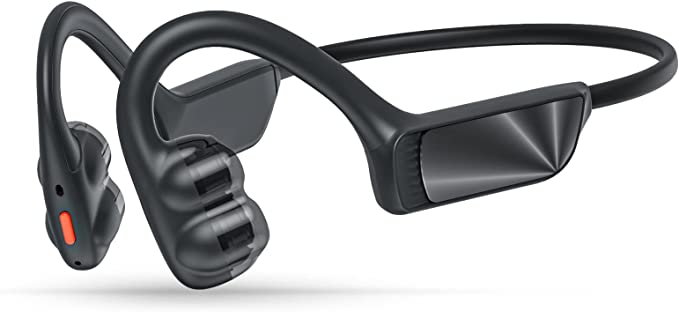
The earhook provides a second attachment point that mechanically secures the earbud independent of friction. The hook rests on the antihelix—the curved cartilage ridge above the ear canal. This design distributes retention forces across a larger area and leverages the ear’s anatomy for stability.
From a physics perspective, the earhook transforms the retention problem:
| Retention Method | Primary Force | Failure Mode |
|---|---|---|
| Friction only | Normal force from ear tip compression | Sweat reduces friction; inertia overcomes grip |
| Earhook + friction | Mechanical interference (hook behind ear) | Hook must deform or slip over ear cartilage |
The earhook design requires significantly greater force to dislodge—force that would deform the ear itself before the earbud separates.
Material Considerations
Earhooks are typically made from flexible thermoplastic elastomers (TPE) or silicone-soft materials that conform to the ear’s shape while maintaining sufficient rigidity to resist dislodgement. The ideal material balances:
- Flexibility: Comfortable for extended wear without pressure points
- Memory: Returns to original shape after removal
- Durability: Resists cracking from repeated flexing over thousands of cycles
Waterproofing: Protection Against Corrosive Sweat
Sweat is not merely water. It contains dissolved salts (primarily sodium chloride), urea, lactate, and other organic compounds. These dissolved ions make sweat an electrolyte—a conductive fluid that can corrode exposed metal contacts and create unintended electrical paths.
The IP Rating System
The “Waterproof” claim on sports earbuds typically corresponds to an IPX4 to IPX7 rating under IEC 60529:
- IPX4: Protected against water splashes from any direction
- IPX5: Protected against sustained water jets (6.3mm nozzle)
- IPX7: Protected against temporary immersion (1 meter, 30 minutes)
For athletic use, IPX5 or higher is recommended. This rating ensures the enclosure seals are sufficient to prevent sweat ingress during intense activity and that the device can be rinsed with water for cleaning.
Sealing Strategies
Achieving waterproof rating requires addressing multiple potential entry points:
- Driver acoustics: Sound must exit the earbud, but water must not enter. This is achieved through acoustic mesh—hydrophobic membranes that allow air passage but block liquid
- Charging contacts: Gold-plated contacts with tight tolerances prevent water intrusion when connected to the case
- Button/shaft seals: Any moving parts (if present) require O-rings or gaskets
- Case seams: The charging case lid requires a compression seal
Each sealing point adds manufacturing complexity and cost, but is essential for long-term reliability in athletic environments.
The Trade-Off: Endurance vs. Compactness
Every engineering decision involves compromise. The “extreme endurance” philosophy prioritizes battery life at the expense of other attributes.
What You Gain
- Reduced charging frequency: Charge the case once or twice monthly instead of nightly
- Extended activity support: Suitable for multi-day camping, long-haul travel, or ultra-endurance events
- Forgetfulness tolerance: Users who frequently forget to charge devices can go weeks without anxiety
What You Sacrifice
- Case size: Larger battery requires larger physical volume
- Weight: More battery mass increases total weight
- Charging time: Larger batteries take longer to fully recharge
Understanding these trade-offs helps users select products aligned with their actual usage patterns. A daily commuter who charges nightly gains no benefit from 120-hour capacity but pays the penalty in pocket space and weight.
Conclusion: Purpose-Built Engineering
This extreme endurance design demonstrates how engineering decisions cascade from a single core requirement: maximize operational time between charges.
This requirement drives the two-part power architecture (earbud sprinter + case marathon), the precision LED display for fuel management, the Bluetooth 5.3 efficiency optimization, and the sports-focused mechanical design. Each choice serves the central goal of eliminating battery anxiety during extended athletic activity.
Battery technology continues to evolve. Solid-state batteries promise higher energy densities. Wireless charging eliminates contact corrosion concerns. But the fundamental physics remains: endurance requires capacity, capacity requires volume, and optimal design balances these constraints against user priorities.
The best device is not the one with the longest specification, but the one whose engineering philosophy matches your actual usage. For the ultra-endurance athlete or the frequently traveling professional, extreme endurance represents meaningful value. For the daily commuter, it represents excess capacity traded against portability.
Understanding the physics behind the claim allows informed selection—and that is the true value of decoding the engineering.