The Physics of Foam: Why the Koss 'The Plug' Wireless Defies the TWS Trend
Update on Nov. 22, 2025, 4:09 p.m.
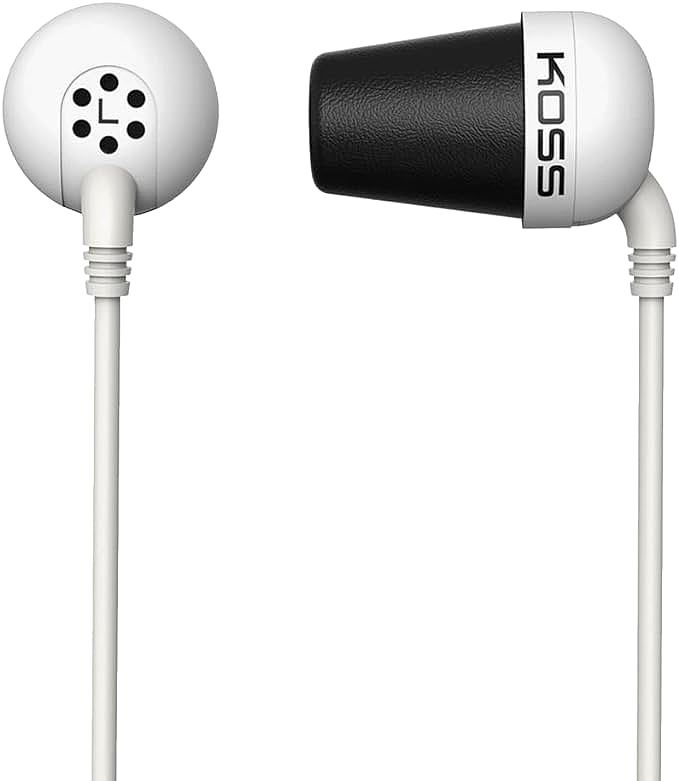
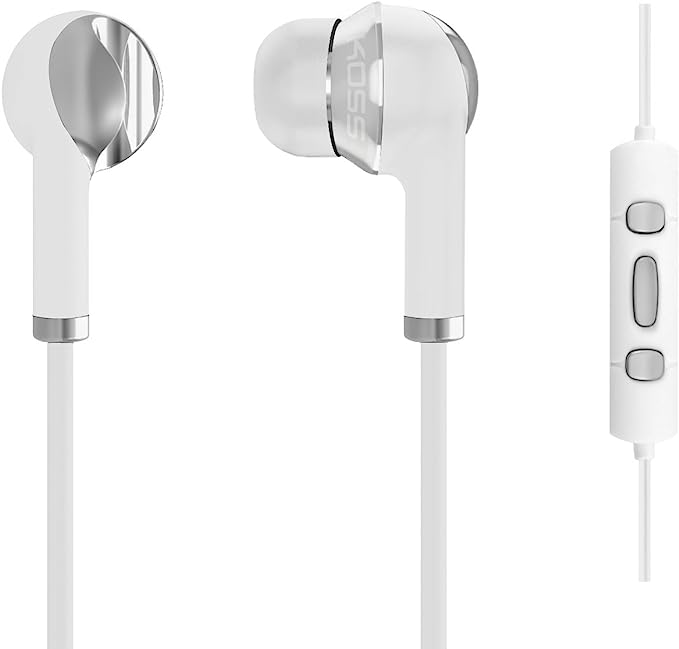
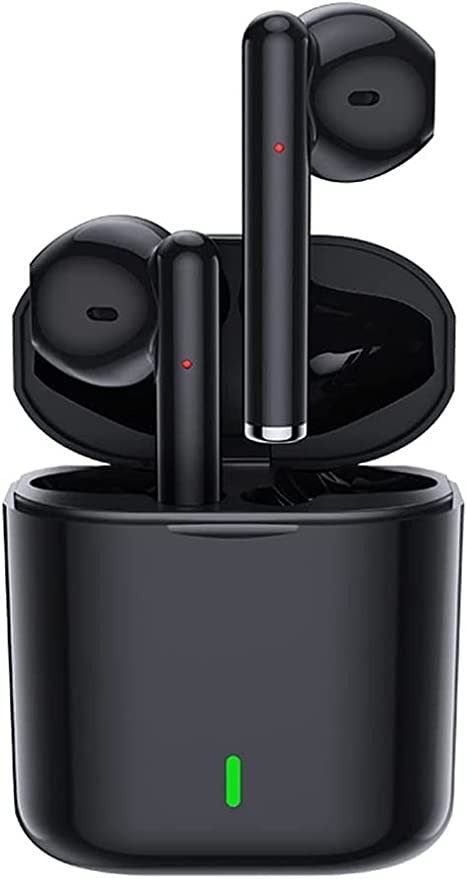
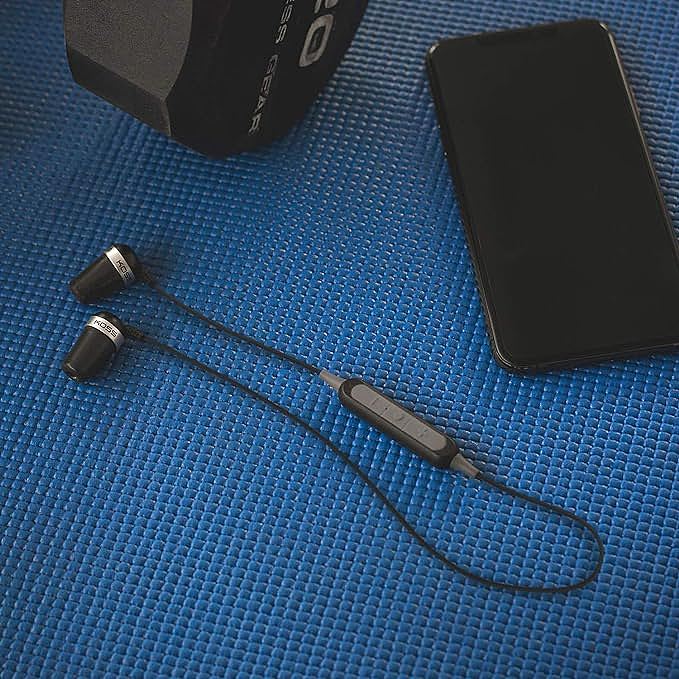
In a market dominated by sleek, hard-plastic True Wireless Stereo (TWS) earbuds that sit loosely in the concha, the Koss 196982.102 The Plug Wireless appears almost rebellious. It retains the connecting wire, it utilizes a seemingly outdated Bluetooth standard, and most distinctively, it relies on a compressible foam material that looks more like industrial ear protection than a consumer audio product.
However, dismissing this device as a relic would be a mistake. For a specific subset of audio enthusiasts, “The Plug” represents a holy grail of Acoustic Seal Integrity. By examining the material science of its unique ear tips and the physics of its tethered design, we can understand why this legacy form factor continues to offer an auditory experience that modern TWS struggle to replicate.
The Science of Viscoelasticity: Beyond Silicone
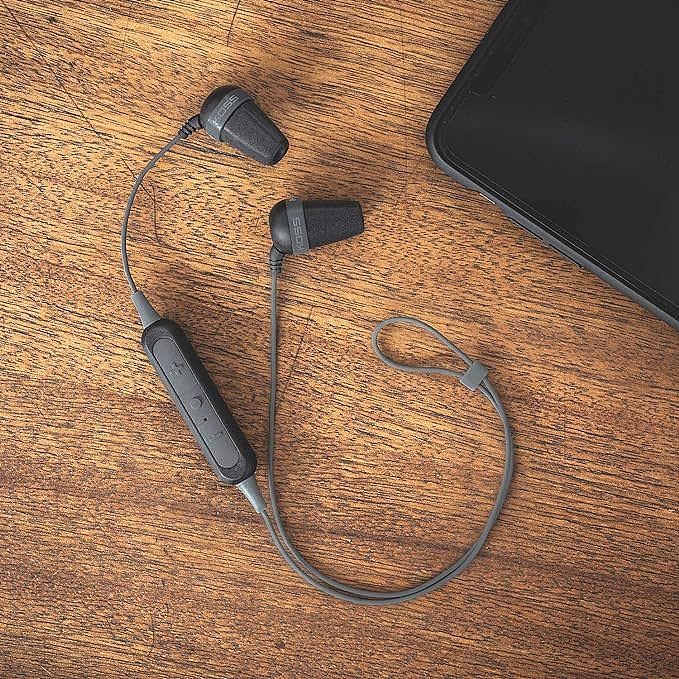
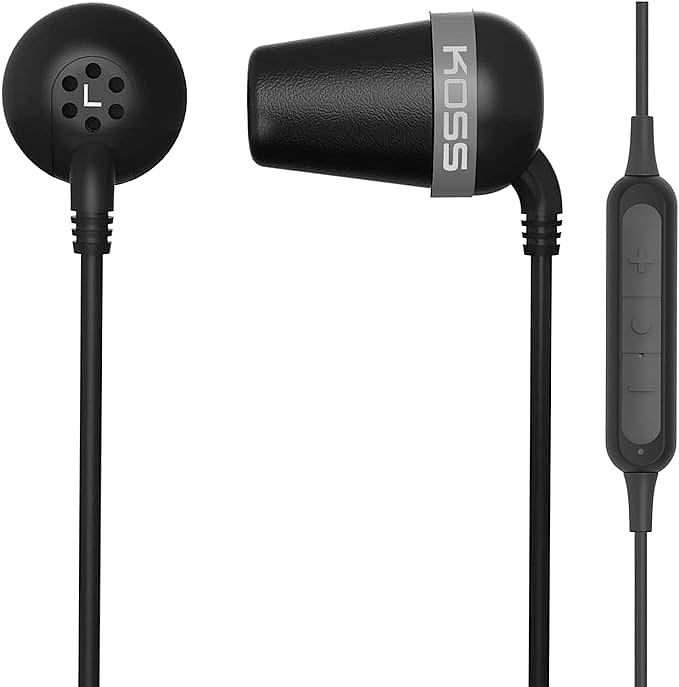
The defining feature of The Plug is its ear cushion material. Unlike the standard silicone domes found on 99% of earbuds, Koss employs a Viscoelastic Polyurethane Foam (memory foam). This material exhibits both viscous and elastic characteristics when undergoing deformation.
- The Mechanics of Fit: When you compress the foam before insertion, it stores potential energy. Once inside the ear canal, the body heat warms the foam, making it more pliable, while the stored energy causes it to slowly expand. This expansion exerts a gentle, uniform outward pressure against the canal walls.
- The Acoustic Consequence: This process creates a Hermetic Seal (Airtight Seal). Standard silicone tips often leave microscopic gaps due to the irregular shape of the human ear canal. Expanding foam fills these irregularities. In audio physics, a perfect seal is the prerequisite for Bass Pressurization. Without it, low-frequency waves leak out before they can vibrate the eardrum. This is why The Plug is legendary for its sub-bass response—it is a direct result of superior sealing mechanics, not just driver tuning.
Passive Isolation: The “Cone of Silence”
Before Active Noise Cancellation (ANC) became ubiquitous, there was Passive Noise Isolation. The Plug Wireless acts essentially as a high-fidelity earplug.
The density of the foam material serves as a physical barrier to high-frequency sound waves. While ANC is effective at canceling low-frequency drones (like engines), it often struggles with sudden, sharp noises (voices, clatter). The physical mass of the Koss foam blocks a broad spectrum of frequencies naturally. * Signal-to-Noise Ratio: By lowering the noise floor of the environment purely through physics, the listener can play music at lower volumes while retaining perceived loudness and detail. This is a critical factor for hearing health preservation in noisy environments like subways or construction sites.
The “Tethered” Architecture: Design Trade-offs
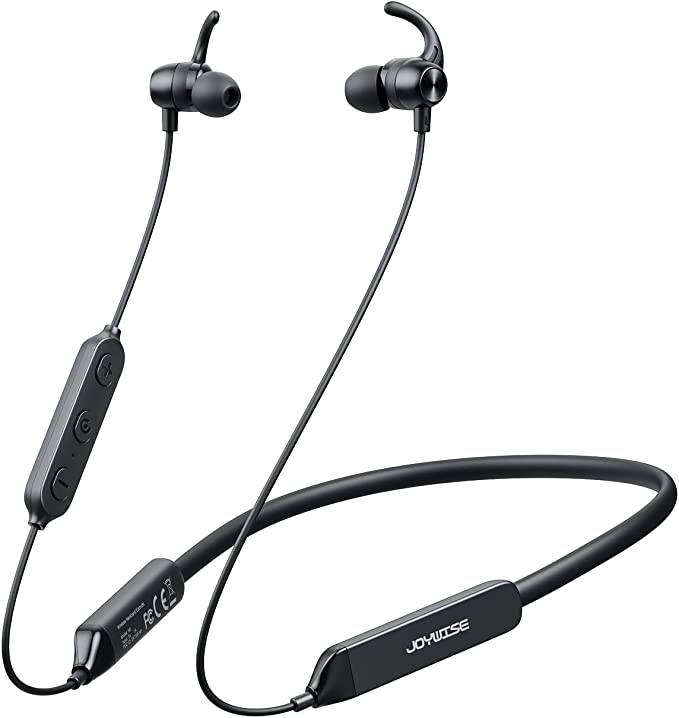
The Plug Wireless connects the left and right buds with a cable. In the era of AirPods, this “Tethered Wireless” design is often seen as obsolete, but it possesses distinct engineering advantages (and disadvantages).
- The Pros:
- Loss Prevention: You cannot lose a single earbud down a drain or on a track.
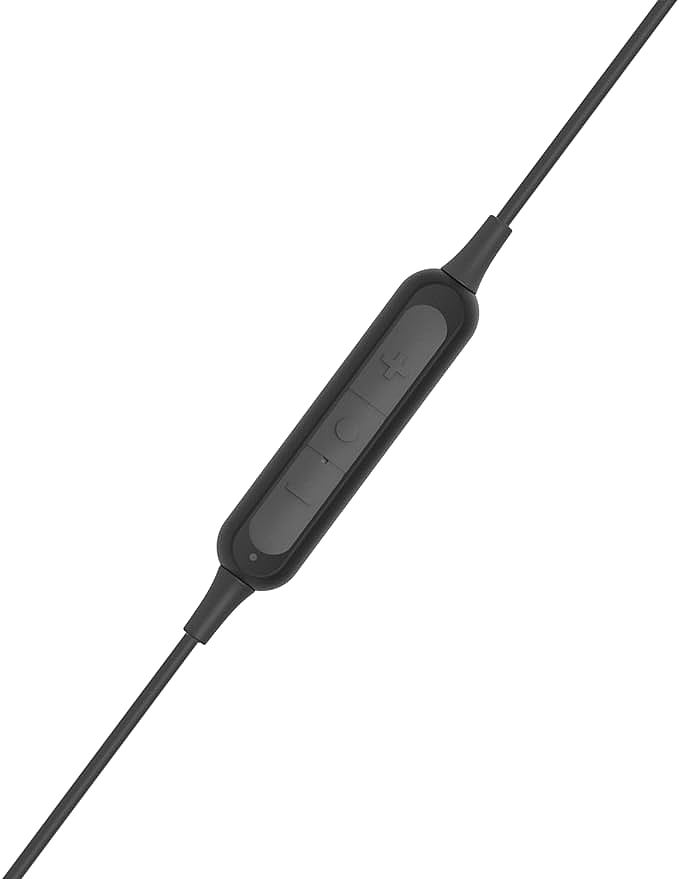
- Battery Capacity: The battery is housed in the inline module, not the earbud itself. This allows for a lighter earbud unit, reducing the “pendulum effect” that pulls TWS buds out of the ear during exercise.
- The Cons (The Anchor Effect): As noted in user feedback, the inline control module adds weight to the cable. If not managed properly with the included clip, this weight can shift during movement, creating a tugging sensation on one ear. This is a classic ergonomic challenge of asymmetric cable weighting.
Legacy Protocol: Addressing Bluetooth 4.2
It is important to address the elephant in the room: Bluetooth 4.2. In a 5.3 world, this spec seems ancient. Does it matter?
- For Audio Quality: Not necessarily. The bandwidth of 4.2 is sufficient for standard SBC and AAC codec transmission. The limiting factor for sound quality here is the driver and the seal, not the Bluetooth bandwidth.
- For Efficiency: Yes. Newer protocols offer better energy management and range. The 6+ hour battery life is respectable but not class-leading.
- For Latency: Bluetooth 4.2 has higher inherent latency than 5.0+. This makes The Plug Wireless excellent for music and podcasts, but potentially less ideal for competitive gaming where millisecond synchronization is key.
The Sound Signature: A Physical Experience
The sonic profile of The Plug Wireless is defined by its 10Hz - 20kHz frequency response. The extension down to 10Hz is significant. Most headphones roll off at 20Hz. By reproducing these infrasonic frequencies within a pressurized ear canal, the listener experiences bass as a physical sensation—a rumble—rather than just a sound.
This is the “Koss Sound”: warm, full-bodied, and deeply impactful. It stands in stark contrast to the often thin, analytical tuning of modern budget TWS earbuds that lack a proper seal.
Conclusion: A Specialized Tool
The Koss The Plug Wireless is not a generic recommendation for the masses. It is a specialized tool for those who prioritize isolation and bass physics above all else.
It rejects the convenience of charging cases and touch sensors in favor of a design that physically couples the driver to the ear more effectively than almost anything else on the market. If you struggle with silicone tips slipping out, or if you miss the visceral thump of wired earbuds, this retro-modern hybrid offers a compelling, physics-based solution.