The Biomechanics of "Stay-Put": Why Earclips Beat TWS for Runners

Koss BT232i Wireless Bluetooth Earclips
In the gym, gravity is the enemy. For users of True Wireless (TWS) earbuds, every burpee or sprint is a gamble: will the sweat reduce friction enough to launch a $150 earbud onto the concrete? The Koss BT232i Wireless FitClips answer this anxiety not with software, but with structural engineering.
This headphone uses a "Sportclip" design that fundamentally changes the physics of how audio attaches to your head. By shifting the load from the ear canal to the outer ear, it offers a solution for the millions of people whom TWS buds have failed.
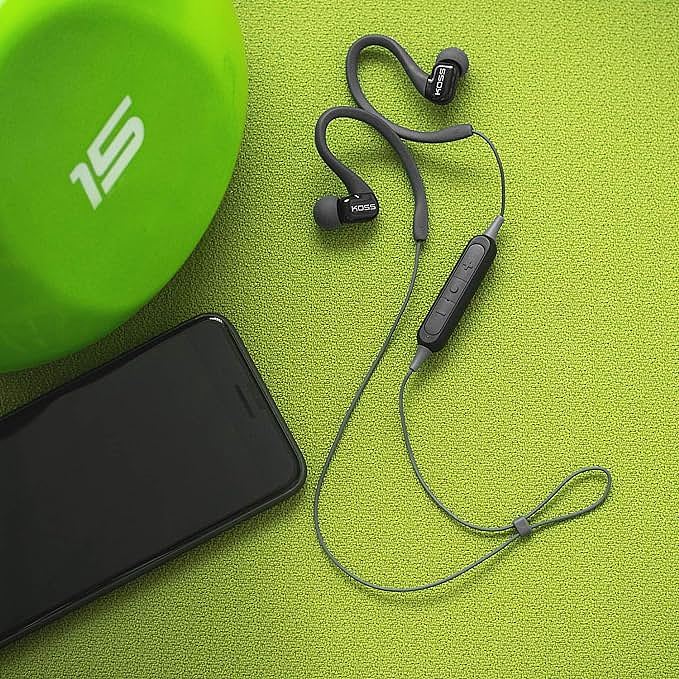
The Anchor Point: Pinna vs. Canal
Standard earbuds rely on Friction Fit. They jam into your ear canal, using the elastic pressure of the silicone tip to fight gravity. * The Failure Mode: Sweat is a lubricant. As you exercise, the coefficient of friction drops. Once gravity + G-force > friction, the bud pops out. * The Koss Solution: The BT232i uses Mechanical Anchoring. The flexible hook wraps around the root of the helix (the cartilage connection behind your ear). This structure bears 90% of the device's weight (~60g).
So What? This means the ear tip doesn't need to be jammed in tight to hold the device. It can sit gently in the canal solely for an acoustic seal. User "Eric JB" confirmed this: "You don't necessary have to use the perfectly fitted ear bud to keep it seated... meaning you can use a smaller size to let in a little more outside noise." This is a massive safety feature for outdoor runners.
The "Imbalance" Glitch: Analyzing the Cable Physics
While the ear clips defy gravity, the connecting cable introduces a new variable: Asymmetrical Load.
The battery and controls are housed in an in-line remote on the right side. Reviewer "Haley" noted, "The heavy controller being on one side actively pulls the ear clip out of your ear."
This is simple physics: The pendulum effect of the remote creates a constant downward vector on the right ear.
Field Note: The Fix is in the Clip.
Koss includes a Cable Management Clip (often ignored in the box).
1. Slide the clip to shorten the cable slack.
2. Cinch the cable tight against the back of your neck/head.
Result: This creates tension that counteracts the weight of the remote. It stops the remote from bouncing (pendulum effect) and neutralizes the "pulling" sensation. Without this adjustment, the headphones are annoying; with it, they are invisible.
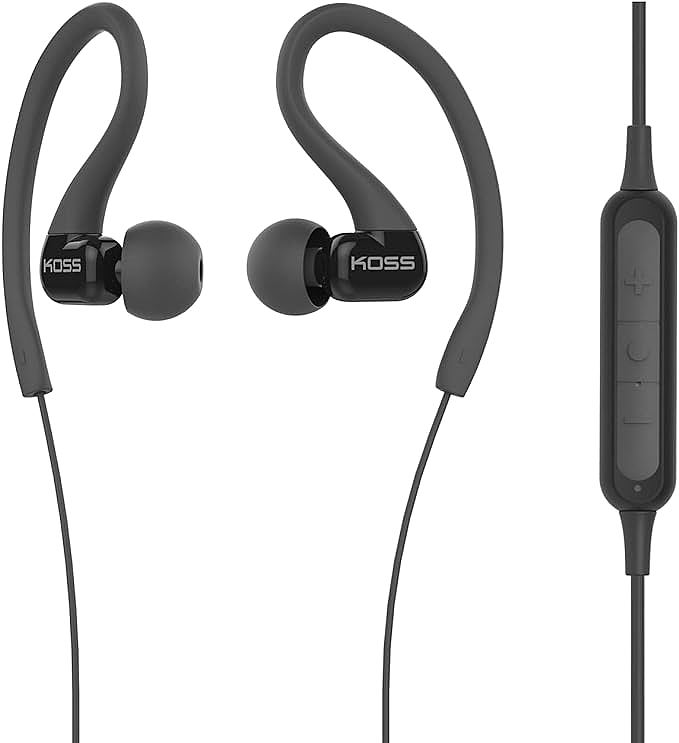
Ergonomics for the Bespectacled
A common fear is that ear hooks clash with glasses. The area behind the ear is prime real estate. However, the Koss clips are made of a soft, compliant polymer, not rigid plastic. * The Stack: Because the clip is thin and flexible, it can mold around the temple of your glasses. User reviews confirm they "stay in place pretty well, even with glasses." * Best Practice: Put your glasses on first, then hook the headphones over. This ensures your vision remains stable while the soft clip conforms to the remaining space.
Conclusion: The Structural Advantage
The Koss BT232i may look like a relic from 2015, but its biomechanics are timeless. By physically anchoring to the ear, it eliminates the "Earbud Anxiety" that plagues modern TWS designs. For runners with small ear canals or those who sweat heavily, this mechanical security is worth the trade-off of a wire.
Koss BT232i Wireless Bluetooth Earclips
Related Essays

The Tactile Rebellion: Why the MOZC Q68 Pro Ditched Touch Controls for Survival
